


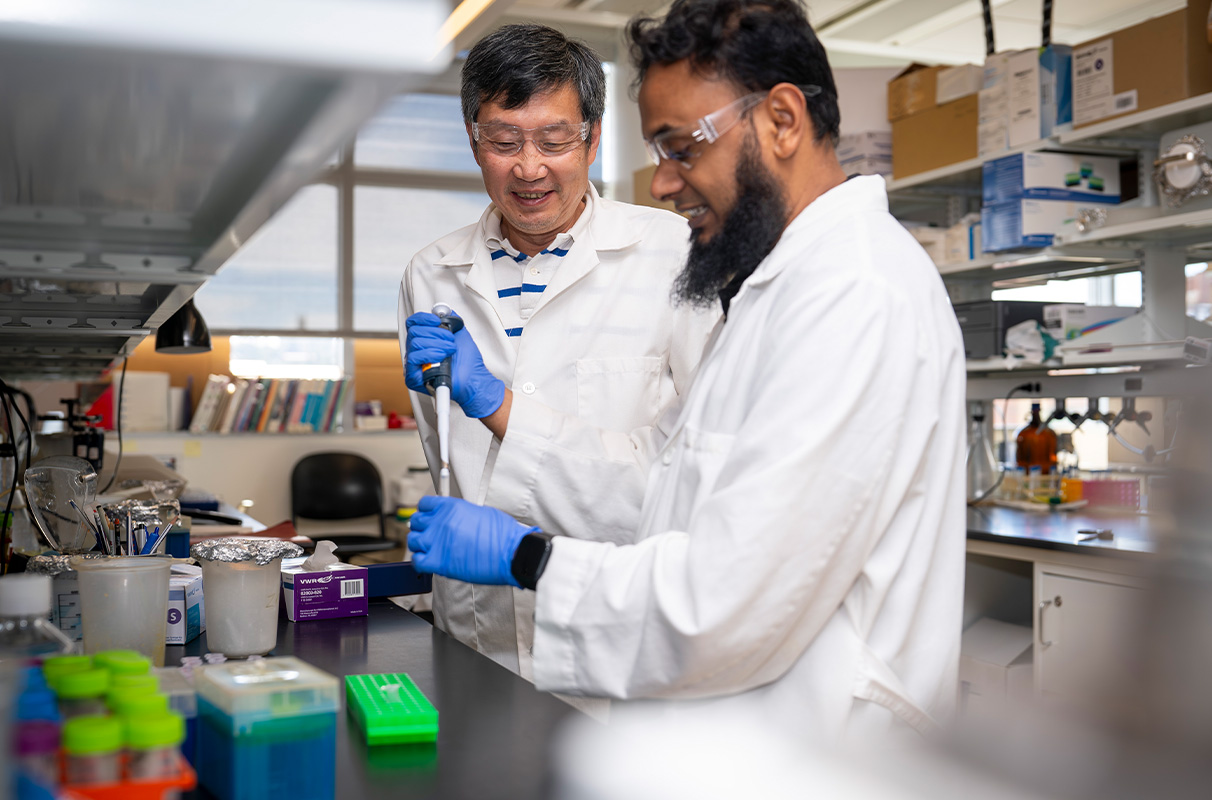
Breakthrough in Anti-Aging Research: Genetically Engineered Mice with Human-Like Telomeres
Scientists at Washington State University have made a significant breakthrough in anti-aging research by creating genetically engineered mice with human-like telomeres. Telomeres are the protective caps at the ends of chromosomes that function like shoelace tips to prevent unraveling. As telomeres shorten over time, cells lose their ability to divide for healthy growth, and some eventually begin to die. This discovery has the potential to accelerate research on extending human lifespan and understanding the aging process at the cellular level.
Understanding Telomeres and Aging
Telomeres play a crucial role in the aging process, and their shortening is a hallmark of cellular aging. In humans, telomeres are much shorter than in mice, making it challenging to study the aging process in mice. However, the WSU research team, led by Professor Jiyue Zhu, has developed mice with human-like short telomeres, enabling the study of cellular aging as it occurs in the human body and within organs. These mice, called HuT mice, have telomeres that are similar in length to those found in humans, making them an ideal model for studying the aging process.
Implications for Anti-Aging Research and Cancer Treatment
The development of HuT mice has significant implications for anti-aging research and cancer treatment. By studying the aging process in these mice, researchers can gain a better understanding of how short telomeres reduce the likelihood of developing cancer and influence human lifespan. Additionally, the mouse model can be used to explore strategies to extend individuals’ health span, the period of life free from age-related diseases. The research team is also investigating the role of telomerase, an enzyme that maintains telomeres, in cancer cells. By reducing telomerase expression in cancer cells, researchers may be able to develop new cancer treatments.
Future Directions and Collaborations
The WSU research team plans to share the HuT mice with other research teams to advance studies on aging, human longevity, and cancer. The team has received $5 million in grants to further develop the mouse model and study its applications in cancer research. The funding includes grants from the National Institute on Aging, National Institute of General Medical Sciences, and the U.S. Department of Defense. By collaborating with other researchers and using the HuT mice, scientists can gain a deeper understanding of the aging process and develop new strategies for promoting healthy aging and preventing age-related diseases.
For more information on this breakthrough research, visit Here
Image Credit: news.wsu.edu