
The number of candles on your birthday cake tells only part of your story. While we’re all familiar with chronological age – the number of years we’ve been on this planet – there’s another, more dynamic measure of aging that’s gaining significant attention in the world of longevity science: biological age. This intriguing concept offers a glimpse into how well our bodies are actually functioning at a cellular and molecular level, and whether we’re aging faster or slower than our chronological peers. Understanding the difference between these two ages is a crucial step in unlocking the secrets to a longer, healthier life, and it’s a cornerstone of the “Longevity & Living to 100” category here at AgingDecoded.com.
The Unseen Clock: What is Biological Age?
Think of chronological age as the calendar date of your birth. It’s a fixed, unchangeable number. Biological age, on the other hand, is more like a real-time meter of your body’s wear and tear. It assesses the functionality of your cells, tissues, and organs, considering the cumulative damage and changes that occur over time due to a variety of factors. It’s not a single number you can easily order from a lab (though advancements are rapidly making this more accessible). Instead, it’s an assessment of your body’s underlying vitality and resilience.
The Hallmarks of Aging: The Six Pillars of Decline
Longevity scientists have identified several key biological processes that contribute to aging. These are often referred to as the “hallmarks of aging,” and they represent the fundamental ways our bodies break down over time. While there are more than six identified hallmarks, focusing on these foundational ones provides a clear picture:
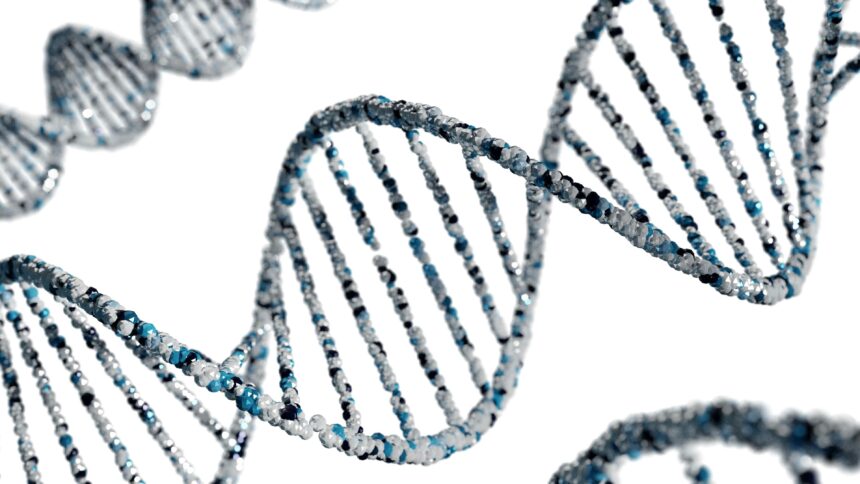
- Genomic Instability: Over time, our DNA can acquire damage from various sources, like radiation and toxins. If this damage isn’t repaired effectively, it can lead to errors in our genes, contributing to aging and disease. Imagine tiny typos accumulating in your body’s instruction manual.
- Telomere Attrition: Telomeres are protective caps at the ends of our chromosomes, similar to the plastic tips on shoelaces that prevent fraying. Each time a cell divides, telomeres get a little shorter. Eventually, they become too short, signaling the cell to stop dividing or to die. This shortening is a natural part of aging, but its pace can be influenced.
- Epigenetic Alterations: Epigenetics refers to changes in gene expression that don’t involve altering the underlying DNA sequence itself. Think of it like dimming or brightening lights on a dimmer switch – the wiring is the same, but the output changes. Over time, these epigenetic patterns can become dysregulated, leading to cells functioning less optimally.
- Loss of Proteostasis: Proteins are the workhorses of our cells, performing countless essential functions. Proteostasis is the ability of our cells to maintain the proper balance and function of these proteins. As we age, this system can falter, leading to the accumulation of damaged or misfolded proteins, which can disrupt cellular processes.
- Deregulated Nutrient Sensing: Our bodies have intricate systems for sensing and responding to nutrients. When these systems become deregulated with age, it can lead to an increased risk of metabolic disorders like diabetes and obesity, accelerating the aging process.
- Mitochondrial Dysfunction: Mitochondria are the powerhouses of our cells, generating the energy we need to function. With age, mitochondria can become less efficient and produce more harmful byproducts, contributing to cellular damage and a decline in energy levels.
These hallmarks are interconnected and influence each other. Damage in one area can exacerbate problems in another, creating a cascading effect that drives the aging process.
Beyond the Calendar: Why Biological Age Matters
Chronological age is a statistical average. While it’s useful for public health planning and understanding general trends, it doesn’t account for the vast individual differences in how we age. Two people of the same chronological age can have vastly different biological ages. One might be biologically much younger, with healthy organs and a robust immune system, while the other might be biologically older, experiencing more age-related health issues and a slower recovery from illness.
This is where biological age becomes incredibly powerful. It offers a more personalized snapshot of your health and can predict your risk of future diseases more accurately than chronological age alone. Understanding your biological age can empower you to make targeted interventions to slow down or even partially reverse some of the aging processes.
Understanding the distinction between biological age and chronological age is crucial in the field of aging research. A related article that delves deeper into this topic can be found at Aging Decoded, where various researchers explore how biological markers can provide a more accurate representation of an individual’s health and longevity compared to the traditional measure of chronological age. This exploration highlights the potential for personalized medicine and interventions aimed at promoting healthier aging.
Decoding the Differences: Biological vs. Chronological Age
The distinction between biological and chronological age is fundamental to understanding longevity science. Let’s break it down further.
Chronological Age: The Unchanging Constant
As mentioned, chronological age is simply the number of years that have passed since your birth. It’s a straightforward measure that is readily available to everyone. It’s important, as it helps us understand population-level aging trends and develop age-specific health guidelines. For example, screening recommendations for certain diseases often change based on chronological age. However, it’s crucial to remember that it’s a macro-level measure and doesn’t reflect the nuanced realities of individual aging.
Biological Age: The Dynamic Measure of Cellular Health
Biological age is a much more complex and dynamic concept. It’s an estimation of how old your body’s cells and systems are functioning. It’s influenced by a multitude of factors, including genetics, lifestyle choices, environmental exposures, and the presence of diseases.
- Genetics: While genetics plays a role in our predisposition to certain health conditions and the pace of our aging, it’s not the sole determinant of biological age. Many studies show that lifestyle can significantly impact how our genes are expressed and how they influence our health outcomes.
- Lifestyle Choices: This is where we have the most control. What we eat, how much we move, the quality of our sleep, how we manage stress, and our social connections all have a profound impact on our biological age.
- Environmental Factors: Exposure to pollutants, toxins, and even chronic stress can accelerate cellular damage and increase our biological age.
- Disease Status: Chronic diseases, even if managed, can contribute to accelerated biological aging due to the ongoing cellular stress and inflammation they create.
The goal of longevity science isn’t to stop chronological aging – that’s currently impossible. Instead, it’s about influencing biological aging to achieve a state where our bodies function optimally for as long as possible, independent of the number of years we’ve lived.
Bridging the Gap: From Years Lived to Years Well-Lived
Understanding the difference between biological and chronological age opens the door to a more proactive approach to health and aging. It shifts the focus from simply “getting older” to “aging well.”
Healthspan vs. Lifespan: The Quest for Quality Years
This is a critical distinction within longevity discussions.
- Lifespan: This refers to the total number of years an individual lives. It’s the duration of life.
- Healthspan: This refers to the number of years an individual lives in good health and free from age-related diseases and disabilities. It’s the quality of those years.
The ultimate goal of longevity science is to extend healthspan as much as possible, ideally matching it with lifespan. Living to 100 is impressive, but living to 100 with vitality, independence, and without debilitating chronic conditions is the true aspiration. Biological age is a key indicator that can help us understand and influence our healthspan. A younger biological age suggests a longer potential healthspan, even if chronological age marches forward.
The Power of Lifestyle Levers: Your Daily Impact
The good news is that we have significant influence over our biological age through our daily choices. These are often referred to as “lifestyle levers,” and they form the bedrock of healthy aging.
- Sleep: Quality sleep is crucial for cellular repair, hormone regulation, and cognitive function. Chronic sleep deprivation can accelerate aging by impairing these vital processes.
- Nutrition: A balanced diet rich in antioxidants, fiber, and healthy fats supports cellular health, reduces inflammation, and provides essential nutrients for repair and regeneration. Conversely, diets high in processed foods and sugar can accelerate aging.
- Movement: Regular physical activity improves cardiovascular health, strengthens muscles and bones, enhances metabolic function, and can even protect telomeres.
- Stress Management: Chronic stress releases hormones like cortisol, which can damage cells and accelerate aging over time. Techniques like mindfulness, meditation, and deep breathing can help mitigate these effects.
- Social Connection: Strong social bonds are linked to improved mental and physical health, as well as increased longevity. Feeling connected and supported provides a buffer against stress and promotes overall well-being.
These foundations are not just recommendations; they are powerful tools that directly influence the hallmarks of aging and, consequently, your biological age.
Emerging Tools: Drugs and Supplements for Longevity
While lifestyle is paramount, emerging research is exploring pharmacological interventions that may also influence biological aging. It’s crucial to approach these with caution and a thorough understanding of the science, and to always consult with a qualified healthcare professional before considering any.
Disclaimer: This information is for educational purposes only and does not constitute medical advice. Always consult with a qualified clinician before making any decisions about your health or starting any new supplements or medications.
Metformin: A Diabetes Drug with Longevity Potential
Metformin is a well-established medication primarily used to manage type 2 diabetes. It works by improving insulin sensitivity and reducing glucose production by the liver. In recent years, research has suggested that metformin might have broader anti-aging effects independent of its glucose-lowering properties.
- How it might work: Studies in animals and some observational human studies suggest metformin may activate pathways that mimic the effects of calorie restriction, potentially reducing inflammation and improving cellular stress resistance. It may also influence the gut microbiome and enhance mitochondrial function.
- Human evidence: While observational studies show increased lifespan and reduced incidence of age-related diseases in metformin users (who don’t have diabetes), randomized controlled trials specifically designed to test its anti-aging effects in non-diabetic populations are still ongoing (e.g., the TAME trial – Targeting Aging with Metformin). The long-term benefits and optimal dosages for anti-aging purposes in healthy individuals are not yet definitively established.
NAD+ Boosters: Fueling Cellular Energy and Repair
NAD+ (nicotinamide adenine dinucleotide) is a vital coenzyme found in all living cells. It plays a crucial role in energy metabolism, DNA repair, and cellular signaling. NAD+ levels naturally decline with age, which is thought to contribute to many aspects of aging.
- How it might work: NAD+ boosters are supplements designed to increase NAD+ levels in the body. Precursors like nicotinamide riboside (NR) and nicotinamide mononucleotide (NMN) are commonly used. By replenishing NAD+, these boosters aim to restore cellular functions that decline with age.
- Human evidence: Research in animal models has shown promising results, with NAD+ boosters improving various markers of aging, including mitochondrial function and cognitive performance. Human studies are also underway, and some preliminary results suggest potential benefits in areas like muscle function and cardiovascular health. However, more large-scale, long-term clinical trials are needed to confirm these benefits in humans and establish optimal dosing and safety profiles.
Rapamycin: A Powerful Immunosuppressant with Intriguing “Anti-Aging” Properties
Rapamycin is an immunosuppressant drug primarily used to prevent organ transplant rejection and treat certain types of cancer. Interestingly, it has also shown remarkable life-extending effects in animal studies, making it a subject of intense interest in longevity research.
- How it might work: Rapamycin is an mTOR inhibitor, meaning it suppresses a cellular pathway called mTOR (mechanistic target of rapamycin). This pathway is involved in cell growth and metabolism. Inhibiting mTOR can promote autophagy, a cellular “cleanup” process that removes damaged components, and may mimic some of the benefits of calorie restriction.
- Human evidence: The evidence for rapamycin as an anti-aging intervention in humans is still very early and largely theoretical. While it has impressive effects in model organisms, its significant side effects in humans (including immunosuppression and potential metabolic issues) make it a drug that must be prescribed and carefully monitored by a physician. Research is exploring lower, intermittent doses that might offer benefits with fewer risks, but this is far from established practice.
Fasting and Time-Restricted Eating: Mimicking Calorie Restriction
Fasting, in various forms, and time-restricted eating (TRE) involve periods of voluntary abstinence from food or specific eating windows. These practices have been linked to mimicking some of the metabolic benefits of calorie restriction, which has been shown to extend lifespan in many species.
- How it might work: When we fast, our bodies can shift from using glucose for energy to burning stored fat. This can lead to improved insulin sensitivity, reduced inflammation, and the activation of cellular repair pathways like autophagy. TRE focuses on consolidating eating into a shorter window each day, which can also help regulate metabolic hormones and improve cellular cleanup.
- Human evidence: Numerous studies support the benefits of TRE for weight management, metabolic health, and improved markers of inflammation. Intermittent fasting (e.g., 5:2 diet, alternate-day fasting) has also shown benefits for metabolic health. However, the long-term impact on lifespan and biological age in humans is still an area of active research. It’s important to note that fasting isn’t suitable for everyone, and individuals with certain medical conditions should consult their doctor.
Senolytics: Clearing Out “Zombie” Cells
Senolytics are a class of drugs or compounds designed to selectively clear senescent cells from the body. Senescent cells are cells that have stopped dividing due to damage or stress but resist programmed cell death. While they play a role in wound healing and development, their accumulation with age can contribute to inflammation and tissue dysfunction, driving many age-related diseases.
- How it might work: Senolytic drugs identify and trigger programmed death in these senescent cells, effectively clearing them out. This is theorized to reduce chronic inflammation and improve tissue function.
- Human evidence: Research in this area is still in its early stages, with most studies conducted in animal models. Some early-phase human clinical trials are exploring the use of senolytics for specific age-related conditions like osteoarthritis and idiopathic pulmonary fibrosis. While promising, more research is needed to understand their long-term safety, efficacy, and potential broad impact on aging in humans.
Understanding the differences between biological age and chronological age is crucial for grasping how our bodies age and respond to various treatments. A related article discusses the implications of hormone therapy for menopause health, which can significantly influence biological age markers in women. For more insights on this topic, you can read the article here: hormone therapy for menopause health. This connection highlights the importance of considering biological factors when evaluating age-related health strategies.
Your Path Forward: Prioritizing Foundations and Informed Decisions
The journey of unlocking the secrets of biological age is exciting, and the potential for improving our healthspan is immense. However, it’s crucial to maintain a grounded and evidence-based perspective.
This article is for educational purposes only and does not constitute medical advice. As you explore the fascinating world of longevity science, remember that the most powerful and proven tools for influencing your biological age are already within your grasp: prioritizing sleep, nourishing your body with whole foods, engaging in regular movement, effectively managing stress, and fostering strong social connections. These foundational practices are the bedrock upon which any future interventions should be built.
As research into drugs and supplements continues to evolve, it may offer additional avenues for supporting your health. However, any consideration of these interventions should be a collaborative decision made with a qualified healthcare professional. They can help you weigh the potential benefits against the risks, consider your individual health profile, and determine if such options are appropriate for you. By focusing on the fundamentals and engaging in informed conversations with your doctor, you can empower yourself to navigate the path towards a longer, healthier, and more vibrant life. The secret to aging well isn’t a single pill or magic bullet; it’s a holistic approach built on scientific understanding and consistent, positive lifestyle choices.
FAQs
What is biological age?
Biological age refers to the actual age of a person’s body at the cellular level, which can be influenced by various factors such as genetics, lifestyle, and environment. It is a measure of how well the body is functioning compared to the average for a person’s chronological age.
What is chronological age?
Chronological age is the actual age of a person based on the calendar, counting the number of years since their birth. It is a standard way of measuring age and is used for legal, social, and cultural purposes.
How is biological age different from chronological age?
Biological age and chronological age can differ significantly. While chronological age is fixed and increases by one year each year, biological age can be influenced by various factors and may not correspond to the number of years a person has been alive.
How is biological age measured?
Biological age can be measured using various methods, including biomarkers such as telomere length, DNA methylation, and markers of inflammation and oxidative stress. These measurements provide insight into the body’s overall health and aging process.
Why is it important to know your biological age?
Knowing your biological age can provide valuable information about your overall health and risk of age-related diseases. It can also help in making lifestyle changes to improve health and potentially slow down the aging process.