


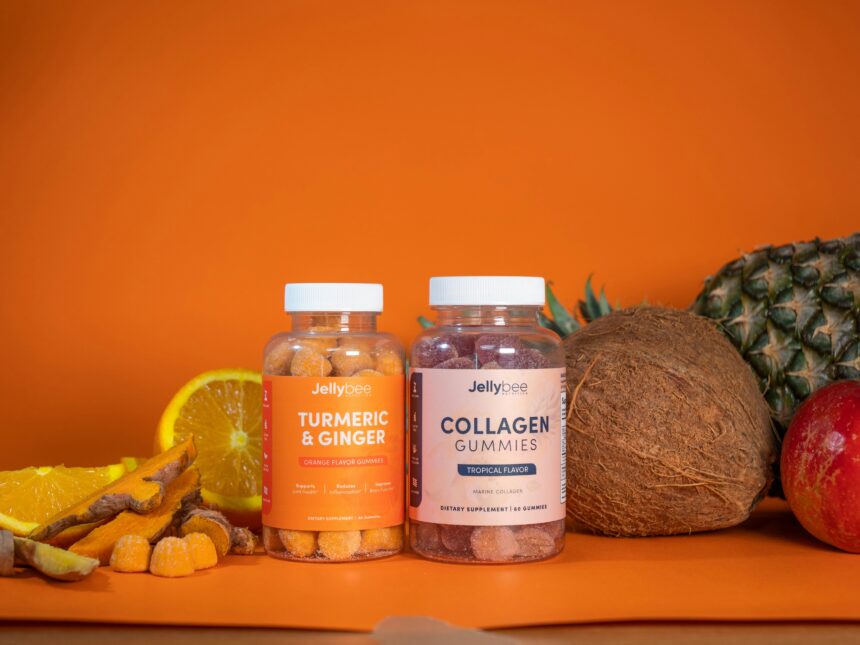
The aging process is a complex biological phenomenon, and the skin, being our outermost organ, often bears the most visible signs of time’s passage. As we navigate midlife and beyond, many of us seek ways to support our skin’s health, maintain its youthful appearance, and address common concerns like wrinkles, age spots, and loss of firmness. While a consistent, evidence-based skincare routine forms the cornerstone of healthy aging skin, sometimes we explore supplementary approaches to further enhance our skin’s vitality.
At AgingDecoded.com, within our “Skin & Healthy Aging” category, we champion simple, science-backed strategies. Our philosophy prioritizes a foundational approach: unwavering daily sun protection with broad-spectrum SPF 30+ applied generously to the face, neck, and hands. This is followed by gentle cleansing, consistent moisturizing to reinforce the skin barrier, and the strategic incorporation of a few proven active ingredients like retinoids, vitamin C, niacinamide, and AHAs for tackling texture concerns, hyperpigmentation, and fine lines. We believe in the power of understanding ingredients and lifestyle choices in plain language, steering clear of miracle claims and focusing on realistic expectations. Skin barrier support and diligent sun protection are paramount, and we always encourage readers to consult a dermatologist for any concerning skin changes or when considering prescription-strength treatments.
Within this thoughtful framework, the conversation around collagen supplements often arises. Many individuals wonder if these popular ingestibles can indeed contribute to healthier, more radiant skin as they age. This article will delve into the science behind collagen, explore its potential benefits for the skin, discuss when and how one might consider incorporating a supplement, and importantly, ground these insights within our overarching philosophy of supported, healthy skin aging.
To appreciate the potential role of collagen supplements, we first need to understand what collagen is and why it’s so vital for our skin and overall bodily structure. Think of collagen as the body’s primary building block, a strong and flexible protein that provides structural support to a variety of tissues. It’s the most abundant protein in mammals, making up a significant portion of our connective tissues.
What Exactly is Collagen?
Collagen is a fibrous protein characterized by its unique triple helix structure. This structure gives it incredible tensile strength, allowing it to withstand stretching. There are numerous types of collagen in the body, with Type I and Type III being the most prevalent in the skin.
- Type I Collagen: This is the most abundant type, found in skin, tendons, ligaments, bone, and even teeth. It plays a crucial role in providing tensile strength and structure. In the skin, it’s responsible for its firmness and resistance to stretching.
- Type III Collagen: Often found alongside Type I, Type III collagen is also important for the skin’s elasticity and structure, particularly in younger skin.
How Our Bodies Produce Collagen
Our bodies are naturally equipped with sophisticated collagen-producing machinery. Specialized cells called fibroblasts are responsible for synthesizing collagen. This process is continuous throughout our lives, although its rate and efficiency fluctuate.
- Fibroblasts: These versatile cells are the workhorses of connective tissue repair and formation. They produce not only collagen but also other essential components like elastin and hyaluronic acid.
- Amino Acid Building Blocks: Collagen synthesis relies on specific amino acids, including glycine, proline, and hydroxyproline. The availability of these amino acids is essential for the efficient production of collagen.
- Co-factors and Enzymes: The production of collagen is a complex biochemical process that requires specific enzymes and co-factors. Vitamin C, for instance, is a critical co-factor in the synthesis of collagen, playing a vital role in stabilizing its structure.
The Natural Decline of Collagen Production
As we age, a natural and inevitable decline in collagen production begins. This decline is multifactorial and influenced by both intrinsic (internal) and extrinsic (external) factors. Understanding this decline is key to appreciating why collagen supplementation might be considered by some.
- Intrinsic Aging (“Chronological Aging”): This refers to the natural aging process that occurs over time, irrespective of external influences. From our mid-20s onwards, collagen production starts to slow down. The quality and organization of collagen fibers can also change, leading to a less robust support structure.
- Extrinsic Aging (“Environmental Aging”): This encompasses damage from external factors. The most significant culprit is ultraviolet (UV) radiation from the sun. UV rays damage collagen fibers directly and also stimulate enzymes that break down collagen. Other extrinsic factors include pollution, smoking, and unhealthy dietary habits.
The cumulative effect of this declining production and increased breakdown manifests as visible signs of aging like thinning skin, reduced elasticity, formation of wrinkles, and delayed wound healing.
Collagen supplements have gained popularity for their potential benefits in improving skin elasticity and reducing signs of aging. For those interested in exploring this topic further, a related article can be found at Aging Decoded, which discusses various habits and lifestyle choices that can enhance skin health and overall well-being.
Collagen Supplements: What Are They and How Do They Work?
When we discuss collagen supplements, we’re generally referring to ingestible products that contain hydrolyzed collagen, also known as collagen peptides. These are smaller, more easily absorbed fragments of collagen protein. The theory behind their use is that by providing the body with these peptides, we can potentially support its own collagen production and resilience.
Hydrolyzed Collagen and Collagen Peptides
The process of hydrolysis breaks down the large collagen molecules into smaller peptides. This makes them more digestible and bioavailable, meaning the body can absorb and utilize them more effectively.
- The Hydrolysis Process: This involves using enzymes or acids to break the peptide bonds within the collagen molecule, resulting in shorter chains of amino acids.
- Absorption and Utilization: Once hydrolyzed, these peptides can be absorbed into the bloodstream through the digestive tract. From there, they can be transported to various tissues, including the skin, where they can theoretically be used as building blocks or signal cells to increase collagen synthesis.
Different Sources of Collagen
Collagen supplements are derived from various animal sources. The type of collagen in the supplement might vary depending on the source, but most commonly, they contain Type I and Type III collagen, which are most relevant to skin health.
- Bovine Collagen: Sourced from cows, this is a very common source and typically rich in Type I and Type III collagen.
- Marine Collagen: Derived from fish, this is often considered a highly pure and bioavailable source, typically rich in Type I collagen.
- Porcine Collagen: Sourced from pigs, also a source of Type I and Type III collagen.
- Chicken Collagen: Often a source of Type II collagen, which is more prevalent in cartilage, but some formulations may include it.
The Scientific Rationale: Bioavailability and Signaling
The concept of collagen supplements working hinges on two primary mechanisms: providing amino acid building blocks and potentially signaling the body to ramp up its own collagen production.
- Providing Building Blocks: The peptides from hydrolyzed collagen are composed of amino acids. When absorbed, these can theoretically contribute to the pool of amino acids available for fibroblast cells to use in synthesizing new collagen.
- Signaling Pathways: Emerging research suggests that collagen peptides may also act as signaling molecules. They might stimulate fibroblasts to increase their activity and produce more collagen, elastin, and hyaluronic acid. This “signaling” aspect is an active area of ongoing scientific investigation.
Potential Benefits for Skin Health: What the Evidence Suggests

While research is still evolving, a growing body of scientific literature explores the potential benefits of collagen supplementation for skin health, particularly concerning hydration, elasticity, and the appearance of wrinkles. It’s crucial to approach these findings with a balanced perspective, acknowledging that results can vary and that collagen supplements are not a magic bullet.
Improving Skin Hydration
Proper hydration is fundamental to healthy, supple skin. Dehydrated skin can appear dull, fine lines become more pronounced, and the skin’s barrier function can be compromised. Some studies have indicated that collagen peptide supplementation may play a role in enhancing skin hydration.
- Enhanced Moisture Retention: Research has suggested that collagen peptides can help improve the skin’s ability to retain moisture. This could be due to their influence on the skin’s natural moisturizing factors or their contribution to the overall structure that supports water binding.
- Impact on Dryness: For individuals experiencing dry skin, particularly as they age, improvements in hydration could translate to a more comfortable and visibly plumper complexion.
Boosting Skin Elasticity and Firmness
The loss of elasticity and firmness is a hallmark of aging skin. As collagen and elastin fibers degrade, the skin loses its ability to snap back, leading to sagging and the appearance of deeper wrinkles.
- Studies on Elasticity: Several clinical trials have shown positive effects of collagen peptide supplementation on skin elasticity. Participants have reported improvements in skin firmness and a reduction in skin sagging.
- Counteracting Loss of Tone: By potentially stimulating the body’s own collagen production, these supplements might help to counteract the natural decline in skin tone associated with aging.
Reducing the Appearance of Wrinkles
Wrinkles develop due to a combination of factors, including the breakdown of collagen and elastin, reduced skin hydration, and repetitive facial movements. The impact on wrinkle reduction is perhaps one of the most sought-after benefits of collagen supplements.
- Clinical Trial Outcomes: Some studies have observed a significant reduction in the depth and appearance of wrinkles in participants who consumed collagen peptides regularly. This effect is theorized to be a result of improved skin hydration, increased collagen density, and enhanced skin elasticity.
- Realistic Expectations: It’s important to emphasize that while improvements can be seen, collagen supplements are unlikely to completely erase deep-set wrinkles. They are more likely to contribute to a smoother overall skin texture and minimize the appearance of fine lines.
Supporting Skin Barrier Function
The skin barrier is a vital protective layer that prevents moisture loss and shields the skin from environmental aggressors. A compromised skin barrier can lead to sensitivity, dryness, and increased vulnerability to irritation.
- Role in Skin Resilience: By potentially bolstering the structural components of the skin, including collagen, supplements might contribute to a more resilient and robust skin barrier.
- Synergy with Topical Treatments: While not a replacement for topical skincare, improved internal skin health can complement the effects of barrier-supporting ingredients found in moisturizers and serums.
Incorporating Collagen Supplements into Your Routine: Practical Considerations

Deciding to add a collagen supplement to your regimen involves more than just picking a product off the shelf. It requires careful consideration of product quality, dosage, consistency, and how it fits within your broader healthy aging strategy.
Choosing the Right Supplement: Quality and Source Matters
Not all collagen supplements are created equal. The quality of the source, the processing methods, and the inclusion of other beneficial ingredients can all impact efficacy. At AgingDecoded, we advocate for informed choices.
- Third-Party Testing: Look for brands that undergo independent, third-party testing to verify the purity and potency of their products. This ensures you’re getting what the label claims and that the product is free from contaminants.
- Reputable Brands: Opt for established brands with a good reputation for quality control and transparent sourcing.
- Hydrolyzed Collagen Peptides: Ensure the product clearly states it contains hydrolyzed collagen or collagen peptides for optimal absorption.
- Avoid Unnecessary Additives: Be mindful of supplements loaded with excessive sugars, artificial flavors, or colors. Opt for simpler formulations.
- Consider Form: Collagen supplements come in various forms, including powders, capsules, and liquids. Powdered forms are often preferred for their versatility, allowing you to mix them into drinks or foods.
Dosage and Consistency: The Key to Potential Results
As with many health interventions, consistency is often more important than the specific dosage when it comes to collagen supplements. Adhering to a regular intake and giving the supplement sufficient time to show effects is crucial.
- Typical Dosages: Studies often use dosages ranging from 2.5 to 15 grams of collagen peptides per day. It’s advisable to start with a lower dose and gradually increase if necessary, following the product’s recommendations.
- Daily Intake is Crucial: Collagen synthesis is an ongoing process, so daily supplementation is generally recommended for sustained support.
- Patience is a Virtue: It can take several weeks to months of consistent daily use before noticeable changes in skin health are observed. Don’t expect overnight miracles.
Integrating with Your Existing Skincare Routine
Collagen supplements are best viewed as a complement to, not a replacement for, a diligent topical skincare routine. Our foundational approach at AgingDecoded emphasizes this synergy.
- Sun Protection First: Always prioritize your daily broad-spectrum SPF 30+ application. No supplement can undo the damage caused by unprotected sun exposure.
- Gentle Cleansing and Moisturizing: Continue with your gentle cleansing and consistent moisturizing to support your skin barrier.
- Active Ingredients: Topical retinoids, vitamin C, niacinamide, and AHAs are proven to deliver significant improvements in texture, tone, and fine lines. Collagen supplements can potentially enhance the overall health of the skin, supporting the work of these topical treatments.
- Healthy Lifestyle: Remember that sleep, stress management, a balanced diet, and limiting alcohol and smoking are fundamental to overall health, including skin health.
When to Consult a Professional
While collagen supplements are generally considered safe for most people, there are instances where professional guidance is essential.
- Existing Health Conditions: If you have any pre-existing health conditions, especially kidney or liver issues, it’s crucial to consult your doctor before starting any new supplement.
- Allergies: Be aware of potential allergens in your chosen supplement, particularly if derived from fish or bovine sources.
- Digestive Issues: As with any oral supplement, some individuals might experience mild digestive discomfort.
- Suspicious Skin Spots: If you notice any new or changing moles or skin lesions, consult a dermatologist immediately. This is non-negotiable and takes precedence over any supplement consideration.
- Starting Prescription Actives: When considering stronger, prescription-strength retinoids or other potent topical treatments, a dermatologist’s guidance is indispensable.
Collagen supplements have gained popularity for their potential benefits in enhancing skin elasticity and reducing wrinkles. Many people are exploring various dietary approaches to improve their skin health, and one interesting perspective can be found in a related article discussing the Mediterranean diet’s impact on gestational weight gain during pregnancy. This diet is rich in nutrients that may also support skin vitality, making it a valuable read for those interested in holistic approaches to skincare. You can check out the article here for more insights.
Lifestyle Factors: The Holistic Approach to Healthy Skin Aging
| Study | Findings |
|---|---|
| 1. Clinical trial on collagen supplements | Improved skin elasticity and hydration |
| 2. Research on collagen peptides | Reduced wrinkle depth and improved skin texture |
| 3. Study on collagen supplementation | Increased collagen density in the skin |
While collagen supplements can offer potential benefits, it’s crucial to remember that skin health is a holistic endeavor. Our approach at AgingDecoded emphasizes that external interventions should be supported by robust internal health practices. Lifestyle factors profoundly influence how our skin ages and how it responds to any supplement or topical treatment.
The Power of Sleep
Adequate, quality sleep is not just for feeling rested; it’s a critical period for cellular repair and regeneration, including in our skin.
- Cellular Repair: During sleep, our bodies work to repair damage from the day’s exposure to environmental stressors. Skin cells regenerate, and collagen production can be optimized.
- Hormonal Balance: Poor sleep can disrupt hormone balance, potentially leading to increased cortisol (the stress hormone), which can break down collagen.
- Aim for 7-9 Hours: Prioritize consistent, restful sleep to support your skin’s natural restorative processes.
Managing Stress
Chronic stress can have a significant negative impact on all aspects of health, including the skin. It can accelerate aging and exacerbate existing skin conditions.
- Cortisol’s Role: As mentioned, elevated cortisol levels due to chronic stress can lead to collagen breakdown, making the skin less firm and more prone to wrinkles.
- Inflammation: Stress can also trigger inflammation throughout the body, which can negatively affect skin health and compromise its barrier function.
- Stress-Reduction Techniques: Incorporate stress-management practices like mindfulness, meditation, yoga, or deep breathing exercises into your daily routine.
Diet: Fueling Your Skin from Within
What you eat directly impacts your skin’s health, providing the essential nutrients for building and repairing tissues.
- Amino Acids for Collagen: As discussed, consuming adequate protein sources rich in glycine and proline is essential for your body to produce its own collagen.
- Vitamin C Rich Foods: Citrus fruits, berries, bell peppers, and leafy greens are excellent sources of vitamin C, a crucial co-factor for collagen synthesis and a powerful antioxidant.
- Antioxidants: A diet rich in fruits and vegetables provides a broad spectrum of antioxidants that help combat free radical damage, which contributes to aging.
- Healthy Fats: Omega-3 fatty acids found in fatty fish, flaxseeds, and walnuts can help keep skin hydrated and supple.
Alcohol and Smoking: Detrimental to Skin Health
These lifestyle choices are widely recognized as detrimental to skin health and accelerate the aging process.
- Alcohol: Dehydrates the body and skin, leading to a duller complexion and can exacerbate redness and inflammation. It can also interfere with nutrient absorption.
- Smoking: A major culprit in premature aging. Smoking constricts blood vessels, reducing oxygen and nutrient supply to the skin. It also damages collagen and elastin fibers directly, leading to wrinkles, sagging, and a sallow complexion. Quitting smoking is one of the most impactful steps you can take for your skin and overall health.
Realistic Expectations and the Future of Skin Health
Our commitment at AgingDecoded is to provide actionable, evidence-informed advice. When it comes to collagen supplements, this means setting realistic expectations and understanding their place within a comprehensive approach to healthy skin aging.
No Miracles, Just Support
Collagen supplements are not a substitute for a healthy lifestyle or a sound topical skincare routine. They are best viewed as a potential complementary tool, offering support to the body’s natural processes.
- Complementary, Not Replacement: Think of them as an addition to a balanced diet, adequate sleep, stress management, and consistent sun protection and skincare, rather than a standalone solution.
- Individual Response Varies: How an individual responds to collagen supplementation can vary significantly due to genetics, diet, lifestyle, and the specific product used.
The Importance of Skin Barrier Support
Regardless of whether you choose to use collagen supplements, focusing on supporting your skin barrier remains paramount. A healthy, intact skin barrier is the foundation of resilient, youthful-looking skin.
- Hydration is Key: Consistently moisturize to lock in hydration and prevent water loss.
- Gentle Care: Avoid harsh cleansers and exfoliants that can strip the skin of its natural oils and disrupt the barrier.
- Sun Protection: As always, protect your skin from UV damage, whichcompromises the skin barrier and accelerates aging.
Consulting Your Dermatologist
Your dermatologist is your most valuable partner in navigating your skin health journey. They can provide personalized advice, diagnose and treat skin conditions, and guide you on the most effective treatments for your specific concerns.
- For Suspicious Spots: Never hesitate to consult a dermatologist for any new or changing moles, lesions, or unusual skin growths. Early detection of skin cancer is crucial.
- When Starting Stronger Treatments: If you are considering prescription-strength retinoids, potent chemical peels, or other advanced treatments, a dermatologist’s expertise is essential for safe and effective application. They can also advise whether collagen supplements might be a useful adjunct to these treatments.
In conclusion, while the concept of boosting collagen from within is appealing, it’s essential to approach collagen supplements with a well-informed and balanced perspective. By understanding the science, choosing quality products, maintaining consistency, and, most importantly, grounding your approach in a holistic view of skin health that prioritizes sun protection, gentle care, and healthy lifestyle habits, you can effectively support your skin’s vitality as you age. Always remember to consult with a healthcare professional for personalized advice and to address any health concerns.
FAQs
What are collagen supplements for skin?
Collagen supplements for skin are oral supplements that contain collagen, a protein that is naturally found in the body and is responsible for the skin’s strength and elasticity. These supplements are taken to help improve the appearance and health of the skin.
How do collagen supplements benefit the skin?
Collagen supplements are believed to help improve the skin’s elasticity, hydration, and overall appearance. They may also help reduce the appearance of wrinkles and fine lines, and promote a more youthful complexion.
Are collagen supplements safe to use?
Collagen supplements are generally considered safe for most people when taken as directed. However, it’s important to consult with a healthcare professional before starting any new supplement regimen, especially if you have any underlying health conditions or are pregnant or breastfeeding.
What are the potential side effects of collagen supplements?
Some people may experience mild side effects from taking collagen supplements, such as digestive discomfort or allergic reactions. It’s important to follow the recommended dosage and monitor for any adverse reactions.
How long does it take to see results from collagen supplements for skin?
The time it takes to see results from collagen supplements can vary from person to person. Some individuals may notice improvements in their skin’s appearance within a few weeks, while others may take longer to see noticeable changes. Consistency in taking the supplements as directed is key to potentially seeing results.