


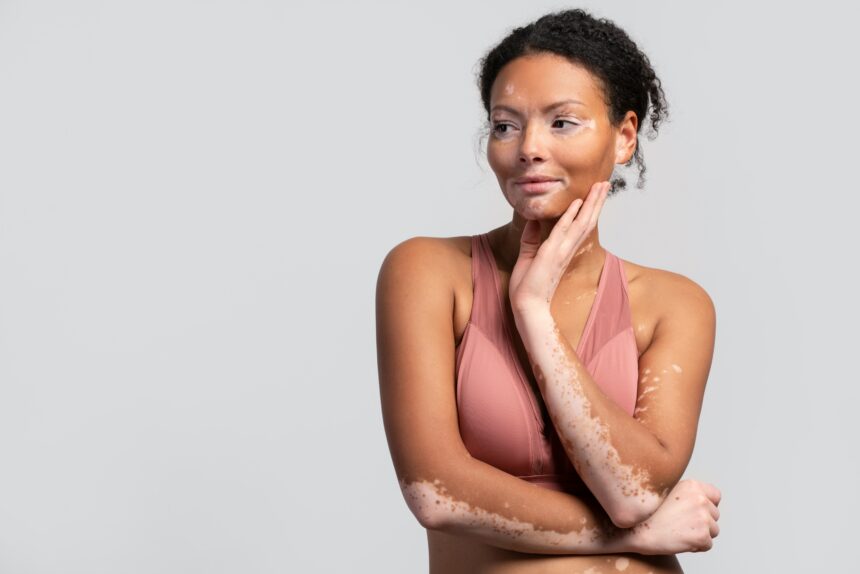
As we navigate the journey of life, our skin undergoes inevitable changes. Fine lines, wrinkles, uneven tone, and a loss of elasticity become more apparent. While genetics, sun exposure, and lifestyle choices all play a role, a silent, pervasive force often at play beneath the surface is inflammation. Far from being just a temporary annoyance, chronic, low-grade inflammation can significantly accelerate the aging process in our skin. Understanding this intricate connection empowers us to make proactive choices that promote healthier, more resilient skin at every age.
What is Inflammation and Why Does it Matter for Our Skin?
At its core, inflammation is our body’s natural defense mechanism. When our immune system detects injury, infection, or irritation, it dispatches specialized cells and chemicals to the affected area. This acute inflammation is a vital part of healing – think of the redness and swelling around a cut. However, problems arise when this protective response becomes chronic, lingering unresolved for extended periods, even when there’s no immediate threat.
The Destructive Cascade of Chronic Inflammation
Unlike its beneficial acute counterpart, chronic inflammation in the skin becomes a destructive force. It’s like having a constant, low-level fire smoldering within our skin cells. This persistent state triggers a cascade of detrimental effects:
- Collagen and Elastin Degradation: Key proteins responsible for skin’s firmness and elasticity are relentlessly attacked by inflammatory enzymes. This leads to the breakdown of the very structures that keep our skin smooth and supple, accelerating the formation of wrinkles and sagging.
- Oxidative Stress: Inflammation often goes hand-in-hand with an increase in free radicals – unstable molecules that damage cellular components, including DNA and lipids. This oxidative stress further contributes to cellular aging and impaired skin function.
- Impaired Skin Barrier Function: The skin’s barrier, its outermost protective layer, becomes compromised. This leads to increased transepidermal water loss (TEWL), making the skin drier, more sensitive, and more vulnerable to environmental aggressors and irritants.
- Hyperpigmentation and Uneven Skin Tone: Inflammatory responses can stimulate melanin production, leading to post-inflammatory hyperpigmentation (PIH) and a generally more mottled, uneven complexion. This is particularly noticeable after breakouts or irritations.
- Reduced Cell Turnover: The natural process of shedding old skin cells and generating new ones slows down, resulting in duller skin, a thicker stratum corneum, and a less youthful glow.
Recent studies have highlighted the significant role of inflammation in the process of skin aging, revealing that chronic inflammation can accelerate the appearance of wrinkles and fine lines. For a deeper understanding of how inflammation impacts skin health and contributes to aging, you can explore this related article on the topic. To read more, visit here.
Everyday Triggers of Skin Inflammation
Inflammation isn’t always caused by deep-seated issues; many common lifestyle factors and environmental exposures contribute to its chronic presence in our skin. Recognizing these triggers is the first step towards mitigating their impact.
The Sun: The Primary Pro-Inflammatory Factor
Without a doubt, chronic unprotected sun exposure is the leading external cause of skin inflammation and accelerated aging. UV radiation directly damages skin cells and triggers an inflammatory response as the body attempts to repair the damage. This repeated assault leads to photoaging, characterized by wrinkles, sunspots, and a leathery texture.
Your Daily Defense: This is why daily, consistent sun protection is non-negotiable. Broad-spectrum SPF 30+ applied generously to your face, neck, and hands every single day, rain or shine, is the most effective anti-aging strategy. Look for formulas that are cosmetically elegant and easy to incorporate into your routine. Physical blockers like zinc oxide and titanium dioxide are excellent choices for sensitive skin.
Environmental Pollution: An Unseen Threat
Invisible pollutants, including particulate matter and ozone, constantly bombard our skin. These tiny invaders can penetrate the skin barrier, generating free radicals and initiating inflammatory pathways. Living in urban environments or areas with poor air quality can significantly contribute to inflammatory skin aging.
Diet and Gut Health: The Inside-Out Connection
What we eat profoundly impacts our skin. A diet high in processed foods, refined sugars, and unhealthy fats can promote systemic inflammation throughout the body, which inevitably manifests in the skin. Conversely, a diet rich in anti-inflammatory foods can be a powerful antidote.
- Inflammation-Promoting Foods: Think sugary drinks, white bread, fried foods, and highly processed snacks. These can spike blood sugar, leading to glycation (a process where sugar molecules attach to proteins like collagen, making them stiff and rigid), and trigger inflammatory responses.
- Anti-Inflammatory Allies: Embrace fruits, vegetables (especially leafy greens and berries), whole grains, lean proteins, and healthy fats like those found in olive oil, avocados, and fatty fish (rich in omega-3s). These provide antioxidants and compounds that actively fight inflammation.
- The Gut-Skin Axis: A healthy gut microbiome is crucial. An imbalance in gut bacteria (dysbiosis) can contribute to systemic inflammation that affects the skin. Probiotic-rich foods (yogurt, kefir, fermented vegetables) and prebiotics (fiber-rich foods) can support a healthy gut.
Recent studies have highlighted the connection between inflammation and skin aging, emphasizing how chronic inflammation can accelerate the visible signs of aging such as wrinkles and loss of elasticity. For those interested in exploring effective strategies to combat these effects, a related article discusses essential skincare innovations that can help maintain hydration during the colder months. You can read more about these innovations and their benefits for your skin by visiting this informative resource.
Stress and Sleep: Our Body’s Internal Regulators
Chronic psychological stress triggers the release of hormones like cortisol, which can have pro-inflammatory effects on the skin. Stress can also disrupt the skin barrier, making it more vulnerable. Similarly, inadequate sleep deprives the body of essential repair and regeneration time. During deep sleep, the body produces human growth hormone, crucial for skin repair and renewal, and regulates inflammatory responses.
Building an Anti-Inflammatory Skincare Routine for Midlife and Beyond
While identifying triggers is important, actively incorporating anti-inflammatory strategies into your daily skincare routine is crucial. The goal is to support the skin’s natural defenses, soothe irritation, and promote healthy aging with evidence-informed, gentle approaches.
1. Prioritize Gentle Cleansing
Aggressive cleansing can strip the skin of its natural oils, compromise the skin barrier, and trigger inflammation. For midlife and older adults, focusing on gentle, hydrating cleansers is key.
- Choose Wisely: Opt for creamy, non-foaming, or milky cleansers that are pH-balanced, fragrance-free, and sulfate-free. These effectively remove impurities without disrupting the delicate skin barrier.
- Technique Matters: Use lukewarm water and your fingertips. Avoid scrubbing or using harsh brushes, which can exacerbate inflammation. Pat your skin dry with a soft towel.
2. Consistent Moisturizing for Barrier Support
A well-hydrated skin barrier is a resilient skin barrier. Moisturizers are paramount for trapping moisture, repairing the lipid layer, and protecting the skin from external irritants, thus reducing inflammation.
- Key Ingredients: Look for moisturizers containing ceramides, hyaluronic acid, glycerin, fatty acids, and cholesterol – all components naturally found in healthy skin. These ingredients work synergistically to fortify the skin barrier.
- Application: Apply moisturizer to damp skin immediately after cleansing to lock in hydration. Don’t forget your neck and hands!
3. Power of Proven Actives: Targeted Anti-Inflammatory and Anti-Aging Benefits
Once your core routine of sun protection, gentle cleansing, and moisturizing is established, you can strategically introduce a few proven active ingredients that not only address signs of aging but also possess anti-inflammatory properties. Remember, consistency is more important than using too many products at once.
- Retinoids (Retinol, Retinaldehyde, Tretinoin): These vitamin A derivatives are gold standards for anti-aging. They stimulate collagen production, accelerate cell turnover, and can help reduce hyperpigmentation. Beyond their direct anti-aging effects, retinoids can also downregulate inflammatory pathways. Start with a low concentration a few times a week and gradually increase as tolerated, as they can initially cause irritation – a temporary inflammatory response. Always apply in the evening and pair with diligent sun protection the next day. For stronger, prescription-strength options, consult a dermatologist.
- Vitamin C (L-Ascorbic Acid and Derivatives): A potent antioxidant, vitamin C neutralizes free radicals caused by UV exposure and pollution, thus reducing oxidative stress and inflammation. It also brightens the skin, stimulates collagen synthesis, and can help fade hyperpigmentation. Look for stable forms, often in a serum, applied in the morning.
- Niacinamide (Vitamin B3): This powerhouse ingredient has multiple benefits. It strengthens the skin barrier, reduces redness and inflammation, improves skin tone and texture, and can minimize pore appearance. Niacinamide is generally well-tolerated and can be used both morning and evening.
- Alpha Hydroxy Acids (AHAs – e.g., Glycolic Acid, Lactic Acid): AHAs gently exfoliate the skin, promoting cell turnover and improving texture and luminosity. By clearing dead skin cells, they can also help reduce clogged pores and surface irregularity. Used judiciously (1-3 times a week), they can contribute to a smoother complexion. However, over-exfoliation can cause irritation, so listen to your skin.
Realistic Expectations and Professional Consultations
Achieving healthier, more resilient skin is a marathon, not a sprint. While consistent effort yields results, it’s crucial to cultivate realistic expectations. There’s no magical potion that will erase all signs of aging overnight. Focus on improvement and maintenance rather than perfection.
The Role of Your Dermatologist
For persistent skin concerns, suspicious spots, or when considering stronger prescription-strength products (like certain retinoids or treatments for specific inflammatory conditions), a board-certified dermatologist is your best ally. They can provide personalized advice, diagnose conditions, and guide you toward treatments that are safe and effective for your individual needs. Remember, any new or changing mole or lesion should always be checked by a professional without delay.
By understanding the pervasive impact of inflammation on skin aging, and by adopting a simple yet powerful routine focused on sun protection, gentle care, and evidence-backed ingredients, we can support our skin’s health and vitality for years to come. It’s an investment in not just how we look, but how our skin functions – a true reflection of our overall well-being.
FAQs
What is inflammation?
Inflammation is the body’s natural response to injury or infection. It is a process that helps the body fight off harmful stimuli and initiate the healing process.
How does inflammation contribute to skin aging?
Inflammation can contribute to skin aging by breaking down collagen and elastin, which are essential for maintaining skin elasticity and firmness. Chronic inflammation can lead to the formation of wrinkles, fine lines, and sagging skin.
What are the common causes of skin inflammation?
Common causes of skin inflammation include exposure to UV radiation, environmental pollutants, stress, poor diet, and certain skincare products. These factors can trigger an inflammatory response in the skin, leading to accelerated aging.
How can inflammation be managed to prevent skin aging?
Managing inflammation to prevent skin aging involves adopting a healthy lifestyle, using sunscreen to protect against UV damage, avoiding smoking, managing stress, and using skincare products with anti-inflammatory ingredients.
Are there any medical treatments for inflammation-related skin aging?
Medical treatments for inflammation-related skin aging may include topical corticosteroids, retinoids, and anti-inflammatory creams. In severe cases, dermatologists may recommend laser therapy or other advanced procedures to address inflammation and its effects on the skin.