


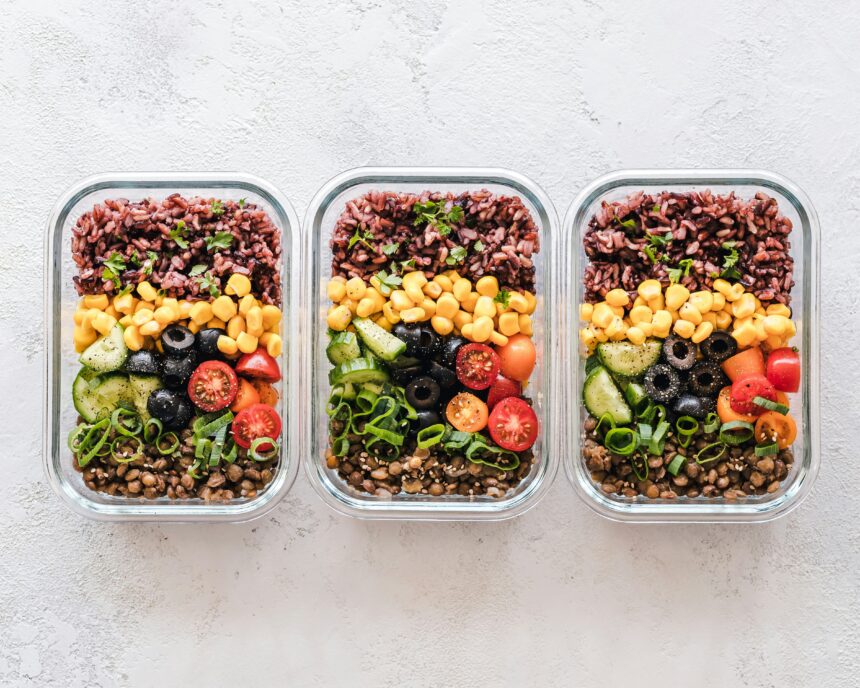
The quest for a longer, healthier life has captivated humanity for millennia. While science continues to unravel the intricate mechanisms of aging, one dietary approach stands out for its profound impact on longevity and vitality: a mostly plant-based, Mediterranean-style eating pattern. This isn’t about rigid rules, but about embracing a delicious and sustainable way of nourishing your body that aligns with the wisdom observed in some of the world’s longest-living populations. On AgingDecoded.com, within our “Nutrition & Longevity Diet” category, we delve into the science-backed principles that make this approach a cornerstone of healthy aging.
The foundation of healthy aging lies in the vibrant and diverse world of plants. Moving towards a diet that prioritizes vegetables, fruits, legumes, whole grains, nuts, and seeds, while minimizing processed foods, added sugars, refined carbohydrates, and excessive alcohol, is a powerful strategy for extending not just lifespan, but also healthspan – the period of life spent in good health and free from debilitating chronic diseases. This approach is deeply rooted in the eating patterns of centenarians and the inhabitants of the famed “Blue Zones,” regions of the world where people live significantly longer and healthier lives.
Longevity Hotspots: Lessons from the Blue Zones
The concept of Blue Zones, identified by researcher Dan Buettner, represents geographical areas where people consistently live to 100 and beyond, often with remarkable physical and cognitive health. These communities, including Okinawa in Japan, Sardinia in Italy, Nicoya in Costa Rica, Icaria in Greece, and the Seventh-day Adventists in Loma Linda, California, share common dietary threads that offer invaluable insights into healthy aging.
The Ubiquitous Bean: A Longevity Staple
Perhaps the most striking commonality across Blue Zones is the daily consumption of legumes. Beans, lentils, and peas are dietary powerhouses, packed with fiber, protein, complex carbohydrates, and a wealth of vitamins and minerals. This consistent intake of plant-based protein and fiber is believed to be a significant contributor to lower rates of heart disease, diabetes, and certain cancers, all of which are major determinants of lifespan. In Okinawa, for example, soybeans anchor their diet, forming the basis of tofu and miso. Sardinians rely on fava beans and chickpeas, while Nicoyans favor black beans. The science behind this is straightforward: these foods promote satiety, help regulate blood sugar levels, and provide essential nutrients that support cellular repair and function.
Leafy Greens: Nature’s Antioxidant Arsenal
Another cornerstone of Blue Zone diets is the generous inclusion of leafy green vegetables. From collard greens and kale to spinach and chard, these nutrient-dense foods are rich in vitamins A, C, and K, as well as antioxidants like carotenoids and flavonoids. These compounds combat oxidative stress, a key driver of aging and disease, by neutralizing harmful free radicals. Their anti-inflammatory properties also play a crucial role in protecting against chronic conditions that can shorten life. The simple act of incorporating a daily serving of dark, leafy greens into your meals is a powerful investment in your long-term health.
Sweet Potatoes and Whole Grains: Sustained Energy and Gut Health
Blue Zone populations frequently incorporate staple complex carbohydrates that provide sustained energy and support gut health. Sweet potatoes, for instance, are a rich source of beta-carotene, fiber, and complex carbohydrates, offering a more nutrient-dense alternative to refined grains. Whole grains, including barley, oats, and whole wheat, are also prevalent. Their fiber content is essential for digestive regularity, feeding beneficial gut bacteria, and helping to manage blood sugar and cholesterol levels. This sustained energy release prevents the energy crashes associated with refined carbohydrates, promoting overall well-being and reducing cravings.
Nuts and Seeds: Tiny Packages of Longevity Power
Nuts and seeds, consumed in moderation daily across most Blue Zones, are nutritional powerhouses that contribute significantly to longevity. They are rich in healthy fats (monounsaturated and polyunsaturated), protein, fiber, vitamins (like vitamin E), and minerals (such as magnesium and selenium). These components work synergistically to reduce inflammation, improve cardiovascular health, and support brain function. Walnuts, almonds, and sunflower seeds are frequently mentioned, offering a satisfying crunch and a potent dose of health-boosting compounds.
The Mediterranean Marvel: A Time-Tested Approach
The Mediterranean diet, while not strictly plant-based, shares many core principles with the Blue Zone dietary patterns. It emphasizes fresh, whole foods, incorporating plenty of vegetables, fruits, legumes, whole grains, nuts, seeds, and, crucially, healthy fats from olive oil. Fish is regularly consumed, providing lean protein and omega-3 fatty acids. Red meat is eaten sparingly, and processed foods, added sugars, and refined grains are minimized. This eating style has been extensively studied and consistently linked to reduced risk of heart disease, stroke, certain cancers, and type 2 diabetes, all of which are critical factors in promoting a long and healthy life. The emphasis on enjoyment and social connection around meals, a hallmark of Mediterranean culture, also likely contributes to its positive health outcomes, underscoring the holistic nature of longevity.
Protein in Midlife and Beyond: Building and Maintaining
As we navigate midlife and beyond, our protein needs evolve. While often associated with muscle building for younger athletes, adequate protein intake is crucial for maintaining muscle mass, bone density, and overall bodily function as we age. Muscle loss, known as sarcopenia, can accelerate in later years, impacting mobility and independence. A mostly plant-based, Mediterranean-style diet provides excellent sources of high-quality protein through legumes, nuts, seeds, whole grains, and fish. These plant-based proteins often come bundled with fiber and a spectrum of micronutrients, offering a more comprehensive nutritional package than relying solely on animal sources. It’s important to distribute protein intake throughout the day rather than consuming large amounts in a single meal, supporting sustained muscle protein synthesis.
Plant-Powered Protein Sources: Beyond the Plate
Legumes, such as lentils, chickpeas, black beans, and edamame, offer a complete protein profile when consumed in variety. They are also incredibly versatile and budget-friendly. Nuts and seeds, like almonds, walnuts, pumpkin seeds, and chia seeds, contribute both protein and healthy fats. Quinoa, a complete protein, is a fantastic whole grain option. Tofu and tempeh, derived from soybeans, are excellent plant-based protein sources that can be incorporated into a wide array of dishes. Even whole grains and certain vegetables contribute smaller but significant amounts of protein.
The Anti-Inflammatory Edge: Cooling Down Chronic Inflammation
Chronic low-grade inflammation is a silent saboteur of health, contributing to virtually every age-related disease, from heart disease and Alzheimer’s to arthritis and cancer. The anti-inflammatory power of a plant-based, Mediterranean-style diet is a key reason for its longevity-promoting effects. This eating pattern actively combats inflammation by:
- Delivering a wealth of antioxidants: Found abundantly in fruits, vegetables, nuts, and seeds, these compounds neutralize free radicals that trigger inflammatory pathways. Think of bright berries, vibrant leafy greens, and colorful bell peppers – nature’s anti-inflammatory warriors.
- Providing omega-3 fatty acids: Especially from fatty fish like salmon, mackerel, and sardines, and plant sources like flaxseeds and chia seeds, omega-3s are potent anti-inflammatory agents. They help balance the pro-inflammatory effects of omega-6 fatty acids.
- Minimizing inflammatory triggers: By reducing intake of processed foods, refined sugars, and unhealthy trans fats, which are known to promote inflammation, this dietary approach removes key culprits.
Embracing an anti-inflammatory diet is not just about treating disease; it’s about proactively creating an internal environment that supports cellular resilience and slows down the aging process.
Recent studies have shown that adopting a plant-based diet can significantly impact lifespan and overall health. For those interested in exploring this topic further, a related article discusses various insights into how dietary choices influence aging and longevity. You can read more about these findings in the article here, which delves into the benefits of plant-based nutrition and its role in promoting a longer, healthier life.
Gut Health: The Inner Ecosystem for Longevity
The trillions of bacteria, fungi, and viruses residing in our gut, collectively known as the gut microbiome, are increasingly recognized for their profound influence on our health, including our longevity. A diverse and balanced gut microbiome is linked to better immunity, improved digestion, enhanced nutrient absorption, reduced inflammation, and even a stronger mental state.
Feeding Your Microbiome: The Fiber Connection
A mostly plant-based, Mediterranean-style diet is a paradise for beneficial gut bacteria. The abundance of dietary fiber from fruits, vegetables, legumes, and whole grains acts as prebiotics – food for these helpful microbes. As gut bacteria ferment fiber, they produce short-chain fatty acids (SCFAs) like butyrate, which are incredibly beneficial for gut lining health, reducing inflammation, and even influencing metabolism and immune function. In contrast, diets high in processed foods and low in fiber can starve beneficial bacteria, leading to an imbalance (dysbiosis) that can negatively impact overall health and accelerate aging.
The Role of Fasting and Time-Restricted Eating
Intermittent fasting (IF) and time-restricted eating (TRE) are ancient practices that are gaining scientific attention for their potential to enhance cellular repair mechanisms and promote longevity. TRE involves restricting your eating window to a specific period each day, often 8-12 hours. This dietary pattern can lead to metabolic benefits, such as improved insulin sensitivity and enhanced fat burning.
Cellular Renewal through Fasting
During periods of fasting, our bodies can activate cellular cleanup processes like autophagy. Autophagy is essential for removing damaged cells and rejuvenating cellular components, a process that naturally declines with age. By giving your digestive system a break, TRE can help optimize these natural repair mechanisms. It’s crucial to approach TRE mindfully, ensuring that during your eating window, you are consuming nutrient-dense, whole foods to maximize the benefits and avoid nutritional deficiencies. For individuals over 40, starting with a longer eating window (e.g., 12 hours) and gradually adjusting as comfortable is a wise approach. Consulting with a healthcare professional before implementing significant changes is always recommended.
Calorie Density Without Extreme Restriction
The concept of calorie density refers to the number of calories in a given amount of food. Foods that are low in calorie density provide more nutrients and volume for fewer calories, promoting satiety and supporting healthy weight management. This is a critical aspect of a longevity diet, as maintaining a healthy weight is strongly linked to reduced risk of chronic diseases.
Nutrient-Rich vs. Calorie-Dense Foods
A mostly plant-based, Mediterranean-style diet naturally emphasizes low-calorie-density foods. Vegetables, fruits, and whole grains are high in water and fiber, making them filling and nutrient-rich without being calorie-laden. Conversely, highly processed foods, sugary drinks, and fried items are often calorie-dense, meaning they offer a lot of calories with little nutritional value, contributing to weight gain and inflammation. The focus here is not on severe calorie restriction, which can be detrimental to metabolism and overall health, but on making smart food choices that prioritize nutrient quality and satiety. By filling your plate with vibrant, whole foods, you can feel satisfied and nourished while supporting your body’s longevity mechanisms.
Recent studies have shown that adopting a plant-based diet can significantly impact lifespan and overall health. For those interested in exploring this topic further, an insightful article can be found at Aging Decoded, which discusses the benefits of incorporating more plant-based meals into your diet. This resource provides valuable information on how such dietary choices can contribute to longevity and improved well-being.
How to Eat for Longevity: Realistic Swaps for Over 40
Embarking on a journey towards a longevity-focused diet doesn’t require a complete overhaul. Small, consistent changes can have a profound impact. Here are a few realistic food and habit swaps for individuals over 40, inspired by the principles of plant-based, Mediterranean-style eating:
- Swap Refined Grains for Whole Grains: Instead of white bread, white rice, or sugary cereals, choose whole wheat bread, brown rice, quinoa, oats, or barley. This increases your fiber intake, which is crucial for gut health and blood sugar management.
- Increase Vegetable Intake with Every Meal: Aim to include at least one serving of vegetables at breakfast, lunch, and dinner. This could be adding spinach to your omelet, a side salad with lunch, or doubling up on roasted vegetables with dinner.
- Embrace Legumes as a Protein Source: Incorporate beans, lentils, or chickpeas into at least two meals per week. This could be a lentil soup, black bean burgers, or a chickpea salad. They offer excellent protein and fiber.
- Prioritize Healthy Fats: Use extra virgin olive oil as your primary cooking oil and salad dressing. Snack on a small handful of nuts or seeds daily instead of processed snacks. These fats support heart and brain health.
- Limit Added Sugars and Highly Processed Foods: Be mindful of sugary drinks, baked goods, and pre-packaged snacks. Opt for whole fruits for sweetness and prepare meals from scratch whenever possible to control ingredients.
- Consider Mindful Eating and Shorter Eating Windows: Practice mindful eating, paying attention to hunger and fullness cues. Experiment with a slightly shorter eating window, such as leaving 12 hours between your last meal and your first meal the next day.
By adopting these simple yet powerful strategies, you can cultivate a dietary pattern that not only nourishes your body today but also lays the foundation for a longer, healthier, and more vibrant life. The science is clear: a mostly plant-based, Mediterranean-style approach is a delicious and sustainable path to unlocking your longevity potential.
FAQs

What is a plant-based diet?
A plant-based diet is a diet that focuses on foods primarily derived from plants, including fruits, vegetables, nuts, seeds, oils, whole grains, legumes, and beans. It may or may not include small amounts of animal products.
How does a plant-based diet affect lifespan?
Research suggests that a plant-based diet may be associated with a longer lifespan. Studies have shown that individuals who follow a plant-based diet tend to have lower rates of chronic diseases such as heart disease, diabetes, and certain types of cancer, which can contribute to a longer and healthier life.
What are the potential health benefits of a plant-based diet?
A plant-based diet has been linked to numerous health benefits, including lower risk of heart disease, lower blood pressure, improved weight management, reduced risk of certain cancers, and better blood sugar control. It can also contribute to overall better health and well-being.
Are there any potential drawbacks to a plant-based diet?
While a plant-based diet can offer many health benefits, it may require careful planning to ensure adequate intake of certain nutrients such as protein, iron, calcium, vitamin B12, and omega-3 fatty acids. It may also be challenging for some individuals to transition to a plant-based diet if they are used to consuming a lot of animal products.
How can someone transition to a plant-based diet?
Transitioning to a plant-based diet can be done gradually by incorporating more plant-based foods into meals, experimenting with new recipes, and gradually reducing the consumption of animal products. It can also be helpful to seek guidance from a registered dietitian or nutritionist to ensure proper nutrient intake during the transition.