

The Secrets of Longevity: Lessons from Blue Zones and Beyond
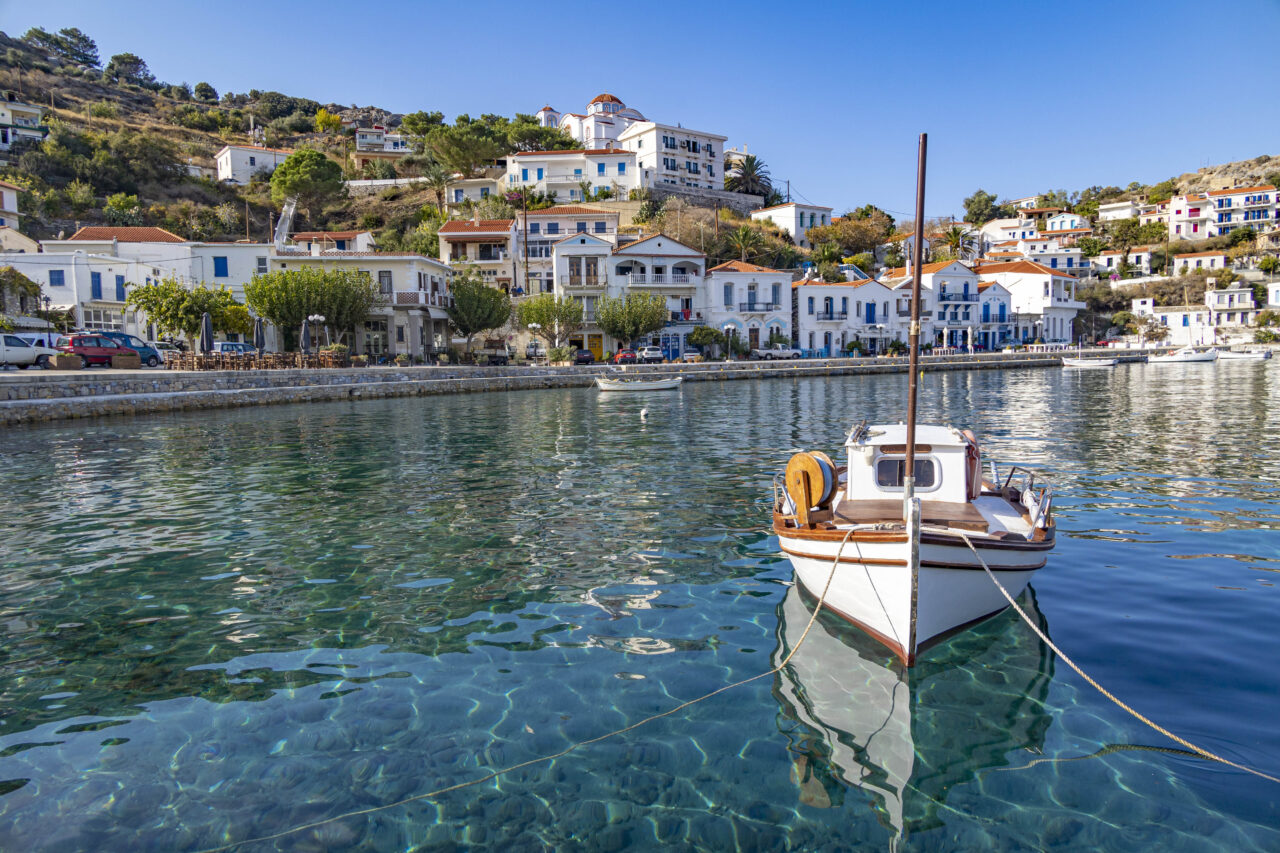
I often find myself pondering the mysteries of longevity. What makes some people thrive well into their centenary while others seem to struggle with basic vitality? The story of Stamatis Moraitis, a Greek immigrant who defied all odds, draws me in. Diagnosed with lung cancer at 53 and given only nine months to live, he made a choice that would change the course of his life: he returned to Ikaria, Greece, where family and community enveloped him. Years rolled into decades as Moraitis not only survived but flourished—outliving his prognosis by nearly half a century.
When he passed away, somewhere between 98 and 102 years old (as if the exact number mattered in such a beautiful place), I wonder how many lives he inspired simply by living well surrounded by loved ones. It’s remarkable how the lush landscapes of Ikaria contributed not just to his longevity but perhaps even to his quality of life during those extra years. Moraitis’ existence was more than an exception—it became emblematic of what researcher Dan Buettner calls “Blue Zones,” regions worldwide where people routinely live beyond 100 years.
Unpacking Blue Zones
Buettner identified five primary Blue Zones: the Nicoya Peninsula in Costa Rica, Sardinia in Italy, Ikaria in Greece, Okinawa in Japan, and Loma Linda in California. These areas share astonishingly high numbers of centenarians—ten times greater than expected when compared with similar populations in the U.S.—and they surpass the global average life expectancy, which hovers around 71.4 years.
But what is it about these places that cultivates such long lives? As I read through Buettner’s findings, I was struck by five common threads woven into the fabric of life in these communities:
- Diet: Predominantly plant-based meals filled with vegetables, legumes, grains—and minimal meat. Imagine sitting down for dinner surrounded by vibrant colors on your plate that reflect both health and sustainability.
- Physical activity: It’s not about hitting the gym; it’s integrated into daily routines. Walking along scenic paths or tending gardens feels less like exercise and more like enjoying life as it unfolds.
- Social connections: Deep familial ties and strong community networks serve as lifelines for emotional support—a reminder that we are never truly alone.
- A sense of purpose: Known as “ikigai” in Japanese culture or simply “reason for living,” having this intrinsic motivation can transform our outlook on each day.
- Stress reduction: Simple joys—meditating under trees or sharing laughter over meals—help manage stress levels significantly better than many fast-paced urban environments permit.
I can’t help but imagine what daily life must feel like within these nurturing ecosystems—the slow rhythm marked by communal rituals instead of hurried clocks ticking down deadlines. Maybe that’s why Moraitis thrived; he was immersed in an environment crafted around healthy living without ever feeling pressured to chase after wellness itself.
The Other Side: Red Zones
This brings me to consider another side—the so-called “red zones,” where conditions starkly contrast those found within Blue Zones. In neighborhoods characterized by food deserts and unsafe environments underscored by systemic inequities—often places occupied predominantly by people of color—the chances for healthy aging diminish drastically.
This reality hit home when reading Dr. Megan Sandel’s observations about Boston neighborhoods: affluent areas like Back Bay boast an impressive average life expectancy near 91.6 years while nearby Roxbury struggles with just 68.8 years—a staggering gap merely spanning two miles.
I wonder how many vibrant lives could be lived if access to resources were equitable? How does one reconcile thriving communities juxtaposed against those relegated to enduring chronic stress due merely to their postal code? To be fair, historical policies such as redlining have exacerbated these disparities through generations—impacting opportunities for health even before birth—which is why advocates like Dr. Sandel champion concentrated investments toward specific zip codes seeking transformation rather than mere survival.
A Path Forward
The beauty lies not solely within discovering what makes a Blue Zone unique; it also pushes us towards understanding how environmental factors shape our fate concerning health and longevity across diverse communities. Addressing root causes requires systemic change—ensuring clean air and water access alongside natural spaces designed for physical activity must become priorities woven into policies aimed at healing inequalities across generations.
“In Blue Zones, people don’t try to be healthy—they just live in environments that make healthy living easy.” — Dan Buettner
This sentiment lingers with me long after closing Buettner’s book; perhaps therein lies one answer wrapped neatly alongside another question about my own aging journey: What if we sought out ways to cultivate environments conducive to longevity right here at home? Maybe our focus shouldn’t rest solely on adding years—but enriching them profoundly instead?
Written for Aging Decoded – The Future of Health News, One Story at a Time.