


The Truth About RF Microneedling: A Candid Reflection
Understanding RF Microneedling
Recently, I’ve been diving into the world of skin rejuvenation and came across something that piqued my interest: RF microneedling. The U.S. Food and Drug Administration has sounded the alarm about serious complications associated with this treatment, including burns, scarring, fat loss, disfigurement, and nerve damage. These warnings are a wake-up call for anyone considering this dermatologic procedure as a way to treat wrinkles or improve skin texture.
Navigating the Procedure
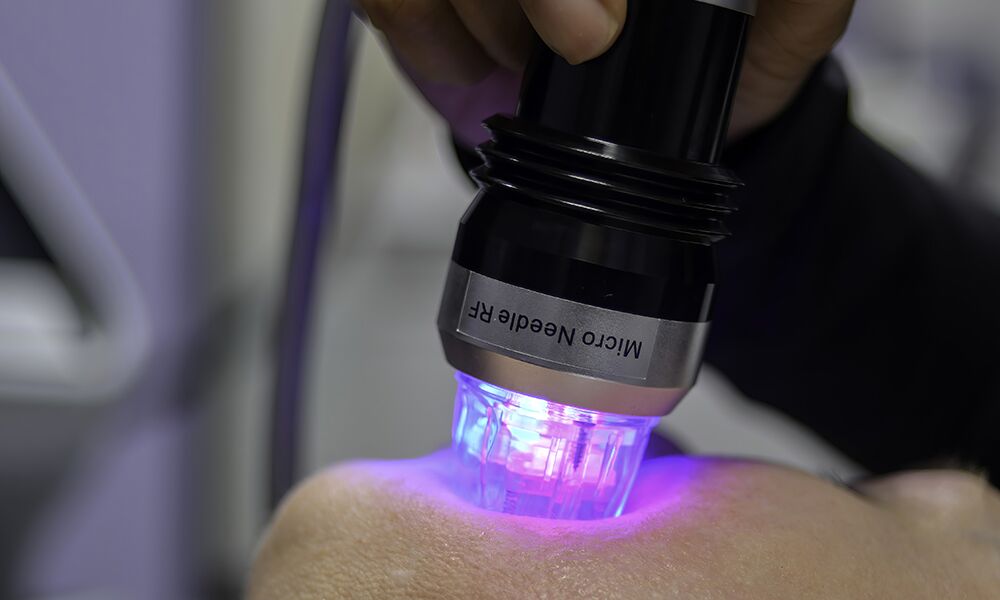
I’ll admit it; I used to believe that anything labeled “high-tech” was inherently safe or effective. RF microneedling combines two technologies—microneedles and radiofrequency energy—to deliver heat to the deeper layers of the skin. Don’t get me wrong; there are definite advantages over traditional laser treatments and chemical peels in terms of downtime and safety. But knowing what I know now, I can’t shake off that feeling of caution.
This technique intrigues me because it allows for precision targeting while measuring temperature within the tissue. It’s almost like having a high-tech skincare tool in your hands—one that promises tighter pores and smoother skin. However, embarking on such a journey requires careful consideration.
The Science Behind It
The science is fascinating: radiofrequency creates oscillating electrical currents that vibrate charged molecules within our skin. This process generates heat and causes changes in tissue at various depths. But here’s where it gets tricky—its effectiveness largely hinges on several factors such as hydration levels, collagen presence, and even electrolyte content in our skin.
Sourcing Expertise
If you’re thinking about trying RF microneedling, here’s my advice based on thorough research—and perhaps a few too many late nights spent scrolling through forums: consult with someone who truly knows what they’re doing—a licensed healthcare provider with specialized training in this device’s use. Letting an inexperienced individual handle your precious facial canvas could lead to unintended consequences.
I remember my first visit to a dermatologist when I considered starting an aesthetic routine; she took her time explaining every procedure rather than just selling me something flashy. That trust led me down a path where scientific backing married beautifully with self-care routines.
A Word of Caution
The FDA warns against using these devices at home since they require medical expertise—a fact I’ve come to deeply respect after hearing horror stories from friends who tried DIY beauty hacks gone awry (I still wince thinking about those). While RF microneedling devices are classified as Class II medical devices cleared by the FDA through their 510(k) process, that doesn’t mean we should dive headfirst without understanding potential risks.
“Navigating skincare is often more about self-discovery than following trends.”
The Market Evolution
A Shift Toward Safety
What strikes me most is how this recent warning may alter consumer habits moving forward—especially regarding thin tissues or high-risk areas like around our eyes or necks where delicate care is non-negotiable. As consumers become increasingly aware of potential complications associated with RF microneedling, we may see greater emphasis on clinical data supporting any treatment claimed benefits or safety measures taken during procedures.
I find myself reflecting on my own routine lately—the excitement around new products often overshadows what truly matters: informed choices grounded in personal health needs rather than fleeting beauty ideals or fads chasing perfectionism.
Final Thoughts
<pUltimately—whether it be via RF microneedling or any other cosmetic intervention—it helps to remember our skin tells stories written through life experiences etched over time; embracing imperfections leads us towards authenticity instead of mere aesthetics alone.
So next time you contemplate adding something new into your regimen—or even fantasize about those plump cheeks seen on Instagram—take pause.
Consider not only what looks good but also what feels right for you because true beauty lies not just in results but also within ourselves as we nurture self-acceptance alongside healing journeys ahead.
No sources included directly discussed above except general research insights from various dermatological literacy platforms.
Written for Aging Decoded – The Future of Health News, One Story at a Time.