


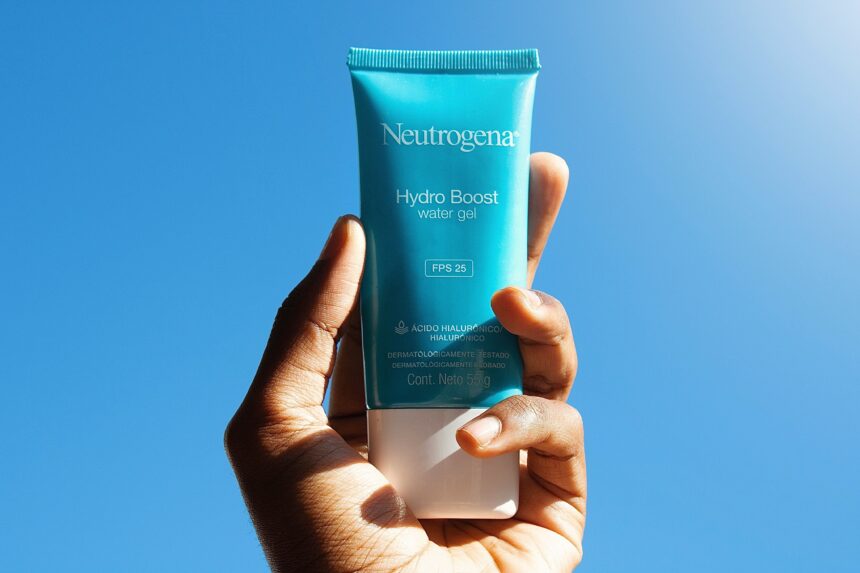
The sun is a double-edged sword. While it provides essential vitamin D and boosts our mood, its ultraviolet (UV) rays are a primary culprit behind visible signs of aging, like wrinkles, dark spots, and loss of firmness. For those navigating midlife and beyond, prioritizing sun protection isn’t about vanity; it’s about maintaining healthy, resilient skin and preventing further damage. At AgingDecoded, our “Skin & Healthy Aging” category is dedicated to empowering you with simple, evidence-informed routines that prioritize what truly matters. This goes beyond chasing fleeting “miracles.” We focus on foundational steps and powerful, yet gentle, ingredients that work synergistically to support your skin’s natural processes.
At the heart of any effective anti-aging strategy for mature skin is daily, non-negotiable sun protection. This is where the journey begins. Without a robust defense against UV radiation, any other efforts to improve skin texture, tone, or firmness are significantly undermined. The goal is to embrace a routine that is both effective and sustainable, one that nourishes your skin and respects its evolving needs.
It’s easy to underestimate the daily impact of the sun. We often associate sunburns with holidays, but even casual, everyday exposure without protection contributes to premature aging. The cumulative damage from UV rays breaks down collagen and elastin – the proteins that give our skin its structure and suppleness. This leads to sagging, wrinkles, and a less even skin tone. For individuals in their 40s, 50s, and beyond, this damage is often already present, making proactive protection even more critical to prevent its worsening.
Understanding UV Rays and Their Impact
There are two main types of UV rays that reach our skin: UVA and UVB.
UVA Rays: The “Aging Rays”
These rays penetrate deeper into the skin, reaching the dermis where collagen and elastin reside. They are present year-round, even on cloudy days, and can pass through glass (making them a factor indoors and while driving). UVA rays are responsible for the gradual breakdown of our skin’s structural proteins, leading to:
- Wrinkles and Fine Lines: As collagen and elastin degrade, the skin loses its ability to bounce back, forming permanent creases.
- Loss of Firmness and Elasticity: The skin appears to sag and lose its youthful plumpness.
- Hyperpigmentation (Dark Spots): UVA rays can trigger melanocytes (pigment-producing cells) to produce excess melanin, leading to sun spots, age spots, and uneven skin tone.
- Increased Risk of Skin Cancer: While not the primary driver of sunburn, UVA rays also contribute to DNA damage, increasing the long-term risk of skin cancer.
UVB Rays: The “Burning Rays”
These rays are more intense and are the primary cause of sunburn. They primarily affect the outer layer of the skin (epidermis) and are strongest during the summer months and between 10 am and 4 pm. UVB rays also play a role in:
- Sunburn: The immediate redness, pain, and peeling associated with sun exposure.
- DNA Damage: Leading to cellular mutations that can develop into skin cancer over time.
- Contribution to Wrinkles and Skin Cancer: While UVA is the main culprit for aging, UVB also contributes to the overall aging process and significantly increases the risk of melanoma and other skin cancers.
The Importance of Broad-Spectrum Protection
This is where your sunscreen choice becomes vital. A “broad-spectrum” sunscreen is formulated to protect against both UVA and UVB rays. Look for this label on your product.
- SPF (Sun Protection Factor): This primarily measures protection against UVB rays – how long it takes for your skin to redden compared to unprotected skin. An SPF of 30 means you can theoretically stay in the sun 30 times longer without burning. However, this is a laboratory measure and doesn’t account for real-world application or reapplication.
- PA Rating (Protection Grade of UVA): Some international sunscreens use a PA rating (e.g., PA+++, PA++++) to indicate UVA protection. Higher PA ratings mean stronger UVA protection. While not universally adopted on US labels, broad-spectrum products are designed to cover this.
Daily Application: The Non-Negotiable Step
For mature skin, applying a broad-spectrum sunscreen with an SPF of 30 or higher is the single most important daily step. This should be applied generously to your face, neck, and the backs of your hands. These areas are frequently exposed and often show the earliest signs of sun damage.
- Face: Every single day, rain or shine, indoors or outdoors.
- Neck: The décolletage area is delicate and prone to showing signs of aging.
- Hands: The backs of your hands are constantly exposed and can reveal your age significantly if not protected.
Make it a habit: apply it after your moisturizer and before any makeup. Think of it as the final, protective layer.
When it comes to protecting aging skin from harmful UV rays, choosing the right sunscreen is essential. A recent article discusses the best sunscreens specifically formulated for mature skin, highlighting ingredients that not only shield against sun damage but also provide hydration and support skin elasticity. For more insights on this topic, you can read the article here: Best Sunscreen for Aging Skin.
Nourishing Your Skin Barrier: The Foundation of Resilience
Healthy aging skin relies on a strong, intact skin barrier. This barrier is your body’s first line of defense against environmental aggressors, and it plays a crucial role in retaining moisture and keeping irritants out. As we age, our skin’s natural ability to produce lipids and ceramides can decrease, making the barrier weaker and more susceptible to dryness, sensitivity, and inflammation. Supporting this barrier is key to healthier, more comfortable, and less reactive skin.
What is the Skin Barrier?
Imagine your skin cells as bricks and the lipids that surround them as the mortar. This lipid matrix, composed of ceramides, cholesterol, and fatty acids, is essential for holding those “bricks” together, preventing water loss (transepidermal water loss or TEWL), and protecting against external threats.
Signs of a Compromised Skin Barrier
- Dryness and Flakiness: The skin struggles to hold onto moisture.
- Sensitivity and Redness: The skin becomes more reactive to products and environmental factors.
- Itching: A common symptom of dryness and irritation.
- Rough Texture: The skin can feel uneven and less smooth.
- Increased Susceptibility to Breakouts: While counterintuitive, a damaged barrier can sometimes lead to breakouts as the skin tries to compensate for lost protection.
Ingredients That Support the Skin Barrier
When choosing sunscreens and other skincare products, look for ingredients known to bolster the skin barrier.
Ceramides
These are naturally occurring lipids that are vital components of the skin barrier. They help to seal in moisture and prevent irritation. Sunscreens formulated with ceramides can actively help to replenish these lost lipids, strengthening the barrier over time.
Fatty Acids and Cholesterol
Along with ceramides, these lipids are critical for maintaining the structure and function of the skin barrier. They work together to create a healthy, protective envelope around skin cells.
Hyaluronic Acid
While primarily known for its humectant properties (drawing moisture into the skin), hyaluronic acid also plays a role in supporting the skin barrier. By attracting and retaining water, it keeps the skin hydrated and plump, which is essential for optimal barrier function.
Niacinamide (Vitamin B3)
This versatile ingredient offers a multitude of benefits, including significant barrier-supporting properties. Niacinamide has been shown to increase the production of ceramides and other lipids in the skin, leading to a stronger, more resilient barrier. It also helps to reduce inflammation and improve skin redness, which are often linked to barrier dysfunction.
Sunscreens as Barrier Support
Many modern sunscreens are formulated not just for UV protection but also with skin-nourishing ingredients. When you choose a sunscreen that incorporates barrier-supporting ingredients, you’re essentially layering protection and repair into one step. This is particularly beneficial for mature skin, which often faces dryness and sensitivity. The act of daily sun protection, when done with a well-formulated product, can actively contribute to a healthier, more robust skin barrier.
Exploring Sunscreen Formulations: Finding Your Perfect Match

The world of sunscreens can feel overwhelming, with a plethora of options on the shelves. Foraging for the best sunscreen for aging skin involves understanding the different types and what makes them suitable for your specific needs. The goal is to find a formula that offers effective protection without feeling heavy, greasy, or irritating.
Chemical vs. Mineral Sunscreens: Key Differences
Both chemical and mineral sunscreens are effective at protecting your skin from UV rays, but they work in different ways.
Mineral Sunscreens (Physical Sunscreens)
These sunscreens use mineral active ingredients, primarily zinc oxide and titanium dioxide. They work by sitting on top of the skin and creating a physical barrier that blocks UV rays.
- Pros:
- Broad-spectrum protection: Both zinc oxide and titanium dioxide offer excellent UVA and UVB protection.
- Gentle: Generally well-tolerated by sensitive skin, as they don’t typically cause allergic reactions.
- Immediate protection: They start working as soon as they are applied.
- Less likely to clog pores: Often a good choice for acne-prone skin, although formulations vary.
- Cons:
- White cast: Historically, mineral sunscreens could leave a noticeable white cast, especially on deeper skin tones. However, modern micronized and nano-particle formulations have significantly reduced this issue, and many tinted options are available.
- Can feel thicker: Some formulations can feel heavier on the skin.
Chemical Sunscreens
These sunscreens use organic compounds that absorb UV rays and convert them into heat, which is then released from the skin. Common active ingredients include avobenzone, octinoxate, octisalate, and oxybenzone.
- Pros:
- Lighter texture: Often blend seamlessly into the skin with no white cast.
- Transparent: Generally invisible once applied.
- Variety of formulations: Available in many textures, from lotions to sprays.
- Cons:
- Absorption into the bloodstream: Some concerns have been raised about the absorption of certain chemical filters. Regulatory bodies are continually reviewing this.
- Potential for irritation: Some individuals may experience allergic reactions or breakouts with certain chemical filters.
- Require time to become effective: Need to be applied 15-20 minutes before sun exposure to allow the ingredients to form a protective layer.
Texture and Finish: What to Look For
For mature skin, the texture and finish of a sunscreen can significantly impact its wearability and how much you’ll actually use it.
- Lightweight Lotions and Serums: These are often ideal for daily wear, especially under makeup. They absorb quickly and don’t feel heavy or greasy.
- Hydrating Formulas: Look for sunscreens that are also moisturizing, containing ingredients like hyaluronic acid or glycerin. This can help combat dryness without needing a separate moisturizing sunscreen.
- Matte vs. Dewy Finish: Consider your skin type. If you have oily skin, a matte finish might be preferable. If you have dry skin or prefer a radiant look, a dewy finish could be more appealing. Many “anti-aging” sunscreens aim for a natural, healthy glow.
- Tinted Options: Tinted sunscreens can be a fantastic way to combine sun protection with light coverage, evening out skin tone and minimizing the appearance of redness or pigmentation. They can also help to disguise any slight white cast from mineral filters.
Sunscreens with Added Benefits: More Than Just Protection
Many brands now offer sunscreens that go beyond UV protection, incorporating active anti-aging ingredients. This can streamline your routine and maximize benefits.
Sunscreens with Antioxidants (Vitamin C, Vitamin E)
Antioxidants help to neutralize free radicals generated by UV exposure and pollution. When combined with a sunscreen, they offer a synergistic defense against skin damage. Look for formulations that include vitamin C or vitamin E.
Sunscreens with Hyaluronic Acid or Ceramides
As discussed, these ingredients reinforce the skin barrier and boost hydration, making them excellent additions to sunscreens for dry or compromised skin.
Sunscreens with Niacinamide
Niacinamide’s anti-inflammatory properties and barrier-strengthening capabilities make it a valuable ingredient in sunscreens for mature skin, helping to soothe and improve overall skin health.
Proven Actives for Aging Skin: Targeted Treatments

While sun protection is the undisputed king of anti-aging, incorporating a few well-chosen active ingredients can further address specific concerns like texture irregularities, dark spots, and fine lines. The key is to introduce these actives gently and consistently, always prioritizing skin barrier health.
Retinoids: The Gold Standard
Retinoids, derived from Vitamin A, are arguably the most researched and effective ingredients for combating aging. They work by increasing cell turnover, stimulating collagen production, and unclogging pores.
How They Work
- Increased Cell Turnover: They encourage older, damaged skin cells to shed, revealing newer, healthier cells underneath. This helps to improve skin texture and reduce the appearance of fine lines.
- Collagen Stimulation: They signal fibroblasts in the skin to produce more collagen, which is essential for skin firmness and elasticity.
- Unclogging Pores: They can help to prevent and treat breakouts by keeping pores clear.
Types of Retinoids
- Retinol: The most common over-the-counter retinoid. It’s a precursor that the skin converts into retinoic acid.
- Retinaldehyde (Retinal): A more potent form of retinol that converts to retinoic acid in one step, making it faster-acting and more effective, but also potentially more irritating.
- Prescription Retinoids (Tretinoin, Adapalene): These are much stronger and require a dermatologist’s prescription. They are highly effective but come with a higher risk of irritation, dryness, and peeling.
How to Use Retinoids
- Start Low and Slow: Begin with a low concentration (e.g., 0.1% to 0.3% retinol) and use it only 1-2 times per week.
- Apply at Night: Retinoids can make your skin more sensitive to the sun, so it’s best to use them in your evening routine. Always apply sunscreen diligently in the morning.
- Buffer if Necessary: Apply your moisturizer first, let it absorb, then apply your retinoid to reduce potential irritation.
- Watch for Irritation: Redness, dryness, peeling, and stinging are common side effects, especially when starting. If they are persistent or severe, reduce frequency or consult your dermatologist.
- Retinoids and Sun Protection: Retinoids thin the skin’s outer layer temporarily, making sun protection even more critical.
Vitamin C: The Illuminator and Protector
Vitamin C is a potent antioxidant that plays a crucial role in collagen synthesis and protecting the skin from environmental damage.
How It Works
- Antioxidant Power: It neutralizes free radicals caused by UV radiation, pollution, and other environmental stressors, preventing cellular damage that leads to aging.
- Collagen Production: It’s a necessary cofactor for the enzymes that synthesize collagen, helping to improve skin firmness and reduce wrinkles.
- Brightening Agent: It can inhibit melanin production, helping to fade dark spots and improve overall skin radiance.
Types of Vitamin C
- L-Ascorbic Acid: The most potent and widely studied form, but also the most unstable and prone to oxidation. Look for formulas with L-ascorbic acid at concentrations of 8-20%.
- Derivatives: Less potent but more stable alternatives, such as sodium ascorbyl phosphate or magnesium ascorbyl phosphate.
How to Use Vitamin C
- Apply in the Morning: Its antioxidant properties are best utilized during the day to protect against environmental aggressors.
- After Cleansing, Before Moisturizer/Sunscreen: Apply to clean, dry skin.
- Look for Stable Formulations: Vitamin C degrades when exposed to light and air. Opaque packaging and lower pH formulations help maintain stability.
Niacinamide: The Multi-Tasker
Niacinamide, a form of Vitamin B3, is a true powerhouse ingredient that offers a wide array of benefits for mature skin.
How It Works
- Barrier Support: As mentioned, it enhances ceramide production, strengthening the skin barrier and reducing moisture loss.
- Anti-Inflammatory: It helps to calm redness and irritation, making it ideal for sensitive or reactive skin.
- Pore Minimization: It can help to regulate oil production and reduce the appearance of enlarged pores.
- Hyperpigmentation Improvement: It can inhibit melanosome transfer, helping to fade dark spots and improve overall skin tone.
- Fine Line Reduction: Some studies suggest it can help improve the appearance of fine lines and wrinkles by boosting skin elasticity.
How to Use Niacinamide
- Versatile: Can be used in the morning and/or evening.
- Well-Tolerated: Generally very well-tolerated, even at higher concentrations (up to 10%).
- Can Be Combined: Plays well with most other active ingredients, including retinoids and vitamin C.
AHAs (Alpha Hydroxy Acids): The Exfoliators
AHAs are a group of acids that exfoliate the skin by dissolving the bonds between dead skin cells. This reveals brighter, smoother skin underneath.
How They Work
- Exfoliation: They gently loosen and shed dead skin cells from the surface, improving skin texture and tone.
- Hydration: AHAs like lactic acid can also attract and hold moisture, contributing to skin hydration.
- Collagen Stimulation: Some AHAs can stimulate collagen production over time.
Common AHAs
- Glycolic Acid: The smallest AHA molecule, allowing it to penetrate deeply. Highly effective for exfoliation and stimulating collagen. Can be more potent and potentially irritating for some.
- Lactic Acid: A larger molecule that exfoliates more gently and also has hydrating properties. A good starting point for those with sensitive skin.
- Mandelic Acid: The largest AHA molecule, making it the gentlest and best suited for sensitive or darker skin tones as it’s less likely to cause post-inflammatory hyperpigmentation.
How to Use AHAs
- Start Slowly: Introduce AHAs 1-2 times per week, preferably in the evening.
- Alternate with Retinoids: Avoid using AHAs and retinoids on the same night, especially when starting, to prevent over-exfoliation and irritation.
- Listen to Your Skin: If you experience significant redness, stinging, or peeling, reduce frequency or discontinue use.
- Sun Protection is Crucial: AHAs make your skin more sensitive to the sun. Daily sunscreen application (SPF 30+) is non-negotiable.
When it comes to protecting aging skin from harmful UV rays, choosing the right sunscreen is essential for maintaining a youthful appearance. A recent article discusses the best sunscreens specifically formulated for mature skin, highlighting ingredients that not only shield against sun damage but also promote hydration and elasticity. For more insights on this topic, you can check out the article on sunscreen options for aging skin. By selecting a product that caters to your skin’s unique needs, you can help preserve its health and vitality for years to come.
Lifestyle Factors: Supporting Your Skin from Within
| Sunscreen Brand | SPF | Broad Spectrum | Water Resistant | Anti-Aging Ingredients |
|---|---|---|---|---|
| La Roche-Posay Anthelios | 50+ | Yes | 80 minutes | Vitamin E, Cell-Ox Shield |
| Neutrogena Age Shield | 70 | Yes | 80 minutes | Helioplex, Retinol |
| EltaMD UV Clear | 46 | Yes | 40 minutes | Niacinamide, Hyaluronic Acid |
While topical skincare is essential, a holistic approach to healthy aging recognizes the profound impact of lifestyle choices on our skin’s appearance and health. What you do outside of your skincare routine can significantly influence your skin’s resilience, radiance, and ability to repair itself.
The Pillars of Internal Well-being
Sleep: The Ultimate Repair Phase
“Beauty sleep” isn’t just a myth. During sleep, your body undergoes crucial repair processes, including skin regeneration and cell turnover. Chronic sleep deprivation can impair these processes, leading to:
- Increased Inflammation: Making skin more prone to redness and sensitivity.
- Reduced Collagen Production: Contributing to the formation of fine lines and wrinkles.
- Impaired Barrier Function: Leading to dryness and a dull complexion.
Aim for 7-9 hours of quality sleep per night. Establish a relaxing bedtime routine and try to maintain a consistent sleep schedule, even on weekends.
Stress Management: The Silent Agitator
Chronic stress releases cortisol, a hormone that can wreak havoc on your skin. Elevated cortisol levels can:
- Break Down Collagen and Elastin: Accelerating the aging process.
- Disrupt the Skin Barrier: Leading to increased dryness and susceptibility to irritants.
- Worsen Inflammatory Conditions: Such as acne, rosacea, and eczema.
Find healthy ways to manage stress: This could include meditation, yoga, deep breathing exercises, spending time in nature, or engaging in hobbies you enjoy.
Diet: Fueling Your Glow
Your diet directly impacts your skin’s health and appearance.
- Antioxidant-Rich Foods: Fruits and vegetables (berries, leafy greens, citrus) are packed with antioxidants that combat free radical damage.
- Healthy Fats: Omega-3 fatty acids found in fish, flaxseeds, and walnuts are essential for maintaining a healthy skin barrier and reducing inflammation.
- Lean Proteins: Provide the building blocks for collagen and elastin.
- Hydration: Drinking plenty of water keeps skin cells plump and functioning optimally.
Limit processed foods, excessive sugar, and refined carbohydrates, which can contribute to inflammation and glycation (a process that damages collagen).
Alcohol: The Dehydrator and Inflamer
While moderate consumption might be acceptable for some, excessive alcohol intake can negatively affect skin health.
- Dehydration: Alcohol is a diuretic, leading to significant skin dehydration.
- Inflammation: It can trigger inflammatory responses, exacerbating redness and sensitivity.
- Nutrient Depletion: It can interfere with the absorption of essential nutrients vital for skin health.
Moderation is key. If you choose to drink, ensure you rehydrate adequately with water.
Smoking: A Predictable Path to Premature Aging
Smoking is one of the most damaging lifestyle choices for your skin.
- Vasoconstriction: Nicotine constricts blood vessels, reducing the flow of oxygen and nutrients to the skin.
- Free Radical Damage: Cigarette smoke contains thousands of chemicals that generate immense free radical damage.
- Collagen and Elastin Breakdown: Smoking significantly accelerates the breakdown of collagen and elastin, leading to deep wrinkles, sagging, and a leathery texture.
- Delayed Healing: Wounds and skin damage take longer to heal.
Quitting smoking is one of the most impactful things you can do for your overall health and skin.
When it comes to protecting aging skin from harmful UV rays, selecting the right sunscreen is essential for maintaining a youthful appearance. A recent article discusses the best sunscreen options specifically formulated for mature skin, highlighting ingredients that not only shield against sun damage but also provide hydration and support skin elasticity. For more insights on this topic, you can read the full article here. Prioritizing sun protection can significantly enhance your skincare routine and help combat the visible signs of aging.
Realistic Expectations and When to See a Dermatologist
As we embrace healthy aging, it’s essential to cultivate realistic expectations about what skincare can achieve. The goal is not to erase every line and spot, but to promote healthy, resilient, and comfortable skin that reflects your vitality.
The Journey of Healthy Aging Skin
- Focus on Support, Not Erasure: Our approach prioritizes strengthening the skin barrier, protecting it from damage, and providing nourishment. This leads to healthier, more vibrant skin, not a perfect, wrinkle-free facade.
- Consistency is Key: Dramatic results are rarely achieved overnight. Adhering to a consistent routine, even a simple one, will yield far more significant and sustainable improvements than sporadic, aggressive treatments.
- Embrace Your Skin’s Evolution: Aging is a natural process. Our routines should support, not fight, this evolution. The goal is to age gracefully with healthy, well-maintained skin.
- Avoid Miracle Claims: Be wary of products that promise instantaneous transformations. True skin improvement takes time and consistent effort.
When to Seek Professional Guidance
While a solid at-home routine can work wonders, there are crucial times when consulting a dermatologist is not just recommended, but essential.
Suspicious Spots
- New Moles or Changes: Any new moles that appear, or existing moles that change in size, shape, color, border, or start to itch or bleed, should be evaluated by a dermatologist.
- Non-Healing Sores: Any persistent sores or lesions that don’t heal within a few weeks.
- Unusual Growths: Any unusual skin growths that concern you.
Dermatologists are trained to identify and treat skin cancers early, which is critical for successful outcomes.
Starting Stronger Treatments
- Prescription-Grade Retinoids: As mentioned, prescription retinoids like tretinoin are powerful and require medical guidance to manage potential side effects and ensure safe usage.
- In-Office Procedures: If you’re considering treatments like chemical peels, laser therapy, or injectables, a dermatologist can assess your suitability and recommend the safest and most effective options for you.
- Persistent Skin Concerns: If you’re experiencing ongoing issues that your current routine isn’t addressing, such as severe dryness, persistent acne, or significant hyperpigmentation, a dermatologist can diagnose the underlying cause and offer targeted solutions.
Your dermatologist is your partner in achieving and maintaining healthy, aging skin. Don’t hesitate to reach out to them for personalized advice and care. Remember, the best anti-aging strategy is a comprehensive one that combines meticulous sun protection, targeted nourishment, and a healthy lifestyle, all guided by realistic expectations and professional expertise.
FAQs
What is the best sunscreen for aging skin?
The best sunscreen for aging skin is one that offers broad-spectrum protection against both UVA and UVB rays, has a high SPF of 30 or higher, and contains additional anti-aging ingredients such as antioxidants and peptides.
What are the key ingredients to look for in a sunscreen for aging skin?
Key ingredients to look for in a sunscreen for aging skin include zinc oxide or titanium dioxide for physical sun protection, antioxidants such as vitamin C and E to neutralize free radicals, and peptides to help improve the appearance of fine lines and wrinkles.
How often should sunscreen be applied for aging skin?
Sunscreen for aging skin should be applied at least 15 minutes before sun exposure and reapplied every 2 hours, or immediately after swimming or sweating. It is important to apply sunscreen daily, even on cloudy days, as UV rays can still penetrate through clouds.
Can sunscreen help prevent signs of aging?
Yes, sunscreen can help prevent signs of aging such as wrinkles, fine lines, and age spots by protecting the skin from the damaging effects of UV radiation. Regular use of sunscreen can also help maintain the skin’s firmness and elasticity.
Are there any specific recommendations for sunscreen for aging skin?
Some specific recommendations for sunscreen for aging skin include La Roche-Posay Anthelios Melt-in Milk Sunscreen, EltaMD UV Clear Broad-Spectrum SPF 46, and Supergoop! Unseen Sunscreen Broad Spectrum SPF 40. It is important to choose a sunscreen that suits your skin type and preferences.