


Reflections on Fasting During Ramadan: A Cancer Survivor’s Journey
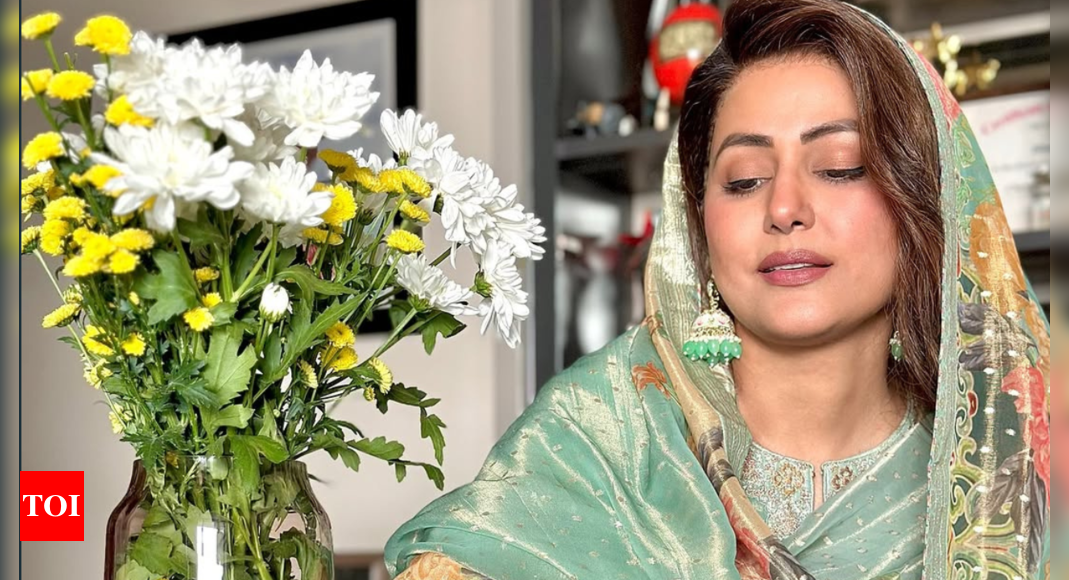
Ramadan—a month of fasting, reflection, and spiritual growth. For many Muslims around the world, it’s a sacred time marked by discipline and devotion. As I join my fellow believers in this holy observance, I can’t help but reflect on what it means to fast as a cancer survivor. Just recently, actress Hina Khan made headlines for her emotional journey through cancer recovery while also participating in Ramadan fasting. Her story resonated with me deeply; it raised questions about how such a commitment can impact our health—particularly for those of us still navigating the aftershocks of illness.
The act of fasting is not just about abstaining from food and drink; it’s an intricate dance between physical restraint and spiritual fulfillment. And yet, as we embark on this sacred journey, the question looms large: Is fasting advisable for those recovering from cancer? Can we reconcile the spiritual benefits of fasting with the physical realities that come from battling a disease that takes so much from us?
The Two Sides of Fasting: A Personal Exploration
Fasting during Ramadan brings both challenges and rewards—it’s a complex interplay that varies dramatically depending on one’s current health status and medical history. When I underwent treatment, my body bore the brunt of relentless treatments like chemotherapy and radiation. Recovery felt like climbing an uphill mountain; every step forward was met with fatigue or nausea. The idea of surrendering more energy through fasting felt daunting at times.
I remember lying in bed one afternoon—a kind of haze enveloping me—and contemplating what ‘wellness’ even meant anymore. Was I truly healing if I pushed myself into another challenge? Despite this uncertainty, experts like Dr. Neeraj Dhingra point out some fascinating benefits that accompany fasting: improved mental clarity and detoxification effects are often touted as significant advantages to overall well-being.
“Fasting promotes lower levels of inflammation along with enhanced metabolic health,” says Dr. Dhingra.
This knowledge stirred something within me. Could there be something almost liberating about experiencing hunger in a spiritual context? It seemed paradoxical but enticing—offering peace amidst chaos.
Navigating Risks Along This Path
But let’s not sugarcoat things; there are inherent risks associated with fasting that shouldn’t be ignored—especially for cancer survivors like myself who already face unique vulnerabilities during recovery periods.
I’ve learned firsthand how quickly dehydration can creep up when you’re focused solely on getting through each day post-treatment. Our bodies aren’t just resilient; they’re fragile too—especially after undergoing extensive therapies that disrupt fluid balance and digestive functions. Throwing prolonged periods without food into the mix feels reckless at best.
If you’ve recently had surgery or have an immune system still trying to find its footing post-cancer treatment, you might find yourself wrestling with mixed feelings about participating fully in Ramadan traditions due to potential complications arising from either low blood sugar or chronic fatigue.
A Cautious Approach: Recommendations for Survivors
If you’re reading this and considering joining your community in observing Ramadan while recovering from cancer, please remember to prioritize your health above all else! Here are some practical recommendations:
- Consult Your Doctor: Don’t hesitate to reach out for medical advice regarding whether or not fasting is safe based on your individual condition—and trust their guidance!
- Prioritize Hydration: The temptation may be strong to adhere strictly to traditional practices; however, staying properly hydrated should take precedence over following rules blindly.
- Your Health Comes First: If complete fasting feels unattainable right now due to your current state, consider time-restricted eating instead—maybe even intermittent fasts would work better for you!
- Nutrient-Dense Foods: Plan nourishing meals filled with lean proteins and fresh fruits & veggies during Suhoor (pre-dawn meal) and Iftar (meal after sunset). Your body requires these nutrients more than ever!
- Pace Yourself: Listen carefully to what your body tells you throughout this process…
Meditate on Recovery
The beauty of Ramadan lies not just within rituals but the deep introspection it demands as well—the chance we have at renewal each year beckons us toward understanding ourselves better amidst life’s storms! Perhaps I’m being naive here… maybe there’s no perfect answer when balancing faith commitments alongside recovery needs—but isn’t exploration part of our resilience? Perhaps every choice allows room for growth even if it doesn’t yield immediate clarity.
No sources cited directly but influenced by personal experiences alongside expert opinions shared by healthcare professionals actively supporting survivors’ journeys toward reclaiming their lives post-cancer treatment
Written for Aging Decoded – The Future of Health News, One Story at a Time.