


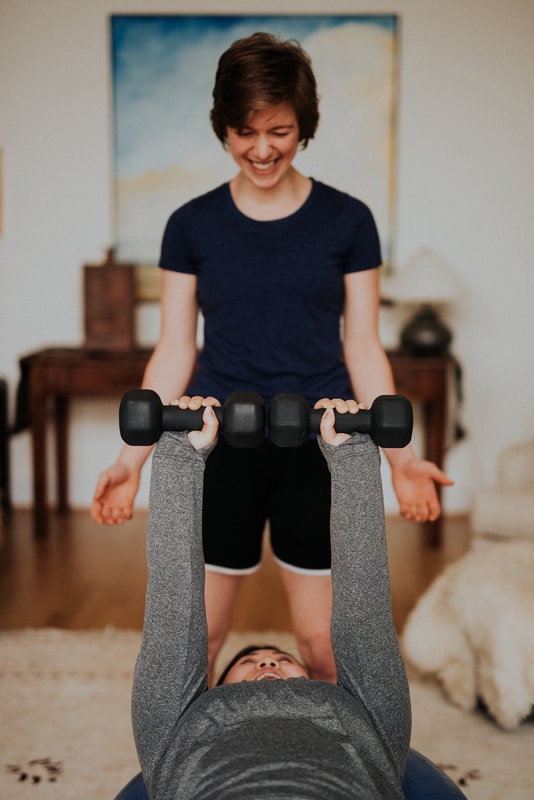
The Rising Importance of Injury Prevention and Rehabilitation in Our Lives
As a private fitness instructor who has witnessed the evolution of health and wellness, I can confidently say that the demand for injury prevention and rehabilitation services is on the rise. More individuals are awakening to the reality that proactive health management is not just beneficial—it’s necessary. Participating in fitness activities has become a norm, especially as we age and come to understand how our bodies move (or don’t). So, why are we waiting until injuries happen before taking action?
Understanding Proactive Health Management
I remember when my mother started experiencing knee pain after her morning walks. She loved those walks; they were her form of meditation. But instead of addressing it early, she waited until she couldn’t walk without discomfort. That led to multiple doctor visits, physical therapy sessions, and a slew of frustration that could have been avoided with some preventive care.
It’s moments like these that spark my passion for injury prevention. It’s about so much more than just avoiding pain; it’s about maintaining an active lifestyle full of joy and movement. In Portland, OR, I’ve dedicated my career to developing customized programs targeting muscle imbalances and poor posture before they escalate into something worse. It’s like being a detective—uncovering clues in your movement patterns so you can correct them before they lead down a painful path.
The Power of Targeted Exercise Routines
Lisa Stein is one such trainer who embodies this philosophy beautifully; she emphasizes that “prevention is always more effective than treatment.” When I first heard this from her during one of our workshops, it struck me hard—a simple statement but so profound! Identifying faulty movement early gives us the power to circumvent injuries that disrupt our lives emotionally and financially.
But what happens when prevention isn’t enough? What if you’re reading this while nursing an injury? The daunting road ahead may seem overwhelming—trust me, I’ve been there too.
Navigating Post-Injury Rehabilitation
The journey through rehabilitation requires specialized knowledge—a roadmap through uncharted territory where every step feels precarious. Recovery isn’t simply about regaining strength; it’s about carefully paving your way back without stumbling again into old habits or wounds.
Working at home offers unique advantages during this time: no distractions from fellow gym-goers or judgmental stares while you awkwardly modify exercises based on your comfort level or pain responses. I can recall a particularly challenging moment when I was recovering from knee surgery—I felt vulnerable trying to navigate exercises alongside strangers who appeared effortlessly strong and capable.
A Tailored Approach Makes All the Difference
This vulnerability reinforces why personalized fitness training provides immense value for individuals recovering from surgeries or chronic conditions. A good personal trainer can modify your program based on real-time feedback regarding how you feel physically and emotionally—which makes all the difference in building resilience over time.
“Mindful movement creates lasting change beyond just physical recovery.”
I often weave mindfulness into my sessions—encouraging clients to connect their breath with their movements—to cultivate body awareness during each exercise routine. It sounds simple but let me tell you: tapping into that connection helps ground us in ways we often overlook amidst our busy lives.
The Holistic Benefit of Integrative Training
Herein lies the beauty of combining strength training with things like yoga or flexibility work—a blend tailored perfectly by someone like Lisa Stein! She integrates balance techniques while ensuring stress reduction strategies complement traditional workouts—all vital elements surrounding recovery success!
So why not embrace these holistic approaches as part of our healing journeys?
Your Unique Path Towards Resilience
If you’re navigating an injury right now—or even if you’re looking towards preventing one—I invite you to explore what personalized training can do for you: imagine working closely with someone who understands not just exercises but also incorporates emotional support along every step toward healing! We all have different definitions of recovery; perhaps yours includes finding joy in rediscovering movement after hardship has held you back for too long.
You deserve confidence again—not only physically but mentally as well because feeling supported throughout your journey makes all the difference between merely existing versus thriving here on Earth!
Visit EVOLVE Integrative Personal Training.
Written for Aging Decoded – The Future of Health News, One Story at a Time.