


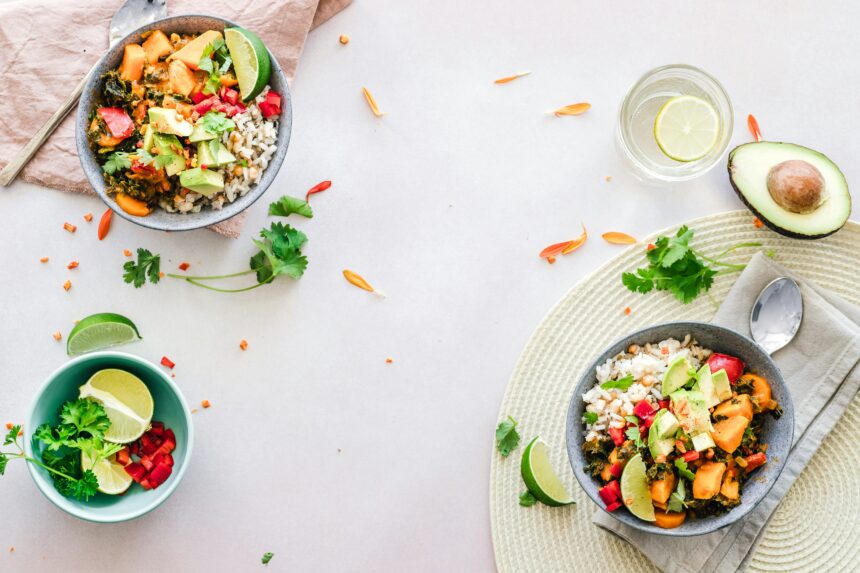
The concept of a longevity diet has gained significant attention in recent years, particularly as more individuals seek ways to enhance their health and well-being as they age. This diet is not merely a collection of foods but rather a holistic approach to eating that emphasizes nutrient-dense, whole foods that support overall health. Rooted in the dietary patterns of regions known for their high life expectancy, such as the Mediterranean and Blue Zones, the longevity diet focuses on incorporating a variety of vegetables, fruits, legumes, whole grains, nuts, seeds, and healthy fats. These foods are rich in antioxidants, vitamins, and minerals that can help combat inflammation and promote optimal bodily functions.
At its core, the longevity diet encourages mindful eating habits that prioritize quality over quantity. By choosing foods that are minimally processed and low in added sugars, individuals can nourish their bodies while also enjoying flavorful meals. This approach not only supports physical health but also fosters a positive relationship with food. As we explore various recipes and meal ideas throughout this article, we will highlight how these dishes can contribute to healthy aging by supporting brain function, heart health, gut health, and overall vitality.
For those interested in exploring the connection between diet and longevity, a fascinating article can be found at Aging Decoded. This resource delves into various recipes and dietary practices that promote a longer, healthier life, highlighting the importance of nutrition in aging gracefully. By incorporating these longevity diet recipes into your daily routine, you can take proactive steps towards enhancing your overall well-being and vitality.
Breakfast Recipes for Longevity
Starting the day with a nutritious breakfast sets a positive tone for healthy eating throughout the day. One delightful option is a Mediterranean-inspired oatmeal bowl. Begin by cooking rolled oats in water or almond milk until creamy. Top with a handful of fresh berries, a sprinkle of chia seeds, and a drizzle of honey or maple syrup for sweetness. The combination of whole grains and antioxidant-rich fruits provides sustained energy while supporting heart health and digestion.
Another fantastic breakfast idea is a vegetable-packed frittata. Whisk together eggs with a splash of milk and season with salt and pepper. Sauté a mix of colorful vegetables such as spinach, bell peppers, and tomatoes in olive oil until tender. Pour the egg mixture over the veggies and cook until set. This protein-rich dish is not only satisfying but also loaded with vitamins and minerals that promote brain health and muscle maintenance.
Lunch Recipes for Longevity

For lunch, consider preparing a vibrant quinoa salad that is both filling and nutritious. Cook quinoa according to package instructions and let it cool. In a large bowl, combine the quinoa with diced cucumbers, cherry tomatoes, red onion, and parsley. Drizzle with olive oil and lemon juice for a refreshing dressing. This salad is rich in plant-based protein and fiber, making it an excellent choice for gut health while providing essential nutrients that support overall well-being.
Another great lunch option is a hearty lentil soup. Start by sautéing onions, garlic, and carrots in olive oil until softened. Add rinsed lentils, vegetable broth, diced tomatoes, and your choice of herbs such as thyme or bay leaves. Simmer until the lentils are tender. This comforting soup is not only easy to prepare but also packed with protein and fiber, making it an ideal meal for maintaining energy levels throughout the day.
Dinner Recipes for Longevity

As the day winds down, a nourishing dinner can be both satisfying and beneficial for health. One delicious option is baked salmon with roasted vegetables. Season salmon fillets with lemon juice, garlic, and herbs like dill or rosemary before baking them in the oven. Serve alongside a medley of roasted seasonal vegetables such as Brussels sprouts, carrots, and sweet potatoes drizzled with olive oil. This meal is rich in omega-3 fatty acids from the salmon, which are known to support heart health and cognitive function.
Another delightful dinner idea is a stir-fry featuring tofu or chicken with an array of colorful vegetables. Start by marinating your protein choice in soy sauce or tamari mixed with ginger and garlic. Stir-fry broccoli, bell peppers, snap peas, and carrots in sesame oil until crisp-tender. Add the marinated protein to the pan and cook until heated through. Serve over brown rice or whole grain noodles for a complete meal that provides essential nutrients while being easy to prepare on busy evenings.
If you’re interested in exploring more about longevity diet recipes, you might find this insightful article on various dietary approaches to promoting a longer life quite helpful. It discusses the principles behind these diets and offers practical tips for incorporating them into your daily routine. To read more, check out the article on diets that can enhance your well-being and longevity.
Snack Recipes for Longevity
| Recipe Name | Main Ingredients | Calories per Serving | Preparation Time |
|---|---|---|---|
| Quinoa Salad | Quinoa, mixed vegetables, olive oil | 250 | 20 minutes |
| Salmon with Steamed Vegetables | Salmon, broccoli, carrots | 300 | 30 minutes |
| Vegetable Stir-Fry | Assorted vegetables, tofu, soy sauce | 200 | 25 minutes |
Healthy snacking can play an important role in maintaining energy levels throughout the day while supporting overall health. One simple yet satisfying snack is a handful of mixed nuts paired with dried fruit. Nuts are rich in healthy fats and protein, while dried fruits provide natural sweetness and fiber. This combination makes for a heart-healthy snack that can help curb cravings between meals.
Another great option is hummus served with fresh vegetable sticks like carrots, cucumbers, and bell peppers. Hummus is made from chickpeas, which are high in protein and fiber, promoting gut health and satiety. This snack is not only delicious but also provides essential nutrients that support overall well-being.
Dessert Recipes for Longevity
Desserts can be enjoyed in moderation while still adhering to a longevity diet. One delightful option is chia seed pudding made with almond milk or coconut milk. Combine chia seeds with your choice of milk and let it sit overnight in the refrigerator to thicken. Sweeten with a touch of honey or maple syrup and top with fresh fruit or nuts before serving. This dessert is rich in omega-3 fatty acids from chia seeds and provides fiber that supports digestive health.
Another tasty dessert idea is baked apples sprinkled with cinnamon and walnuts. Core apples and fill them with a mixture of chopped walnuts, oats, and a drizzle of honey before baking until tender. This warm treat is not only comforting but also packed with antioxidants from the apples and healthy fats from the walnuts.
Tips for Incorporating Longevity Diet into Your Lifestyle
Adopting a longevity diet doesn’t have to be overwhelming; small changes can lead to significant improvements over time. Start by gradually incorporating more whole foods into your meals while reducing processed options. Focus on filling your plate with colorful fruits and vegetables at every meal to ensure you’re getting a wide range of nutrients.
Meal prepping can also be an effective strategy for busy days. Set aside time each week to prepare large batches of grains, legumes, or roasted vegetables that can be easily incorporated into various meals throughout the week. Having healthy options readily available makes it easier to stick to your longevity diet goals.
Embracing a Longevity Diet for a Healthier Life
In conclusion, embracing a longevity diet can be a rewarding journey toward healthier living as we age. By focusing on simple yet flavorful recipes that prioritize whole foods rich in nutrients, we can support our bodies in numerous ways—from enhancing brain function to promoting heart health. The recipes shared in this article offer practical ideas for breakfast, lunch, dinner, snacks, and desserts that align with the principles of healthy aging.
As you explore these meal ideas, remember that the key to success lies in making gradual changes that fit your lifestyle. By prioritizing nutrient-dense foods and mindful eating habits, you can cultivate a positive relationship with food while nourishing your body for years to come. Embrace the longevity diet as an opportunity to savor delicious meals while investing in your long-term health and well-being.
FAQs
What is a longevity diet?
A longevity diet is a way of eating that focuses on consuming nutrient-dense foods that are associated with promoting a longer and healthier life. This type of diet typically includes a variety of fruits, vegetables, whole grains, lean proteins, and healthy fats.
What are some key components of a longevity diet?
Some key components of a longevity diet include consuming plenty of plant-based foods such as fruits, vegetables, and whole grains, as well as incorporating healthy fats like those found in nuts, seeds, and olive oil. Lean proteins, such as fish and poultry, are also often included in a longevity diet.
What are some popular longevity diet recipes?
Popular longevity diet recipes often include dishes like quinoa and vegetable stir-fry, grilled salmon with roasted vegetables, lentil and vegetable soup, and fruit and yogurt parfaits. These recipes typically feature a variety of nutrient-dense ingredients that are associated with promoting overall health and longevity.
Are there specific foods that are known for promoting longevity?
Yes, there are several foods that are known for promoting longevity, including blueberries, spinach, kale, nuts, seeds, fatty fish (such as salmon and mackerel), olive oil, and whole grains. These foods are rich in nutrients and antioxidants that are associated with supporting overall health and longevity.
How can I incorporate longevity diet principles into my daily meals?
You can incorporate longevity diet principles into your daily meals by focusing on consuming a variety of nutrient-dense foods, including plenty of fruits, vegetables, whole grains, lean proteins, and healthy fats. Additionally, you can experiment with different recipes that feature these ingredients and aim to limit processed foods and added sugars in your diet.