


As we age, maintaining muscle mass becomes increasingly important for overall health and well-being. Protein plays a crucial role in this process, serving as the building block for muscle tissue. When we consume protein, our bodies break it down into amino acids, which are then used to repair and build muscle fibers. This is particularly vital for older adults, as muscle loss can lead to decreased strength, mobility issues, and a higher risk of falls. Ensuring an adequate intake of protein can help counteract these effects, promoting not only muscle health but also enhancing overall physical function.
Moreover, protein is essential for various bodily functions beyond muscle building. It supports the immune system, aids in hormone production, and contributes to the health of skin, hair, and nails. For older adults, who may experience changes in metabolism and nutrient absorption, prioritizing protein-rich foods can help maintain energy levels and support recovery from illness or injury. By incorporating high-protein meals into daily diets, individuals can foster a sense of vitality and independence, allowing them to engage more fully in life’s activities.
For individuals over 50, incorporating high-protein meals into their diet can be essential for maintaining muscle mass and overall health. A related article that explores this topic in depth can be found at Aging Decoded, where various high-protein meal options are discussed, along with their benefits for older adults. This resource provides valuable insights into how protein-rich foods can support an active lifestyle and promote longevity.
50+ High Protein Meal Ideas
When it comes to high-protein meal ideas, the options are plentiful and diverse. From hearty breakfasts to satisfying dinners, there are numerous ways to incorporate protein into your diet without sacrificing flavor or enjoyment. For instance, consider starting your day with a Greek yogurt parfait topped with fresh berries and a sprinkle of nuts. This simple yet delicious meal not only provides a protein boost but also offers antioxidants and healthy fats that support overall health.
For lunch, a quinoa salad loaded with chickpeas, diced vegetables, and a drizzle of olive oil can be both filling and nutritious. Quinoa is a complete protein, meaning it contains all nine essential amino acids, making it an excellent choice for those looking to increase their protein intake. Additionally, adding grilled chicken or salmon to your salad can further enhance its protein content while providing omega-3 fatty acids that are beneficial for heart health.
Dinner options abound as well; think of a stir-fry featuring tofu or shrimp alongside a colorful array of vegetables. The combination of protein-rich ingredients with fiber-rich veggies creates a balanced meal that supports muscle health and digestion. With so many high-protein meal ideas available, it’s easy to find something that suits your taste preferences and dietary needs.
Breakfast Options for High Protein Meals

Breakfast is often touted as the most important meal of the day, and for good reason. A high-protein breakfast can set the tone for sustained energy levels throughout the morning. One delightful option is an omelet filled with spinach, tomatoes, and feta cheese. Eggs are an excellent source of protein and contain essential nutrients like vitamin D and choline, which support brain health. Pairing the omelet with whole-grain toast can provide additional fiber to keep you feeling full longer.
Another great breakfast idea is overnight oats made with Greek yogurt and topped with nuts and seeds. This dish is not only rich in protein but also offers healthy fats and fiber that promote gut health. By preparing overnight oats in advance, you can save time on busy mornings while still enjoying a nutritious meal that fuels your day. Adding fruits like bananas or berries can enhance the flavor while providing vitamins and antioxidants that support overall wellness.
Lunch Ideas for High Protein Meals

For lunch, it’s essential to choose meals that are both satisfying and nutritious. A hearty lentil soup is an excellent choice; lentils are packed with protein and fiber, making them a filling option that supports digestive health. You can enhance the soup by adding vegetables like carrots, celery, and kale for added nutrients. Serve it with a slice of whole-grain bread for a complete meal that keeps you energized throughout the afternoon.
Another fantastic lunch idea is a wrap made with whole-grain tortillas filled with turkey or chicken breast, avocado, and mixed greens. This combination provides lean protein along with healthy fats from the avocado, which can help keep your heart healthy. Adding a spread of hummus or tzatziki can elevate the flavor while contributing additional protein and probiotics that support gut health. These lunch options are not only high in protein but also easy to prepare and perfect for busy days.
For those over 50 looking to enhance their diet with high protein meals, it’s essential to explore various options that cater to their nutritional needs. Incorporating protein-rich foods can help maintain muscle mass and support overall health. A great resource for understanding the benefits of such meals can be found in this article about innovative Korean skincare, which emphasizes the importance of nutrition in promoting healthy aging and radiance. You can read more about it here.
Dinner Recipes for High Protein Meals
| Meal Name | Protein Content (g) | Calories |
|---|---|---|
| Grilled Chicken Breast | 54 | 231 |
| Salmon Fillet | 51 | 233 |
| Tofu Stir-Fry | 50 | 220 |
Dinner is an opportunity to enjoy a satisfying meal that nourishes both body and soul. One delicious recipe to consider is baked salmon with a side of roasted vegetables. Salmon is rich in omega-3 fatty acids and high-quality protein, making it an excellent choice for heart health and muscle maintenance. Simply season the salmon with herbs like dill or rosemary, drizzle with olive oil, and bake until flaky. Pair it with roasted Brussels sprouts or sweet potatoes for a colorful plate that’s packed with nutrients.
Another delightful dinner option is a chickpea curry served over brown rice or quinoa. Chickpeas are not only high in protein but also provide fiber that supports digestive health. By simmering chickpeas with coconut milk, tomatoes, and spices like turmeric and cumin, you create a flavorful dish that’s both comforting and nourishing. This meal can be made ahead of time and reheated for busy evenings, making it a practical choice for those looking to maintain a high-protein diet without spending hours in the kitchen.
For individuals over 50, incorporating high protein meals into their diet can significantly enhance muscle health and overall well-being. A related article discusses the importance of nutrition in aging, emphasizing how protein-rich foods can help maintain strength and vitality. You can read more about this topic in the article on vaccination and its connection to health in later years by following this link. By focusing on high protein options, seniors can better support their body’s needs and improve their quality of life.
Snack Options for High Protein Intake
Snacking can be an excellent way to boost your protein intake throughout the day without feeling overly full. One simple yet effective snack idea is a handful of mixed nuts or seeds. Nuts like almonds or walnuts are not only high in protein but also provide healthy fats that support brain health. Pairing nuts with dried fruit can create a satisfying trail mix that offers both sweetness and crunch.
Another great snack option is cottage cheese topped with sliced peaches or pineapple. Cottage cheese is an excellent source of casein protein, which digests slowly and helps keep you feeling full longer. This snack is not only high in protein but also provides calcium for bone health. By incorporating these high-protein snacks into your daily routine, you can easily meet your nutritional needs while enjoying delicious flavors.
High Protein Meal Prep Tips
Meal prepping can be a game-changer when it comes to maintaining a high-protein diet. By dedicating some time each week to prepare meals in advance, you can ensure that you have nutritious options readily available on busy days. Start by choosing a few high-protein recipes that you enjoy and make a shopping list of the ingredients needed. Cooking in batches allows you to save time while maximizing your protein intake.
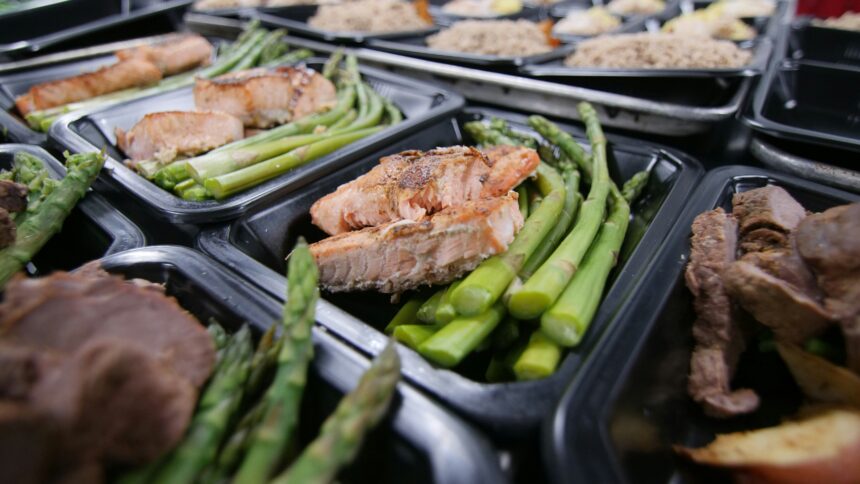
When prepping meals, consider using versatile ingredients that can be incorporated into multiple dishes. For example, cooking a large batch of quinoa or brown rice can serve as a base for various meals throughout the week. Grilling chicken breasts or baking fish in advance allows you to easily add protein to salads or wraps without additional cooking time later on. Storing meals in portioned containers makes it easy to grab-and-go while ensuring you stay on track with your high-protein goals.
Incorporating High Protein Meals into a Balanced Diet
While focusing on high-protein meals is essential for supporting muscle health and overall well-being, it’s equally important to maintain balance in your diet. Incorporating a variety of food groups ensures that you receive all the necessary nutrients your body needs to thrive as you age. Aim to include plenty of colorful fruits and vegetables alongside your high-protein meals; these foods provide essential vitamins, minerals, and antioxidants that support overall health.
Additionally, don’t forget about healthy fats and whole grains as part of your balanced diet. Foods like avocados, olive oil, and whole grains contribute to heart health while providing sustained energy levels throughout the day. By combining high-protein meals with these nutrient-dense foods, you create a well-rounded diet that supports not only muscle maintenance but also overall vitality as you age gracefully.
In conclusion, prioritizing high-protein meals is vital for older adults looking to maintain muscle mass and overall health. With an array of delicious meal ideas available for breakfast, lunch, dinner, and snacks, it’s easier than ever to incorporate protein into your daily routine. By planning ahead through meal prep and ensuring balance in your diet, you can enjoy flavorful meals that support healthy aging while savoring every bite along the way.
FAQs
What are the benefits of high protein meals for individuals over 50?
High protein meals can help maintain muscle mass, support bone health, aid in weight management, and provide sustained energy for older adults.
What are some examples of high protein meals for individuals over 50?
Examples of high protein meals for individuals over 50 include grilled salmon with quinoa and steamed vegetables, Greek yogurt with mixed berries and nuts, and lean turkey or chicken with a side of roasted sweet potatoes.
How much protein should individuals over 50 aim to consume in a day?
It is recommended that individuals over 50 consume 1 to 1.2 grams of protein per kilogram of body weight per day to support muscle health and overall well-being.
Are there any potential risks or drawbacks to consuming high protein meals for individuals over 50?
Consuming excessive amounts of protein can put strain on the kidneys and may lead to dehydration. It’s important to balance protein intake with a variety of other nutrients and stay well-hydrated.
What are some tips for incorporating more high protein meals into the diet for individuals over 50?
Some tips for incorporating more high protein meals into the diet for individuals over 50 include adding protein-rich ingredients like lean meats, fish, eggs, dairy, legumes, and nuts to meals, and planning meals ahead of time to ensure a balanced intake of protein throughout the day.