


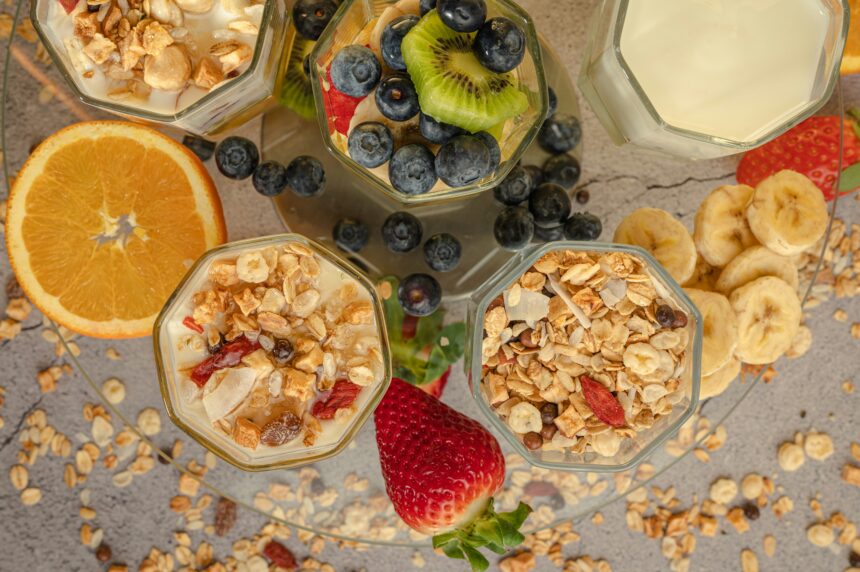
In recent years, the conversation around nutrition has increasingly highlighted the significance of anti-inflammatory foods. Chronic inflammation is linked to a variety of health issues, including heart disease, diabetes, and even cognitive decline. By incorporating anti-inflammatory ingredients into our diets, we can help mitigate these risks and promote overall well-being. Foods rich in antioxidants, healthy fats, and fiber can play a crucial role in reducing inflammation in the body. This is particularly important as we age, as our bodies may become more susceptible to inflammatory responses.
Anti-inflammatory foods include a wide range of options, such as fruits, vegetables, whole grains, nuts, seeds, and healthy fats like olive oil. These foods not only help combat inflammation but also provide essential nutrients that support various bodily functions. For instance, omega-3 fatty acids found in fatty fish and walnuts are known for their anti-inflammatory properties and are beneficial for heart and brain health. By focusing on a diet rich in these foods, we can create a foundation for healthy aging and improve our quality of life.
If you’re looking to enhance your breakfast with anti-inflammatory options, you might find inspiration in a related article that explores the health benefits of okra. This versatile vegetable is not only rich in antioxidants but also offers anti-inflammatory properties that can be beneficial for your overall health. To learn more about incorporating okra into your meals, check out this informative piece at Aging Decoded.
Incorporating Anti-Inflammatory Ingredients into Breakfast
Breakfast is often referred to as the most important meal of the day, and for good reason. It sets the tone for our energy levels and nutritional intake throughout the day. By incorporating anti-inflammatory ingredients into our morning meals, we can kickstart our metabolism and provide our bodies with the nutrients they need to function optimally. Simple changes to traditional breakfast options can make a significant difference in how we feel and how our bodies respond to daily stressors.
One effective way to include anti-inflammatory ingredients in breakfast is by focusing on whole foods that are rich in vitamins and minerals. For example, adding fruits like berries or bananas can provide natural sweetness along with antioxidants that combat inflammation. Whole grains such as oats or quinoa are excellent sources of fiber that support gut health and help maintain stable blood sugar levels. Additionally, incorporating healthy fats from sources like avocados or nuts can enhance satiety and provide sustained energy throughout the morning.
Recipe 1: Turmeric and Ginger Smoothie Bowl

A delightful way to start your day is with a Turmeric and Ginger Smoothie Bowl. This vibrant dish not only looks appealing but also packs a powerful punch of anti-inflammatory benefits. To prepare this smoothie bowl, begin by gathering your ingredients: one ripe banana, a cup of spinach, half a teaspoon of turmeric powder, half a teaspoon of grated ginger, one cup of almond milk (or any milk of your choice), and a tablespoon of chia seeds.
Start by blending the banana, spinach, turmeric, ginger, and almond milk until smooth. The combination of turmeric and ginger not only adds flavor but also provides potent anti-inflammatory properties that can help reduce swelling and promote digestive health. Once blended, pour the mixture into a bowl and top it with your favorite toppings such as sliced fruits, nuts, or seeds. This smoothie bowl is not only delicious but also serves as a refreshing way to nourish your body first thing in the morning.
Recipe 2: Chia Seed Pudding with Berries and Almonds

Chia Seed Pudding is another fantastic breakfast option that is both simple to prepare and incredibly nutritious. Chia seeds are rich in omega-3 fatty acids, fiber, and protein, making them an excellent choice for an anti-inflammatory breakfast. To make this pudding, combine half a cup of chia seeds with two cups of almond milk in a bowl or jar. Stir well to ensure there are no clumps and let it sit for about 10 minutes before stirring again.
After allowing the mixture to thicken overnight in the refrigerator, you can enjoy it the next morning topped with fresh berries and sliced almonds. Berries are packed with antioxidants that help fight inflammation, while almonds provide healthy fats and protein to keep you feeling full longer. This chia seed pudding is not only gut-friendly but also offers a delightful combination of textures and flavors that will make your breakfast enjoyable.
If you’re looking to enhance your morning routine with meals that promote overall health, exploring anti-inflammatory breakfast recipes can be a great start. Incorporating ingredients like berries, leafy greens, and whole grains can help reduce inflammation and boost your energy levels throughout the day. For more insights and delicious ideas, check out this informative article on twists on healthy eating that can inspire your breakfast choices.
Recipe 3: Avocado Toast with Flaxseed and Spinach
| Recipe Name | Ingredients | Calories | Protein (g) | Fiber (g) |
|---|---|---|---|---|
| Turmeric Scrambled Eggs | Eggs, turmeric, spinach, olive oil | 250 | 15 | 3 |
| Chia Seed Pudding | Chia seeds, almond milk, berries, honey | 200 | 8 | 10 |
| Quinoa Breakfast Bowl | Quinoa, avocado, tomatoes, kale, lemon | 300 | 12 | 6 |
Avocado Toast has become a popular breakfast choice for good reason—it’s delicious, versatile, and packed with nutrients. To create an anti-inflammatory version of this classic dish, start by mashing half an avocado in a bowl. Add a sprinkle of flaxseed for an extra boost of omega-3 fatty acids and mix in some fresh spinach for added vitamins and minerals.
Spread the avocado mixture onto whole-grain toast for a satisfying base. Whole grains are known for their fiber content, which supports gut health and helps regulate blood sugar levels. You can also top your avocado toast with sliced tomatoes or radishes for added flavor and crunch. This meal not only provides healthy fats but also supports heart health and keeps you energized throughout the morning.
If you’re looking to start your day with a healthy boost, exploring anti-inflammatory breakfast recipes can be a great choice. These meals not only provide essential nutrients but also help reduce inflammation in the body. For more insights on maintaining overall wellness, you might find this article on full body health particularly interesting. Check it out here for tips and recipes that can complement your anti-inflammatory breakfast routine.
Recipe 4: Quinoa Breakfast Bowl with Fresh Fruit and Nuts
Quinoa is often celebrated as a superfood due to its high protein content and essential amino acids. A Quinoa Breakfast Bowl is an excellent way to incorporate this nutritious grain into your morning routine. To prepare this dish, cook one cup of quinoa according to package instructions and let it cool slightly. In a bowl, combine the cooked quinoa with your choice of fresh fruits such as berries, sliced bananas, or diced apples.
For added texture and flavor, sprinkle a handful of nuts like walnuts or almonds on top. Nuts are not only rich in healthy fats but also provide protein that helps keep you full longer. Drizzle a little honey or maple syrup if you prefer some sweetness. This breakfast bowl is not only filling but also supports muscle health due to its protein content while providing essential nutrients that promote overall well-being.
Recipe 5: Greek Yogurt Parfait with Honey and Walnuts
Greek Yogurt Parfaits are an easy yet elegant breakfast option that can be prepared in minutes. Greek yogurt is an excellent source of protein and probiotics, which are beneficial for gut health. To create this parfait, layer one cup of Greek yogurt in a glass or bowl with fresh fruits like berries or sliced peaches. Add a drizzle of honey for natural sweetness and top it off with a handful of walnuts for crunch.
The combination of yogurt and walnuts provides a satisfying mix of protein and healthy fats that will keep you feeling full until lunchtime. Additionally, the probiotics in yogurt support digestive health while the antioxidants in fruits help combat inflammation. This parfait is not only visually appealing but also offers a delicious way to start your day on a healthy note.
Tips for Adding Variety and Flavor to Anti-Inflammatory Breakfasts
To keep your anti-inflammatory breakfasts exciting and flavorful, consider experimenting with different ingredients and flavors. One way to add variety is by rotating your fruits throughout the week—try using seasonal fruits or those that are on sale at your local market. Incorporating different spices such as cinnamon or nutmeg can also enhance flavor while providing additional health benefits.
Another tip is to explore various cooking methods; for instance, try baking or sautéing vegetables to add depth to your breakfast dishes. You can also mix up your base by alternating between oats, quinoa, or even sweet potatoes for added nutrients. By being creative with your ingredients and preparation methods, you can enjoy delicious breakfasts that support your health while keeping monotony at bay.
In conclusion, embracing anti-inflammatory foods in your breakfast routine can significantly contribute to your overall health as you age. With simple recipes like Turmeric and Ginger Smoothie Bowls or Chia Seed Pudding with Berries and Almonds, you can easily incorporate these beneficial ingredients into your daily meals. By prioritizing whole foods rich in nutrients, you not only nourish your body but also set the stage for healthy aging—one delicious breakfast at a time.
FAQs
What are anti-inflammatory breakfast recipes?
Anti-inflammatory breakfast recipes are meals that contain ingredients known for their anti-inflammatory properties. These recipes often include foods such as berries, nuts, seeds, and leafy greens, which are rich in antioxidants and other compounds that can help reduce inflammation in the body.
Why are anti-inflammatory breakfast recipes beneficial?
Anti-inflammatory breakfast recipes can be beneficial because they can help reduce inflammation in the body, which is linked to various chronic diseases such as heart disease, diabetes, and certain types of cancer. Consuming anti-inflammatory foods in the morning can also help provide sustained energy and promote overall well-being.
What are some examples of anti-inflammatory breakfast recipes?
Examples of anti-inflammatory breakfast recipes include smoothie bowls made with berries, chia seed pudding topped with nuts and seeds, avocado toast with a sprinkle of turmeric, and oatmeal with cinnamon and fresh fruit. These recipes often incorporate ingredients that are known for their anti-inflammatory properties.
Are there any specific dietary restrictions for anti-inflammatory breakfast recipes?
While there are no specific dietary restrictions for anti-inflammatory breakfast recipes, it is generally recommended to focus on whole, unprocessed foods such as fruits, vegetables, nuts, seeds, and whole grains. Limiting the consumption of processed foods, refined sugars, and unhealthy fats can also help support an anti-inflammatory diet.
Can anti-inflammatory breakfast recipes help with weight management?
Consuming anti-inflammatory breakfast recipes as part of a balanced diet and healthy lifestyle may contribute to weight management. These recipes often include nutrient-dense foods that can help promote satiety and reduce cravings for unhealthy, inflammatory foods. However, it’s important to consider overall calorie intake and physical activity levels for weight management.