


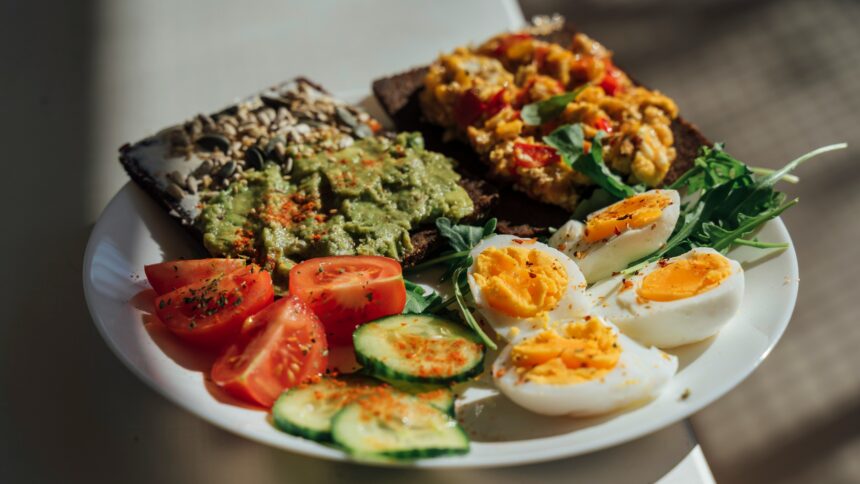
The Okinawan diet, originating from the Okinawa Islands in Japan, is often celebrated as one of the secrets to longevity. This dietary pattern is not just about what is eaten but also how food is perceived and enjoyed. Okinawans have one of the highest life expectancies in the world, and their diet plays a crucial role in this phenomenon. Characterized by a rich variety of vegetables, legumes, whole grains, and healthy fats, the Okinawan diet emphasizes balance and moderation. It is a lifestyle that encourages mindful eating, where meals are not just about nourishment but also about community and connection.
At the heart of the Okinawan diet is the principle of “Hara Hachi Bu,” which translates to “eat until you are 80% full.” This practice helps prevent overeating and promotes a healthy weight, which is essential for reducing the risk of chronic diseases. The diet is predominantly plant-based, featuring an array of colorful vegetables and fruits that provide essential vitamins and minerals. Additionally, it includes moderate amounts of fish and lean proteins, making it a well-rounded approach to nutrition that supports overall health and well-being.
If you’re interested in exploring the health benefits of the Okinawan diet, you might find the article on aging and longevity particularly insightful. It delves into the lifestyle and dietary practices of the Okinawan people, highlighting how their unique recipes contribute to their remarkable lifespan. For more information, you can check out the article here: Okinawan Diet and Longevity.
Key Ingredients in Okinawan Recipes for Health
The Okinawan diet is rich in key ingredients that contribute to its health benefits. Sweet potatoes are a staple food in Okinawa, providing a source of complex carbohydrates, fiber, and antioxidants. These vibrant tubers are not only delicious but also help regulate blood sugar levels and support gut health. Another essential ingredient is goya, or bitter melon, known for its unique flavor and potential health benefits. Goya is packed with vitamins and minerals and has been linked to improved insulin sensitivity.
Legumes, particularly soybeans, play a significant role in Okinawan cuisine. Foods like tofu and edamame are excellent sources of plant-based protein and contain compounds that may support heart health. Additionally, the use of herbs and spices such as turmeric adds flavor while providing anti-inflammatory properties. Olive oil is favored for cooking and dressing salads, contributing healthy fats that are beneficial for brain health. Together, these ingredients create a nutrient-dense foundation that supports longevity and vitality.
Traditional Okinawan Breakfast Ideas to Start Your Day

Starting your day with a traditional Okinawan breakfast can set a positive tone for healthy eating. One popular option is a bowl of miso soup made with dashi broth, tofu, seaweed, and seasonal vegetables. This warm dish is not only comforting but also gut-friendly due to the probiotics found in miso. Pairing it with a side of steamed sweet potatoes provides a satisfying balance of carbohydrates and fiber to fuel your morning.
Another delightful breakfast idea is a rice bowl topped with natto, fermented soybeans known for their unique flavor and texture. Natto is rich in protein and contains beneficial bacteria that promote gut health. Adding sliced green onions and a drizzle of soy sauce enhances the dish’s flavor while keeping it simple and nutritious. These breakfast options reflect the Okinawan philosophy of nourishing the body with wholesome ingredients while enjoying the process of eating.
Wholesome Okinawan Lunch Recipes Packed with Nutrients

For lunch, consider preparing a vibrant Okinawan salad featuring fresh greens, shredded carrots, and sliced cucumbers topped with sesame dressing. This salad can be enhanced with grilled fish or tofu for added protein. The combination of colorful vegetables provides a wealth of vitamins and minerals while the sesame dressing adds healthy fats that support heart health.
Another wholesome lunch idea is a stir-fry made with seasonal vegetables such as bok choy, bell peppers, and mushrooms, tossed with tofu or shrimp in a light soy sauce or ginger sauce. This dish can be served over brown rice or quinoa for a complete meal that offers fiber and protein. The variety of textures and flavors makes this lunch both satisfying and nourishing, embodying the essence of Okinawan cooking.
The Okinawan diet is renowned for its health benefits and longevity, often attributed to its rich array of vegetables, lean proteins, and healthy fats. For those interested in exploring this unique culinary tradition, there are numerous recipes available that highlight the vibrant flavors and nutritional advantages of Okinawan cuisine. Additionally, you may find it insightful to read about the latest advancements in health and aging, which can provide a broader context for the benefits of such diets. To learn more about these developments, check out this article on healthy aging.
Delicious and Nutritious Okinawan Dinner Options
| Recipe Name | Main Ingredients | Calories (per serving) | Protein (g) | Fat (g) | Carbohydrates (g) | Preparation Time (minutes) |
|---|---|---|---|---|---|---|
| Okinawan Sweet Potato Stir-Fry | Okinawan sweet potato, soy sauce, garlic, sesame oil | 180 | 3 | 5 | 30 | 20 |
| Goya Champuru (Bitter Melon Stir-Fry) | Bitter melon, tofu, egg, pork, soy sauce | 250 | 18 | 12 | 10 | 25 |
| Okinawan Purple Sweet Potato Soup | Purple sweet potato, onion, ginger, vegetable broth | 150 | 2 | 3 | 28 | 30 |
| Tofu and Seaweed Salad | Tofu, wakame seaweed, cucumber, rice vinegar | 120 | 10 | 4 | 8 | 15 |
| Okinawan Brown Rice Bowl | Brown rice, vegetables, miso, sesame seeds | 220 | 6 | 5 | 40 | 35 |
Dinner in Okinawa often features dishes that are both flavorful and healthful. One classic option is Okinawan soba noodles served in a savory broth with vegetables and slices of pork or chicken. The noodles are made from buckwheat, which is gluten-free and rich in antioxidants. Adding greens like spinach or kale boosts the nutrient content while providing a satisfying meal that warms the soul.
Another delightful dinner choice is grilled fish marinated in a mixture of soy sauce, ginger, and garlic, served alongside steamed vegetables and brown rice. Fish such as mackerel or sardines are rich in omega-3 fatty acids, which are known to support heart health and cognitive function. This meal not only highlights the flavors of Okinawan cuisine but also aligns with the principles of healthy aging by incorporating nutrient-dense ingredients.
Okinawan Snacks and Sides That Boost Wellness
Snacking can be an integral part of the Okinawan diet, offering opportunities to incorporate more nutrients throughout the day. One popular snack is edamame, lightly salted young soybeans that provide protein and fiber while being easy to prepare. Simply steam them for a few minutes and enjoy them warm as a satisfying treat.
Another nutritious option is sweet potato chips made by thinly slicing sweet potatoes, tossing them with olive oil, and baking until crispy. These chips offer a healthier alternative to traditional snacks while delivering essential vitamins and minerals. Pairing these snacks with fresh fruit like tangerines or persimmons can further enhance your nutrient intake while satisfying your sweet tooth.
The Science Behind Okinawan Diet and Longevity
Research has shown that the Okinawan diet may contribute to longevity through its emphasis on nutrient-dense foods that promote overall health. The high intake of antioxidants from fruits and vegetables helps combat oxidative stress, which can lead to chronic diseases associated with aging. Additionally, the diet’s focus on whole foods rather than ultra-processed options supports better metabolic health.
Moreover, studies suggest that the moderate consumption of fish provides essential omega-3 fatty acids that are linked to improved brain function and reduced inflammation. The presence of fermented foods like miso also supports gut health by promoting a diverse microbiome, which plays a crucial role in overall wellness as we age. Together, these factors create a dietary pattern that not only nourishes the body but also fosters resilience against age-related decline.
Tips for Incorporating Okinawan Recipes into Your Daily Life
Incorporating Okinawan recipes into your daily routine can be both enjoyable and beneficial for your health. Start by stocking your pantry with key ingredients such as sweet potatoes, legumes, whole grains, and fresh vegetables. Planning your meals around these staples can help you create balanced dishes that align with the principles of the Okinawan diet.
Consider setting aside time each week for meal prep to make cooking easier on busy days. Preparing large batches of soups or stir-fries can provide quick meals throughout the week while ensuring you have nutritious options readily available. Additionally, exploring local markets for fresh produce can inspire creativity in your cooking while supporting local farmers.
Embrace the philosophy of mindful eating by taking time to savor each meal without distractions. This practice not only enhances your enjoyment of food but also encourages better digestion and satisfaction. By integrating these simple yet flavorful recipes into your life, you can embark on a journey toward healthier aging inspired by the wisdom of the Okinawan diet.
FAQs
What is the Okinawan diet?
The Okinawan diet is a traditional way of eating based on the food habits of the people from the Okinawa islands in Japan. It is known for its emphasis on plant-based foods, lean proteins, and healthy fats.
What are some key components of the Okinawan diet?
Key components of the Okinawan diet include sweet potatoes, leafy greens, seaweed, tofu, fish, and small amounts of meat. It also includes plenty of fruits and vegetables, whole grains, and minimal processed foods.
Are there any health benefits associated with the Okinawan diet?
Yes, the Okinawan diet has been linked to various health benefits, including longevity, reduced risk of chronic diseases such as heart disease and cancer, and improved overall well-being. This is often attributed to the nutrient-dense and balanced nature of the diet.
Can you provide some examples of Okinawan diet recipes?
Some examples of Okinawan diet recipes include Goya Champuru (bitter melon stir-fry), Rafute (braised pork belly), Mozuku seaweed salad, and Taco Rice (a fusion dish combining taco ingredients with rice).
Is it easy to follow the Okinawan diet outside of Okinawa?
While some ingredients may be harder to find outside of Okinawa, it is still possible to follow the Okinawan diet by focusing on whole, unprocessed foods that are readily available in most places. Adapting traditional recipes to local ingredients can help maintain the essence of the diet.