


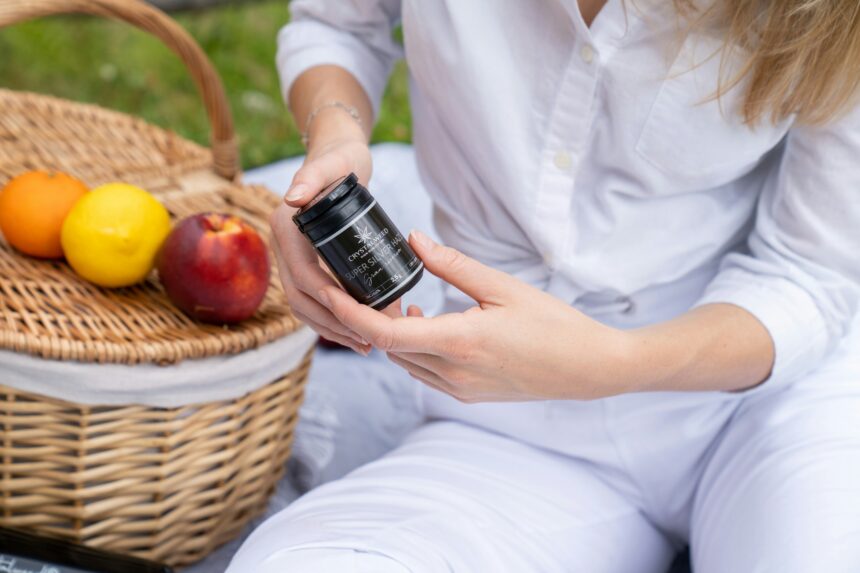
Welcome to AgingDecoded.com, your guide to understanding the science of a long and healthy life. In our “Longevity & Living to 100” category, we explore the fascinating world of aging research, offering insights that are both accessible and grounded in scientific evidence. Today, we’re diving into the vibrant world of polyphenols – powerful plant compounds that hold immense promise for supporting healthy longevity.
At AgingDecoded.com, we believe in empowering you with knowledge. While the idea of “immortality” might capture headlines, our focus is on understanding the science behind extending healthspan – the period of life spent in good health – rather than just lifespan. We’ll discuss what’s backed by robust human evidence versus what’s still in the early stages of animal or laboratory research, always emphasizing that lifestyle foundations come first, and any supplements or drugs should be discussed with a qualified clinician.
Understanding Longevity Science: A Foundation for Healthspan
Before we delve into polyphenols, let’s establish a foundational understanding of longevity science itself. It’s a rapidly evolving field dedicated to understanding the biological processes of aging and how we might intervene to maintain health and function as we grow older.
The Hallmarks of Aging: The “Why” Behind Growing Older
Scientists have identified several “hallmarks of aging” – a set of cellular and molecular changes that contribute to the aging process. These include things like:
- Genomic Instability: Damage to our DNA over time.
- Telomere Attrition: The protective caps at the ends of our chromosomes shorten with each cell division.
- Epigenetic Alterations: Changes in how our genes are expressed without altering the underlying DNA sequence.
- Loss of Proteostasis: Our cells’ ability to maintain proper protein folding and function declines.
- Deregulated Nutrient Sensing: Our cells become less efficient at responding to nutrient availability.
- Mitochondrial Dysfunction: The “powerhouses” of our cells become less efficient and produce more damaging byproducts.
- Cellular Senescence: “Zombie cells” that stop dividing but remain in the body, secreting inflammatory compounds.
- Stem Cell Exhaustion: Our ability to repair and regenerate tissues declines due to fewer functional stem cells.
- Altered Intercellular Communication: The ways our cells communicate with each other change, often leading to inflammation.
These hallmarks don’t act in isolation; they are interconnected and contribute to the overall aging phenotype. Understanding them helps us identify potential targets for interventions aimed at promoting healthy aging.
Biological Age vs. Chronological Age: More Than Just Years
You’ve likely heard of chronological age – the number of years since you were born. But increasingly, scientists are focusing on biological age, which reflects the true physiological state of your body. Two people of the same chronological age can have vastly different biological ages due to genetics, lifestyle, and environmental factors. Biological age is often assessed through biomarkers like epigenetic clocks, which measure chemical modifications on DNA that correlate with aging processes. The goal of longevity interventions isn’t just to increase chronological age, but to decrease or slow down biological aging, keeping our bodies functionally younger for longer.
Healthspan vs. Lifespan: Quality Over Quantity
This distinction is crucial. Lifespan refers to the total number of years an individual lives. Healthspan refers to the period of life spent in good health, free from chronic diseases and disability. The ultimate aim of longevity science is to extend healthspan, allowing individuals to live more vibrant, independent, and fulfilling lives well into their later years. While increasing lifespan is a potential byproduct of extending healthspan, the primary focus is on the quality of those added years.
Recent research has highlighted the potential benefits of polyphenols in combating the effects of aging, suggesting that these natural compounds may play a significant role in promoting longevity and enhancing overall health. For a deeper understanding of the claims surrounding polyphenols and their impact on aging, you can explore this related article at Aging Decoded.
The Power of Lifestyle: The True Pillars of Longevity

Before we discuss specific compounds, it’s vital to underscore that the most impactful “interventions” for longevity are fundamental lifestyle choices. These are the foundations upon which all other discussions should be built. Neglecting these basics in favor of supplements or drugs is like trying to build a house on sand.
Sleep: The Great Restorer
Adequate, high-quality sleep is non-negotiable for healthy aging. During sleep, our bodies repair cells, consolidate memories, clear metabolic waste products from the brain (including amyloid-beta, linked to Alzheimer’s), and regulate hormones crucial for appetite, metabolism, and stress response. Chronic sleep deprivation accelerates many hallmarks of aging, including inflammation, genomic instability, and impaired immune function. Aim for 7-9 hours of quality sleep per night.
Nutrition: Fueling Longevity
What we eat directly impacts our cellular health and aging processes. A diet rich in whole, unprocessed foods, abundant in fruits, vegetables, lean proteins, and healthy fats, provides the necessary nutrients and protective compounds (like polyphenols!) that support cellular function and reduce inflammation. Conversely, diets high in refined sugars, unhealthy fats, and processed foods contribute to chronic inflammation, oxidative stress, and metabolic dysfunction – all drivers of accelerated aging. Focus on nutrient density and mindful eating.
Movement: An Ageless Advantage
Regular physical activity is one of the most potent anti-aging interventions available. Exercise improves cardiovascular health, strengthens muscles and bones, enhances cognitive function, reduces inflammation, improves insulin sensitivity, and helps maintain a healthy weight. It directly impacts mitochondrial function, reduces cellular senescence, and can even influence telomere length. Aim for a mix of aerobic, strength training, and flexibility exercises most days of the week.
Stress Management: Calming the Inner Storm
Chronic stress has profound negative effects on our bodies, accelerating aging at a cellular level. It elevates cortisol levels, which can lead to inflammation, impaired immune function, metabolic dysfunction, and even brain atrophy. Practices like meditation, mindfulness, yoga, spending time in nature, and cultivating hobbies can significantly reduce stress and promote resilience, thereby protecting against its aging effects.
Social Connection: The Human Element
Humans are social beings, and strong social connections are deeply linked to both healthspan and lifespan. Loneliness and social isolation are associated with increased risk of chronic diseases, cognitive decline, and premature mortality – effects comparable to smoking or obesity. Nurturing relationships with family, friends, and community provides emotional support, reduces stress, and fosters a sense of purpose and belonging, all of which contribute to a longer, healthier life.
Polyphenols: Nature’s Antioxidant Powerhouses

Now, let’s turn our attention to the star of today’s article: polyphenols. These are a vast group of naturally occurring compounds found abundantly in plants, renowned for their antioxidant and anti-inflammatory properties. They are responsible for the vibrant colors of many fruits and vegetables and contribute to the unique flavors of coffee, tea, and chocolate.
What Are Polyphenols?
Polyphenols are organic molecules characterized by the presence of multiple phenol structural units. There are thousands of different types, broadly categorized into:
- Flavonoids: The largest group, found in fruits, vegetables, tea, wine, and cocoa. Examples include quercetin (onions, apples), catechins (green tea), anthocyanins (berries), and hesperidin (citrus).
- Phenolic Acids: Found in coffee, fruits, and grains. Examples include caffeic acid and ferulic acid.
- Stilbenes: Best known for resveratrol (red wine, grapes, peanuts).
- Lignans: Found in flaxseeds, sesame seeds, and whole grains.
When we consume plant-based foods, these polyphenols interact with our bodies in complex ways, influencing various cellular pathways related to health and aging.
How Do Polyphenols Support Healthy Aging?
Polyphenols don’t act as a single “magic bullet” but rather exert their beneficial effects through multiple mechanisms that address several hallmarks of aging:
- Antioxidant Activity: This is perhaps their most well-known function. They neutralize harmful free radicals, which are unstable molecules that can damage cells, DNA, and proteins, contributing to oxidative stress – a key driver of aging and chronic diseases.
- Anti-inflammatory Effects: Chronic low-grade inflammation is a hallmark of aging and a risk factor for numerous age-related diseases. Many polyphenols can modulate inflammatory pathways, helping to dampen this detrimental process.
- Modulation of Cellular Signaling Pathways: Polyphenols can interact with and influence various signaling pathways within our cells, including those involved in nutrient sensing (like mTOR and AMPK), cellular repair mechanisms, and stress response pathways. For example, some polyphenols can activate sirtuins, a family of proteins linked to longevity.
- Mitochondrial Support: Some polyphenols have been shown to improve mitochondrial function, enhance energy production, and protect mitochondria from damage.
- Gut Microbiome Modulation: A fascinating area of research shows that polyphenols are extensively metabolized by our gut bacteria. This interaction is a two-way street: gut microbes transform polyphenols into more bioactive compounds, and polyphenols, in turn, can promote the growth of beneficial gut bacteria, contributing to a healthier microbiome. A healthy gut microbiome is increasingly recognized as crucial for overall health and longevity.
- Cellular Senescence Reduction: Some research suggests certain polyphenols may act as “senolytics” – compounds that selectively eliminate senescent “zombie” cells, or “senomorphics” – compounds that alter the behavior of senescent cells to be less harmful.
Key Polyphenols and Their Longevity Connections
Let’s explore some specific polyphenols that have garnered significant attention in the longevity science community.
Resveratrol: The Red Wine Compound
Resveratrol is a stilbene found in the skin of red grapes, red wine, blueberries, peanuts, and dark chocolate. It gained fame for its potential to activate sirtuins, particularly SIRT1, often referred to as “longevity genes,” which play roles in DNA repair, inflammation, and metabolism.
- Evidence: Much of the initial exciting research on resveratrol’s anti-aging effects comes from studies in yeast, worms, flies, and mice, where it has been shown to extend lifespan and healthspan. Human studies are ongoing and more mixed. While it shows promise for improving metabolic markers and reducing inflammation, its direct impact on human lifespan is not yet definitively proven through large-scale trials. The amount of resveratrol found in a glass of wine is often much lower than the doses used in research studies.
Quercetin: The Versatile Flavonoid
Quercetin is a flavonoid present in onions, apples, berries, tea, and leafy greens. It’s known for its potent antioxidant and anti-inflammatory properties. It’s also one of the most studied natural compounds for its potential senolytic effects.
- Evidence: In preclinical studies, quercetin has shown the ability to selectively induce programmed cell death in senescent cells and reduce the burden of these “zombie cells” in various tissues, leading to improved health outcomes in aging mice. Human studies are evaluating its potential for reducing inflammation, improving cardiovascular health, and its senolytic properties, often in combination with other compounds. This is a promising area, but more definitive human trials are needed.
EGCG (Epigallocatechin Gallate): Green Tea’s Secret Weapon
EGCG is the most abundant catechin in green tea and is responsible for many of its health benefits. It’s a powerful antioxidant and anti-inflammatory compound.
- Evidence: Research suggests EGCG can support brain health, improve metabolic function, and protect against cellular damage. In various animal models, it has been shown to improve indicators of healthy aging. Human epidemiological studies consistently link regular green tea consumption to a lower risk of chronic diseases and increased longevity. Controlled human trials show benefits for cardiovascular health and metabolism, though direct longevity effects are still being investigated.
Curcumin: The Golden Spice
Curcumin is the main active polyphenol in turmeric, the spice that gives curry its yellow color. It’s celebrated for its strong anti-inflammatory and antioxidant properties.
- Evidence: Curcumin has been extensively studied for its potential in conditions related to aging, including arthritis, cognitive decline, and metabolic syndrome. In laboratory and animal studies, it shows promise in modulating inflammatory pathways, supporting mitochondrial function, and exhibiting neuroprotective effects. Human studies often face challenges with curcumin’s poor bioavailability, meaning it’s not easily absorbed. Formulations with enhanced bioavailability are being developed and studied, with promising results for reducing inflammation and oxidative stress.
Recent studies have highlighted the potential benefits of polyphenols in combating the effects of aging, suggesting that these compounds may play a crucial role in promoting longevity and overall health. For those interested in exploring how lifestyle factors, such as exercise, can further enhance the effects of polyphenols, a related article can provide valuable insights. You can read more about this connection in the article on exercise and aging.
Incorporating Polyphenols into Your Longevity Strategy
| Metric | Description | Relevance to Polyphenols and Aging | Typical Measurement Method | Reported Effect |
|---|---|---|---|---|
| Oxidative Stress Levels | Amount of reactive oxygen species (ROS) and oxidative damage markers | Polyphenols act as antioxidants reducing oxidative stress, a key factor in aging | Measurement of biomarkers like MDA, 8-OHdG in blood or tissues | Reduction in oxidative stress markers with polyphenol intake |
| Inflammatory Cytokines | Levels of pro-inflammatory molecules such as TNF-α, IL-6 | Chronic inflammation accelerates aging; polyphenols have anti-inflammatory effects | ELISA assays for cytokine quantification in serum | Decreased cytokine levels following polyphenol supplementation |
| Telomere Length | Length of protective chromosome end caps, indicator of cellular aging | Polyphenols may help preserve telomere length, slowing cellular aging | qPCR or Southern blot analysis of telomere length | Slower telomere shortening observed in polyphenol-rich diet groups |
| Senescent Cell Markers | Expression of markers like p16INK4a, β-galactosidase activity | Polyphenols may reduce accumulation of senescent cells linked to aging | Immunohistochemistry or enzymatic assays in tissues | Lower senescence marker expression with polyphenol treatment |
| Cognitive Function Scores | Performance on memory and executive function tests | Polyphenols may improve or preserve cognitive function during aging | Standardized neuropsychological tests (e.g., MMSE, MoCA) | Improved or stabilized cognitive scores in polyphenol intervention studies |
| Skin Elasticity and Hydration | Measures of skin firmness and moisture content | Polyphenols can protect skin from aging-related damage | Cutometer for elasticity; corneometer for hydration | Enhanced skin elasticity and hydration with topical or dietary polyphenols |
Given the current state of research, the most evidence-based way to harness the power of polyphenols for healthy longevity is through dietary intake.
Food First: The Best Source
The most effective and safest way to consume polyphenols is through a diverse, plant-rich diet. This approach offers several advantages:
- Synergy: Polyphenols in whole foods exist alongside other beneficial nutrients, fiber, and compounds, which may work synergistically to enhance their effects and absorption.
- Balance: Whole foods provide a balanced intake without the risk of over-dosing on a single compound.
- Enjoyment: Eating delicious, nutrient-dense foods is a sustainable and enjoyable path to health.
Aim for a “rainbow” of fruits and vegetables daily. Excellent sources include:
- Berries: Blueberries, raspberries, strawberries, blackberries (rich in anthocyanins and other flavonoids).
- Apples: Especially with the skin (quercetin, catechins).
- Onions: Red onions are particularly good (quercetin).
- Dark Leafy Greens: Spinach, kale (various flavonoids).
- Green Tea: (EGCG, catechins).
- Coffee: (chlorogenic acids).
- Dark Chocolate: (flavonoids, catechins – choose high cocoa content, low sugar).
- Red Wine (in moderation): (resveratrol, anthocyanins).
- Turmeric: (curcumin).
- Flaxseeds: (lignans).
Polyphenol Supplements: A Word of Caution
While polyphenol supplements are widely available (e.g., resveratrol, quercetin, EGCG, curcumin), it’s important to approach them with a critical perspective:
- Bioavailability: Many polyphenols are poorly absorbed in their isolated supplemental form. Scientists are working on improved formulations (e.g., liposomal curcumin, phytosome-bound quercetin) to address this.
- Dosage: The optimal dosage for human longevity is often unknown, and high doses of isolated compounds might not mimic the effects of whole foods and could even have unintended consequences.
- Interaction: Supplements can interact with medications or have side effects.
- Regulation: The supplement industry is less regulated than pharmaceuticals, so product quality and purity can vary significantly.
As emphasized throughout AgingDecoded.com, if you are considering a polyphenol supplement, it is crucial to discuss it with a qualified healthcare provider. They can help assess if it’s appropriate for your individual health profile, potential interactions with medications, and recommend reputable brands and dosages. Do not self-prescribe.
Recent studies have highlighted the potential benefits of polyphenols in combating the effects of aging, suggesting that these compounds may play a crucial role in promoting longevity and overall health. For those interested in exploring this topic further, you can read more about the connection between rejuvenation and dietary choices in this insightful article on aging. By incorporating polyphenol-rich foods into your diet, you may enhance your body’s resilience against age-related decline. To learn more, check out the article here.
Beyond Polyphenols: Other Longevity Interventions
While polyphenols are a fascinating area, they are just one piece of the longevity puzzle. Our “Longevity & Living to 100” category also explores other key areas:
Major Drugs and Supplements in Longevity Research
- Metformin: An existing diabetes drug, showing promise in animal models for extending healthspan and now being studied in humans (e.g., the TAME trial) for its potential anti-aging effects by modulating nutrient sensing pathways.
- NAD+ Boosters: Compounds like Nicotinamide Mononucleotide (NMN) and Nicotinamide Riboside (NR) aim to increase levels of NAD+, a coenzyme crucial for cellular energy production and DNA repair. Early animal research is promising, but human data is still emerging.
- Rapamycin: An immunosuppressant drug, it has shown significant healthspan and lifespan extension in various animal models by inhibiting the mTOR pathway, a key nutrient-sensing regulator. Its use in humans for longevity is still highly experimental and comes with significant side effects.
- Fasting (Intermittent Fasting, Time-Restricted Eating): Dietary patterns that involve periods of voluntary abstention from food. They can activate cellular repair processes, improve metabolic health, and reduce inflammation. This is a powerful lifestyle lever with growing human evidence.
- Senolytics: A class of compounds (including some polyphenols like quercetin, and drugs like dasatinib) designed to selectively kill senescent cells. Early human trials are showing promise in reducing markers of senescence and improving function in certain conditions, but more research is needed to understand their long-term effects and safety.
Remember, these are powerful tools and interventions. For any supplement or pharmaceutical approach, always consult with a qualified clinician. These are not DIY solutions and require careful medical guidance.
Conclusion: A Holistic Approach to Longevity
Polyphenols offer an exciting avenue in the quest for healthy longevity. Their diverse mechanisms of action, from antioxidant and anti-inflammatory effects to modulating cellular pathways and supporting the gut microbiome, position them as valuable components of a health-promoting lifestyle.
However, the core message remains: the most impactful strategies for extending your healthspan are built on the foundations of a healthy lifestyle – sufficient sleep, nutrient-dense whole foods, regular physical activity, effective stress management, and strong social connections. These are the powerful “medicines” available to everyone, every day.
Polyphenols, primarily consumed through a varied and colorful diet, can further bolster these efforts. For those interested in exploring targeted polyphenol supplements or other emerging longevity interventions, remember that this is educational content only and not medical advice. Always seek personalized guidance from a qualified healthcare professional to determine the best approach for your individual health journey. Here at AgingDecoded.com, we aim to demystify the science and empower you to make informed decisions for a longer, healthier life.
FAQs
What are polyphenols?
Polyphenols are a group of natural compounds found in plants that have antioxidant properties. They are known for their potential health benefits, including reducing inflammation and protecting against certain diseases.
How do polyphenols help with aging?
Polyphenols have been shown to have anti-aging effects by protecting cells from damage caused by free radicals, reducing inflammation, and promoting overall health. They may help slow down the aging process and improve longevity.
Which foods are rich in polyphenols?
Foods that are rich in polyphenols include fruits (such as berries, apples, and citrus fruits), vegetables (such as spinach, broccoli, and onions), nuts, seeds, whole grains, and beverages like tea, coffee, and red wine.
Can polyphenols help prevent age-related diseases?
Research suggests that polyphenols may help prevent age-related diseases such as heart disease, cancer, neurodegenerative disorders, and diabetes. Their antioxidant and anti-inflammatory properties play a key role in reducing the risk of these diseases.
How can I incorporate more polyphenols into my diet?
To increase your intake of polyphenols, you can include a variety of fruits, vegetables, whole grains, nuts, seeds, and beverages like tea and red wine in your diet. Choosing colorful foods and opting for minimally processed options can help you maximize your polyphenol consumption.