
The Evolving Landscape of Hormones and Aging
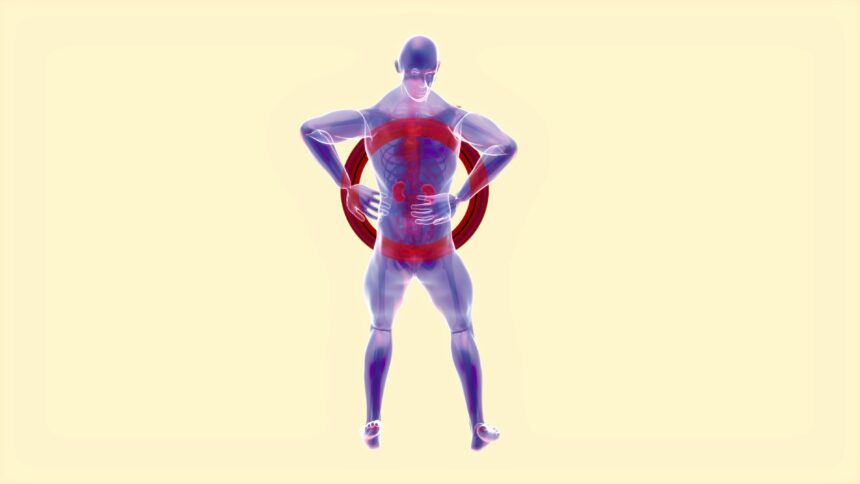
As we navigate the journey of aging, our bodies undergo a myriad of subtle yet significant transformations. Among the most influential of these changes are those occurring within our intricate endocrine system – the network of glands that produce and release hormones. These chemical messengers orchestrate virtually every bodily function, and their age-related fluctuations can profoundly impact our energy levels, body composition, mood, sleep quality, cognitive function, bone health, and even our susceptibility to various diseases. Understanding these hormonal shifts in simple, accurate terms is crucial for promoting healthy aging and making informed decisions about our well-being.
Recent studies have highlighted the intricate relationship between hormones and cardiovascular health, emphasizing how hormonal imbalances can significantly impact heart function and overall vascular health. For a deeper understanding of this topic, you can explore a related article that delves into the latest research findings and reviews on the subject. Check it out here: Hormones and Cardiovascular Health.
How Age Impacts Key Hormones and Their Functions

The endocrine system is dynamic, and while some hormonal changes are a natural part of aging, their effects can be managed and often mitigated. Let’s explore how key hormones evolve with age and their broad impact.
Sex Hormones: Estrogen, Testosterone, and Progesterone
Sex hormones play a critical role far beyond reproduction, influencing a wide range of physiological processes.
Estrogen’s Role in Women’s Aging
For women, estrogen levels begin to decline significantly during perimenopause, culminating in menopause. This decline has widespread effects:
- Energy and Mood: Fluctuating estrogen can contribute to hot flashes, night sweats, and sleep disturbances, all of which can severely impact energy levels and mood, leading to irritability, anxiety, and even depression.
- Fat Distribution: Estrogen influences where the body stores fat. With lower estrogen, women often experience a shift from a “pear” shape (fat accumulation around hips and thighs) to an “apple” shape (increased visceral fat around the abdomen), which is metabolically less healthy.
- Muscle and Bones: Estrogen helps maintain muscle mass and strength, and its decline contributes to sarcopenia (age-related muscle loss). Crucially, estrogen is vital for bone density, and its significant drop during menopause is a primary driver of osteoporosis risk in women.
- Brain and Cardiovascular Health: Estrogen has neuroprotective effects and plays a role in cognitive function. Its decline may contribute to subtle cognitive changes. Furthermore, estrogen has a protective effect on the cardiovascular system, and its reduction post-menopause is associated with an increased risk of heart disease.
Testosterone’s Influence in Men and Women
While often associated with men, testosterone is present and important in both sexes. In men, testosterone levels typically begin a gradual decline starting in their 30s, a process sometimes referred to as “andropause” (though not as abrupt as menopause).
- Energy and Mood: Lower testosterone in men can manifest as fatigue, reduced libido, decreased motivation, and mood changes, including feelings of depression. In women, too little or too much testosterone can also impact energy and mood.
- Muscle and Fat: Testosterone is a potent anabolic hormone, critical for building and maintaining muscle mass and strength. Declining levels contribute to sarcopenia in men, making it harder to maintain muscle and easier to accumulate fat, particularly around the abdomen.
- Bones: Testosterone also plays a significant role in maintaining bone density in men, and its decline can increase osteoporosis risk.
- Brain and Cardiovascular Health: Testosterone influences cognitive function and cardiovascular health, though the exact nature of its protective or detrimental effects in different contexts is still being researched.
Thyroid Hormones: Metabolism’s Master Regulators
The thyroid gland produces hormones (primarily T3 and T4) that regulate metabolism throughout the body.
- Energy and Metabolism: With age, the thyroid gland can become less efficient, sometimes leading to hypothyroidism (underactive thyroid). This slows metabolism, resulting in fatigue, weight gain (even with no change in diet), cold intolerance, and reduced energy levels. Hyperthyroidism (overactive thyroid) can also occur, causing weight loss, anxiety, and rapid heart rate, but is less common with aging.
- Mood and Brain: Thyroid hormones are essential for proper brain function. Both hypo- and hyperthyroidism can cause mood disturbances, including depression, anxiety, and impaired cognitive function like “brain fog” or memory issues.
- Cardiovascular Health: Thyroid hormones directly impact heart rate and blood pressure. Hypothyroidism can elevate cholesterol levels and contribute to high blood pressure, increasing cardiovascular risk.
Insulin: The Blood Sugar Gatekeeper
Insulin, produced by the pancreas, regulates blood sugar levels by allowing glucose to enter cells for energy.
- Energy and Fat Distribution: As we age, cells can become less responsive to insulin, a condition called insulin resistance. When cells don’t respond efficiently, the pancreas has to produce more insulin to keep blood sugar stable. High insulin levels can promote fat storage, especially visceral fat, and contribute to energy fluctuations (crashes after meals).
- Disease Risk: Persistent insulin resistance is a key precursor to Type 2 diabetes. Uncontrolled blood sugar and insulin resistance significantly increase the risk of heart disease, stroke, and other chronic conditions.
Cortisol: The Stress Response Hormone
Cortisol, the primary stress hormone produced by the adrenal glands, is crucial for our “fight or flight” response and daily physiological regulation.
- Energy and Mood: While acute stress responses are healthy, chronic elevation of cortisol, often due to persistent stress, can be detrimental. High cortisol can disrupt sleep, leading to fatigue, and contribute to anxiety, irritability, and depression.
- Fat Distribution and Muscle: Chronic high cortisol promotes the accumulation of visceral fat and can lead to muscle breakdown (catabolism), contributing to sarcopenia.
- Bones and Disease Risk: Sustained high cortisol levels can decrease bone density over time, increasing osteoporosis risk. It can also suppress the immune system and contribute to chronic inflammation, increasing the risk of various diseases.
Growth Hormone (GH) and Insulin-like Growth Factor 1 (IGF-1)
Growth hormone, produced by the pituitary gland, is vital for growth during childhood and continues to play a significant role in adults. IGF-1 mediates many of GH’s effects.
- Energy, Muscle, and Fat: GH and IGF-1 levels naturally decline with age, a phenomenon sometimes called “somatopause.” This decline contributes to reduced energy, decreased muscle mass and strength (sarcopenia), and an increase in body fat, particularly visceral fat.
- Bones and Brain: GH also influences bone density and may play a role in cognitive function, though its direct impact on age-related cognitive decline is complex and still being researched.
Melatonin: The Sleep Regulator
Melatonin, produced by the pineal gland, is the primary hormone regulating our sleep-wake cycle (circadian rhythm).
- Sleep Quality: Melatonin production naturally decreases with age, often beginning in middle age. This decline is a significant factor in the increased prevalence of sleep disturbances, insomnia, and altered sleep patterns (e.g., waking earlier) common in older adults. Poor sleep, in turn, impacts energy, mood, and overall health.
Foundational Lifestyle Pillars for Hormonal Balance

Before considering any pharmaceutical interventions, it is paramount to prioritize lifestyle foundations. These strategies are the most powerful tools we have to support hormonal balance, mitigate age-related changes, and optimize overall health.
Sleep Optimization
Quality sleep is non-negotiable for hormonal health. During sleep, our bodies repair, regenerate, and regulate hormone production.
- Impact: Chronic sleep deprivation disrupts cortisol rhythms, impairs insulin sensitivity, reduces growth hormone release, and further suppresses melatonin production.
- Strategies: Aim for 7-9 hours of quality sleep per night. Establish a consistent sleep schedule, create a dark, quiet, and cool sleep environment, avoid screens before bed, and limit caffeine and alcohol in the evening.
Nutrient-Dense Nutrition
What we eat directly influences hormone production, sensitivity, and metabolism.
- Impact: A diet high in processed foods, refined sugars, and unhealthy fats can lead to chronic inflammation, insulin resistance, and imbalances in sex hormones and cortisol.
- Strategies: Focus on a whole-food diet rich in lean proteins (essential for muscle and hormone synthesis), healthy fats (crucial for hormone production, especially sex hormones), abundant fruits and vegetables (providing antioxidants and fiber for gut health and detoxification), and complex carbohydrates (for stable energy). Limit processed foods, sugary drinks, and excessive alcohol.
Regular Physical Activity
Movement is a powerful modulator of hormonal health.
- Impact: Exercise improves insulin sensitivity, boosts growth hormone release, supports healthy testosterone levels (especially resistance training), reduces cortisol when performed moderately, and enhances mood-boosting endorphins. It also helps maintain muscle mass and bone density.
- Strategies: Incorporate a mix of aerobic exercise (e.g., brisk walking, swimming, cycling) for cardiovascular health and stress reduction, and resistance training (e.g., lifting weights, bodyweight exercises) 2-3 times per week to build and maintain muscle mass and bone strength. Include flexibility and balance exercises.
Effective Stress Management
Chronic stress is a major disruptor of the endocrine system.
- Impact: Prolonged stress keeps cortisol levels elevated, leading to the cascading negative effects described earlier, including impaired sleep, insulin resistance, and suppressed sex hormone production.
- Strategies: Implement daily stress-reduction techniques such as mindfulness meditation, deep breathing exercises, yoga, spending time in nature, engaging in hobbies, or connecting with loved ones. Prioritize self-care and learn to set healthy boundaries.
When Prescription Therapies May Be Considered: Benefits and Risks
While lifestyle foundations are paramount, there are situations where prescription hormone therapies might be considered to address significant age-related hormonal deficiencies, always under strict medical supervision.
Hormone Replacement Therapy (HRT) for Women
HRT, typically involving estrogen and sometimes progesterone, aims to replace hormones lost during menopause.
Potential Benefits of HRT
- Symptom Relief: Highly effective at alleviating hot flashes, night sweats, vaginal dryness, and other disruptive menopausal symptoms, significantly improving quality of life.
- Bone Health: Prevents bone loss and reduces the risk of osteoporosis and fractures.
- Cardiovascular Health (Timing Dependent): When initiated early in menopause (within 10 years or before age 60), HRT may offer cardiovascular benefits, such as reduced risk of heart disease, though this is a complex area of research.
- Mood and Cognitive Function: Can improve mood, reduce anxiety and depression, and potentially support cognitive function in some women.
Potential Risks and Considerations of HRT
- Breast Cancer: Estrogen-progestin therapy is associated with a small, but statistically significant, increased risk of breast cancer with prolonged use (typically >5 years). Estrogen-only therapy does not appear to increase breast cancer risk, and may even reduce it, in women with a hysterectomy.
- Blood Clots and Stroke: Oral estrogen can increase the risk of blood clots (DVT/PE) and stroke, especially in older women or those with pre-existing risk factors. Transdermal (patch, gel) estrogen may carry a lower risk.
- Endometrial Cancer: Unopposed estrogen (without progesterone) in women with an intact uterus significantly increases the risk of endometrial cancer, necessitating progesterone use to protect the uterine lining.
- Individualized Decision: The decision to use HRT is highly personal and requires a thorough discussion with a clinician, weighing individual risk factors, symptom severity, and preferences.
Testosterone Replacement Therapy (TRT) for Men
TRT is prescribed for men diagnosed with clinically low testosterone levels (hypogonadism) and associated symptoms. It’s not generally recommended for age-related testosterone decline alone without clear symptoms.
Potential Benefits of TRT
- Improved Energy and Mood: Can alleviate fatigue, improve libido, and reduce symptoms of depression and irritability in hypogonadal men.
- Muscle Mass and Strength: Can increase lean muscle mass and strength, and decrease fat mass.
- Bone Density: Can improve bone mineral density, reducing osteoporosis risk.
Potential Risks and Considerations of TRT
- Cardiovascular Concerns: Research on TRT and cardiovascular risk is mixed and ongoing. Some studies have suggested a potential increased risk of heart attack or stroke in certain populations, particularly older men or those with pre-existing cardiovascular disease. Other studies have shown no increased risk or even benefit in men with very low testosterone. This remains a critical area of discussion.
- Prostate Issues: Can stimulate prostate growth, potentially worsening symptoms of benign prostatic hyperplasia (BPH). It does not cause prostate cancer but can accelerate the growth of existing, undiagnosed cancers. Regular prostate monitoring (PSA tests) is essential.
- Erythrocytosis (Increased Red Blood Cells): Can increase red blood cell count, raising the risk of blood clots. Regular blood monitoring is required.
- Fertility: Can suppress natural sperm production, leading to temporary or, in rare cases, permanent infertility.
- Sleep Apnea: May worsen pre-existing sleep apnea.
- Careful Selection: TRT should only be considered for men with confirmed hypogonadism and significant symptoms, after a thorough evaluation of risks and benefits by a specialist.
Other Hormonal Therapies
Other therapies like thyroid hormone replacement (for hypothyroidism), insulin therapy (for diabetes), or melatonin supplements (for sleep) are used when specific deficiencies or conditions are diagnosed.
- Thyroid Hormones: Synthetic thyroid hormone (levothyroxine) is a safe and effective treatment for hypothyroidism, restoring metabolism and alleviating symptoms. Dosing requires careful titration and regular monitoring.
- Melatonin: Over-the-counter melatonin supplements can be helpful for short-term sleep disturbances or adjusting to new sleep schedules, but their long-term efficacy and safety, especially for age-related decline, are still being studied. Doses should be low, and effectiveness varies.
- Growth Hormone: Growth hormone replacement in adults is typically reserved for diagnosed adult growth hormone deficiency, a rare condition. Its use for age-related “somatopause” is controversial, associated with significant side effects (e.g., joint pain, swelling, carpal tunnel syndrome, increased cancer risk), and not recommended by major medical organizations due to a lack of proven anti-aging benefits and safety concerns.
Recent studies have highlighted the intricate relationship between hormones and cardiovascular health, revealing how hormonal imbalances can significantly impact heart function and overall well-being. For those interested in exploring this topic further, you can read a related article by Elizabeth Wilson that delves into the effects of various hormones on cardiovascular conditions. This insightful piece provides valuable information on how maintaining hormonal balance can contribute to better heart health. To learn more, check out the article here.
The Importance of Personalized, Guided Care
| Hormone | Role in Cardiovascular Health | Effect on Blood Pressure | Impact on Heart Function | Associated Risks |
|---|---|---|---|---|
| Estrogen | Protects blood vessels, promotes vasodilation | Lowers blood pressure by relaxing blood vessels | Improves cardiac output and reduces arterial stiffness | Reduced levels post-menopause increase CVD risk |
| Testosterone | Influences vascular tone and lipid metabolism | Can increase or decrease blood pressure depending on levels | Supports myocardial contractility | Low levels linked to higher risk of heart disease |
| Cortisol | Regulates stress response and metabolism | Elevated levels increase blood pressure | Chronic high levels can impair heart function | Associated with hypertension and atherosclerosis |
| Thyroid Hormones (T3, T4) | Regulate metabolism and heart rate | Hyperthyroidism can cause increased blood pressure | Increase heart rate and cardiac output | Hypothyroidism linked to bradycardia and hypertension |
| Aldosterone | Controls sodium and water balance | Increases blood pressure by sodium retention | Excess can lead to cardiac remodeling | High levels contribute to hypertension and heart failure |
| Insulin | Regulates glucose metabolism | Hyperinsulinemia may raise blood pressure | Supports myocardial energy metabolism | Insulin resistance linked to cardiovascular disease |
It is critical to reiterate that age-related hormonal changes are complex and highly individualized. The information presented here is for educational purposes only and should never be interpreted as medical advice.
- Professional Consultation is Essential: Any consideration of hormone testing or therapy must be initiated and guided by a qualified healthcare professional (e.g., endocrinologist, gynecologist, urologist, or primary care physician with expertise in hormonal health).
- Comprehensive Evaluation: Diagnosis of hormonal imbalances requires a thorough medical history, physical examination, and appropriate laboratory testing at the right time of day and in the right context.
- Shared Decision-Making: Treatment decisions should involve a shared discussion between the patient and clinician, carefully weighing potential benefits, risks, personal values, and lifestyle factors.
- Regular Monitoring: If hormone therapy is initiated, regular monitoring of hormone levels and overall health is crucial to ensure safety and adjust dosages as needed.
By understanding the intricate dance of hormones as we age and embracing a proactive approach to lifestyle, we can significantly influence our health trajectory and strive for a vibrant, energetic, and fulfilling life in our later years.
FAQs
What role do hormones play in cardiovascular health?
Hormones such as estrogen, testosterone, and thyroid hormones can impact cardiovascular health by regulating blood pressure, cholesterol levels, and inflammation in the body.
How does estrogen affect cardiovascular health in women?
Estrogen is believed to have a protective effect on the cardiovascular system in women by helping to maintain healthy blood vessels, lower LDL cholesterol levels, and reduce the risk of heart disease.
Can hormonal imbalances lead to cardiovascular problems?
Yes, hormonal imbalances, such as low levels of thyroid hormones or excess cortisol (stress hormone), can contribute to conditions like high blood pressure, atherosclerosis, and heart disease.
What are some lifestyle factors that can help maintain hormonal balance for better cardiovascular health?
Eating a balanced diet, getting regular exercise, managing stress levels, getting enough sleep, and avoiding smoking and excessive alcohol consumption can all help maintain hormonal balance and promote better cardiovascular health.
How can hormone replacement therapy impact cardiovascular health?
Hormone replacement therapy, particularly in postmenopausal women, has been associated with both benefits and risks for cardiovascular health. It is important to discuss the potential effects with a healthcare provider before starting any hormone therapy.