


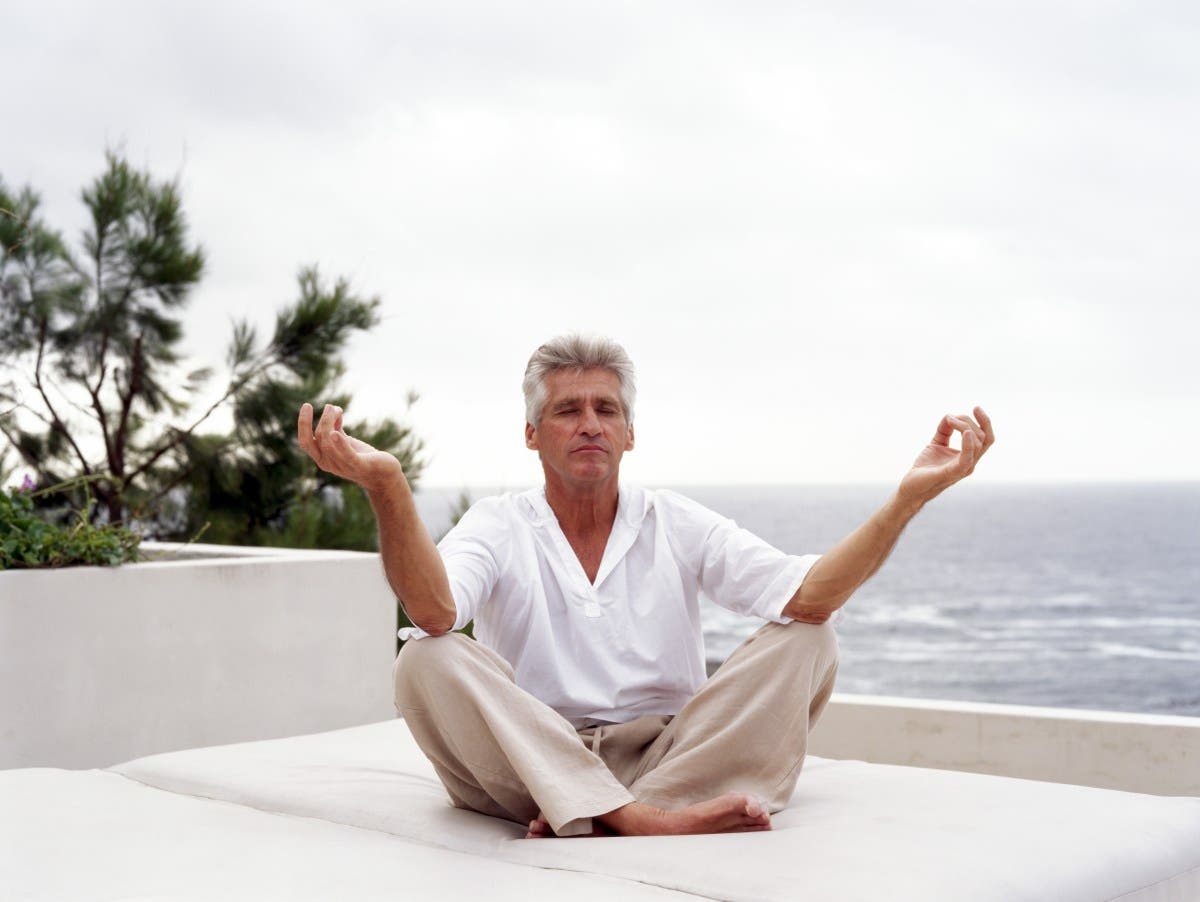
The Gift of Mindfulness: A Journey Through Meditation and Brain Health
Unveiling the Connection
I recently stumbled upon a study suggesting that a specific type of meditation could reverse brain aging by almost six years. At first, this seemed almost too good to be true. It’s not every day that science presents us with the possibility of rewinding the clock on our cognitive faculties, is it? As someone who has always been curious about how mindfulness intertwines with memory and emotional well-being, I felt both intrigued and hopeful. Could simple moments spent in introspection offer more than just fleeting tranquility? Could they actually safeguard our minds against Alzheimer’s and dementia?
The Wisdom of Experts
Dr. Balachundhar Subramaniam, a professor at Harvard Medical School and one of the authors behind this compelling research, remarked to Newsweek that early engagement in meditation can “definitely delay, reverse, or reduce the severity of dementia.” This assertion lingered in my thoughts like an echo; what if each moment I invested in mindfulness was not just an escape from life’s noise but an investment in my future self?
Meditation has long been recognized as beneficial for mental clarity and emotional stability. Many studies link regular practice to enhanced immune function, reduced anxiety levels, improved memory retention—an impressive lineup of benefits for such a seemingly quiet discipline. Yet here we are faced with new evidence hinting at its potential role as a preventive measure against some of the most daunting aspects of aging.
A Moment for Reflection
This year marked a significant milestone: over 7 million Americans now live with Alzheimer’s disease, according to the Alzheimer’s Association. The number weighs heavy on my heart; it serves as a stark reminder that we must prioritize our cognitive health today before tomorrow slips away unnoticed.
Cognitive Youthfulness
The study published in *Mindfulness* took place at Harvard-affiliated Massachusetts General Hospital and Beth Israel Deaconess Medical Center. Here’s what struck me: participants who engaged in yoga-based meditation appeared younger cognitively than their chronological age—almost six years younger! Those categorized as “advanced meditators,” dedicating two hours daily to their practice, clearly experienced something profound.
I couldn’t help but wonder about their experiences during those sessions—what thoughts flowed through their minds? What sensations arose within them? Dr. Subramaniam noted that these advanced practitioners enjoyed deeper sleep quality—a rejuvenating slumber linked directly to inflammation reduction. Thinking back on my own nightly routines filled with scattered thoughts racing across an ever-busy mind, I felt envious; how exhilarating it must be to wake up feeling truly refreshed!
The Science Behind Sleep
The participants wore headbands measuring electroencephalography (EEG), tracking real-time brain function while they slept. Their sharper memories and clearer thinking fascinated me; how often do we overlook sleep’s critical role in shaping our daily cognition? It lingers with me—a notion so simple yet so profoundly impactful.
Tamar Mendelson from Johns Hopkins Bloomberg School tempered my excitement slightly when she mentioned that while there is a significant association between meditation and reduced brain aging outcomes observed among these dedicated practitioners, causality remains elusive due to study design limitations. It made me pause—could short bursts of mindful practices yield similar results? Perhaps there is no one-size-fits-all approach after all.
The Practice That Transcends Time
This particular group consisted of 35 individuals whose average age was around 38 years old—all attendees at a four-day yoga retreat where they immersed themselves into 10-12 hours daily focused on yoga and meditation practices alongside rigorous preparation involving three-to-four hour daily sessions for 40 days prior.
This level of commitment feels extraordinary yet daunting; however, Dr. Subramaniam emphasized quality over quantity when practicing meditation—it’s not merely about time spent but rather entering into a state conducive to mindfulness itself.
“Meditation is not something you do; it’s a state to be in,” Dr. Subramaniam explained.
I keep wondering why achieving this state often feels elusive amidst life’s demands—the chorus of responsibilities pulls us away from stillness like gravity pulling us downwards into chaos instead of letting go into serenity.
A Collective Journey
This brings me back full circle—each time we choose contemplation over distraction or mindfulness over mindlessness becomes crucially important as we navigate our fast-paced world filled with endless stimuli competing for attention.
A Community Perspective
Dr. Subramaniam astutely noted: “Any amount damage done early on…is mostly very difficult to reverse.” In light those words echo deeply within me—a call urging us toward contemplative practices earlier rather than later so they may protect what matters most: our minds’ vitality throughout life.
Tamar Mendelson expressed her excitement:
“I’m excited…a lower brain age…is meaningful difference.” Her words resonate deeply—it makes sense! As someone who strives toward balance despite occasional feelings overwhelmed by modernity—I find comfort knowing ancient practices undergo scientific scrutiny today confirming their relevance.
A Path Forward
I feel invigorated by possibilities raised through this study while recognizing future research necessary assessing varied durations accommodating diverse lifestyles out there when engaging mindfulness techniques widely accessible amongst all communities seeking greater mental wellness amidst rising challenges facing humanity today!
Written for Aging Decoded – The Future of Health News, One Story at a Time.