
The Milestone of 10,000 Robotic-Assisted Surgeries: A Personal Reflection
Embracing the Future of Medicine
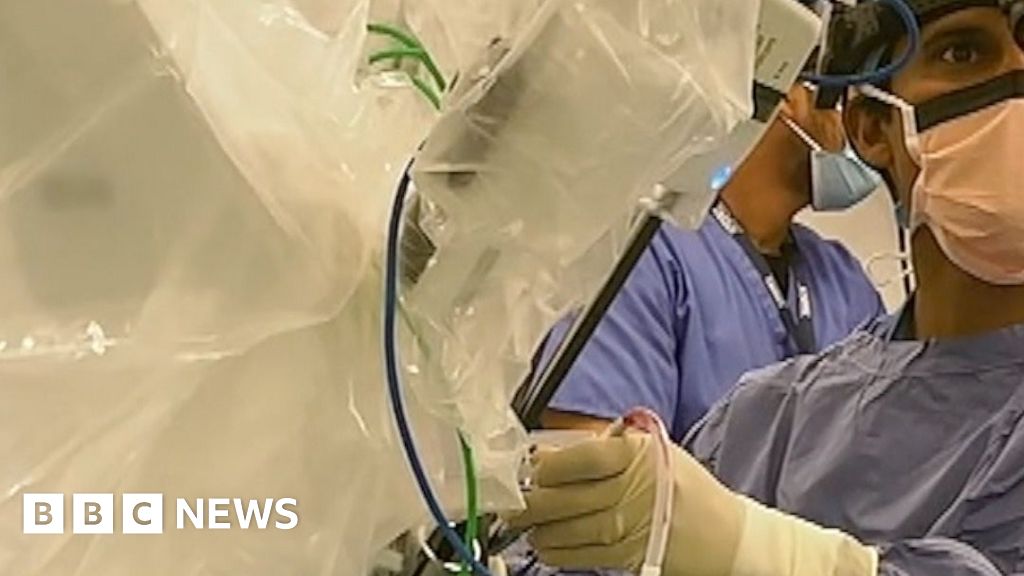
Recently, I found myself reflecting on a remarkable milestone that has quietly transformed the landscape of healthcare. A hospital in Surrey has celebrated its 10,000th robotic-assisted surgical procedure. This achievement doesn’t just mark a number; it represents lives changed and futures reshaped by technology’s delicate touch.
A Journey Through Innovation
I still remember when Royal Surrey NHS Foundation Trust first introduced robotic surgery back in 2009 with the da Vinci surgical system. It felt like stepping into a science fiction novel—machines capable of intricate movements, performing surgeries with precision that human hands might struggle to replicate. Initially skeptical, I was intrigued by this merging of biology and technology, wondering how such advancements would change our understanding of medicine.
The trust now operates four sophisticated surgical robots across various specialties: urology, gynaecology, colorectal procedures, hepatobiliary surgeries, oesophagogastric interventions, and ear, nose, and throat operations. Each robot is akin to an artist’s brush—capable of fine strokes that carve out tumors or repair organs while minimizing damage to surrounding tissues. The quiet hum of machines working in concert can feel almost serene—a testament to how far we have come.
The Human Stories Behind the Numbers
The most compelling part about these technological advancements isn’t merely the equipment; it’s the people behind them. Take Alistair Hutchinson as an example—a 49-year-old man who became the 10,000th patient to undergo robotic surgery for throat cancer. His words resonate deeply: “It truly changed everything. I was able to receive the treatment I needed to remove the cancer – without facing the harsh side effects I had feared.” Hearing stories like Alistair’s makes me wonder how many others have found renewed hope through this cutting-edge technology.
“It truly changed everything.” —Alistair Hutchinson
This quote lingers in my mind like an echo through a cavern— at once powerful and haunting. What does it mean for our collective future when patients can access treatments with fewer side effects? Are we on the brink of redefining what it means to heal? Or are we merely exchanging one set of challenges for another?
The Ethical Maze We Navigate
I find myself wrestling with these questions often as medical innovation continues its rapid ascent. On one hand, there is so much promise—improved outcomes and shorter recovery times—but I also wonder about accessibility. As technologies become more advanced and specialized, will they remain available for all? Will there be inequities based on geography or socioeconomic status? These are critical points to ponder as we rush headlong into a future filled with possibilities.
Sometimes I think back to my own experiences navigating healthcare systems—those moments waiting anxiously for test results or second opinions from specialists who seemed overwhelmed themselves by complex decisions wrought from ever-evolving data points that almost feel alive under scrutiny. Each line item on those reports could spell either relief or fear—it’s exhausting just recalling those uncertainties.
The Uncharted Territory Ahead
An essential aspect of advancing technology is acknowledging its limits as well as its triumphs. Yes, robotic-assisted surgeries offer remarkable precision but let us not forget they are tools wielded by human hands—and therein lies both strength and vulnerability. Surgeons must adapt their skills continuously while navigating ethical dilemmas concerning patient safety versus innovation speed; where do we draw lines if any exist at all?
This ongoing evolution sometimes feels overwhelming—as if we’re hurtling toward an unknown destination without fully grasping what lies ahead or whether it’s ultimately beneficial for humanity at large.
A Reminder That Healing Is Still Human-Centered
I invite readers to reflect on their experiences with medical technology: What strides have inspired you? Where do you see room for improvement? Maybe we’ve gone too far—or maybe we’re not far enough from establishing equitable access across diverse populations seeking care tailored specifically toward their needs. If there is one thing I’ve learned throughout this digital transformation within medicine – it’s that every technological leap brings new ethical considerations alongside familiar joys such as healing bonds forged between practitioners and patients alike during shared struggles against ailments big or small.Your Thoughts Matter Too
A Future Worth Dreaming About
No references cited directly here; instead consider this piece a reflective journey through modern innovation’s implications within health systems worldwide.
Written for Aging Decoded – The Future of Health News, One Story at a Time.