


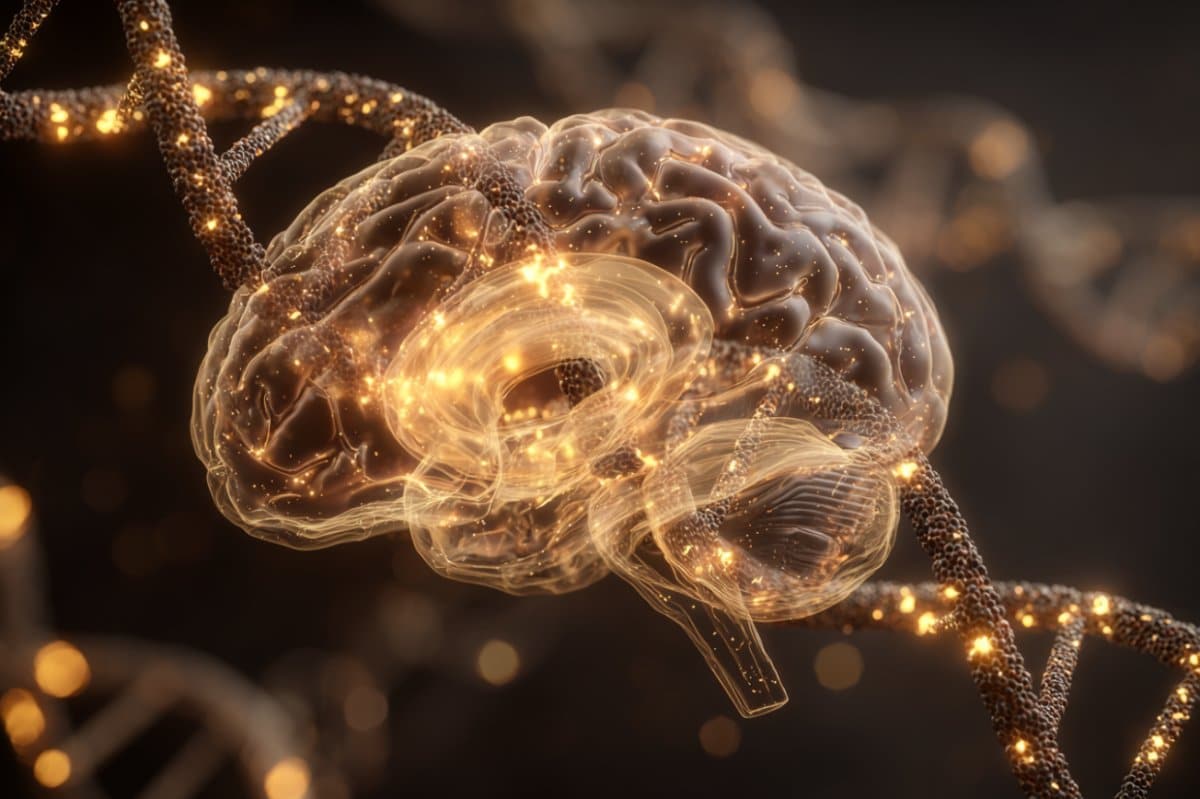
Unlocking the Secrets of Memory: A Journey Through Molecular Mechanisms
As I sift through the latest research from Virginia Tech, I can’t help but feel a mix of awe and curiosity. The studies reveal that age-related memory decline isn’t just an inevitable aspect of growing older; rather, it’s intricately tied to specific molecular changes in our brain. Researchers have shown that by targeting these changes, particularly in two crucial regions—the hippocampus and amygdala—it’s possible to reverse some of the cognitive decline experienced by older rats. This discovery opens up a tantalizing possibility: could we one day treat age-related memory loss at a molecular level? It’s a question that both excites me and invites skepticism.
In these groundbreaking studies led by Timothy Jarome and his team, they utilized CRISPR-based gene-editing tools to tackle the intricate web of molecular signaling associated with memory storage and recall. For many of us who have witnessed loved ones struggle with dementia or forgetfulness as they age, this research feels personal and immediately relevant. It makes me wonder about the broader implications for how we understand aging itself.
The Molecular Mechanics Behind Memory Loss
The findings pinpoint disruptions in key molecular processes like K63 polyubiquitination and IGF2 gene silencing as major players in memory decline. As someone who was once fascinated by genetics during college lectures, recalling those complex biological pathways now takes on new meaning when viewed through the lens of real-world impact. What if correcting these disruptions could give us back cherished memories or make Alzheimer’s a less daunting prospect?
A Closer Look at K63 Polyubiquitination
The first study examined K63 polyubiquitination—a term that may sound intimidating but represents an essential tagging system for proteins within our brains. This process is crucial for neuronal communication, which underlies our ability to form memories. Imagine your brain’s neurons engaged in an intricate dance; when this dance falters due to aging, it results not only in forgotten names or misplaced keys but potentially devastating conditions like dementia.
I recall my grandmother struggling to remember family gatherings—those moments when laughter filled her home now replaced by uncertainty on her part. Jarome’s work shows us that increases in K63 polyubiquitination occur as we get older within certain brain regions like the hippocampus while simultaneously declining in others like the amygdala, which is pivotal for emotional memories. It gives me hope—and perhaps nostalgia—for what might still be achievable.
The Promise of Gene Reactivation
If K63 polyubiquitination serves as one piece of this puzzle, then reactivating IGF2—the gene responsible for supporting memory formation—offers another compelling avenue explored in a second study led by Shannon Kincaid. As I read about how aging leads to IGF2 becoming chemically silenced via DNA methylation—a process akin to placing a ‘Do Not Disturb’ sign on our genes—I can’t help but ponder: what if we could simply lift that sign? The researchers did just that using CRISPR-dCas9 technology, resulting in improved cognitive performance among older rats.
This makes me reflect on my own experiences with technology—and its dual nature as both creator and destroyer—in healthcare settings over recent years: it promises solutions even while complicating ethical considerations surrounding genetic manipulation.
A Broader View on Aging
The significance of Jarome’s findings lies not just within individual pathways but their interconnectedness across multiple systems influencing memory loss with age. Memories don’t fade due solely to one defect; rather, they erode through various entangled mechanisms over time—a realization that nudges at my understanding of human cognition itself.
“Memory loss affects more than a third of people over 70… If we can understand what’s driving it at the molecular level…” – Timothy Jarome
A Collaborative Quest for Knowledge
I find inspiration not only from the science itself but from how this research was collaboratively driven by graduate students—young minds eager to push boundaries alongside seasoned scientists across institutions like Rosalind Franklin University and Indiana University.
There’s something profoundly hopeful about realizing our future health innovators are already shaping their paths toward understanding complex problems such as age-related decline.
A Path Forward?
This brings me back full circle to my earlier musings about treatment possibilities: Could this research pave the way for tangible interventions against Alzheimer’s disease? While it feels early days yet—as each breakthrough often does—it prompts introspection regarding how technology continuously reshapes humanity’s relationship with itself amid its imperfections.
I think about conversations I’ve had with friends grappling with their parents’ fading recollections and wonder whether treatments derived from these studies might arrive too late—or not soon enough—to spare them from profound losses they fear are coming around each bend.
Research Sources:
– “Increased DNA methylation…”, Brain Research Bulletin
– “Age-related dysregulation…”, Neuroscience
Written for Aging Decoded – The Future of Health News, One Story at a Time.