


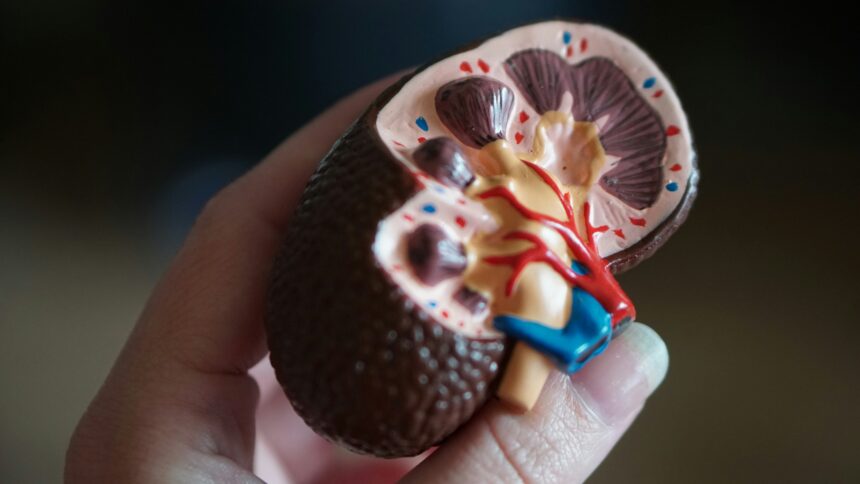
Kidney health is a vital aspect of overall well-being, particularly as we age. The kidneys play a crucial role in filtering waste products from the blood, regulating fluid balance, and maintaining electrolyte levels. They also produce hormones that are essential for blood pressure regulation and red blood cell production. As we grow older, the risk of kidney-related issues increases, making it essential to understand how to maintain kidney health through lifestyle choices and regular medical care. This article will explore various factors that influence kidney function, including hydration, diet, exercise, and the management of chronic conditions.
Understanding kidney health is not just about preventing disease; it’s also about enhancing quality of life. Healthy kidneys contribute to energy levels, mood stability, and overall vitality. By adopting proactive measures to support kidney function, older adults can significantly reduce their risk of developing chronic kidney disease (CKD) and other related complications. This article aims to provide practical insights into maintaining kidney health, emphasizing the importance of personalized care and regular check-ups.
As we age, maintaining kidney health becomes increasingly important, as the kidneys play a crucial role in filtering waste and balancing fluids in the body. A related article that explores the connection between kidney health and aging can be found at Aging Decoded, where various aspects of health and wellness in the context of aging are discussed. This resource provides valuable insights into how lifestyle choices can impact kidney function and overall well-being as we grow older.
Understanding the Aging Process and its Impact on Kidney Function
As we age, our bodies undergo various physiological changes that can affect kidney function. The kidneys naturally lose some of their filtering capacity over time, which can lead to a gradual decline in their efficiency. This decline may not be noticeable at first but can become significant if not monitored. Factors such as decreased blood flow to the kidneys, changes in hormone levels, and the accumulation of waste products can all contribute to this decline.
Moreover, older adults often experience a higher prevalence of chronic conditions such as hypertension and diabetes, which can further compromise kidney function. These conditions can lead to damage in the delicate structures of the kidneys, making it imperative for individuals over 40 to be vigilant about their kidney health. Understanding these age-related changes is crucial for implementing effective prevention strategies and ensuring that any potential issues are addressed early.
Importance of Hydration and its Effect on Kidney Health

Hydration plays a fundamental role in maintaining kidney health. The kidneys require adequate fluid intake to effectively filter waste from the blood and produce urine. Dehydration can lead to concentrated urine, which may increase the risk of kidney stones and urinary tract infections. For older adults, who may have a diminished sense of thirst or mobility challenges that make it difficult to drink enough fluids, staying hydrated can be particularly challenging.
To support kidney function, it is essential to prioritize hydration throughout the day. Drinking water is the best choice, but other fluids like herbal teas or broths can also contribute to overall fluid intake. Additionally, incorporating water-rich foods such as fruits and vegetables into meals can help maintain hydration levels. By making hydration a priority, older adults can significantly enhance their kidney health and overall well-being.
Diet and Nutrition for Kidney Health in Older Adults

A balanced diet is crucial for supporting kidney health, especially as we age. Nutritional choices can have a profound impact on kidney function and overall health. For older adults, focusing on a diet rich in fruits, vegetables, whole grains, lean proteins, and healthy fats is essential. These foods provide vital nutrients while minimizing the intake of sodium, phosphorus, and potassium—minerals that can be harmful in excess for those with compromised kidney function.
Limiting processed foods is also important, as they often contain high levels of sodium and unhealthy fats that can strain the kidneys. Instead, opting for fresh or minimally processed foods can help maintain optimal kidney health. Additionally, portion control is key; eating smaller meals more frequently can aid digestion and reduce the burden on the kidneys. By making informed dietary choices, older adults can support their kidney function while enjoying a varied and nutritious diet.
As we age, maintaining kidney health becomes increasingly important, as the kidneys play a crucial role in filtering waste and balancing fluids in the body. A recent article discusses simple habits that can enhance cognitive resilience and emotional balance, which are essential for overall well-being in older adults. You can read more about these habits and their impact on health by visiting this informative article. Taking proactive steps to support both kidney function and mental health can lead to a more vibrant and fulfilling life as we grow older.
Managing Chronic Conditions that Can Affect Kidney Function
| Metrics | Values |
|---|---|
| eGFR (estimated Glomerular Filtration Rate) | 90-120 mL/min/1.73m² in healthy adults |
| Albuminuria | Less than 30 mg/g creatinine is normal |
| Blood Pressure | Less than 120/80 mmHg is ideal |
| Renal Blood Flow | Approximately 1.0 L/min in adults |
Chronic conditions such as diabetes and hypertension are significant risk factors for kidney disease. Managing these conditions effectively is crucial for preserving kidney health as we age. For individuals with diabetes, maintaining stable blood sugar levels through diet, exercise, and medication adherence is essential to prevent damage to the kidneys. Regular monitoring of blood glucose levels can help identify any fluctuations that may require intervention.
Similarly, controlling blood pressure is vital for protecting kidney function. High blood pressure can damage blood vessels in the kidneys, leading to decreased efficiency in filtering waste products. Lifestyle modifications such as reducing sodium intake, engaging in regular physical activity, and adhering to prescribed medications can help manage blood pressure effectively. By taking proactive steps to manage chronic conditions, older adults can significantly reduce their risk of developing kidney disease.
As we age, maintaining kidney health becomes increasingly important, as the kidneys play a crucial role in filtering waste and balancing fluids in the body. A recent article discusses the various factors that contribute to kidney function decline in older adults and offers insights on how to promote kidney health through diet and lifestyle changes. For more information on this topic, you can read the article on kidney health and aging. Understanding these connections can help individuals make informed choices to support their overall well-being as they grow older.
Lifestyle Changes to Support Kidney Health
In addition to managing chronic conditions and maintaining a balanced diet, certain lifestyle changes can further support kidney health in older adults. Quitting smoking is one of the most impactful changes an individual can make; tobacco use has been linked to an increased risk of kidney disease and other chronic conditions. By eliminating tobacco from their lives, older adults can improve their overall health and reduce their risk of kidney-related issues.
Stress management is another critical aspect of supporting kidney health. Chronic stress can lead to elevated blood pressure and other health complications that may negatively impact kidney function. Engaging in relaxation techniques such as meditation, yoga, or deep breathing exercises can help mitigate stress levels. Additionally, fostering social connections and participating in enjoyable activities can enhance emotional well-being and contribute positively to overall health.
Importance of Regular Exercise for Kidney Health
Regular physical activity is essential for maintaining kidney health as we age. Exercise helps improve circulation, regulate blood pressure, and manage weight—all factors that contribute to optimal kidney function. Engaging in moderate-intensity activities such as walking, swimming, or cycling for at least 150 minutes per week can provide significant benefits for older adults.
Moreover, exercise has been shown to improve insulin sensitivity and lower blood sugar levels in individuals with diabetes, further protecting kidney function. It also promotes mental well-being by reducing symptoms of anxiety and depression, which can be particularly beneficial for older adults facing health challenges. By incorporating regular exercise into their routines, individuals can enhance their overall health while supporting their kidneys.
Monitoring and Managing Medications that Can Affect Kidney Function
As we age, many individuals find themselves taking multiple medications for various health conditions. While these medications are often necessary for managing chronic diseases, some can have adverse effects on kidney function if not monitored properly. Nonsteroidal anti-inflammatory drugs (NSAIDs), certain antibiotics, and some blood pressure medications are examples of drugs that may pose risks to the kidneys.
It is crucial for older adults to have open discussions with their healthcare providers about all medications they are taking. Regular reviews of medication regimens can help identify any potential risks or necessary adjustments to minimize harm to the kidneys. Additionally, individuals should be aware of any new symptoms or side effects that may arise from their medications and report these to their healthcare provider promptly.
Recognizing the Signs of Kidney Disease and Seeking Early Intervention
Early detection of kidney disease is vital for effective management and treatment. Unfortunately, many individuals may not experience noticeable symptoms until the disease has progressed significantly. Common signs of kidney issues include fatigue, swelling in the legs or ankles, changes in urination patterns (such as increased frequency or dark-colored urine), and persistent back pain near the kidneys.
Older adults should be vigilant about recognizing these signs and seeking medical attention if they experience any concerning symptoms. Regular check-ups with healthcare providers can facilitate early detection through routine blood tests that assess kidney function. By being proactive about monitoring their health and recognizing potential warning signs, individuals can take steps toward early intervention and better outcomes.
Importance of Regular Check-ups and Screenings for Kidney Health
Regular check-ups are essential for maintaining kidney health as we age. Healthcare providers often recommend routine screenings that include blood tests to assess kidney function (such as creatinine levels) and urine tests to check for protein or blood in the urine—both indicators of potential kidney issues. These screenings allow for early detection of any abnormalities that may require further investigation or intervention.
In addition to routine screenings for kidney function, older adults should also discuss other relevant tests with their healthcare provider based on their individual risk factors and medical history. Personalized care ensures that each individual receives appropriate monitoring tailored to their specific needs. By prioritizing regular check-ups and screenings, older adults can take proactive steps toward preserving their kidney health.
Support and Resources for Maintaining Kidney Health in Older Adults
Maintaining kidney health requires a multifaceted approach that encompasses lifestyle changes, regular medical care, and access to resources that support overall well-being. Numerous organizations provide valuable information on kidney health tailored specifically for older adults. These resources often include educational materials on nutrition, exercise programs designed for seniors, and support groups where individuals can share experiences and strategies for managing chronic conditions.
Additionally, healthcare providers play a crucial role in guiding patients toward appropriate resources based on their unique needs. Engaging with a registered dietitian or a certified diabetes educator can provide personalized dietary advice that supports both kidney health and overall wellness. By leveraging available resources and support systems, older adults can empower themselves to take charge of their kidney health while enjoying a fulfilling life.
In conclusion, maintaining kidney health as we age involves a comprehensive approach that includes understanding the aging process’s impact on kidney function, prioritizing hydration and nutrition, managing chronic conditions effectively, making lifestyle changes, engaging in regular exercise, monitoring medications carefully, recognizing signs of potential issues early on, and committing to regular check-ups and screenings. By taking these proactive steps and utilizing available resources, older adults can significantly enhance their quality of life while safeguarding their kidney health for years to come.
FAQs
What are the common kidney health issues that come with aging?
As people age, they are more prone to developing kidney diseases such as chronic kidney disease, kidney stones, and urinary incontinence. Aging also increases the risk of high blood pressure and diabetes, which are leading causes of kidney disease.
How does aging affect kidney function?
As people age, their kidney function naturally declines. The kidneys become less efficient at filtering waste products from the blood and regulating fluid and electrolyte balance. This can lead to an increased risk of dehydration and electrolyte imbalances in older adults.
What are some ways to maintain kidney health as we age?
To maintain kidney health as we age, it is important to stay hydrated, eat a balanced diet low in sodium and processed foods, exercise regularly, and manage underlying health conditions such as diabetes and high blood pressure. Regular check-ups with a healthcare provider can also help monitor kidney function.
What role does nutrition play in kidney health and aging?
Nutrition plays a crucial role in maintaining kidney health as we age. A diet low in sodium, processed foods, and added sugars can help reduce the risk of kidney disease. Additionally, consuming adequate amounts of water and maintaining a healthy weight can support overall kidney function.
What are the warning signs of kidney problems in older adults?
Warning signs of kidney problems in older adults may include changes in urinary habits, such as increased frequency or difficulty urinating, swelling in the legs and ankles, fatigue, loss of appetite, and changes in mental sharpness. It is important to seek medical attention if any of these symptoms are present.