


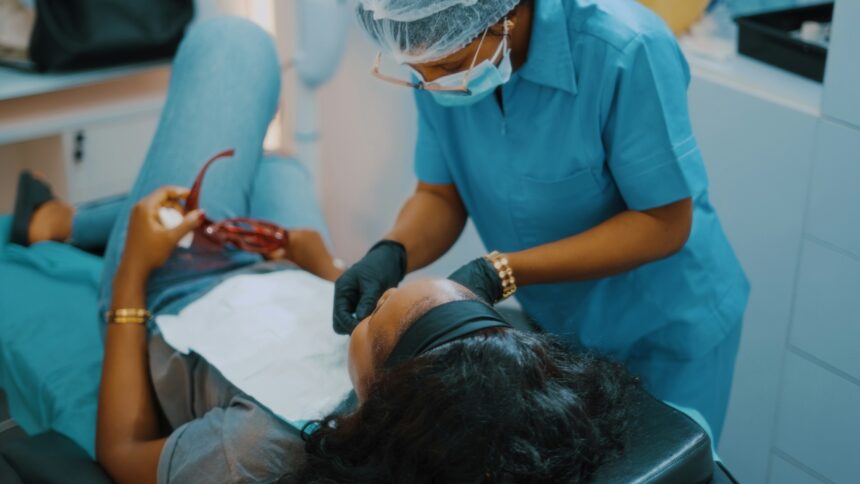
Oral health is often overlooked in discussions about overall well-being, yet it plays a crucial role in our daily lives. Healthy teeth and gums are essential not only for eating and speaking but also for maintaining self-esteem and social interactions. When we think about health, we often focus on physical fitness, nutrition, and mental well-being, but oral health deserves equal attention. It is the gateway to our bodies, influencing how we digest food and communicate with others. Neglecting oral hygiene can lead to a cascade of issues that affect not just the mouth but the entire body.
Moreover, oral health is a reflection of our lifestyle choices. Regular brushing, flossing, and dental visits are fundamental practices that contribute to a healthy mouth. However, many people underestimate the importance of these habits, often waiting until they experience pain or discomfort before seeking help. This reactive approach can lead to more severe problems down the line. By prioritizing oral health, we can enhance our quality of life and potentially extend our longevity.
Maintaining good oral health is crucial not only for a bright smile but also for promoting longevity and overall well-being. Recent studies have shown a strong connection between oral hygiene and the prevention of chronic diseases, which can significantly impact lifespan. For more insights on how smart lifestyle choices can enhance your health as you age, you can read this related article on the importance of oral health and longevity at Aging Decoded.
The Link Between Oral Health and Overall Health
The connection between oral health and overall health is increasingly recognized in the medical community. Research has shown that poor oral hygiene can lead to systemic health issues, including heart disease, diabetes, and respiratory infections. The mouth serves as a breeding ground for bacteria, and when oral health is compromised, these bacteria can enter the bloodstream, causing inflammation and contributing to chronic diseases. This highlights the importance of maintaining good oral hygiene as a preventive measure for overall health.
Furthermore, the relationship between oral health and systemic conditions is bidirectional. For instance, individuals with diabetes are more susceptible to gum disease, while those with gum disease may find it more challenging to control their blood sugar levels. This interplay underscores the need for a holistic approach to health care that includes regular dental check-ups and an emphasis on oral hygiene. By understanding this link, individuals can take proactive steps to safeguard their overall health through better oral care.
Common Oral Health Issues and Their Impact on Longevity

Common oral health issues such as cavities, gum disease, and tooth loss can significantly impact longevity and quality of life. Cavities are one of the most prevalent dental problems, often resulting from poor dietary choices and inadequate oral hygiene. If left untreated, cavities can lead to infections that may require more invasive treatments or even tooth extraction. Similarly, gum disease, which affects the tissues surrounding the teeth, can progress to more severe forms that result in tooth loss and chronic pain.
Tooth loss is not merely a cosmetic issue; it can affect nutrition and overall health. Individuals with missing teeth may struggle to chew certain foods, leading to a less balanced diet that lacks essential nutrients. This nutritional deficiency can contribute to various health problems over time. Additionally, the psychological impact of tooth loss can lead to social withdrawal and decreased self-esteem, further affecting an individual’s quality of life. By addressing these common oral health issues early on, we can improve longevity and enhance overall well-being.
How Poor Oral Health Can Contribute to Chronic Diseases

Poor oral health is not just a dental concern; it can have far-reaching implications for chronic diseases. Studies have shown that individuals with periodontal disease are at a higher risk for developing heart disease due to the inflammatory response triggered by bacteria in the mouth. This inflammation can lead to arterial plaque buildup, increasing the risk of heart attacks and strokes. Similarly, there is a well-documented link between oral health and diabetes management; individuals with gum disease often find it more challenging to control their blood sugar levels.
Moreover, poor oral health can exacerbate respiratory conditions. Bacteria from the mouth can be inhaled into the lungs, leading to pneumonia or other respiratory infections, particularly in older adults or those with compromised immune systems. This connection emphasizes the importance of maintaining good oral hygiene as a preventive measure against chronic diseases. By taking care of our teeth and gums, we are not only protecting our smiles but also our overall health.
Maintaining good oral health is crucial not only for a bright smile but also for promoting longevity and overall well-being. Recent studies have shown a significant link between oral hygiene practices and a reduced risk of chronic diseases, which can contribute to a longer life. For more insights on how oral health impacts aging, you can read a related article that explores the connection in detail. Check it out here.
The Role of Oral Hygiene in Preventing Dental Problems
| Country | Life Expectancy | Percentage of Edentulous Population | Percentage of Population with Dental Caries |
|---|---|---|---|
| United States | 78.9 years | 10% | 92% |
| Japan | 84.6 years | 5% | 68% |
| United Kingdom | 81.3 years | 15% | 85% |
Oral hygiene is the cornerstone of preventing dental problems and maintaining good oral health. Regular brushing with fluoride toothpaste helps remove plaque—a sticky film of bacteria that forms on teeth—while flossing reaches areas that toothbrushes cannot access. Together, these practices help prevent cavities and gum disease by minimizing bacterial buildup. Additionally, using an antibacterial mouthwash can provide an extra layer of protection against harmful bacteria.
Establishing a consistent oral hygiene routine is essential for people of all ages. For children, teaching proper brushing techniques early on sets the foundation for lifelong habits. Adults should also be vigilant about their oral care practices as they age; changes in saliva production or medication side effects can increase the risk of dental issues. By prioritizing daily oral hygiene practices, individuals can significantly reduce their risk of developing dental problems and enjoy better overall health.
The Importance of Regular Dental Check-ups
Regular dental check-ups are vital for maintaining optimal oral health and catching potential issues before they escalate. During these visits, dentists perform thorough examinations that include checking for cavities, gum disease, and other oral health concerns. They also provide professional cleanings that remove tartar buildup—something that regular brushing cannot achieve alone. These preventive measures are crucial for avoiding more extensive treatments down the line.
Moreover, dental check-ups offer an opportunity for education on proper oral hygiene practices tailored to individual needs. Dentists can provide personalized advice based on a patient’s unique circumstances, including dietary recommendations or tips for managing specific dental conditions. By making regular dental visits a priority, individuals can take proactive steps toward maintaining their oral health and preventing future complications.
Tips for Maintaining Good Oral Health
Maintaining good oral health requires a combination of daily habits and lifestyle choices. First and foremost, brushing twice a day with fluoride toothpaste is essential for removing plaque and preventing cavities. Flossing daily is equally important as it helps eliminate food particles and plaque from between teeth where toothbrushes cannot reach. Additionally, using an antibacterial mouthwash can further reduce harmful bacteria in the mouth.
Diet also plays a significant role in oral health. Consuming a balanced diet rich in fruits, vegetables, whole grains, lean proteins, and dairy products provides essential nutrients that support healthy teeth and gums. Limiting sugary snacks and beverages can help prevent cavities while staying hydrated promotes saliva production—an important factor in neutralizing acids produced by bacteria in the mouth. Lastly, avoiding tobacco products and moderating alcohol consumption are crucial steps toward preserving both oral and overall health.
The Impact of Diet and Nutrition on Oral Health
Diet and nutrition have a profound impact on oral health that cannot be overstated. Foods high in sugar contribute to tooth decay by providing fuel for harmful bacteria that produce acids capable of eroding tooth enamel. Conversely, nutrient-rich foods such as dairy products provide calcium and phosphorus—essential minerals for strong teeth—while crunchy fruits and vegetables help stimulate saliva production and naturally clean teeth.
Moreover, certain vitamins play critical roles in maintaining healthy gums. For instance, vitamin C is vital for gum tissue repair and helps prevent gum disease by supporting immune function. A well-rounded diet not only supports oral health but also contributes to overall well-being by providing the body with necessary nutrients to function optimally. By making informed dietary choices, individuals can significantly enhance their oral health while reaping additional benefits for their overall wellness.
The Connection Between Oral Health and Mental Well-being
The connection between oral health and mental well-being is an area of growing interest among researchers and healthcare professionals alike. Poor oral health can lead to significant psychological distress due to concerns about appearance or discomfort from dental issues. Individuals with missing teeth or gum disease may experience lowered self-esteem or social anxiety, which can further exacerbate feelings of isolation or depression.
Conversely, maintaining good oral health can positively influence mental well-being by boosting confidence and promoting social interactions. A healthy smile often leads to increased self-assurance in personal and professional settings. Additionally, engaging in regular dental care routines can provide a sense of accomplishment and control over one’s health—factors that contribute positively to mental well-being. By recognizing this connection between oral health and mental wellness, individuals can take proactive steps toward improving both aspects of their lives.
Oral Health and Aging: How to Maintain Healthy Teeth and Gums as You Get Older
As we age, maintaining healthy teeth and gums becomes increasingly important yet often more challenging due to various factors such as decreased saliva production or medication side effects that may affect oral health. Older adults may be at higher risk for conditions like dry mouth or gum disease; therefore, it’s essential to adapt oral care routines accordingly. Regular dental check-ups become even more critical during this stage of life to monitor changes in oral health.
In addition to routine care, older adults should focus on maintaining a balanced diet rich in nutrients that support dental health while being mindful of any dietary restrictions they may have due to other medical conditions. Staying hydrated is also crucial; drinking plenty of water helps combat dry mouth while promoting saliva production—an important factor in protecting against cavities and gum disease. By prioritizing these practices as they age, individuals can maintain healthy teeth and gums well into their later years.
The Future of Oral Health Care: Innovations and Advances in Dentistry
The future of oral health care is bright with numerous innovations poised to transform how we approach dental care. Advances in technology have led to improved diagnostic tools such as digital X-rays that expose patients to less radiation while providing clearer images for accurate assessments. Additionally, laser dentistry has emerged as a less invasive option for treating various dental issues—from cavity removal to gum reshaping—resulting in reduced discomfort during procedures.
Tele-dentistry is another exciting development that allows patients to consult with dental professionals remotely—making access to care more convenient than ever before. This innovation is particularly beneficial for individuals living in remote areas or those with mobility challenges who may find it difficult to visit a dentist in person. As research continues into areas such as regenerative dentistry—where techniques aim to restore damaged tissues—there’s hope for even more effective treatments in the future that prioritize patient comfort while enhancing overall oral health outcomes.
In conclusion, prioritizing oral health is essential for maintaining overall well-being as we age. By understanding the connections between oral hygiene practices, diet, mental well-being, and chronic diseases, individuals can take proactive steps toward preserving their smiles while enhancing their quality of life. Regular dental check-ups combined with good daily habits will empower individuals to enjoy healthier teeth and gums throughout their lives.
FAQs
What is the connection between oral health and longevity?
Studies have shown that there is a strong connection between oral health and longevity. Poor oral health has been linked to various systemic diseases such as heart disease, diabetes, and stroke, which can ultimately impact life expectancy.
How does oral health impact overall health?
Poor oral health can lead to inflammation and infection in the body, which can contribute to the development of chronic diseases. Additionally, oral health problems can make it difficult to eat a healthy diet, which is essential for overall health and longevity.
What are some oral health practices that can contribute to longevity?
Practicing good oral hygiene, such as brushing and flossing regularly, visiting the dentist for regular check-ups, and avoiding tobacco use, can all contribute to better oral health and potentially increase longevity.
Can poor oral health shorten lifespan?
Yes, poor oral health has been associated with a shorter lifespan. Chronic oral infections and inflammation can contribute to the development of systemic diseases that can ultimately impact life expectancy.
Are there specific oral health issues that are particularly concerning for longevity?
Gum disease, also known as periodontal disease, has been specifically linked to various systemic diseases and has been identified as a potential risk factor for reduced longevity. It is important to address and manage gum disease to help maintain overall health and longevity.