


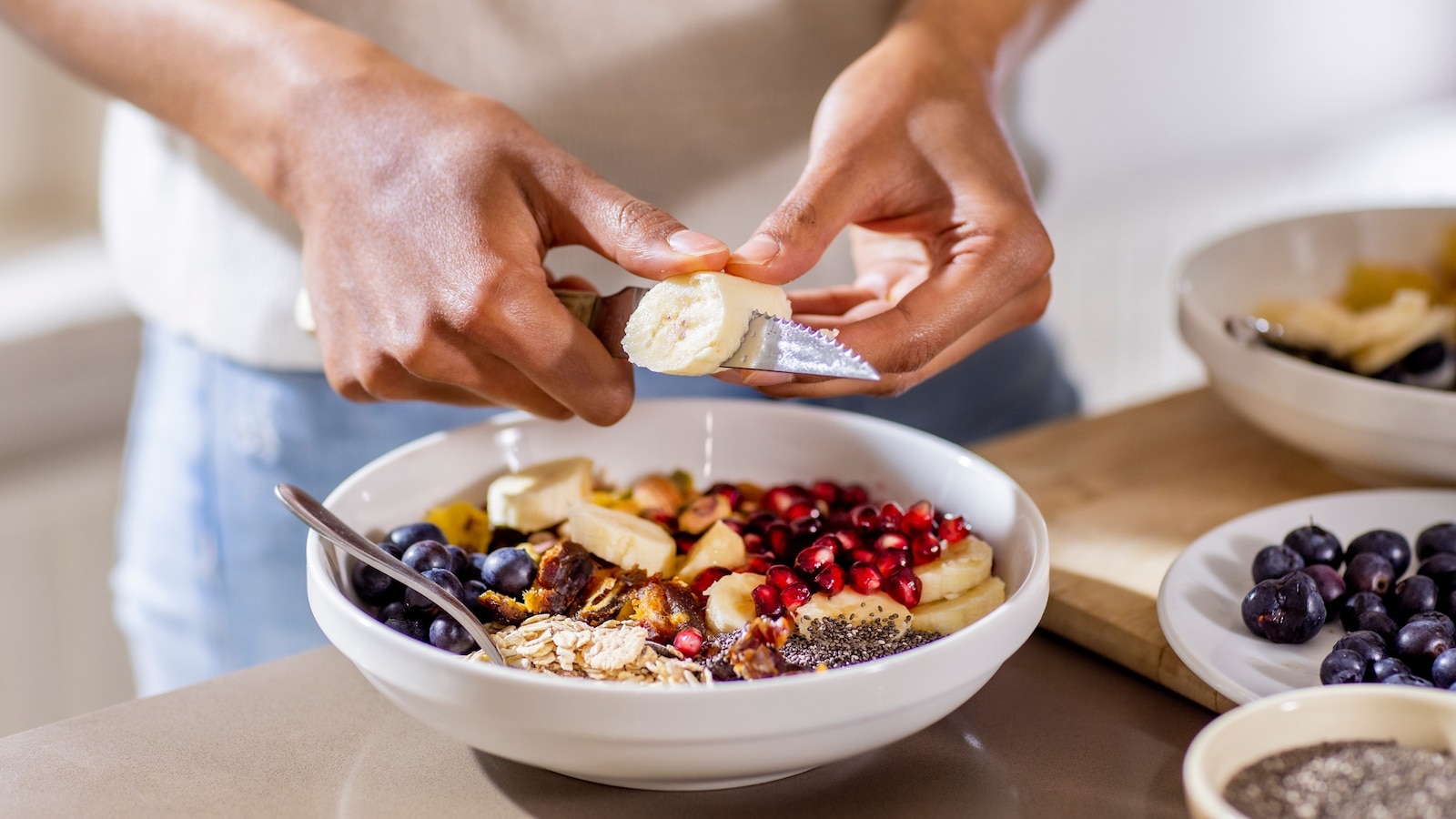
The Power of Carbs: Nourishing Our Way to Healthier Aging
Rediscovering the Roots of Nutrition
In a world increasingly awash in processed foods, the whispers of our ancestors remind us that not all carbohydrates are created equal. The recent study highlighting how women who focus on unprocessed carbs—think vibrant fruits, hearty vegetables, whole grains, and legumes—tend to enjoy better health as they approach 70 feels like a welcome reminder. It stirs something deep within me, igniting memories of my grandmother’s kitchen filled with the warm scent of freshly baked whole grain bread and bowls bursting with colorful produce. If I close my eyes, I can almost hear her laughter mingling with the rustle of leaves from the garden just outside.
A Study Worth Savoring
This enlightening study, published in JAMA Network Open after more than three decades of research involving over 47,000 women, reflects a collective journey through time—a meticulous exploration into how our choices shape our futures. Each participant completed detailed food and health questionnaires every two years; it’s fascinating to think about those moments where choices were made—around bustling tables or quiet kitchens—each decision adding another brushstroke to their health portraits.
The Essence of Healthy Aging
The researchers defined “healthy aging” as reaching age 70 without being burdened by chronic diseases or cognitive decline. For many of us navigating midlife challenges—balancing careers, family responsibilities, and perhaps aging parents—it can feel like a distant dream to arrive at this milestone intact and thriving. Yet here lies an encouraging truth: those who embraced high-quality carbs were not only statistically but meaningfully more likely to maintain their physical prowess and mental clarity as they aged.
A Personal Connection
I reflect on my own relationship with food—the times I’ve celebrated with rich pasta dishes or leaned on quick processed meals during chaotic days. There’s comfort in convenience; however, I have started recognizing how these “bad carbs,” laden with sugars and devoid of nutrients found in their wholesome counterparts, left me feeling less than vibrant. In contrast, when I savor a robust quinoa salad mixed with fresh greens and roasted sweet potatoes drizzled in tangy lemon vinaigrette, there’s an undeniable clarity that accompanies each bite—a sense that I’m nurturing both body and spirit.
“Dietary fiber and high-quality carbohydrates are essential for preventing chronic diseases,” says Andres Ardisson Korat from Tufts University.
Nourishment Beyond Nutrients
Korat emphasizes that dietary fiber is not just about filling up; it’s about protecting ourselves from chronic ailments such as diabetes or heart disease while enhancing overall well-being. This notion resonates deeply within me—I realize food contains not just calories but stories waiting to be shared across generations at dinner tables filled with laughter where cooking is an act of love rather than simply sustenance.
The Shift Toward Quality
I am reminded that high-quality carbohydrates come cloaked in mother nature’s wrapping: minimally processed gems full of nutrients alongside minimal added sugars. When I reach for fruits straight from the farmer’s market or pour whole oats into breakfast bowls instead of sugary cereals hastily snatched off grocery shelves—which often leave me sluggish—I’m making conscious choices toward wellness that echo beyond mere numbers on a scale.
An Invitation for Change
The study illuminated something poignant: women who regularly embraced high-quality carbohydrates saw a striking 30% increase in their likelihood to retain physical abilities as they aged gracefully through life’s transitions. This invites reflection on my own habits; what if swapping out refined options might amplify my vitality? Maybe it’s time again to explore new recipes rather than reheating last week’s takeout—or even better yet—to invite friends over for shared meals laden with love?
Challenging Limitations Together
While this research offers profound insights into nutrition’s effects on longevity and quality living during our later years—as well as some valid limitations—it also highlights something common among many studies: they may represent specific populations more inclined toward healthier eating practices than average Americans might be accustomed to embracing daily.
As we navigate this journey together toward better eating habits amid rising consumption rates for heavily processed foods around us everywhere we turn—it seems critical now more than ever before—to seek balance while being gentle on ourselves amidst trying circumstances so familiar today.
“Seeking out whole fruits and vegetables truly goes a long way,” Korat notes.
A Path Forward Through Reflection
As we collectively confront dietary dilemmas today—and grapple constantly against temptations for convenient fast foods—we must remember nourishment isn’t wholly defined by nutritional labels alone; it’s interwoven into the fabric connecting us all through cherished moments spent sharing meals together.
Let’s embrace imperfections along our paths forward too! After all…when did perfection ever taste delicious anyway? Letting go sometimes means savoring simplicity instead—the humble lentils simmered gently until tender alongside vibrant spices wafting warmly throughout your home—a true embodiment reflecting resilience wrapped warm inside bowls shared amongst loved ones gathered close around them!
Written for Aging Decoded – The Future of Health News, One Story at a Time.