


The vibrant tapestry of life is woven with threads of both time and our choices. As we navigate the journey of aging, a central question emerges: how can we not just live longer, but live better, with sustained energy, mental clarity, and physical vitality? At AgingDecoded.com, under our “Nutrition & Longevity Diet” banner, we delve into the profound connection between what we eat and how well we age. This article explores a powerful dietary approach – predominantly plant-based and inspired by the time-tested wisdom of the Mediterranean – as a cornerstone of healthy longevity. We will illuminate the science behind why certain foods and eating patterns foster a resilient body and mind, drawing inspiration from the remarkable longevity observed in centenarian populations and the famed Blue Zones.
The Pillars of a Longevity Diet: Simplicity, Whole Foods, and Balance
The notion of an “anti-aging diet” can sound complex, conjuring images of exotic ingredients and restrictive regimens. However, the science points towards a more accessible and profoundly effective approach: embracing whole, minimally processed foods, with a strong emphasis on plant-based sources. This isn’t about elimination; it’s about abundance – an abundance of nutrient-rich foods that nourish our cells and support our body’s natural repair and rejuvenation processes.
Vegetables and Fruits: The Powerhouses of Protection
At the heart of any longevity-focused eating pattern lies an unwavering commitment to a diverse array of vegetables and fruits. These nutritional titans are packed with vitamins, minerals, fiber, and a dazzling spectrum of phytochemicals – plant compounds that act as our internal bodyguards.
Antioxidants: Our Cellular Shield
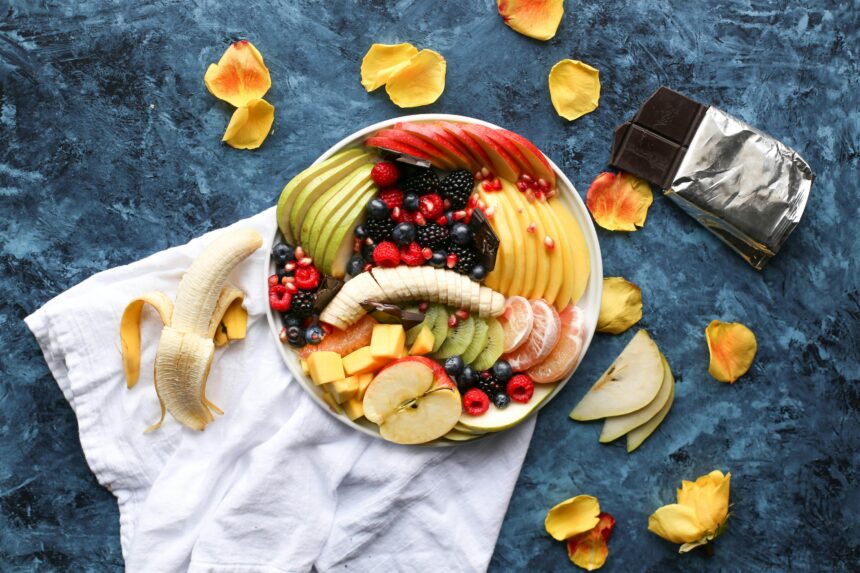
The vibrant colors of produce are a visual testament to their rich antioxidant content. Antioxidants are molecules that combat oxidative stress, a process initiated by unstable molecules called free radicals. While free radicals are a natural byproduct of metabolism, excessive amounts, often fueled by environmental toxins and poor diet, can damage cells, contributing to inflammation and the aging process.
- Vitamin C: Found abundantly in citrus fruits, berries, bell peppers, and leafy greens, Vitamin C is a potent antioxidant that supports the immune system and is crucial for collagen production, which keeps our skin firm and supple.
- Vitamin E: Present in nuts, seeds, and leafy greens, Vitamin E is another vital antioxidant that protects cell membranes from damage.
- Beta-Carotene: The precursor to Vitamin A, found in carrots, sweet potatoes, and spinach, beta-carotene is a powerful antioxidant that also plays a role in vision and immune function.
- Lycopene: This antioxidant, responsible for the red hue in tomatoes and watermelon, has been linked to heart health and protection against certain cancers.
- Anthocyanins: These pigments, giving blueberries, blackberries, and red grapes their deep colors, are powerful antioxidants with anti-inflammatory properties.
Fiber: The Gut’s Best Friend and Beyond
The fiber present in vegetables and fruits is a multi-talented nutrient. Beyond promoting digestive regularity, fiber acts as a prebiotic, feeding the beneficial bacteria in our gut. This is crucial for gut health, which we will explore in detail later. Furthermore, fiber helps regulate blood sugar levels, promoting sustained energy and reducing the risk of chronic diseases. It also contributes to satiety, helping us feel fuller for longer, which can aid in maintaining a healthy weight – a key factor in longevity.
Legumes: The Humble Heroes of Longevity
Beans, lentils, chickpeas, and peas are often overlooked but are quintessential to longevity diets. They are a phenomenal source of plant-based protein, complex carbohydrates, and an impressive array of micronutrients and fiber.
Plant-Based Protein Power
As we age, particularly entering midlife and beyond, our protein needs remain significant. Protein is essential for maintaining muscle mass, which naturally declines with age. This decline, known as sarcopenia, can impact mobility, metabolism, and overall strength. Legumes offer a sustainable and health-promoting source of protein, providing the building blocks our bodies need without the saturated fat often associated with animal protein.
- Amino Acid Profile: While individual legumes may not contain all essential amino acids in significant quantities, combining them with other plant-based foods throughout the day ensures a complete amino acid profile. For instance, pairing beans with whole grains creates a synergistic effect, providing all the necessary building blocks for protein synthesis.
- Satiety and Blood Sugar Control: The combination of protein and fiber in legumes contributes to a slow and steady release of energy, preventing sharp spikes and crashes in blood sugar levels. This helps manage appetite and can be particularly beneficial for preventing type 2 diabetes, a common age-related condition.
Micronutrient Richness
Legumes are also brimming with essential minerals like iron, zinc, magnesium, and potassium, and B vitamins. These play vital roles in everything from energy production to nerve function.
Whole Grains: Sustaining Energy and Health
Unlike their refined counterparts, whole grains retain all parts of the grain kernel – the bran, germ, and endosperm – making them a nutritional powerhouse. They are a primary source of complex carbohydrates, providing sustained energy release, along with fiber, B vitamins, and minerals like magnesium and selenium.
- Sustained Energy Release: The complex carbohydrates in whole grains are broken down slowly, preventing rapid glucose spikes and promoting stable energy levels throughout the day. This is crucial for maintaining focus and preventing fatigue as we age.
- Heart Health and Disease Prevention: The fiber and beneficial compounds in whole grains have been consistently linked to a reduced risk of heart disease, stroke, and type 2 diabetes. They can also contribute to lower cholesterol levels.
- Examples of Longevity-Supporting Whole Grains: Oats, barley, quinoa, brown rice, farro, and buckwheat are excellent choices that are staples in many healthy aging diets.
Nuts and Seeds: Tiny Packages of Immense Value
Often referred to as “superfoods,” nuts and seeds are calorie-dense but incredibly nutrient-rich. They are packed with healthy fats, plant-based protein, fiber, vitamins (especially Vitamin E), and minerals like magnesium, zinc, and selenium.
Healthy Fats for Brain and Heart
The primary fat in nuts and seeds is monounsaturated and polyunsaturated fat, including omega-3 fatty acids found in walnuts and flaxseeds. These healthy fats are vital for brain health, reducing inflammation, and supporting cardiovascular function. They help lower LDL (“bad”) cholesterol and increase HDL (“good”) cholesterol.
- Walnuts: Particularly rich in omega-3 ALA, walnuts are thought to support cognitive function and reduce inflammation.
- Almonds: A good source of Vitamin E and magnesium, almonds are beneficial for bone health and blood sugar control.
- Chia Seeds and Flaxseeds: Excellent sources of omega-3s and fiber, these tiny seeds are versatile additions to smoothies, yogurts, and baked goods.
Micronutrient Density
Beyond healthy fats, nuts and seeds provide essential minerals that often become less bioavailable with age. Magnesium, for instance, is crucial for muscle and nerve function, blood sugar control, and blood pressure regulation.
In the quest for youthful skin, incorporating anti-aging foods into your diet can be incredibly beneficial. These foods not only nourish your body but also provide essential nutrients that promote skin health and vitality. For those interested in exploring innovative skincare solutions, you might find this article on acne studios and their innovative solutions particularly insightful, as it delves into how lifestyle choices, including diet, can impact the aging process. By combining the right foods with effective skincare practices, you can enhance your overall appearance and maintain a radiant complexion.
Olive Oil: The Liquid Gold of the Mediterranean
Extra virgin olive oil (EVOO) is a cornerstone of the Mediterranean diet and a potent ally in healthy aging. It is rich in monounsaturated fatty acids and powerful antioxidants, particularly polyphenols.
Anti-inflammatory Properties
The polyphenols in EVOO have robust anti-inflammatory effects, helping to combat the chronic, low-grade inflammation often associated with aging and many chronic diseases. Oleocanthal, a specific polyphenol, has been shown to have similar anti-inflammatory effects to ibuprofen.
- Heart Health: EVOO’s healthy fats and antioxidants contribute to improved cholesterol profiles and reduced risk of cardiovascular disease.
- Brain Protection: The anti-inflammatory and antioxidant properties may also play a role in protecting brain cells from damage and supporting cognitive function.
- Gut Health Support: Emerging research suggests that EVOO can positively influence the gut microbiome.
In addition to exploring the benefits of anti-aging foods, it’s essential to consider a holistic approach to health that includes proactive strategies for disease prevention. For instance, an insightful article discusses various health strategies that can help in early detection and prevention of diseases, which can complement a diet rich in anti-aging nutrients. You can read more about these strategies in the article titled “Proactive Health Strategies for Preventing and Detecting Ebola Disease Early” available at this link.
The Blue Zones and Centenarian Lessons: Beans, Greens, and Gratitude
The concept of Blue Zones – geographical areas where people live significantly longer and healthier lives than average – offers invaluable insights into the dietary habits of centenarians. These regions, including Okinawa in Japan, Sardinia in Italy, Nicoya in Costa Rica, Ikaria in Greece, and Loma Linda in California, share common dietary threads that are remarkably aligned with a plant-based, Mediterranean-style approach.
The Power of Plant-Based Staples
Across most Blue Zones, the diet is overwhelmingly plant-based, with animal products consumed sparingly, often as a condiment rather than a main course.
- Beans as a Daily Staple: In all Blue Zones, legumes are a cornerstone. They are typically consumed daily, providing a significant source of protein, fiber, and essential nutrients. Whether it’s black beans in Costa Rica, lentils in Sardinia, or soybeans in Okinawa, beans are the reliable fuel for longevity.
- Leafy Greens Galore: Dark leafy greens like spinach, kale, and collard greens are consistently abundant. They are packed with vitamins, minerals, and antioxidants that combat oxidative stress and inflammation.
- Root Vegetables for Sustained Energy: Sweet potatoes feature prominently in the Okinawan diet, providing complex carbohydrates and beta-carotene. Other root vegetables also play a role in providing sustained energy and essential nutrients.
- Nuts as Healthy Snacks: A handful of nuts – almonds, walnuts, or pistachios – is a common snack, providing healthy fats, protein, and a feeling of satiety.
Beyond Food: The Importance of Environment and Lifestyle
While diet is paramount, it’s crucial to acknowledge that Blue Zone inhabitants also benefit from strong social connections, regular physical activity, a sense of purpose, and stress-management practices. These holistic factors contribute to their remarkable longevity.
Navigating Key Longevity Concepts: Protein, Inflammation, Gut Health, and Fasting
As we mature, certain dietary considerations become more nuanced. Understanding these concepts can empower us to make informed choices that support our well-being.
Protein Needs in Midlife and Beyond
Contrary to some beliefs, protein needs don’t necessarily plummet with age. In fact, maintaining adequate protein intake is critical for preserving muscle mass and function.
- Sarcopenia Prevention: As mentioned earlier, sarcopenia, the age-related loss of muscle mass, can lead to frailty and reduced mobility. Adequate protein intake, combined with resistance exercise, is the most effective strategy to combat this.
- Muscle Protein Synthesis: Our bodies become slightly less efficient at synthesizing muscle protein as we age. This means we may need a slightly higher protein intake to stimulate muscle repair and growth.
- Distribution Throughout the Day: It’s beneficial to distribute protein intake across meals rather than concentrating it in one sitting. This provides a more consistent stimulus for muscle protein synthesis.
- Quality Matters: Prioritize high-quality protein sources. For those following a plant-based diet, this means focusing on a variety of legumes, whole grains, nuts, seeds, and soy products to ensure a complete amino acid profile.
Anti-Inflammatory Eating: The Foundation of Cellular Health
Chronic inflammation is a silent driver of many age-related diseases, including heart disease, arthritis, and neurodegenerative disorders. An anti-inflammatory diet aims to reduce this internal “fire” by emphasizing foods that soothe and protect.
- What to Emphasize: The principles of plant-based, Mediterranean-style eating are inherently anti-inflammatory. This includes:
- Omega-3 Fatty Acids: Found in fatty fish (salmon, mackerel), flaxseeds, chia seeds, and walnuts.
- Antioxidant-Rich Foods: “Eat the rainbow” with plenty of colorful fruits and vegetables.
- Healthy Fats: Olive oil, avocados, nuts, and seeds.
- Spices and Herbs: Turmeric, ginger, garlic, cinnamon, and oregano possess potent anti-inflammatory properties.
- What to Limit: Foods that tend to promote inflammation include:
- Processed Foods and Refined Sugars: These can trigger inflammatory pathways.
- Excessive Saturated and Trans Fats: Found in fried foods and many commercially prepared baked goods.
- Refined Carbohydrates: White bread, white pasta, and sugary cereals.
- Excessive Alcohol: While moderate alcohol consumption can have some benefits for certain individuals, excessive intake is pro-inflammatory.
Gut Health: The Gut-Brain Axis and Beyond
The trillions of microorganisms residing in our digestive tract, collectively known as the gut microbiome, play a far more significant role in our overall health than we once understood. A healthy gut is intimately linked to immune function, mood, weight management, and even the aging process.
- The Microbiome’s Role: Beneficial gut bacteria help digest food, produce vitamins, strengthen the gut barrier, and even influence our immune system. An imbalance, known as dysbiosis, can contribute to inflammation and various health issues.
- Dietary Drivers of Gut Health:
- Fiber is Key: As we’ve emphasized, fiber from fruits, vegetables, whole grains, and legumes acts as prebiotic fuel for beneficial bacteria.
- Fermented Foods: Yogurt with live and active cultures, kefir, sauerkraut, kimchi, and tempeh introduce beneficial probiotics directly into the gut.
- Polyphenols: Found in colorful fruits and vegetables, these compounds can also positively influence the gut microbiome.
- Moderating Gut-Disrupting Foods: Excessive intake of processed foods, artificial sweeteners, and refined sugars can negatively impact the diversity and balance of gut bacteria.
Fasting and Time-Restricted Eating: Harnessing the Power of Periods of Nourishment
Fasting, or intentionally abstaining from food for a period, and time-restricted eating (TRE), where food intake is limited to a specific window each day, have gained popularity for their potential health benefits. Research suggests these practices can have positive effects on metabolic health, cellular repair, and inflammation.
- Autophagy: Cellular Housekeeping: During periods of fasting, our cells can upregulate a process called autophagy. This is essentially a cellular “clean-up” mechanism where damaged or dysfunctional cell components are removed and recycled, promoting cellular health and longevity.
- Improved Insulin Sensitivity: TRE, in particular, can help improve insulin sensitivity, making our bodies more efficient at using glucose and reducing the risk of type 2 diabetes.
- Metabolic Flexibility: By intermittently giving our digestive system a break, our bodies can become more adept at switching between burning carbohydrates and fats for energy.
- Realistic Approaches: For many individuals over 40, a sustainable approach to TRE might involve a 10-12 hour overnight fasting window, aligning with natural sleep patterns. For example, finishing dinner by 7 PM and not eating breakfast until 7 AM or 9 AM. It’s crucial to listen to your body and consult with a healthcare professional, especially if you have underlying health conditions. Extreme or prolonged fasting is not recommended without medical supervision.
Calorie Density vs. Nutrient Density: A Crucial Distinction
Understanding calorie density is vital for weight management, which is intrinsically linked to healthy aging.
- Calorie Density: This refers to the number of calories in a given amount of food. Foods like processed snacks, sugary drinks, and refined grains are calorie-dense but nutrient-poor. They provide a lot of energy with few vitamins, minerals, and fiber.
- Nutrient Density: Conversely, nutrient-dense foods, like vegetables, fruits, legumes, and lean proteins, provide a wealth of vitamins, minerals, fiber, and antioxidants for a relatively lower calorie count.
- The Longevity Strategy: Focusing on nutrient-dense foods naturally leads to a lower calorie intake without necessarily promoting extreme restriction. This allows you to feel satisfied and nourished while supporting a healthy weight, which reduces the burden on your body and lowers your risk of numerous chronic diseases. It’s about choosing foods that work for you, not against you.
How to Eat for Longevity: Realistic Swaps for Those Over 40
Embarking on a journey toward healthier aging doesn’t require a complete overhaul overnight. Small, consistent changes can yield significant results. Here are a few realistic food and habit swaps for individuals over 40:
- Swap Refined Grains for Whole Grains: Instead of white bread, opt for whole-wheat bread. Switch white rice for brown rice or quinoa. Choose whole-grain pasta over refined versions. This instantly increases your fiber and nutrient intake.
- Increase Your Vegetable Intake by One Serving: Aim to add at least one extra serving of vegetables to your day. This could be throwing spinach into your morning smoothie, adding a side salad to lunch, or incorporating an extra vegetable into your dinner stir-fry or soup.
- Incorporate Beans or Lentils Regularly: Make legumes a more consistent part of your meals. Add a handful of lentils to your soup, have a bean salad for lunch, or incorporate black beans into your tacos. Aim for at least 3-4 servings per week.
- Choose Olive Oil as Your Primary Cooking Fat: If you’re currently using other oils, switch to extra virgin olive oil for sautéing, dressings, and finishing dishes.
By embracing a mostly plant-based, Mediterranean-style way of eating, rich in vegetables, fruits, legumes, whole grains, nuts, seeds, and fish, while minimizing processed foods, sugar, refined carbs, and excess alcohol, you are investing in your future self. This approach, supported by the lessons from centenarians and Blue Zones, and informed by scientific understanding of inflammation, gut health, and nutrient timing, offers a powerful pathway to not just a longer life, but a life lived with vitality, energy, and well-being. Your plate is a powerful tool for shaping your aging journey.
FAQs
What are anti-aging foods?
Anti-aging foods are those that are rich in antioxidants, vitamins, and minerals that help to combat the effects of aging on the body. These foods can help to reduce inflammation, protect against oxidative stress, and support overall health and wellness.
What are some examples of anti-aging foods?
Some examples of anti-aging foods include berries, leafy greens, fatty fish, nuts, seeds, olive oil, avocados, and green tea. These foods are rich in antioxidants, omega-3 fatty acids, and other nutrients that have been shown to have anti-aging properties.
How do anti-aging foods help to combat the effects of aging?
Anti-aging foods help to combat the effects of aging by reducing inflammation, protecting against oxidative stress, supporting healthy skin and hair, and promoting overall health and wellness. These foods can also help to support brain health and cognitive function as we age.
Are there any specific nutrients that are important for anti-aging?
Yes, there are several nutrients that are important for anti-aging, including antioxidants such as vitamin C, vitamin E, and beta-carotene, as well as omega-3 fatty acids, and polyphenols. These nutrients help to protect the body from the effects of aging and support overall health and wellness.
How can I incorporate anti-aging foods into my diet?
You can incorporate anti-aging foods into your diet by including a variety of fruits, vegetables, whole grains, lean proteins, and healthy fats in your meals. Try to include a range of colorful fruits and vegetables, as well as sources of omega-3 fatty acids and antioxidants, to support anti-aging benefits.