


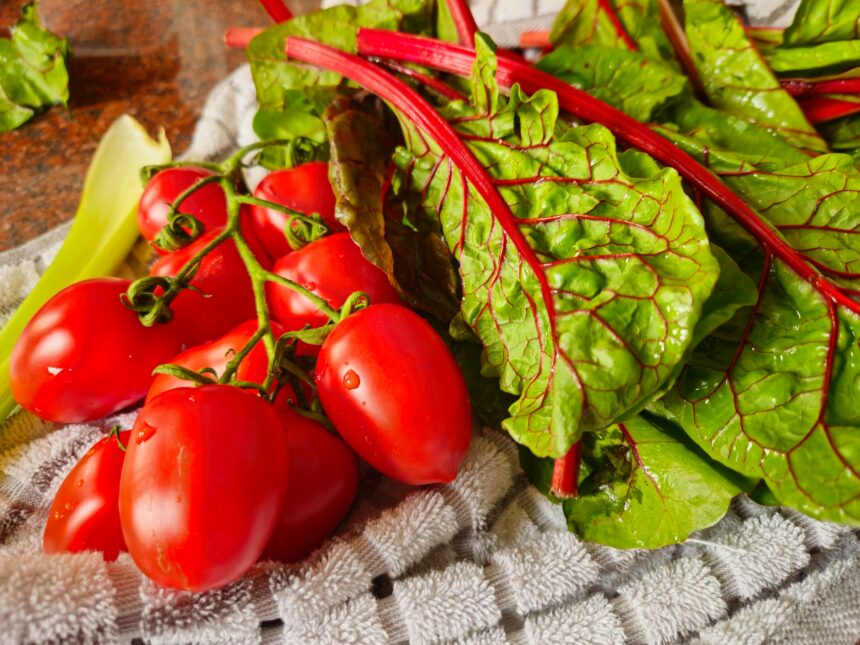
As we navigate the journey of life, the concept of “aging gracefully” evolves beyond simply looking good to embracing vitality, cognitive sharpness, and overall well-being well into our later years. At AgingDecoded.com, we believe that nutrition plays a pivotal role in achieving this, and few dietary patterns have garnered as much scientific backing for healthy aging as the largely plant-based, Mediterranean-inspired approach. It’s not a fad diet, but a timeless culinary tradition rooted in the vibrant cultures surrounding the Mediterranean Sea – a tradition that consistently shows up in the lifestyles of the world’s longest-lived populations.
Unpacking the Longevity Plate: What Does “Mediterranean-Style” Really Mean?
When we talk about a Mediterranean-style diet, we’re not just referring to a collection of recipes; we’re describing a holistic way of eating that prioritizes whole, unprocessed foods. Imagine a plate overflowing with nature’s bounty:
- Abundant Vegetables and Fruits: These colorful powerhouses are the foundation, providing a rich array of vitamins, minerals, fiber, and antioxidants.
- Legumes (Beans, Lentils, Chickpeas) and Whole Grains: Staple sources of plant-based protein, complex carbohydrates, and soluble fiber, contributing to sustained energy and gut health.
- Nuts and Seeds: Small but mighty, these offer healthy fats, protein, fiber, and crucial micronutrients.
- Olive Oil: The primary fat source, prized for its monounsaturated fatty acids and polyphenols, particularly extra virgin olive oil.
- Fish and Seafood: Consumed regularly, about twice a week, providing omega-3 fatty acids vital for heart and brain health.
- Moderate Dairy and Poultry: Included in smaller quantities.
- Very Little Processed Food, Added Sugars, Refined Carbohydrates, and Excess Alcohol: These are the elements actively minimized, as they contribute to inflammation, oxidative stress, and chronic disease.
This dietary pattern isn’t about rigid restrictions but about mindful choices that nourish your body at a cellular level.
Recent studies have highlighted the benefits of the Mediterranean diet in promoting healthy aging and longevity. For those interested in exploring this topic further, a related article can be found at Aging Decoded, which discusses various lifestyle factors, including nutrition, that contribute to successful aging. This resource provides valuable insights into how adopting a Mediterranean diet can positively impact overall health as we age.
Lessons from Longevity Hotspots: The Blue Zones and Centenarians
The concept of “longevity patterns” is vividly illustrated in the “Blue Zones” – five regions across the globe identified by researchers as having the highest concentrations of centenarians (people living to 100 and beyond). While geographical and cultural nuances exist, a striking dietary commonality runs through them, echoing the Mediterranean-style approach:
The Power of Plants in Blue Zones
- Daily Legumes: In virtually all Blue Zones, beans (like black beans in Nicoya, Costa Rica, and fava beans in Sardinia, Italy) are a cornerstone of the diet. They’re inexpensive, versatile, and packed with fiber, protein, and micronutrients.
- Leafy Greens and Colorful Vegetables: From wild greens in Ikaria, Greece, to Okinawan bitter melon, a vast diversity of vegetables is consumed daily, providing a broad spectrum of protective compounds.
- Sweet Potatoes: Especially prominent in Okinawa, these nutrient-dense tubers offer complex carbohydrates, fiber, and antioxidants.
- Nuts and Seeds: Regularly consumed, providing healthy fats and contributing to satiety.
These populations typically eat until they are about 80% full, rather than completely stuffed, emphasizing quality over quantity. Their diets are inherently low in processed foods, sugar, and excess meat, leading to lower rates of heart disease, cancer, and age-related cognitive decline.
Beyond the Plate: Key Nutritional Principles for Healthy Aging
While the food choices are paramount, understanding the underlying physiological mechanisms through which this eating style promotes longevity is equally important.
Meeting Protein Needs in Midlife and Beyond
As we age, our bodies become less efficient at utilizing protein, a phenomenon known as anabolic resistance. This means we need proportionally more protein, distributed throughout the day, to maintain muscle mass (sarcopenia) and strength, which are crucial for mobility, preventing falls, and metabolic health.
- Strategic Protein Sources: The Mediterranean diet offers excellent plant-based protein from legumes, nuts, seeds, and whole grains, complemented by fish and modest amounts of poultry.
- Even Distribution: Instead of loading up on protein at one meal, aim to spread your intake throughout the day with 25-30 grams per main meal to stimulate muscle protein synthesis more effectively. This could look like a hummus and whole-wheat pita snack, a lentil soup for lunch, and baked fish with quinoa for dinner.
Anti-Inflammatory Eating: Quenching the Flames of Aging
Chronic low-grade inflammation is a silent driver of many age-related diseases, from cardiovascular disease and diabetes to neurodegenerative conditions. The Mediterranean diet is inherently anti-inflammatory.
- Antioxidant Abundance: Fruits, vegetables, herbs, spices, and extra virgin olive oil are rich in antioxidants that combat oxidative stress and neutralize free radicals, which contribute to inflammation.
- Omega-3 Fatty Acids: Found in fatty fish (salmon, sardines, mackerel) and certain seeds (flax, chia), omega-3s are powerful anti-inflammatory agents that support heart health and brain function.
- Fiber’s Role: The high fiber content from plants feeds beneficial gut bacteria, which in turn produce anti-inflammatory compounds.
By consistently choosing these foods, you’re actively reducing the inflammatory burden on your body, helping to preserve cellular function and delay the onset of age-related diseases.
The Gut-Brain Axis: Nurturing Your Inner Ecosystem
A healthy gut microbiome – the trillions of bacteria residing in your digestive tract – is increasingly recognized as central to overall health and longevity. The Mediterranean diet excels at supporting a diverse and thriving gut ecosystem.
- Fiber-Rich Foods: Legumes, whole grains, fruits, and vegetables provide prebiotics – the dietary fiber that feeds beneficial gut bacteria.
- Fermented Foods (Optional but Beneficial): While not universally present in all Mediterranean cultures, traditionally fermented foods like yogurt with live cultures can further enhance gut microbiota diversity.
- Polyphenols: Found in olive oil, berries, colorful vegetables, and red wine (in moderation), these plant compounds act as prebiotics and have direct beneficial effects on gut bacteria composition.
A balanced gut microbiome is linked to improved digestion, enhanced nutrient absorption, a stronger immune system, and even better mood and cognitive function, all crucial for healthy aging.
Research has increasingly highlighted the benefits of the Mediterranean diet in promoting healthy aging, particularly through its emphasis on whole foods and healthy fats. A related article discusses the impact of regular fermented foods on gut health, which is an essential aspect of overall well-being as we age. Incorporating these foods into a Mediterranean diet may enhance its benefits, making it even more effective for longevity. For more insights, you can read the article on the impact of regular fermented foods on gut health.
Mastering Calorie Density for Sustained Health
Calorie density refers to the number of calories per unit of weight in a food. Foods high in water and fiber, like most fruits and vegetables, are naturally low in calorie density, meaning you can eat larger portions and feel full without consuming excessive calories. Conversely, highly processed foods, sugary drinks, and refined grains tend to be high in calorie density.
- Satiety and Weight Management: The Mediterranean diet’s emphasis on whole, unprocessed foods naturally leads to a lower calorie density. This makes it easier to manage weight without feeling deprived, which is important for reducing the risk of obesity-related chronic diseases.
- Nutrient Density: These low-calorie-density foods are often highly nutrient-dense, meaning they pack a lot of vitamins, minerals, and beneficial compounds for relatively few calories. This ensures you’re adequately nourished without overconsuming energy.
This approach promotes calorie awareness without advocating for extreme restriction. The focus is on choosing satisfying, nutrient-rich foods that naturally regulate appetite.
Fasting and Time-Restricted Eating: Listening to Your Body
While not a core tenet of the traditional Mediterranean diet, variations of fasting and time-restricted eating (TRE) are garnering attention for their potential longevity benefits and can be complementary when approached mindfully. TRE involves confining your eating window to a specific period (e.g., 8-12 hours) each day, allowing for a longer fasting period.
- Cellular Repair (Autophagy): During fasting, the body initiates cellular repair processes, including autophagy, where damaged cells are cleared out and recycled.
- Metabolic Flexibility: TRE can improve insulin sensitivity and metabolic flexibility, helping the body switch more efficiently between burning sugar and fat for fuel.
- No Extreme Restriction: It’s crucial to emphasize that this is not about starvation but about creating a consistent rhythm that allows your digestive system to rest and repair. It should be implemented gradually and in consultation with a healthcare professional, especially for individuals with underlying health conditions or those taking medications. For many, simply avoiding late-night snacks and ensuring a 10-12 hour overnight fast can offer benefits.
How to Eat for Longevity: Realistic Swaps for People Over 40
Transitioning to a Mediterranean-style way of eating doesn’t require a complete overhaul overnight. Small, consistent changes can yield significant benefits. Here are 4-6 realistic food and habit swaps for individuals over 40 looking to embrace a longer, healthier life:
- Swap Your Afternoon Snack: Instead of a processed granola bar or sugary pastry, opt for a handful of nuts (almonds, walnuts) with a piece of fruit or a small bowl of plain Greek yogurt with berries. This swap boosts healthy fats, fiber, and antioxidants while reducing refined sugars.
- Rethink Your Grains: Replace white bread, white rice, and refined pasta with whole grains like quinoa, brown rice, whole-wheat pasta, oats, and barley. This significantly increases your fiber intake, benefiting gut health and blood sugar control.
- Make Olive Oil Your Primary Fat: Ditch butter, margarine, and highly processed vegetable oils for extra virgin olive oil for cooking, dressing salads, and drizzling over vegetables. Its monounsaturated fats and polyphenols are heart-protective and anti-inflammatory.
- Embrace Legumes Regularly: Incorporate beans, lentils, or chickpeas into your meals at least 3-4 times a week. Add them to soups, salads, stews, or make a hearty bean dip. This is an excellent, affordable source of plant protein and fiber.
- Prioritize Plant-Based Meals: Aim for at least 2-3 plant-centric meals per week where meat is a garnish or entirely absent. Think large salads with chickpeas, lentil stews, or vegetable-packed whole-grain bowls. This reduces saturated fat intake and increases nutrient density.
- Hydrate Smart: Swap sugary drinks and excessive alcohol for water, unsweetened tea, or naturally flavored water with fruit slices. Hydration is often overlooked but crucial for all bodily functions, and cutting out liquid calories is a simple way to improve overall health.
By integrating these evidence-based principles and practical swaps into your daily routine, you’re not just changing your diet; you’re investing in a vibrant, energized, and longer future, decoded for healthy aging.
FAQs
What is the Mediterranean diet?
The Mediterranean diet is a way of eating based on the traditional foods and drinks of the countries surrounding the Mediterranean Sea. It emphasizes fruits, vegetables, whole grains, legumes, nuts, seeds, olive oil, and lean protein, with moderate consumption of fish and dairy, and limited intake of red meat and sweets.
How does the Mediterranean diet affect aging?
Research suggests that the Mediterranean diet may have a positive impact on aging. It is associated with a lower risk of chronic diseases such as heart disease, diabetes, and certain cancers, which are common in older adults. The diet’s emphasis on nutrient-dense foods and healthy fats may also support brain health and cognitive function as people age.
What are the potential benefits of the Mediterranean diet for older adults?
Older adults who follow the Mediterranean diet may experience benefits such as improved heart health, better cognitive function, reduced inflammation, and a lower risk of age-related diseases. Additionally, the diet’s focus on whole foods and healthy fats can support overall well-being and longevity.
Are there any specific foods that are key components of the Mediterranean diet for aging adults?
Key components of the Mediterranean diet for aging adults include fruits, vegetables, whole grains, legumes, nuts, seeds, and olive oil. Additionally, moderate consumption of fish and dairy, and limited intake of red meat and sweets are important aspects of the diet for older adults.
Is the Mediterranean diet suitable for all older adults?
While the Mediterranean diet is generally considered to be a healthy eating pattern for older adults, individual dietary needs and preferences should be taken into account. Some older adults may need to make modifications to the diet based on their specific health conditions, food intolerances, or cultural preferences. It’s important for older adults to consult with a healthcare professional or registered dietitian before making significant changes to their diet.