


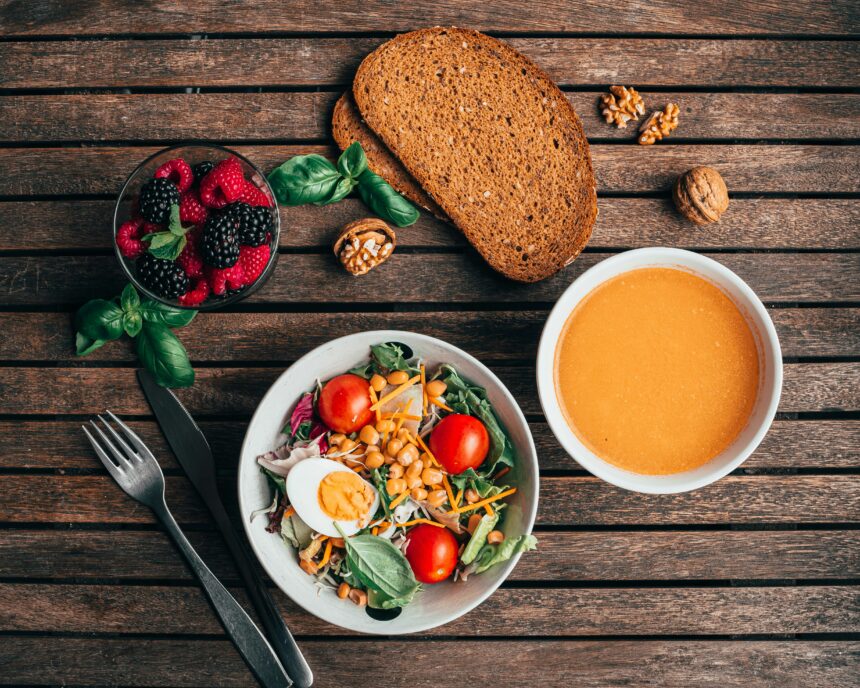
The quest for a longer, healthier life has captivated humanity for centuries. At AgingDecoded.com, we believe that a significant part of this journey lies within our dietary choices. Within our “Nutrition & Longevity Diet” category, we delve into the science-backed principles of eating that not only fuels our bodies but actively promotes graceful aging. This article focuses on the remarkable power of a mostly plant-based, Mediterranean-style eating pattern, weaving in insights from centenarian habits and the revered Blue Zones, to guide you towards a more vibrant and extended existence.
The Mediterranean diet isn’t a rigid set of rules, but rather a delicious and sustainable way of eating inspired by the traditional diets of countries bordering the Mediterranean Sea. When we talk about a “longevity diet,” we’re often referring to a framework that closely aligns with these principles, emphasizing abundance in certain food groups and conscious limitation in others.
The Powerhouses: Vegetables, Fruits, Legumes, and Whole Grains
At the heart of this eating pattern is a vibrant tapestry of plant-based foods.
A Rainbow of Nutrients: The Importance of Diverse Vegetables and Fruits
Think of your plate as an artist’s palette, brimming with the colors of diverse vegetables and fruits. This isn’t just for aesthetics; each hue signifies a unique profile of vitamins, minerals, fiber, and antioxidants. These micronutrients are the unsung heroes of aging well, working tirelessly to protect our cells from damage.
- Antioxidant Superstars: Vegetables and fruits are packed with antioxidants like vitamins C and E, carotenoids (giving many fruits and vegetables their vibrant colors), and polyphenols. These compounds combat oxidative stress, a process that contributes to cellular aging and the development of chronic diseases. Imagine these antioxidants acting like tiny repair crews, mending the wear and tear on your cells.
- Fiber for Function: The fiber content in these plant powerhouses is crucial. It aids in digestion, promotes satiety (keeping you feeling full and preventing overeating), and plays a vital role in regulating blood sugar levels. Furthermore, fiber acts as a prebiotic, feeding the beneficial bacteria in your gut – a topic we’ll explore further.
- Hydration and Volume: Many fruits and vegetables have a high water content, contributing to overall hydration without adding excessive calories. This volume also helps you feel satisfied, making it easier to manage calorie intake without feeling deprived.
The Humble Heroes: Legumes as Pillars of Longevity
Beans, lentils, peas – these often-overlooked legumes are nutritional giants and a cornerstone of longevity diets. They are incredibly versatile, affordable, and packed with essential nutrients.
- Protein Powerhouses (Plant-Based): Legumes are an excellent source of plant-based protein, particularly important as we age and our protein needs can shift. They provide essential amino acids, which are the building blocks for muscle, enzymes, and hormones.
- Fiber’s Best Friend: Beyond their protein content, legumes are fiber champions, offering both soluble and insoluble fiber. This combination is a gut health savior, promoting regularity and feeding beneficial gut bacteria.
- Micronutrient Richness: Legumes are also rich in minerals like iron, potassium, magnesium, and folate, all vital for various bodily functions including energy production, blood pressure regulation, and cell growth.
- Longevity Link: The iconic Blue Zones, regions with the highest concentrations of centenarians, consistently feature legumes as a daily staple. Their research highlights that people in these areas consume about one cup of beans per day.
Fueling Your Future: The Enduring Value of Whole Grains
While refined grains like white bread and white rice offer quick energy, whole grains are the slow-burning fuel for lasting health.
- Complex Carbohydrates for Sustained Energy: Whole grains are rich in complex carbohydrates, which are digested more slowly than refined carbohydrates. This provides a steady release of energy, preventing sharp blood sugar spikes and crashes that can lead to cravings and energy dips.
- Whole Grain Benefits: These grains retain their bran and germ, which are packed with fiber, B vitamins, minerals like magnesium and selenium, and antioxidants. These nutrients work synergistically to support a healthy metabolism, reduce inflammation, and protect against chronic diseases.
- Variety is Key: Incorporate a variety of whole grains into your diet, such as oats, quinoa, barley, brown rice, farro, and whole wheat. Each offers a unique nutrient profile and culinary potential.
The Supporting Cast: Nuts, Seeds, and the Golden Elixir of Olive Oil
Beyond the primary plant-based groups, nuts, seeds, and olive oil play crucial supporting roles in a longevity-focused diet.
The Nutrient-Dense Treasures: Nuts and Seeds
These small powerhouses are incredibly potent sources of healthy fats, protein, fiber, vitamins, and minerals.
- Healthy Fats for Brain and Heart: Nuts and seeds are rich in monounsaturated and polyunsaturated fats, including omega-3 fatty acids. These fats are essential for brain health, reducing inflammation, and supporting cardiovascular function.
- Convenient and Satisfying: Their nutrient density, combined with fiber and protein, makes them incredibly satiating, helping to curb appetite and prevent unhealthy snacking.
- Specific Benefits:
- Walnuts: Packed with omega-3s, beneficial for brain health.
- Almonds: Good source of vitamin E, magnesium, and healthy fats.
- Chia Seeds and Flaxseeds: Excellent sources of omega-3s and fiber, often referred to as “superfoods” for their concentrated nutrient profiles.
- Pumpkin Seeds: Rich in magnesium, zinc, and antioxidants.
The Golden Elixir: The Supreme Role of Extra Virgin Olive Oil
Extra virgin olive oil (EVOO) is more than just a cooking oil; it’s a cornerstone of the Mediterranean diet and a key component of its health benefits.
- Monounsaturated Fat Champion: EVOO is predominantly composed of monounsaturated fats (MUFAs), particularly oleic acid. MUFAs are known for their ability to lower LDL (“bad”) cholesterol and raise HDL (“good”) cholesterol, contributing to a healthy cardiovascular system.
- Anti-inflammatory Powerhouse: EVOO is rich in polyphenols and oleocanthal, compounds that possess potent anti-inflammatory and antioxidant properties. These compounds may play a significant role in reducing the risk of chronic diseases.
- Versatile Culinary Staple: Enjoy EVOO in salad dressings, for sautéing vegetables, drizzled over finished dishes, or simply with a piece of whole-grain bread. Opt for extra virgin to ensure you’re getting the full spectrum of its beneficial compounds.
The Wise Restraint: Limiting Processed Foods, Sugar, Refined Carbs, and Excess Alcohol
Just as important as what we do eat is what we consciously limit. Modern diets are often saturated with foods that can undermine our health and accelerate aging.
The Silent Saboteurs: ultra-processed foods and Added Sugars
Processed foods, particularly ultra-processed varieties, are designed for palatability and shelf-life, often at the expense of nutritional value.
- Nutrient-Poor, Calorie-Dense: These foods are typically low in essential nutrients and fiber but high in calories, unhealthy fats, added sugars, and sodium. This combination can lead to weight gain, inflammation, and increased risk of chronic diseases.
- Sugar’s Detrimental Impact: Added sugars, found in everything from sodas and candies to many breakfast cereals and sauces, contribute to inflammation, insulin resistance, weight gain, and overall cellular damage. They provide empty calories that offer no nutritional benefit.
- The “Invisible” Sugars: Be mindful of hidden sugars in seemingly healthy foods like yogurts, gravies, and dressings. Reading food labels is a critical skill for navigating this landscape.
The Empty Calories of Refined Carbohydrates
Refined carbohydrates have had their bran and germ stripped away, leaving them with significantly less fiber and nutrients.
- Rapid Blood Sugar Spikes: Their lack of fiber leads to rapid digestion and a significant spike in blood sugar levels, followed by a crash. This can lead to energy fluctuations, increased cravings, and over time, contribute to insulin resistance.
- Examples to Minimize: White bread, white pasta, white rice, pastries, cookies, and many breakfast cereals fall into this category. Prioritize their whole-grain counterparts.
The Double-Edged Sword: Alcohol in Moderation
While moderate alcohol consumption has been linked to some potential health benefits in certain populations, excess alcohol is unequivocally detrimental to health and aging.
- Impact on Hydration and Nutrition: Alcohol can dehydrate the body and interfere with nutrient absorption.
- Inflammation and Liver Strain: Excessive alcohol intake contributes to inflammation and places a significant burden on the liver, a vital organ for detoxification and metabolic health.
- Empty Calories and Sleep Disruption: Alcohol provides empty calories and can disrupt sleep patterns, which are crucial for cellular repair and overall well-being.
- Centenarian and Blue Zone Perspective: Individuals in Blue Zones often consume alcohol sparingly, if at all, with a preference for red wine in moderation, often with meals. The emphasis is on mindful enjoyment, not consumption for convenience or stress relief.
In exploring the benefits of longevity diet foods, it’s essential to consider how these dietary choices can influence overall health and well-being. A related article discusses how healthy diets not only promote weight loss but also enhance cardiometabolic health, which is crucial for longevity. For more insights on this topic, you can read the article here: Healthy Diets Promote Cardiometabolic Health Beyond Weight Loss.
Longevity Patterns: Insights from Centenarians and Blue Zones
The study of centenarians – individuals who live to 100 years and beyond – and the five Blue Zones (Okinawa, Japan; Sardinia, Italy; Nicoya Peninsula, Costa Rica; Ikaria, Greece; and the Seventh-day Adventists in Loma Linda, California) provides invaluable clues to a long and healthy life. These populations share remarkable dietary and lifestyle commonalities.
The Pillars of Blue Zone Diets: Beans, Leafy Greens, Sweet Potatoes, and Nuts
A consistent thread emerges from these remarkable communities: a plant-centric diet rich in specific, nutrient-dense foods.
Beans: The Daily Cornerstone of Longevity
As mentioned, legumes, particularly beans, are a daily staple across all Blue Zones. They are consumed in various forms, from lentil soup in Ikaria to black beans in Costa Rica. Their affordability, nutrient density, and versatility make them an accessible and powerful longevity food.
Leafy Greens: Nature’s Nutritional Powerhouses
Dark leafy greens like kale, spinach, collard greens, and Swiss chard are consistently emphasized. They are a treasure trove of vitamins (A, C, K), minerals (calcium, magnesium, iron), and antioxidants. Consuming them regularly is linked to reduced inflammation and protection against chronic diseases.
Sweet Potatoes: A Sustaining and Nutrient-Dense Vegetable
Sweet potatoes are a significant carbohydrate source in some Blue Zones, particularly Okinawa. They are rich in beta-carotene (which the body converts to vitamin A), fiber, and various vitamins and minerals. Their complex carbohydrate profile provides sustained energy.
Nuts: The Small but Mighty Nutrient Boost
Nuts are consumed regularly by people in the Blue Zones, often in modest portions. They provide healthy fats, protein, fiber, and a range of micronutrients that contribute to heart health and overall well-being.
Key Concepts for a Longevity Diet in Midlife and Beyond

As we navigate midlife and beyond, certain nutritional considerations become even more pertinent.
In exploring the benefits of longevity diet foods, it’s fascinating to consider how advancements in technology can enhance our understanding of health and nutrition. A related article discusses the potential of digital health innovations to strengthen global health systems, which could play a crucial role in promoting diets that support longevity. You can read more about this intersection of technology and health in the article found here. This connection highlights the importance of integrating modern solutions with traditional dietary practices to improve overall well-being.
Protein Needs in Midlife and Beyond: Building and Maintaining Muscle Mass
Protein is often a hot topic, especially as we age. While it’s crucial for everyone, its role becomes even more significant for maintaining muscle mass and overall function as we get older.
- Why Protein Matters as We Age: Muscle mass naturally declines with age (sarcopenia). Adequate protein intake, combined with strength training, is essential to counteract this loss, which impacts mobility, metabolism, and quality of life.
- Finding the Right Balance: The goal isn’t excessive protein intake, but rather sufficient intake distributed throughout the day. Aim for a balanced intake of high-quality protein sources.
- Excellent Protein Sources for Longevity:
- Plant-Based: Legumes, tofu, tempeh, edamame, lentils, nuts, and seeds.
- Animal-Based (in moderation for those who consume them): Fatty fish (salmon, mackerel), eggs, lean poultry, and dairy (yogurt, cheese).
Anti-Inflammatory Eating: Cooling Down the Body’s Internal Fire
Chronic inflammation is a silent driver of many age-related diseases, including heart disease, diabetes, arthritis, and certain cancers. An anti-inflammatory diet focuses on foods that help to calm this internal fire.
- The Mechanisms of Inflammation: When our bodies are constantly exposed to stressors (poor diet, lack of sleep, environmental toxins), our immune system can become overactive, leading to chronic inflammation.
- Foods that Fight Inflammation:
- Rich in Omega-3 Fatty Acids: Fatty fish (salmon, mackerel, sardines), flaxseeds, chia seeds, walnuts.
- Abundant in Antioxidants and Polyphenols: Berries, leafy greens, colorful vegetables, turmeric, ginger, green tea, dark chocolate (in moderation).
- Healthy Fats: Olive oil, avocados, nuts, and seeds.
- Foods that Fuel Inflammation:
- Processed meats
- Refined carbohydrates and added sugars
- Excessive saturated and trans fats
- Excessive alcohol
Gut Health: The Microbiome’s Role in Longevity
The trillions of microorganisms residing in our gut, collectively known as the gut microbiome, are increasingly recognized for their profound impact on our health, from digestion and immunity to mood and even cognitive function.
- The Gut-Brain Connection: The gut and brain communicate constantly. A healthy gut microbiome can produce neurotransmitters that influence mood and mental well-being.
- Fiber: The Prebiotic Powerhouse: Beneficial gut bacteria thrive on dietary fiber. A diet rich in vegetables, fruits, legumes, and whole grains acts as fuel for these “good” microbes.
- Fermented Foods: Probiotic Power: Incorporating fermented foods like yogurt (with live active cultures), sauerkraut, kimchi, kefir, and tempeh can introduce beneficial bacteria directly into the gut.
- The Impact of Diet: Processed foods, excessive sugar, and certain artificial sweeteners can negatively impact the diversity and balance of the gut microbiome.
Fasting and Time-Restricted Eating: Strategic Times for Renewal
Fasting, or taking intentional breaks from eating, has gained traction for its potential health benefits, including metabolic improvements and cellular repair.
- Autophagy: The Body’s Cellular Clean-Up Crew: During fasting periods, our cells activate a natural process called autophagy. This is where cells clear out damaged components and regenerate, essentially performing a cellular “spring cleaning.”
- Time-Restricted Eating (TRE): This involves consuming all your daily calories within a specific window each day, typically 8-12 hours. This naturally creates a fasting period overnight. For example, finishing dinner by 7 pm and not eating again until 7 am.
- Benefits of TRE: TRE can help regulate blood sugar, improve insulin sensitivity, support weight management, and promote cellular repair.
- Important Considerations: TRE is not for everyone. It’s crucial to listen to your body, ensure adequate nutrient intake within your eating window, and consult with a healthcare professional, especially if you have any underlying health conditions or are taking medications.
Calorie Density Without Extreme Restriction: Smart Food Choices for Satiety
The concept of “calorie density” refers to the number of calories in a given volume of food. Foods high in water and fiber, like most fruits and vegetables, are low in calorie density. Foods high in fat and sugar, like processed snacks, are high in calorie density.
- The Principle: By prioritizing low-calorie-dense foods, we can consume larger portions, feel fuller and more satisfied, and naturally manage our calorie intake without feeling deprived or resorting to extreme restriction.
- Focus on Whole Foods: Most whole, unprocessed foods are naturally lower in calorie density than their processed counterparts. Think a large bowl of salad with lean protein and healthy fats versus a small bag of chips.
- Mindful Eating: Paying attention to hunger and fullness cues, eating slowly, and savoring each bite can enhance satiety and prevent overeating, regardless of calorie density.
How to Eat for Longevity: Realistic Food and Habit Swaps for People Over 40

Making significant dietary changes can feel overwhelming. The key is to start with small, sustainable swaps that gradually lead to a more longevity-focused eating pattern. Here are 4-6 realistic food and habit changes for individuals over 40:
- Swap Your White for Whole:
- Food Swap: Replace white bread, white pasta, and white rice with their whole-grain counterparts (whole wheat bread, whole wheat pasta, brown rice, quinoa, oats).
- Why it Matters: This dramatically increases your fiber intake, leading to better blood sugar control, improved digestion, and sustained energy.
- Embrace the Legume Everyday:
- Food Swap: Aim to include a serving of beans, lentils, or peas in at least one meal per day. This could be adding chickpeas to your salad, lentils to your soup, or black beans to your breakfast scramble.
- Why it Matters: Legumes are protein-rich, fiber-packed, and nutrient-dense, providing sustained energy and promoting gut health.
- Two Servings of Colorful Veggies at Lunch & Dinner (Minimum):
- Habit Swap: Consciously add at least two different types of colorful vegetables to your lunch and dinner plates. Think a side salad, steamed broccoli, roasted carrots, or a vibrant stir-fry.
- Why it Matters: This ensures you’re getting a wide array of vitamins, minerals, antioxidants, and fiber, which are crucial for combating inflammation and supporting cellular health.
- Swap Sugary Drinks for Water, Unsweetened Tea, or Coffee:
- Habit Swap: Ditch sugary sodas, fruit juices with added sugar, and other sweetened beverages. Opt for water, herbal teas, unsweetened green tea, or black coffee.
- Why it Matters: This is one of the most impactful ways to reduce your intake of empty calories and added sugars, which contribute to inflammation and weight gain.
- Mindful Snacking: Nuts, Seeds, or Fruit Instead of Processed Snacks:
- Food Swap: When hunger strikes between meals, reach for a small handful of nuts or seeds, a piece of fruit, or some raw vegetables instead of chips, cookies, or candy bars.
- Why it Matters: These whole-food snacks provide sustained energy, healthy fats, and fiber, preventing energy crashes and cravings.
- Practice Time-Restricted Eating (with flexibility):
- Habit Swap: Aim to finish your last meal 2-3 hours before bedtime and try to extend your overnight fasting period to at least 12 hours. For example, if you finish dinner at 7 pm, aim not to eat again until at least 7 am.
- Why it Matters: This allows your body a dedicated period for rest and repair, supporting metabolic health and cellular renewal.
By embracing the principles of a mostly plant-based, Mediterranean-style diet, drawing inspiration from the wisdom of centenarians, and making conscious, actionable swaps, you can lay a robust foundation for a longer, healthier, and more vibrant life. Aging is not just about adding years to your life, but adding life to your years.
FAQs
What is a longevity diet?
A longevity diet is a way of eating that focuses on consuming foods that are associated with increased lifespan and improved health. It typically includes a variety of nutrient-dense foods such as fruits, vegetables, whole grains, lean proteins, and healthy fats.
What are some foods that are commonly included in a longevity diet?
Foods commonly included in a longevity diet include leafy greens, berries, nuts, seeds, fatty fish, olive oil, whole grains, and legumes. These foods are rich in antioxidants, vitamins, minerals, and healthy fats that are associated with longevity and overall health.
Are there any foods that should be avoided in a longevity diet?
Foods that are high in added sugars, unhealthy fats, and processed ingredients are typically avoided in a longevity diet. This includes sugary beverages, processed snacks, fried foods, and excessive amounts of red meat.
What are the potential health benefits of following a longevity diet?
Following a longevity diet may be associated with a reduced risk of chronic diseases such as heart disease, diabetes, and certain types of cancer. It may also support healthy aging, cognitive function, and overall well-being.
Is there scientific evidence to support the benefits of a longevity diet?
Yes, there is scientific evidence to support the benefits of a longevity diet. Research studies have shown that consuming a diet rich in fruits, vegetables, whole grains, and healthy fats is associated with a lower risk of chronic diseases and increased lifespan.