


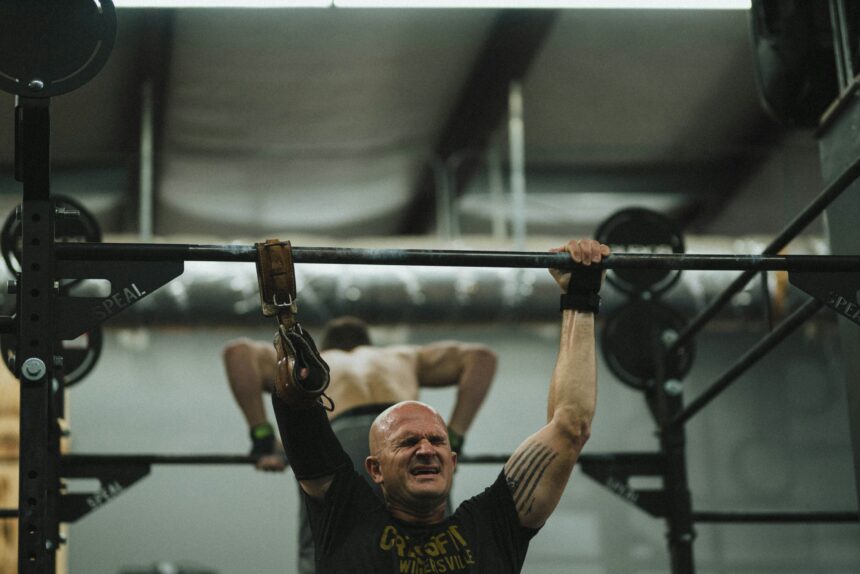
Welcome to AgingDecoded.com’s “Fitness for Longevity” section! Today, we’re diving into a surprisingly powerful indicator of your long-term health: your grip—that simple squeeze of your hand. It might seem like a small detail, but the strength of your grip offers a fascinating window into your overall well-being and a roadmap for a healthier, more vibrant future. We’re not talking about becoming a competitive arm wrestler, but understanding how this unassuming measure, alongside a balanced fitness approach, can significantly improve your healthspan, keeping you active and independent for years to come.
The Unseen Clues in Your Clench: Why Grip Matters
Think of your grip strength not just as a measure of how tightly you can hold a jar, but as a subtle barometer of your entire body’s vitality. Research consistently shows a strong correlation between robust grip strength and a variety of positive health outcomes, especially as we age. It’s often considered a proxy for overall muscle strength, and muscle strength is a cornerstone of longevity.
When we talk about healthspan, we’re not just talking about living longer, but living better – maintaining your independence, energy, and ability to enjoy life without significant limitations. A firm grip reflects a body that is generally more resilient, capable, and less prone to the declines often associated with aging.
Recent studies have highlighted the significance of grip strength as a predictor of longevity, suggesting that maintaining strong hand muscles can be an indicator of overall health and vitality as we age. For further insights into factors that contribute to healthy aging, you may find it interesting to read an article on the importance of a diverse diet rich in quality carbohydrates, which can also play a crucial role in promoting longevity. You can access the article here: The Key to Healthy Aging is a Diverse Diet Rich in Quality Carbohydrates.
Beyond the Squeeze: Grip as a Predictor of Major Health Risks
The connection between grip strength and various health markers is surprisingly profound. It’s not about the grip itself causing these issues, but rather acting as an early warning system, indicating underlying physiological health.
Cardiovascular Health: A Stronger Grip, a Healthier Heart
Your heart is the engine of your body, and maintaining its health is paramount for longevity. While direct connections might not be immediately obvious, studies have repeatedly demonstrated an inverse relationship between grip strength and the risk of cardiovascular diseases, including heart attacks and strokes. Individuals with stronger grips tend to have lower blood pressure, healthier cholesterol levels, and better blood vessel function. This isn’t magic; it’s because grip strength often correlates with a more active lifestyle and better overall muscle maintenance, both of which are crucial for heart health. Regular exercise, especially the combination of strength training and Zone 2 cardio we’ll discuss, directly benefits your cardiovascular system, and a strong grip is a wonderful marker of this ongoing work.
Cognitive Function and Dementia Risk: Holding onto Your Memories
The prospect of cognitive decline and dementia is a concern for many as they age. Emerging research suggests an intriguing link between grip strength and brain health. A weaker grip in midlife and beyond has been associated with a higher risk of developing cognitive impairments and certain types of dementia. While the exact mechanisms are still being explored, it’s believed that a strong grip indicates better overall physical health and potentially better brain blood flow and neural connections. Engaging in activities that strengthen your body, including strength training, also stimulate your brain, contributing to its resilience.
Cancer Survival Rates: A Resilient Body Fights Better
While grip strength doesn’t prevent cancer, it can be an indicator of a body’s overall resilience and ability to withstand disease and treatment. Studies have shown that individuals with stronger grip strength tend to have better outcomes and survival rates when battling various types of cancer. This likely stems from a robust immune system, better physical reserves, and the ability to tolerate demanding medical treatments. Maintaining muscle mass through strength training is crucial for preserving this resilience.
Frailty and Functional Independence: Staying Strong, Staying You
Perhaps the most intuitive connection is between grip strength and frailty. Frailty is a state of increased vulnerability to adverse health outcomes, often characterized by weakness, fatigue, slow walking speed, and unintentional weight loss. A weak grip is one of the key diagnostic criteria for frailty. Conversely, a strong grip is a hallmark of robustness and functional independence. It means you can open jars, carry groceries, navigate stairs with ease, and perform daily tasks without reliance on others. Maintaining grip strength is a vital component of staying functionally independent and enjoying a high quality of life as you age.
Building Your Foundation: The Pillars of Longevity Fitness
Understanding the significance of grip strength isn’t about isolating one muscle group; it’s about appreciating that it’s a reflection of a balanced, active lifestyle. To truly enhance your healthspan and reduce those major health risks, we need to embrace a holistic approach to fitness that incorporates several key elements.
Recent studies have shown that grip strength can serve as a reliable predictor of longevity, highlighting the importance of maintaining physical strength as we age. For those interested in exploring how various factors, including hormonal health, can influence overall well-being, a related article discusses the intricate relationship between hormones and health outcomes. You can read more about this fascinating connection in the article on hormonal health. Understanding these dynamics can provide valuable insights into how we can enhance our longevity and quality of life.
Strength Training: More Than Just Big Muscles
When people hear “strength training,” they often picture bodybuilders, but it’s much more accessible and essential than that. For longevity, strength training isn’t about aesthetics; it’s about maintaining and building muscle mass, which naturally declines after age 30 (a process called sarcopenia). Regular strength training, at least twice a week, offers myriad benefits:
- Bone Health: It puts stress on your bones, stimulating them to become denser and stronger, reducing the risk of osteoporosis and fractures.
- Metabolic Health: Muscle is metabolically active tissue, meaning it burns more calories than fat, even at rest. This helps manage weight, blood sugar, and overall metabolic health.
- Balance and Stability: Stronger muscles provide better support for your joints, improving balance and reducing fall risk.
- Functional Strength: It empowers you to perform daily activities with ease, from lifting groceries to getting up from a chair.
- Grip Enhancement: Critically, most strength training exercises — from lifting dumbbells to pulling on resistance bands — naturally engage and strengthen your grip.
Cardio for Your Heart and Brain: Especially Zone 2!
Aerobic exercise is fundamental for cardiovascular fitness, but let’s talk about a specific zone that’s proving to be a longevity superstar: Zone 2 cardio. This isn’t about gasping for air; it’s about sustainable effort.
- What is Zone 2? It’s exercising at an intensity where you can hold a conversation (meaning you’re not breathless), but you’re definitely working. For most people, this means keeping your heart rate at 60-70% of your maximum heart rate.
- Why Zone 2? This intensity specifically trains your mitochondria – the powerhouses of your cells – to become more efficient at burning fat for fuel. This improves metabolic flexibility, reduces inflammation, enhances endurance, and significantly benefits cardiovascular health. It also helps with blood flow to the brain, contributing to cognitive health.
- Examples: Brisk walking, cycling, light jogging, swimming, or using an elliptical machine where you can maintain a comfortable, conversational pace for 30-60 minutes, several times a week.
Daily Movement: The Unsung Hero of Healthspan
Beyond structured workouts, consistent daily movement is incredibly powerful. We spend too much time sitting, and our bodies are designed to move. Incorporating low-impact daily movement doesn’t have to be strenuous; it’s about breaking up sedentary periods and adding activity wherever you can.
- Benefits: Reduces risks of chronic diseases, improves circulation, boosts mood, maintains flexibility, and enhances overall well-being.
- Examples: Taking the stairs instead of the elevator, parking further away, walking during phone calls, gardening, housework, short mindful walks, stretching breaks every hour. These small, consistent efforts accumulate to significant health benefits over time.
Balance and Mobility: Your Foundation for Freedom
As we age, balance and mobility can decline, leading to increased risk of falls and reduced independence. Integrating specific exercises to target these areas is crucial.
- Balance Benefits: Prevents falls, improves coordination, strengthens core muscles, and enhances proprioception (your body’s awareness in space).
- Mobility Benefits: Increases range of motion, reduces stiffness, prevents injuries, and helps you move through life with greater ease and less pain.
- Examples: Standing on one leg while brushing your teeth, heel-to-toe walking, T’ai Chi, yoga, dynamic stretching, gentle joint rotations. Even simple stretches performed daily can make a huge difference in how you feel and move.
Your Path to a Stronger, Healthier Future: Beginner-Friendly Action Steps
It’s never too late to start investing in your health. Remember, consistency and gradual progress are far more effective than intense, unsustainable bursts. Here are some realistic, beginner-friendly steps to get you started, especially if you’re over 40 (and often over 50):
- Step Up Your Daily Walks (Zone 2 Introduction): Start with 15-20 minutes of brisk walking, 3-4 times a week, where you can still talk but are breathing a little heavier. Gradually work your way up to 30-45 minutes. If your joints allow, try for a slightly longer duration 2-3 times a week, aiming for that conversational Zone 2 pace.
- Introduce Simple Strength Training (Bodyweight or Light Weights): Twice a week, incorporate basic exercises. Think wall push-ups, chair squats, standing leg raises, and a simple resistance band row. For grip strength, try carrying groceries in each hand without a cart for a short distance (if safe), or simply holding light dumbbells for timed intervals with a firm grip.
- Embrace “Movement Snacks” & Grip Checks: Every hour, stand up, stretch, and move for 2-5 minutes. Take the stairs. Park a little further. When you pick up an object, consciously squeeze it firmly. Try doing a one-legged stand for 10-30 seconds while brushing your teeth. These small, frequent movements add up to big gains.
- Prioritize Sleep & Hydration: These are often overlooked but foundational to recovery, energy, and overall health. Aim for 7-9 hours of quality sleep each night and drink plenty of water throughout the day. Your body needs these building blocks to repair and grow stronger.
- Listen to Your Body: This isn’t about pushing through pain. Start slowly, be consistent, and gradually increase intensity or duration as you get stronger. If something hurts, modify it or consult a professional. The goal is sustainable, lifelong activity, not short-term injury.
Your grip strength, along with a holistic approach to fitness that integrates strength, Zone 2 cardio, daily movement, balance, and mobility, isn’t just about adding years to your life; it’s about adding life to your years. By taking these thoughtful, consistent steps, you’re not just getting fitter – you’re building a resilient, vibrant foundation for a longer, healthier, and more independent future. Start today, and feel the power in your hands and your whole body!
FAQs
What is grip strength and how is it measured?
Grip strength is the force applied by the hand to pull on or suspend from objects. It is typically measured using a hand-held dynamometer, which records the amount of force exerted when squeezing the device.
How is grip strength related to longevity?
Research has shown that grip strength is a strong predictor of overall longevity. A study published in The Lancet found that individuals with weaker grip strength were more likely to die prematurely from a range of causes, including cardiovascular disease and cancer.
What factors can influence grip strength?
Grip strength can be influenced by a variety of factors, including age, gender, physical activity level, and overall health. Additionally, certain medical conditions such as arthritis or nerve damage can also impact grip strength.
Can grip strength be improved through exercise?
Yes, grip strength can be improved through specific exercises targeting the muscles of the hand and forearm. Activities such as using hand grippers, performing wrist curls, and engaging in rock climbing or other grip-intensive sports can help increase grip strength.
Should grip strength be used as the sole predictor of longevity?
While grip strength has been shown to be a strong predictor of longevity, it should not be used as the sole indicator. Other factors such as overall physical fitness, diet, and lifestyle choices also play a significant role in determining longevity.