


As we journey through life, our bodies undergo natural changes. While aging is inevitable, how we experience it isn’t. The concept of “healthspan” – the years we live in good health and with vitality – is gaining importance, and for good reason. It’s about more than just living longer; it’s about living well for longer. At AgingDecoded, in our “Fitness for Longevity” section, we believe that proactive steps, especially those focused on strength, can significantly impact your ability to thrive as you age. Today, we’re focusing on a cornerstone of this approach: resistance training, often referred to as strength training. Many may associate it with intense gym sessions and bulging muscles, but its benefits for longevity are far more accessible and profoundly impactful for everyone, especially as we move past midlife.
Think of your muscles not just as tools for lifting and moving, but as vital organs that play a central role in your overall health. As we age, a natural decline in muscle mass and strength, a process called sarcopenia, begins. This isn’t just about looking a little less toned; this gradual loss has significant implications for our healthspan.
The Muscle-Metabolism Connection
Muscles are metabolically active tissues. This means they burn calories, even at rest. The more muscle mass you have, the higher your resting metabolic rate, which can help with weight management over time. This is particularly important for preventing obesity and its associated health problems, such as type 2 diabetes and heart disease.
Beyond Aesthetics: Muscles as Protective Pillars
A strong muscular system acts as a natural support system for your body. It helps maintain good posture, which can alleviate back pain and improve breathing. Furthermore, stronger muscles contribute to better joint health by stabilizing them, reducing the strain on ligaments and cartilage, and thus lowering the risk of osteoarthritis and other joint-related issues. This protection is crucial for maintaining mobility and independence as we get older.
The Hormonal Symphony and Muscle
Muscle tissue also plays a role in hormone regulation. It’s involved in the production and sensitivity to hormones like insulin. Stronger muscles can improve insulin sensitivity, which is vital for preventing or managing type 2 diabetes. This contributes to a more balanced internal environment, a key aspect of healthy aging.
Recent studies have highlighted the benefits of resistance training as a powerful tool in the fight against aging, emphasizing its role in maintaining muscle mass, improving bone density, and enhancing overall metabolic health. For more insights on how resistance training can contribute to a healthier, more active lifestyle as we age, you can explore this related article on balancing fitness and longevity at Aging Decoded.
Resistance Training: Your Body’s Natural Defense Against Chronic Diseases
The benefits of resistance training extend far beyond basic physical function. It’s a powerful tool in your arsenal against some of the most prevalent chronic diseases that often accompany aging.
Fortifying the Heart: More Than Just Cardio
While cardiovascular exercise is undeniably crucial for heart health, resistance training offers a complementary and equally vital benefit. Stronger muscles can improve blood pressure over time, a major risk factor for heart disease and stroke. Resistance training can also contribute to improved cholesterol profiles by helping to increase HDL (good) cholesterol and reduce LDL (bad) cholesterol. Furthermore, by improving glucose metabolism, it helps prevent or manage conditions like metabolic syndrome, which significantly increases heart disease risk.
Guarding Against Dementia: A Healthy Brain Needs a Healthy Body
The link between physical health and cognitive function is becoming increasingly clear. Resistance training, by improving blood flow and oxygen delivery to the brain, can support cognitive health. Some research suggests that building muscle mass may help protect against the decline in cognitive function associated with aging and reduce the risk of neurodegenerative diseases like Alzheimer’s. A stronger body often translates to a healthier brain, enabling you to maintain mental sharpness and memory.
A Shield Against Cancer: Building Resilience
The relationship between exercise and cancer risk is complex, but the evidence points towards a protective association, and resistance training plays a role. By helping to maintain a healthy weight, improving immune function, and reducing inflammation, resistance training can contribute to a lower risk of developing certain types of cancer. Moreover, for individuals undergoing cancer treatment, strength training can help combat fatigue, improve muscle strength, and enhance overall quality of life. It’s about building a body that is more resilient and better equipped to fight off disease.
Banishing Frailty: The Foundation of Independence
Frailty is a condition characterized by decreased strength, endurance, and energy levels, leading to increased vulnerability to health problems and falls. Resistance training is perhaps the most direct and effective strategy for combating frailty. By building and maintaining muscle mass and strength, it directly counteracts the processes that lead to frailty, allowing you to maintain your independence and enjoy a higher quality of life for longer. This is about preserving your ability to perform daily activities with ease and confidence.
The Synergy of Movement: Integrating Resistance with Other Longevity Pillars

Resistance training is incredibly powerful on its own, but its true magic for longevity is unlocked when it’s part of a holistic approach to fitness. Imagine your fitness journey as a well-built structure: resistance training is a foundational pillar, but it needs support from other essential elements.
Cardio: Fueling Your Engine for the Long Haul
Cardiovascular exercise, especially the often-overlooked Zone 2 training, is another critical component of healthspan. Zone 2 cardio is a moderate-intensity activity that you can sustain for an extended period, where you can still hold a conversation but feel your heart rate is elevated. This type of training is exceptional for improving mitochondrial function, the energy powerhouses of your cells.
The Power of Zone 2: Cellular Energy and Endurance
Mitochondria are responsible for producing the vast majority of our cellular energy. As we age, mitochondrial function naturally declines. Zone 2 cardio helps to increase the number and efficiency of mitochondria, leading to improved energy levels, better endurance, and enhanced recovery. This also has implications for reducing oxidative stress, a factor implicated in aging and various chronic diseases. Think of it as optimizing your body’s long-term energy supply.
Heart Health Beyond the Basics
While any aerobic activity benefits your heart, Zone 2 training is particularly effective at improving your heart’s efficiency, particularly its ability to utilize fat for fuel. This can lead to better blood sugar control, improved blood lipid profiles, and a stronger, more resilient cardiovascular system overall. It’s about building a robust and enduring heart.
Daily Movement: The Unsung Hero of Healthspan
Beyond structured workouts, the simple act of moving your body throughout the day is profoundly important. This includes walking, taking the stairs, gardening, or even just standing up and stretching regularly. These small bursts of activity add up and contribute significantly to your overall health.
Combating Sedentary Habits: Every Step Counts
Our modern lifestyles often involve prolonged periods of sitting. This sedentary behavior is linked to a host of health issues, including increased risk of heart disease, diabetes, and certain cancers, regardless of whether you exercise regularly. Incorporating more daily movement helps to counteract these negative effects by increasing circulation, improving mood, and boosting metabolism. It’s about breaking up prolonged periods of inactivity and keeping your body engaged.
The Cumulative Impact: Small Efforts, Big Rewards
Think of daily movement as consistently topping up your health reserves. A brisk walk during your lunch break, opting for stairs over the elevator, or a short stretching routine before bed – these simple actions, when performed consistently, contribute to better metabolic health, improved mood, and reduced stiffness. They are the gentle, persistent forces working in your favor.
Balance and Mobility: Staying Grounded and Agile
As we age, maintaining our balance and mobility becomes increasingly vital for independence and injury prevention. Falls are a significant concern for older adults, often leading to serious injuries and a decline in quality of life.
Preventing Falls: The Confidence to Move
Balance exercises, such as standing on one foot, heel-to-toe walking, or gentle tai chi, directly improve your stability and proprioception (your body’s awareness of its position in space). This can significantly reduce your risk of falling and boost your confidence in navigating your environment.
Fluidity of Motion: Freedom to Live
Mobility exercises, which focus on improving the range of motion in your joints, are crucial for performing everyday activities with ease. Think of gentle stretching, yoga, or dynamic movements that prepare your body for activity. Good mobility allows you to bend, reach, and twist without discomfort or restriction, preserving your ability to enjoy life to the fullest. It’s about preserving the natural grace and agility of movement.
Putting It All Together: A Balanced Approach to Longevity

The most effective approach to building healthspan isn’t about extreme, unsustainable routines. It’s about creating a balanced, consistent, and enjoyable fitness plan that incorporates the key elements we’ve discussed.
The Sweet Spot: Weekly Resistance, Cardio, and Daily Movement
The sweet spot for longevity lies in a weekly regimen that includes:
- Resistance Training: Aim for 2-3 sessions per week, targeting all major muscle groups. This doesn’t need to be every day, and rest days are crucial for muscle repair and growth.
- Cardiovascular Exercise: Incorporate at least 150 minutes of moderate-intensity aerobic activity or 75 minutes of vigorous-intensity activity per week. Focus on enjoyable activities like brisk walking, cycling, swimming, or dancing, and consider incorporating Zone 2 training.
- Daily Movement: Make a conscious effort to be more active throughout the day. Stand up, stretch, walk around regularly, and choose active options whenever possible.
Gradual Progression: Listening to Your Body
The key is gradual progression. Don’t try to do too much too soon. Start with what feels manageable and gradually increase the intensity, duration, or frequency of your workouts as you get stronger and fitter. Your body will thank you for it. Pay attention to how you feel, and adjust your routine as needed. Rest and recovery are just as important as the activity itself.
Building Sustainable Habits: Enjoyment is Key
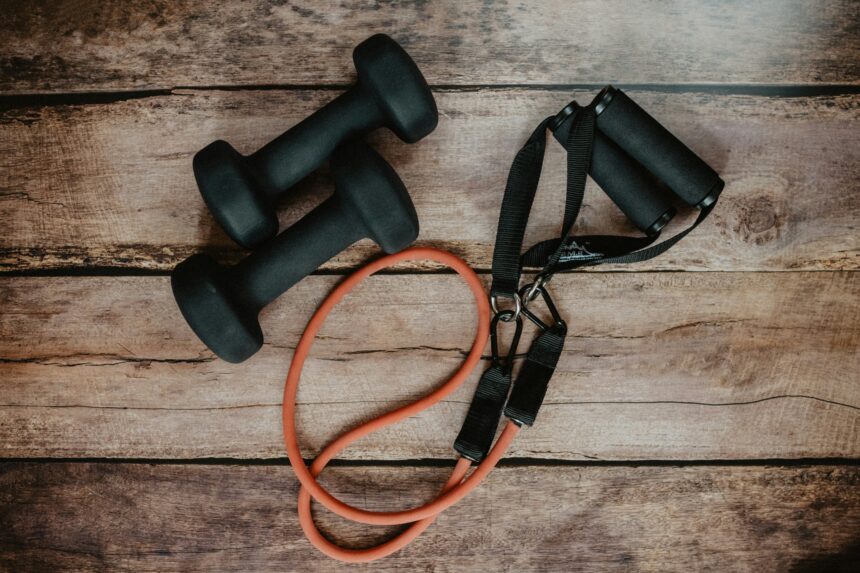
Ultimately, the best fitness plan is one you can stick with. Find activities you genuinely enjoy. If you hate the gym, don’t force it. Explore different forms of resistance training like bodyweight exercises, resistance bands, or light weights. If running isn’t your thing, try hiking, swimming, or dancing. The goal is to build habits that support your wellbeing for the long term, not to endure punishing workouts.
Resistance training has gained significant attention for its potential anti-aging benefits, as it helps maintain muscle mass, improve bone density, and enhance overall metabolic health. A fascinating article discussing the science behind these benefits can be found at Aging Decoded, where various studies highlight how regular strength training can contribute to a more youthful and vibrant life. Incorporating resistance exercises into your routine may not only boost your physical appearance but also promote longevity and well-being.
Realistic Steps to Begin Your Longevity Fitness Journey
| Metrics | Findings |
|---|---|
| Increased Muscle Mass | Resistance training can help increase muscle mass, which can decline with age. |
| Bone Density | Studies suggest that resistance training can improve bone density, reducing the risk of osteoporosis. |
| Metabolism | Resistance training can boost metabolism, helping to maintain a healthy weight and reduce the risk of age-related weight gain. |
| Balance and Coordination | Regular resistance training can improve balance and coordination, reducing the risk of falls and injuries in older adults. |
| Cognitive Function | Some research suggests that resistance training may have a positive impact on cognitive function and reduce the risk of age-related cognitive decline. |
Embarking on a new fitness path can feel daunting, but it doesn’t have to be. Here are 3-5 realistic, beginner-friendly action steps you can take, starting today, to build a foundation for a longer, healthier life. These are designed to be accessible for individuals over 40, and especially relevant for those over 50.
1. Start with Bodyweight Strength: Your Personal Gym
You don’t need fancy equipment to start building strength. Begin by incorporating some basic bodyweight exercises into your week.
- For people over 40: Try doing 10-15 repetitions of squats (using a chair for support if needed), push-ups against a wall or on your knees, and lunges (holding onto a wall for balance). Aim to do this 2-3 times per week. Gradually increase the repetitions or try slightly harder variations as you feel stronger.
- For people over 50: Focus on controlled movements. Squats to a chair, wall push-ups, and marching in place with knee lifts are excellent starting points. Even holding a plank for 10-20 seconds, multiple times, can build core strength. Prioritize proper form over the number of repetitions.
2. Embrace the Power of Walking: Your Accessible Cardio
Walking is one of the most accessible and effective forms of cardiovascular exercise. It’s low-impact and can be done almost anywhere.
- For people over 40: Aim for at least 30 minutes of brisk walking, 3-4 times per week. A brisk walk is one where you can talk, but singing would be challenging. If 30 minutes feels like too much initially, break it into two 15-minute sessions.
- For people over 50: Start with 20-25 minutes of comfortable walking, 3 times per week. Focus on maintaining a consistent pace and enjoying the outdoors. As you build endurance, you can gradually increase the duration and frequency. Consider incorporating some gentle inclines if available.
3. Integrate Micro-Movements into Your Day: Combatting Sedentary Habits
Small bursts of movement throughout the day have a significant impact.
- For everyone (over 40 and over 50): Set a timer to remind yourself to stand up and move for 1-2 minutes every 30-60 minutes. This could involve stretching, walking to another room, or doing a few simple leg raises. If you work from home, stand up during phone calls. If you’re watching TV, do calf raises during commercials. This simple habit helps break up prolonged sitting and keeps your circulation going.
4. Explore Gentle Mobility and Balance: Staying Agile
Improving your mobility and balance is crucial for preventing falls and maintaining independence.
- For people over 40: Incorporate gentle stretching routines in the morning or evening. Focus on full-body stretches for major muscle groups like hamstrings, quadriceps, chest, and back. Try standing on one foot for 15-30 seconds (while holding onto a stable surface) to improve balance.
- For people over 50: Look for beginner-friendly yoga or tai chi classes, either in person or online, which are excellent for balance and fluidity of movement. Simple balance exercises like heel-to-toe walking in a safe space can also be very beneficial. If you have any concerns about balance issues, consult with your doctor or a physical therapist.
By incorporating these small, manageable steps, you are actively investing in your healthspan, building a stronger, more resilient body, and laying the groundwork for a vibrant and fulfilling future. Remember, consistency and enjoyment are your greatest allies on this journey to longevity.
FAQs
What is resistance training?
Resistance training is a form of exercise that involves using resistance to build strength, endurance, and muscle mass. This can be done using free weights, weight machines, resistance bands, or even just body weight exercises.
How does resistance training help with anti-aging?
Resistance training has been shown to help combat the effects of aging by increasing muscle mass, bone density, and metabolism. It can also improve balance, flexibility, and overall functional ability, which can help reduce the risk of falls and injuries as we age.
What are the specific benefits of resistance training for anti-aging?
Some specific benefits of resistance training for anti-aging include improved muscle tone, increased metabolism, better posture, enhanced joint stability, and reduced risk of osteoporosis and sarcopenia (age-related muscle loss).
How often should I do resistance training for anti-aging benefits?
It is recommended to do resistance training at least two to three times per week, with a focus on working all major muscle groups. It’s important to allow for adequate rest and recovery between sessions to prevent injury and allow for muscle repair and growth.
Are there any precautions to consider when starting resistance training for anti-aging?
Before starting any new exercise program, especially resistance training, it’s important to consult with a healthcare professional, particularly if you have any existing health conditions or concerns. It’s also important to start with lighter weights and gradually increase intensity to avoid injury.