


This article is for the “Fitness for Longevity” category on AgingDecoded.com. Focus on how strength training, cardio (especially Zone 2), daily movement, balance, and mobility improve healthspan and reduce risks of heart disease, dementia, cancer, and frailty in midlife and older adults. Use a warm, encouraging tone, simple language, and avoid hype. Emphasize combining weekly strength training, aerobic work, and low‑impact daily movement rather than extreme routines. Include a short section with 3–5 realistic, beginner‑friendly action steps for people over 40 (and over 50 when relevant).
Embracing a Vibrant Future: Functional Fitness for Over 60
As we journey through life, reaching our 60s and beyond brings a unique perspective. It’s a time when wisdom blossoms, experiences deepen, and our focus often shifts towards enjoying the fruits of our labor and cherishing our loved ones. Yet, with this beautiful stage of life can also come concerns about maintaining our physical well-being and ensuring we can continue to live our lives fully and independently. The good news is that staying strong, healthy, and vibrant is not only possible but remarkably achievable through a thoughtful approach to fitness – what we like to call “functional fitness.”
At AgingDecoded.com, we’re passionate about helping you not just add years to your life, but also add life to your years. This is what healthspan is all about – extending the period of our lives spent in good health, free from debilitating diseases and the limitations of frailty. For those over 60, functional fitness is your superpower, equipping you to navigate everyday life with ease, reduce your risk of common age-related conditions, and continue pursuing your passions with confidence and energy. Forget the exhausting, extreme workouts; we’re here to talk about smart, sustainable habits that truly make a difference.
For individuals over 60, engaging in functional fitness can significantly enhance overall health and quality of life. A related article that delves into the benefits and strategies for incorporating functional fitness into daily routines is available at Aging Decoded. This resource provides valuable insights and practical tips tailored for older adults looking to improve their strength, balance, and mobility through targeted exercises.
The Cornerstone of Well-being: Understanding Functional Fitness
What exactly is functional fitness? It’s not about lifting the heaviest weights or running the fastest marathons. Instead, it’s about training your body for the real-life activities you do every day. Think about carrying groceries, climbing stairs, getting up from a chair, playing with grandchildren, or simply maintaining your independence at home. Functional fitness exercises mimic these movements, strengthening the muscles and improving the coordination, balance, and flexibility you need to perform them safely and efficiently.
For individuals over 60, this type of training is particularly vital. As we age, our muscle mass naturally declines, our balance can become less steady, and our joints might feel a bit more stiff. Functional fitness directly combats these changes, helping you maintain your ability to do the things you love without pain or undue effort. It’s about empowering your body to work for you, allowing you to live life on your own terms for as long as possible. It’s about building a resilient body that supports your active and engaged lifestyle.
Building a Robust Foundation: The Power of Strength Training
Strength training is arguably the most critical component of functional fitness for anyone over 60, and its benefits extend far beyond just looking toned. It’s the bedrock upon which much of our physical independence is built.
Why Strength Training is Non-Negotiable
- Combating Muscle Loss (Sarcopenia): As we age, we experience sarcopenia, a natural loss of muscle mass and strength. This can lead to frailty, making everyday tasks harder and increasing the risk of falls and injuries. Regular strength training is the most effective way to slow down and even reverse this process, helping you maintain muscle mass and power. This means being able to get up from a low chair easily, carry laundry baskets, and even resist the urge to fall if you lose your footing.
- Bone Health and Osteoporosis Prevention: Strong muscles pull on our bones, which stimulates bone growth and makes them denser. This is crucial for preventing osteoporosis, a condition that weakens bones and makes them prone to fractures, and is particularly prevalent in older adults, especially women. Stronger bones mean a lower risk of debilitating fractures from falls.
- Metabolic Health Boost: Muscle tissue is metabolically active, meaning it burns calories even at rest. By increasing your muscle mass through strength training, you can boost your metabolism, which can aid in weight management and improve blood sugar control. This is incredibly beneficial for reducing the risk or managing conditions like type 2 diabetes.
- Joint Support and Pain Reduction: Strong muscles surrounding your joints act like natural shock absorbers and stabilizers. This can significantly reduce joint pain associated with conditions like arthritis and improve overall joint function. When your muscles are strong, they take the load off your joints, allowing for smoother, less painful movement.
- Improved Balance and Stability: A strong core and strong leg muscles are essential for good balance. Strength training exercises that target these areas directly improve your proprioception (your sense of where your body is in space) and your ability to react to sudden shifts, significantly reducing the risk of falls.
Gentle Approaches to Strength Building
The beauty of strength training for those over 60 lies in its adaptability. You don’t need to lift heavy weights or join a competitive bodybuilding club. The focus is on controlled movements and progressive overload, meaning you gradually increase the challenge as you get stronger.
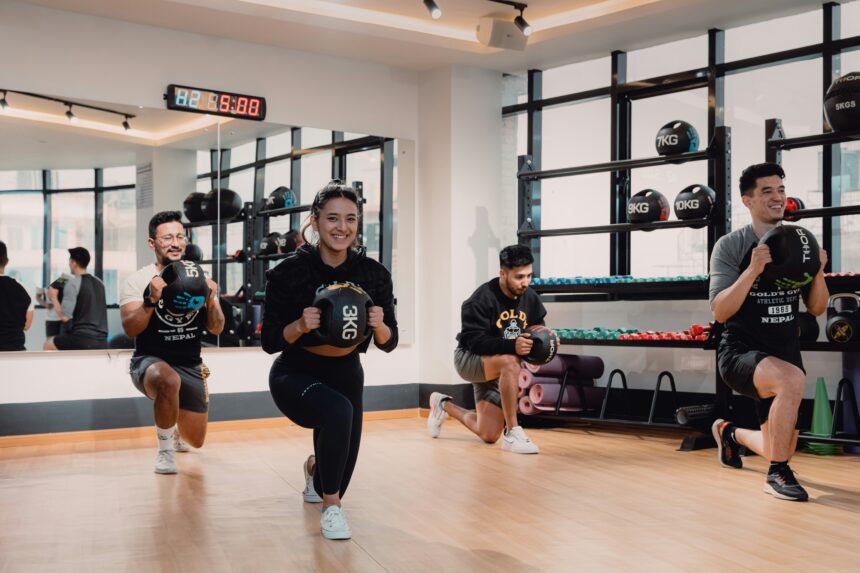
- Bodyweight Exercises: Many effective strength exercises require no equipment at all. Think squats (modifying to sit-to-stand from a chair), lunges (walking or stationary), push-ups (against a wall or on your knees), and planks. These movements engage multiple muscle groups simultaneously, making them highly functional.
- Resistance Bands: These versatile tools offer a safe and effective way to add resistance to your workouts. They are portable, affordable, and come in various resistance levels, allowing you to tailor your workout to your current strength. Exercises can include rows, bicep curls, and leg extensions.
- Light Dumbbells and Household Items: Once you’re comfortable with bodyweight exercises, you can introduce light dumbbells or even household items like soup cans or water bottles to add a bit more challenge. Focus on proper form over excessive weight.
- Machines at the Gym: If you have access to a gym, weight machines can be helpful as they often guide your movement and provide a controlled environment for building strength.
The key is consistency. Aim for two to three strength training sessions per week, allowing at least one rest day in between for your muscles to recover and rebuild.
The Heart of Longevity: Embracing Cardio and Zone 2 Training
Cardiovascular exercise, or cardio, is another cornerstone of a healthy aging strategy. It’s what keeps your heart and lungs strong, improves circulation, and plays a significant role in warding off numerous chronic diseases. Among the various forms of cardio, a particular focus on Zone 2 training is gaining significant traction for its profound and long-lasting health benefits.
Why Cardio is Essential for Healthspan
- Cardiovascular Health: Regular cardio strengthens your heart muscle, improves blood flow, and helps maintain healthy blood pressure and cholesterol levels. This drastically reduces your risk of heart disease, stroke, and other circulatory problems – leading causes of mortality and morbidity in later life.
- Brain Health and Cognitive Function: Cardio increases blood flow to the brain, delivering vital oxygen and nutrients. This can improve memory, focus, and overall cognitive function. It’s a powerful tool in your arsenal against age-related cognitive decline and dementia.
- Weight Management and Metabolism: Cardio burns calories, helping you maintain a healthy weight. This, in turn, reduces the strain on your joints and lowers your risk of obesity-related health issues.
- Mood Enhancement and Stress Reduction: Physical activity releases endorphins, those wonderful “feel-good” hormones that can combat stress, anxiety, and depression. A consistent cardio routine can lead to a more positive outlook and improved emotional well-being.
- Improved Sleep Quality: Regular moderate exercise can help you fall asleep faster and enjoy deeper, more restorative sleep.
The Magic of Zone 2 Training
Zone 2 training refers to a moderate intensity aerobic exercise where your heart rate is between 60-70% of your maximum heart rate. At this intensity, your body primarily uses fat as fuel and promotes the development of mitochondria, the powerhouses of your cells. This is particularly beneficial for long-term health and longevity.
- Mitochondrial Biogenesis: Zone 2 training is incredibly effective at increasing the number and efficiency of mitochondria in your cells. Healthy mitochondria are vital for energy production and cellular function throughout your body, including your brain and muscles. This supports overall cellular health and resilience.
- Improved Insulin Sensitivity: By enhancing mitochondrial function, Zone 2 training can significantly improve your body’s sensitivity to insulin. This is crucial for preventing and managing type 2 diabetes and plays a role in reducing the risk of various other chronic diseases.
- Enhanced Fat Burning Efficiency: Zone 2 cardio encourages your body to become more efficient at burning fat for fuel, even at rest. This contributes to a healthier body composition and can support weight management efforts over the long term.
- Aerobic Base Building: This type of training builds a strong aerobic base, which means your body becomes better at delivering and utilizing oxygen. This translates to improved endurance for all your activities and allows you to recover more quickly from exertion.
- Sustainability and Enjoyment: Zone 2 exercise is typically sustainable and enjoyable. You can hold a conversation while doing it, making it less daunting and more likely to become a regular part of your routine. Think brisk walking, cycling at a relaxed pace, or swimming.
Aim for at least 150 minutes of moderate-intensity cardio per week, with a good portion of that dedicated to Zone 2 training. This could be 30 minutes five days a week, or more frequent shorter sessions.
Functional fitness is essential for individuals over 60, as it helps maintain mobility and independence in daily activities. Engaging in exercises that mimic everyday movements can significantly enhance strength, balance, and flexibility. For those interested in optimizing their overall health, incorporating high-quality carbohydrates into their diet can also play a vital role. To learn more about the benefits of nutrition for longevity and wellness, you can read this insightful article on high-quality carbohydrates. By combining functional fitness with proper nutrition, seniors can lead healthier, more active lives.
The Foundation of Agility: The Importance of Daily Movement
While structured exercise sessions are crucial, the truth is that the bulk of our physical activity happens outside of the gym or our dedicated workout time. This is where daily movement shines. For those over 60, incorporating more non-exercise activity thermogenesis (NEAT) – essentially all the calories you burn from activities that are not sleeping, eating, or structured exercise – is a powerful strategy for maintaining healthspan.
Moving More, Living Better
- Counteracting Sedentary Behavior: In today’s world, it’s easy to fall into a sedentary lifestyle, even with regular exercise. Prolonged sitting has been linked to increased risks of heart disease, diabetes, and even certain cancers. Breaking up long periods of sitting with short bursts of movement is vital for mitigating these risks.
- Enhanced Circulation and Metabolism: Even short walks or simple stretches throughout the day can improve blood circulation, boost your metabolism, and prevent muscle stiffness. These small movements add up significantly over time.
- Improved Joint Health and Reduced Stiffness: Regular gentle movement helps to lubricate your joints and keep your muscles supple. This combats the stiffness that can often accompany aging and makes it easier to move throughout the day.
- Mental Well-being Boost: A quick walk around the block or stretching breaks can also provide mental clarity, reduce stress, and improve your overall mood. These small moments of activity can break up mental fatigue and increase alertness.
- Increased Calorie Expenditure: While not as intense as structured exercise, the cumulative effect of increased daily movement can contribute to calorie expenditure and support weight management goals.
Simple Ways to Boost Daily Movement
- The Power of the Walk: Make walking a non-negotiable part of your day. Schedule short walks after meals, during breaks, or simply for pleasure. Aim to increase your step count gradually.
- Stand Up and Stretch: Set reminders to stand up and stretch every 30-60 minutes, especially if you work at a desk or spend a lot of time sitting. Simple arm circles, leg swings, and torso twists can make a big difference.
- Incorporate Movement into Chores: Turn household chores into opportunities for movement. Gardening, cleaning, and even tidying up can all contribute to your daily activity levels.
- Take the Stairs (When Safe): Opt for the stairs instead of the elevator whenever it’s safe and manageable for you.
- Active Hobbies: Engage in hobbies that involve movement, such as dancing, leisurely cycling, or gardening.
The goal isn’t to become an athlete overnight, but to weave more movement into the fabric of your daily life. Every little bit counts.
Staying Grounded: The Crucial Role of Balance and Mobility
As we age, our balance can naturally decline, increasing our risk of falls. Falls can lead to serious injuries, loss of independence, and a fear of movement. Similarly, reduced mobility can make everyday tasks challenging and lead to decreased quality of life. Fortunately, dedicated focus on balance and mobility exercises can dramatically improve these areas.
Why Balance and Mobility Matter
- Fall Prevention: This is perhaps the most critical benefit. Improved balance and stronger stabilizing muscles significantly reduce your risk of falling, protecting you from fractures and other injuries. This allows you to maintain your independence and confidence when moving around.
- Enhanced Functional Independence: Good balance and a full range of motion in your joints are essential for performing everyday activities safely and efficiently. This includes walking on uneven surfaces, reaching for items, and getting in and out of vehicles.
- Reduced Risk of Joint Pain: Mobility exercises help to keep your joints well-lubricated and your surrounding muscles flexible, which can prevent stiffness and reduce the likelihood of developing or worsening joint pain.
- Improved Posture and Reduced Back Pain: A combination of good balance and flexible muscles contributes to better posture, which can alleviate back pain and improve your overall physical comfort.
- Greater Confidence and Quality of Life: When you feel steady on your feet and can move with ease, your confidence soars. This translates into a greater willingness to engage in activities, socialize, and enjoy life to the fullest.
Simple Exercises for Balance and Mobility
- Balance Exercises (Start Slowly and Safely):
- Single Leg Stand: Hold onto a sturdy surface like a counter or chair for support. Lift one foot off the ground and try to hold for 20-30 seconds. Gradually work towards not needing support.
- Heel-to-Toe Walk: Walk in a straight line, placing the heel of your front foot directly in front of the toes of your back foot.
- Tai Chi or Yoga: These practices are excellent for improving balance, flexibility, and mindfulness. Many community centers offer beginner classes.
- Mobility Exercises (Focus on Gentle, Controlled Movements):
- Arm Circles: Gently rotate your arms forward and backward.
- Leg Swings: Holding onto a support, gently swing one leg forward and backward, then side to side.
- Neck Rolls: Gently tilt your head from side to side and rotate it slowly (avoid full circles if uncomfortable).
- Ankle Rotations: Rotate your ankles clockwise and counterclockwise.
- Hip Circles: Stand with support and gently rotate your hips in a circular motion.
Incorporate 5-10 minutes of balance and mobility exercises daily, or several times a week. Focus on smooth, controlled movements and listen to your body.
Combining Forces for Optimal Healthspan: A Balanced Approach
The most effective strategy for improving healthspan for individuals over 60 isn’t about chasing extremes or focusing on a single type of exercise. It’s about creating a sustainable, balanced routine that incorporates the key pillars of functional fitness: strength training, cardio (especially Zone 2), daily movement, balance, and mobility.
The Synergy of a Balanced Routine
- Strength + Cardio = Resilience: Strength training builds the structural integrity of your body, while cardio keeps your vital systems running smoothly. Together, they create a powerful defense against chronic diseases and frailty, ensuring you have the energy and stamina for all of life’s adventures.
- Movement + Balance/Mobility = Agility: Daily movement keeps you active and combats the negative effects of sedentary behavior. When combined with dedicated balance and mobility work, you gain the agility and confidence to navigate your world safely and independently.
- Cardio + Strength = Metabolism and Weight Management: Both cardio and strength training play crucial roles in boosting your metabolism and managing your weight, which are foundational for preventing a host of age-related diseases.
- All Pillars Contribute to Brain Health: The increased blood flow from cardio, the reduced stress from exercise, and the cognitive demands of learning new movements all contribute to a healthier brain and a lower risk of cognitive decline.
The goal is not perfection, but progress. It’s about building habits that feel good, that you can maintain, and that bring joy and vitality to your life.
Taking the First Steps: Realistic Action for Over 40s and 50s
It’s never too early – or too late – to start prioritizing your healthspan. For those over 40 and especially over 50, implementing these principles can have a profound impact. Here are a few beginner-friendly steps to get you started:
- Start with a Daily Walk: Aim for a 15-20 minute brisk walk most days of the week. Focus on enjoying the fresh air and the movement. This is your entry point to consistent cardio and daily movement.
- Incorporate Simple Strength Movements: Begin with bodyweight exercises you can do at home, like chair squats (sitting down and standing up from a sturdy chair 10-15 times) and wall push-ups (standing a few feet from a wall and leaning in to push back). Aim to do these 2-3 times per week.
- Dedicate 5 Minutes to Balance: Before bedtime or first thing in the morning, practice a simple balance exercise like standing on one leg for 20-30 seconds while holding onto a counter for support. Gradually increase the duration.
- Prioritize Sleep and Nutrition: While not strictly exercise, adequate sleep and a balanced, nutrient-rich diet are the foundations of good health and recovery. Ensure you’re getting enough rest and fueling your body with whole foods.
- Listen to Your Body: The most important step is to be kind to yourself. If something feels painful, modify it or stop. Celebrate small victories and be patient with your progress.
The Lifelong Journey of Well-being
Embracing functional fitness as you move through your 60s and beyond is not about adding more stress to your life; it’s about investing in your future self. It’s about cultivating the strength, resilience, and vitality to not just live longer, but to live better. By focusing on a balanced approach – incorporating regular strength training, enjoyable cardio, consistent daily movement, and dedicated balance and mobility work – you are actively building a robust defense against chronic diseases and frailty, while simultaneously enhancing your quality of life.
At AgingDecoded.com, we believe that aging is a natural and beautiful process, and that with the right knowledge and habits, you can navigate it with strength, grace, and an abundance of joy. Start where you are, celebrate your progress, and remember that every step you take towards a more active and functional lifestyle is a profound act of self-care and a testament to your desire to live a long, healthy, and fulfilling life.
FAQs
What is functional fitness?
Functional fitness is a type of exercise that focuses on building strength, flexibility, and endurance to improve the ability to perform everyday activities. It emphasizes movements that mimic real-life activities and can help improve balance, coordination, and overall physical function.
Why is functional fitness important for individuals over 60?
Functional fitness is important for individuals over 60 because it can help maintain independence, reduce the risk of falls, and improve overall quality of life. As people age, maintaining strength, flexibility, and balance becomes increasingly important for performing daily tasks and staying active.
What are some examples of functional fitness exercises for individuals over 60?
Examples of functional fitness exercises for individuals over 60 include squats, lunges, balance exercises, resistance training with light weights or resistance bands, yoga, and tai chi. These exercises can help improve strength, flexibility, and balance, which are essential for maintaining functional abilities as we age.
How often should individuals over 60 engage in functional fitness exercises?
It is recommended that individuals over 60 engage in functional fitness exercises at least 2-3 times per week. This frequency can help maintain and improve strength, flexibility, and balance, while allowing for adequate rest and recovery between sessions.
Are there any precautions individuals over 60 should take when starting a functional fitness program?
Before starting a functional fitness program, individuals over 60 should consult with their healthcare provider, especially if they have any existing health conditions or concerns. It’s important to start slowly and gradually increase the intensity of exercises, and to listen to the body to avoid overexertion or injury.