


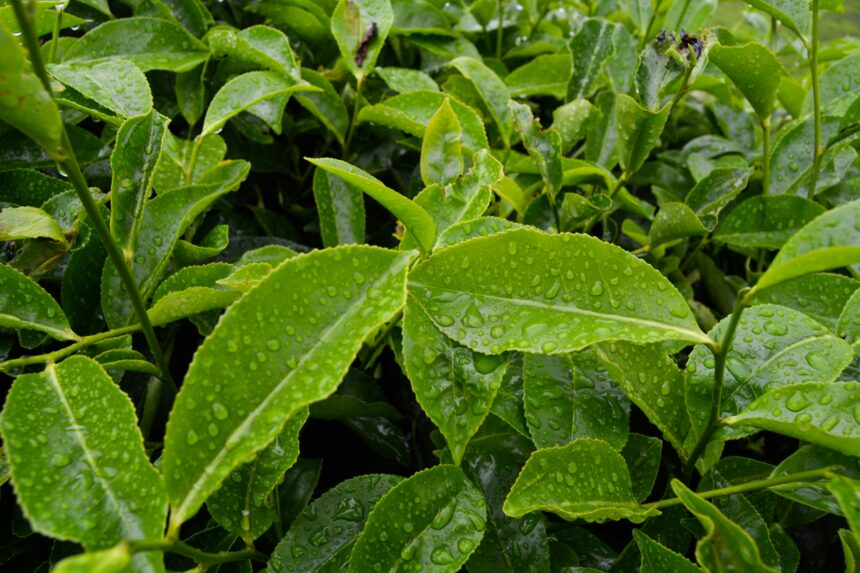
The jade elixir of youth, a simple brew steeped in tradition and brimming with health, holds remarkable promise for those seeking to extend their vibrant years. Green tea, with its roots deeply embedded in Asian cultures for millennia, is far more than just a pleasant beverage. It’s a potent ally in our pursuit of healthy aging, a fascinating subject for the “Nutrition & Longevity Diet” category on AgingDecoded.com.
This article will delve into the science-backed reasons why a mostly plant-based, Mediterranean-style diet, punctuated by the regular inclusion of green tea, can significantly support vibrant longevity. We’ll explore the longevity patterns observed in centenarian populations and the famed Blue Zones, and then zoom in on how green tea specifically contributes to these patterns through its unique biochemical profile. We’ll dissect key concepts like protein needs in midlife, the power of anti-inflammatory eating, the critical role of gut health, and the emerging science behind fasting and time-restricted eating, all within the context of a sustainable, life-enhancing approach. Finally, we’ll offer practical, achievable swaps to help those over 40 embrace the principles of longevity, with green tea shining as a star player.
For centuries, green tea has been revered not just for its refreshing taste but for its perceived health-promoting properties. Modern science is now catching up, uncovering the intricate mechanisms by which this humble beverage contributes to our well-being and, crucially, to our longevity. Unlike its fermented counterpart, black tea, green tea leaves undergo minimal oxidation during processing, preserving a higher concentration of beneficial compounds, particularly a group of antioxidants known as polyphenols. Among these, catechins, with epigallocatechin gallate (EGCG) being the most abundant and potent, are the real powerhouses.
These compounds are not merely passive players; they actively engage with our cellular machinery, influencing everything from our cellular repair processes to our inflammatory responses. Embracing green tea, especially as part of a predominantly plant-based, Mediterranean-style eating pattern, creates a synergistic effect, amplifying the benefits for healthy aging. This dietary approach, characterized by an abundance of vegetables, fruits, legumes, whole grains, nuts, seeds, healthy fats like olive oil, and lean protein sources such as fish, stands in stark contrast to diets high in processed foods, added sugars, refined carbohydrates, and excessive alcohol – factors widely recognized as detrimental to long-term health.
Unlocking Ancient Wisdom: Centenarians, Blue Zones, and Green Tea’s Role
The study of centenarians – individuals who live to 100 and beyond – and the world’s “Blue Zones” – geographical regions where people live significantly longer and healthier lives – offers invaluable insights into the secrets of longevity. These populations, while diverse, share common dietary and lifestyle threads that consistently include plant-forward eating and regular consumption of beneficial beverages.
Centenarian Diets: A Foundation of Plants and Wise Indulgences
Centenarians often hail from cultures with a strong tradition of plant-based eating. Their diets are typically rich in:
- Leafy greens: Abundant in vitamins, minerals, and antioxidants, they form a nutritional bedrock.
- Legumes: Beans, lentils, and peas are staples, providing plant-based protein, fiber, and complex carbohydrates.
- Whole grains: Unprocessed grains offer sustained energy and essential nutrients.
- Fruits and vegetables: A wide variety ensures a broad spectrum of phytonutrients and antioxidants.
- Nuts and seeds: These offer healthy fats, protein, and micronutrients that support cellular health.
Crucially, these diets are characterized by a low intake of processed foods, refined sugars, and unhealthy fats. The emphasis is on whole, unprocessed foods that nourish the body from the inside out. While green tea might not be a universal staple across all centenarian groups, its presence in many Asian Blue Zones, like Okinawa, Japan, is notable. The Okinawan diet, renowned for its longevity outcomes, is historically rich in vegetables, soy products, and green tea.
The Blue Zones Blueprint: Common Threads for a Long and Healthy Life
The Blue Zones – Okinawa (Japan), Sardinia (Italy), Nicoya (Costa Rica), Ikaria (Greece), and Loma Linda (California, USA) – share several dietary and lifestyle commonalities that contribute to their residents’ exceptional longevity:
- Plant-Based Emphasis: All Blue Zones feature diets that are predominantly plant-based. This means vegetables, fruits, legumes, and whole grains form the bulk of their meals.
- Moderate Protein Intake, Primarily Plant-Derived: While protein is essential, Blue Zone diets tend to consume moderate amounts, with a significant portion coming from plant sources like beans and lentils. Fish is also a common, albeit not always daily, component.
- Healthy Fats: Olive oil is a cornerstone of the Mediterranean diet, prevalent in Sardinia and Ikaria, and is known for its anti-inflammatory properties. Nuts and seeds are also consumed regularly.
- Limited Processed Foods and Sugars: These diets are decidedly low in processed items, sugary drinks, and refined carbohydrates, which are known contributors to chronic diseases.
- Social Connection and Active Lifestyles: Beyond diet, strong social networks and regular physical activity are critical pillars of Blue Zone living.
Green tea’s high antioxidant content, particularly EGCG, aligns beautifully with these longevity patterns. It acts as a powerful defender against cellular damage, inflammation, and oxidative stress – all key drivers of aging and age-related diseases. By mitigating these damaging processes, green tea can contribute to the kind of cellular resilience that supports healthy aging, mirroring the benefits observed in populations that naturally incorporate such protective foods and drinks into their lives.
Recent studies have increasingly highlighted the potential benefits of green tea in promoting longevity and overall health. For a deeper understanding of this topic, you can explore the article on the relationship between physical activity and aging, which discusses various lifestyle factors that contribute to a longer life. To read more about this fascinating connection, visit this article.
The Science of Sips: How Green Tea Works its Magic
The remarkable benefits of green tea for healthy aging stem from its rich profile of bioactive compounds, primarily polyphenols, with EGCG leading the charge. These compounds act through a variety of sophisticated biochemical pathways, influencing our bodies at a cellular level to promote resilience and vitality.
Antioxidant Powerhouse: Battling the Free Radical Frenzy
At the heart of green tea’s longevity potential lies its extraordinary antioxidant capacity. Our bodies are constantly exposed to free radicals – unstable molecules that can damage cells and DNA. This damage, known as oxidative stress, is a significant contributor to aging and the development of chronic diseases like heart disease, cancer, and neurodegenerative disorders.
EGCG and other catechins in green tea act as potent scavengers of these free radicals, neutralizing them before they can inflict harm. This protective effect is akin to having a dedicated repair crew constantly monitoring and fixing cellular damage. By reducing oxidative stress, green tea helps to preserve the integrity of our cells, tissues, and organs, slowing down the aging process and maintaining youthful function for longer.
Combating Inflammation: The Silent Culprit of Aging
Chronic, low-grade inflammation is another insidious driver of aging and disease. It can arise from various sources, including poor diet, stress, and environmental factors. Unlike acute inflammation, which is a beneficial response to injury, chronic inflammation is persistent and damaging, silently eroding our health over time.
Green tea’s polyphenols possess significant anti-inflammatory properties. They work by modulating various inflammatory pathways in the body, reducing the production of pro-inflammatory molecules and promoting the production of anti-inflammatory compounds. This dampening of chronic inflammation is crucial for maintaining healthy blood vessels, protecting organs, and supporting overall cellular health, all vital for a long and vibrant life.
Supporting Cellular Health and Repair: The Building Blocks of Longevity
Beyond its antioxidant and anti-inflammatory roles, green tea also influences critical cellular processes that are central to longevity.
Enhancing Mitochondrial Function: The Energy Factories of Our Cells
Mitochondria are the powerhouses of our cells, responsible for generating the energy we need to function. With age, mitochondrial function can decline, leading to reduced energy production and increased cellular damage. Studies suggest that compounds in green tea might help to improve mitochondrial efficiency and protect them from damage, ensuring our cells have the energy they need to perform optimally. This is particularly relevant for maintaining the vitality of tissues with high energy demands, like the brain and muscles.
Promoting Autophagy: The Body’s Cellular Cleanup Crew
Autophagy is a crucial cellular process where the body cleans out damaged or dysfunctional components, recycling them for reuse. This “cellular housekeeping” is vital for maintaining cellular health and preventing the accumulation of toxic waste products that can contribute to aging. Emerging research indicates that green tea catechins can stimulate autophagy, enhancing the body’s natural ability to repair and rejuvenate itself.
Beyond the Brew: Green Tea in the Context of a Longevity Diet

Green tea doesn’t exist in a vacuum; its benefits are amplified when integrated into a holistic, longevity-focused dietary pattern. The principles of the mostly plant-based, Mediterranean-style eating are perfectly complemented by the inclusion of green tea.
Recent studies have highlighted the potential benefits of green tea in promoting longevity and overall health. Research suggests that the antioxidants found in green tea may play a significant role in reducing the risk of chronic diseases and enhancing lifespan. For those interested in exploring this topic further, you can read more about the connection between green tea and longevity in this insightful article. Check it out here to discover how incorporating green tea into your daily routine might contribute to a healthier, longer life.
The Foundation: Mostly Plant-Based, Mediterranean-Style Eating
This dietary framework is built on the pillars of nutrient-dense, whole foods that provide the essential building blocks for cellular health and disease prevention.
- Vegetables and Fruits: The vibrant colors of produce signify a rich array of vitamins, minerals, fiber, and phytonutrients (plant compounds with health benefits). These antioxidants work synergistically with those found in green tea, creating a powerful defense against cellular damage.
- Legumes (Beans, Lentils, Peas): These are nutritional powerhouses, offering abundant plant-based protein, fiber, and complex carbohydrates. Fiber is crucial for gut health, and plant protein is often accompanied by beneficial phytonutrients often absent in animal protein sources.
- Whole Grains: Oats, quinoa, brown rice, barley – these provide sustained energy, fiber, and essential nutrients. They are superior to refined grains, which are stripped of their beneficial components during processing.
- Nuts and Seeds: Packed with healthy fats, protein, fiber, vitamins, and minerals, they contribute to satiety and cardiovascular health. The healthy fats are crucial for nutrient absorption and cell membrane health.
- Olive Oil: A cornerstone of the Mediterranean diet, extra virgin olive oil is rich in monounsaturated fats and antioxidants, renowned for its anti-inflammatory and heart-protective properties.
- Fish: Particularly fatty fish like salmon, mackerel, and sardines, provide omega-3 fatty acids, which are potent anti-inflammatories and are crucial for brain health.
Contrast this with a diet dominated by:
- Processed Foods: Often high in unhealthy fats, refined sugars, sodium, and artificial ingredients, they contribute to inflammation and disease.
- Added Sugars and Refined Carbs: These spike blood sugar levels, leading to inflammation, insulin resistance, and weight gain.
- Excess Alcohol: While moderate alcohol consumption can have some purported benefits for some, excess intake is detrimental to cellular health, liver function, and overall longevity.
Green tea, with its specific advantages, acts as a powerful enhancer within this healthy dietary matrix. It provides a concentrated dose of antioxidants and anti-inflammatory compounds that complement the broader nutritional benefits of whole plant foods.
Protein Needs in Midlife and Beyond: Quality Over Quantity
As we age, particularly after our 40s, maintaining muscle mass becomes increasingly important for mobility, metabolism, and overall health. This is often referred to as sarcopenia, the age-related loss of muscle tissue. Therefore, adequate protein intake is crucial during midlife and beyond.
However, the quality and source of protein are paramount within a longevity diet. While meeting protein needs is important, a focus on excessive animal protein, especially from red and processed meats, can be accompanied by saturated fats and other compounds that promote inflammation.
The mostly plant-based, Mediterranean-style diet offers excellent protein sources:
- Legumes: As mentioned, beans, lentils, and peas are fantastic sources of both protein and fiber.
- Nuts and Seeds: Contribute protein alongside healthy fats and micronutrients.
- Whole Grains: Offer some protein, especially quinoa and oats.
- Fish: Provides high-quality animal protein alongside beneficial omega-3 fatty acids.
- Tofu and Tempeh: Soy-based products are excellent plant-based protein sources.
Green tea doesn’t directly contribute significant protein, but its role in supporting overall cellular health and reducing inflammation can create an optimal environment for the body to utilize the protein it receives for muscle maintenance and repair.
The Gut-Brain Axis: A Thriving Ecosystem for Longevity
The trillions of microorganisms residing in our gut, collectively known as the gut microbiome, play a profound and ever-expanding role in our health, influencing everything from digestion and immunity to mood and even longevity. A diverse and balanced gut microbiome is associated with better health outcomes.
Green tea’s polyphenols can act as prebiotics, meaning they selectively feed beneficial gut bacteria. By promoting the growth of these health-promoting microbes and inhibiting the growth of harmful ones, green tea can contribute to a healthier gut environment.
A healthy gut is linked to:
- Improved Nutrient Absorption: A well-functioning gut can better absorb the vitamins, minerals, and other nutrients from our food, maximizing their benefit for longevity.
- Reduced Inflammation: A significant portion of our immune system resides in the gut. An imbalanced microbiome can trigger inflammation that can spread throughout the body.
- Enhanced Mood and Cognitive Function: The gut-brain axis is a bidirectional communication pathway. A healthy gut can positively influence our mental well-being.
The fiber-rich nature of the plant-based diet further supports a healthy gut by providing ample fuel for beneficial bacteria. Green tea adds another layer of support by directly influencing the microbial composition.
Fasting and Time-Restricted Eating: Harnessing the Body’s Natural Rhythms
Fasting, or voluntarily abstaining from food for a period, and time-restricted eating (TRE), where eating is confined to a specific window each day, are ancient practices gaining renewed scientific attention for their potential health and longevity benefits.
These practices can:
- Improve Insulin Sensitivity: By giving the body periods of rest from digestion, fasting can help improve how our cells respond to insulin, reducing the risk of type 2 diabetes.
- Promote Cellular Repair: During fasting periods, the body can switch to repair and maintenance modes, including enhancing autophagy.
- Influence Metabolism: Fasting can help the body become more efficient at burning fat for energy.
Green tea can be a valuable companion during fasting periods. Its lack of calories and its hydrating properties make it an ideal beverage to consume while abstaining from food. Furthermore, its beneficial compounds can potentially amplify the cellular benefits associated with fasting. For instance, the activation of cellular repair pathways during fasting might be further boosted by the antioxidant and anti-inflammatory actions of green tea.
Calorie Density Without Extreme Restriction: Nourishment for the Long Haul
Longevity diets are not about severe calorie restriction, which can be unsustainable and lead to nutrient deficiencies. Instead, they focus on nutrient density – choosing foods that provide a high amount of nutrients relative to their calorie content.
A mostly plant-based, Mediterranean-style diet is inherently nutrient-dense. Vegetables, fruits, legumes, nuts, and seeds are packed with vitamins, minerals, fiber, and beneficial phytonutrients. This allows you to feel satisfied and nourished while consuming fewer calories than you would from highly processed, calorie-dense, nutrient-poor foods.
Green tea is an excellent example of a virtually calorie-free beverage that offers significant health benefits. Substituting sugary drinks or other calorie-laden beverages with green tea can significantly reduce your overall calorie intake without sacrificing nutritional value. It aids in hydration, provides antioxidants, and can even offer a subtle metabolic boost, all contributing to a sustainable approach to weight management that supports long-term health and longevity.
How to Eat for Longevity: Realistic Swaps for Those Over 40

Embracing a longevity-focused diet doesn’t require a complete overhaul overnight. Small, consistent changes can lead to significant improvements over time. For individuals over 40, focusing on nutrient density, reducing inflammation, and supporting cellular health is key. Here are 4–6 realistic food and habit swaps:
- Swap Sugary Drinks for Green Tea: Instead of soda, sweetened juices, or sugary coffee drinks, make a conscious effort to switch to unsweetened green tea. Enjoy it hot or iced, plain or with a splash of lemon. This simple swap drastically reduces your intake of empty calories and floods your body with potent antioxidants.
- Replace Refined Grains with Whole Grains: If your daily bread, pasta, or rice is white, switch to their whole-grain counterparts. Opt for whole wheat bread, brown rice, quinoa, or whole wheat pasta. This swap increases your fiber intake, which is crucial for gut health, blood sugar control, and satiety.
- Incorporate a Daily Serving of Legumes: Aim to add a cup of beans, lentils, or chickpeas to your meals at least once a day. This could be adding black beans to your salad, lentils to your soup, or hummus as a dip. This boosts your plant-based protein and fiber intake, contributing to a feeling of fullness and providing essential nutrients.
- Make Leafy Greens a Daily Priority: Don’t just have a side salad occasionally. Aim to include a generous portion of leafy greens – spinach, kale, arugula, Swiss chard – in at least one meal each day. Add spinach to your morning smoothie, sauté kale with garlic for dinner, or toss arugula into your pasta dish. These nutrient powerhouses are packed with vitamins, minerals, and antioxidants that fight inflammation.
- Embrace Healthy Fats by Swapping Unhealthy Oils for Olive Oil: If you primarily use vegetable oils or butter for cooking, gradually transition to extra virgin olive oil. Use it for sautéing vegetables, making salad dressings, or drizzling over finished dishes. This provides healthy monounsaturated fats and anti-inflammatory compounds.
- Practice Mindful Eating and Portion Awareness: Beyond specific foods, cultivate the habit of eating mindfully. Pay attention to your hunger and fullness cues. Slow down your eating, savor each bite, and aim for satisfaction rather than overeating. This practice, combined with nutrient-dense choices, naturally helps manage calorie intake without feeling deprived.
In conclusion, the evidence is compelling: a predominantly plant-based, Mediterranean-style diet, rich in nutrient-dense whole foods and complemented by the daily ritual of enjoying green tea, offers a powerful pathway to healthy aging. By understanding the intricate science behind these dietary choices, and by making consistent, manageable swaps, we can empower ourselves to live longer, healthier, and more vibrant lives, one delicious sip and bite at a time.
FAQs
What is green tea?
Green tea is a type of tea that is made from the leaves of the Camellia sinensis plant. It is not fermented like black tea, which helps to preserve its natural antioxidants and polyphenols.
How does green tea contribute to longevity?
Green tea has been linked to longevity due to its high levels of antioxidants, particularly catechins and polyphenols, which have been shown to have protective effects on the body. These antioxidants help to reduce inflammation, lower the risk of chronic diseases, and improve overall health, which can contribute to a longer lifespan.
What are the health benefits of green tea?
Green tea has been associated with a range of health benefits, including improved brain function, fat loss, a lower risk of cancer, and a reduced risk of heart disease. It also contains compounds that can help improve dental health and lower the risk of infection.
How much green tea should be consumed for longevity benefits?
While there is no specific recommended amount of green tea for longevity benefits, studies have shown that consuming around 3-5 cups per day can have a positive impact on health. It’s important to note that excessive consumption of green tea can lead to negative side effects, so moderation is key.
Are there any potential risks associated with drinking green tea?
While green tea is generally safe for most people, it does contain caffeine, which can cause side effects such as insomnia, anxiety, and digestive issues in some individuals. It can also interact with certain medications, so it’s important to consult with a healthcare professional before consuming large amounts of green tea, especially if you have any underlying health conditions or are taking medications.