


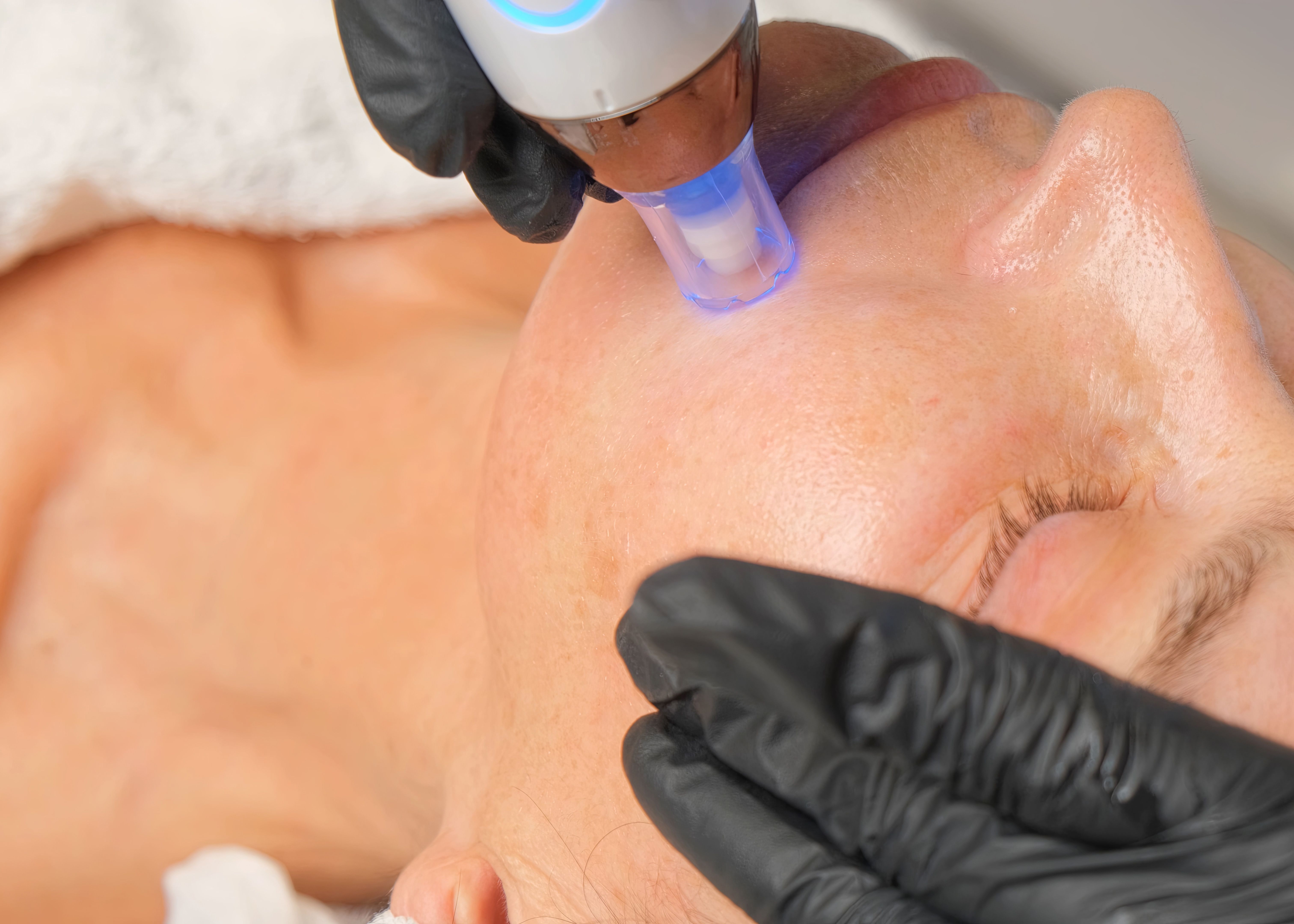
Understanding the Risks of RF Microneedling: A Candid Reflection
In a recent communication, the US Food and Drug Administration (FDA) issued an important alert regarding radiofrequency (RF) microneedling devices, which are becoming increasingly popular in the realm of aesthetic dermatology. This notification caught my attention, sparking both concern and curiosity about a treatment that many consider a less invasive alternative to traditional lasers. As I read through the details, I couldn’t help but reflect on my own skincare journey and how easily one can be swept away by trends without fully understanding their implications.
A Shifting Perspective on Beauty Treatments
I used to believe that skin treatments like RF microneedling were simply cosmetic procedures—an easy path to rejuvenation without significant risk. However, this FDA communication reminded me that these devices are classified as medical tools rather than mere beauty enhancements. Dr. Kachiu Lee, a board-certified dermatologist at Temple University, emphasizes this distinction: “RF microneedling devices are medical procedures, not cosmetic treatments.” How often do we overlook the gravity of medical interventions in our quest for flawless skin?
The Reality Behind RF Microneedling
RF microneedling merges two longstanding techniques: microneedling and radiofrequency energy. The idea is enticing; tiny needles create micro-injuries in our skin while simultaneously delivering heat to stimulate collagen production deep beneath the surface. For many, it sounds like the perfect solution for stubborn wrinkles or acne scars—less recovery time compared to invasive surgeries with potential for impressive results.
Yet as I delved deeper into this safety alert from the FDA, I learned that complications reported after receiving these treatments include thermal burns, scarring, fat loss in delicate areas such as around the eyes and cheeks, neurological injuries leading to numbness or discomfort, and even disfigurement due to unforeseen tissue damage. It’s unsettling to think how quickly something touted as “minimally invasive” could spiral into serious complications.
Navigating Treatment Choices Carefully
This brings me back to personal experiences with skincare routines. There was a time when I hopped from one trendy product or procedure to another in hopes of achieving “perfect” skin—often overlooking whether those choices aligned with my unique needs or potential risks involved. These moments remind me of an early morning ritual where I applied a new overnight mask promising hydration but woke up with irritation instead—my skin felt angry rather than renewed.
The message here is clear: informed decision-making is crucial when considering any treatment involving our health and appearance. The FDA reports that patients have sometimes required surgical repair after adverse events from RF microneedling; providers need thorough training combined with an understanding of device-specific parameters.
This is not just about mastering techniques; it’s about respecting our bodies’ boundaries and understanding how they respond differently based on individual anatomy.
A Collaborative Approach
I can’t stress enough how vital it is for both patients and providers alike to engage openly about expectations before embarking on any treatment journey together. Dr. Zoe Diana Draelos aptly highlights how crucial it is that these treatments be performed using well-tested devices by trained professionals—a reminder we should all take seriously if we choose this route.
As someone who’s still learning through trial-and-error while navigating skincare advice online—I firmly believe collaboration between knowledgeable healthcare practitioners and informed patients can lead us towards healthier outcomes altogether.
The Takeaway: Caring for Our Skin Wisely
If you’re thinking about diving into RF microneedling—or any other potentially risky procedure—here are some tips gleaned from recent findings:
- Assess your practitioner’s qualifications thoroughly; know their experience with specific devices used during treatments.
- Discuss all potential risks upfront; transparency can empower better decision-making moving forward.
- Never underestimate post-treatment care; monitor any changes carefully after procedures because awareness matters!
“Being an informed provider can prevent potential complications.” – Dr. Kachiu Lee
A Word For Patients And Caregivers
The FDA has also provided guidance tailored specifically for individuals seeking RF microneedling services:
- Recognize this isn’t just another cosmetic trend—it’s indeed part of medical intervention!
- Consult licensed professionals whose expertise aligns closely with what you hope to achieve while prioritizing safety above everything else!
Your Skin Deserves Careful Attention
The ongoing actions taken by regulatory agencies only reinforce why we should remain vigilant regarding emerging technologies within dermatology—the landscape will keep evolving continuously! Keep yourself updated on safety communications whenever possible so you’ll always make educated choices concerning your skincare regimen.
After all those years spent chasing perfection through fleeting beauty fads—I now find solace knowing every scar tells a story worth embracing rather than shying away from imperfections along our journeys toward self-love!
Written for Aging Decoded – The Future of Health News, One Story at a Time.