
Calcium: A Double-Edged Sword for Heart Health
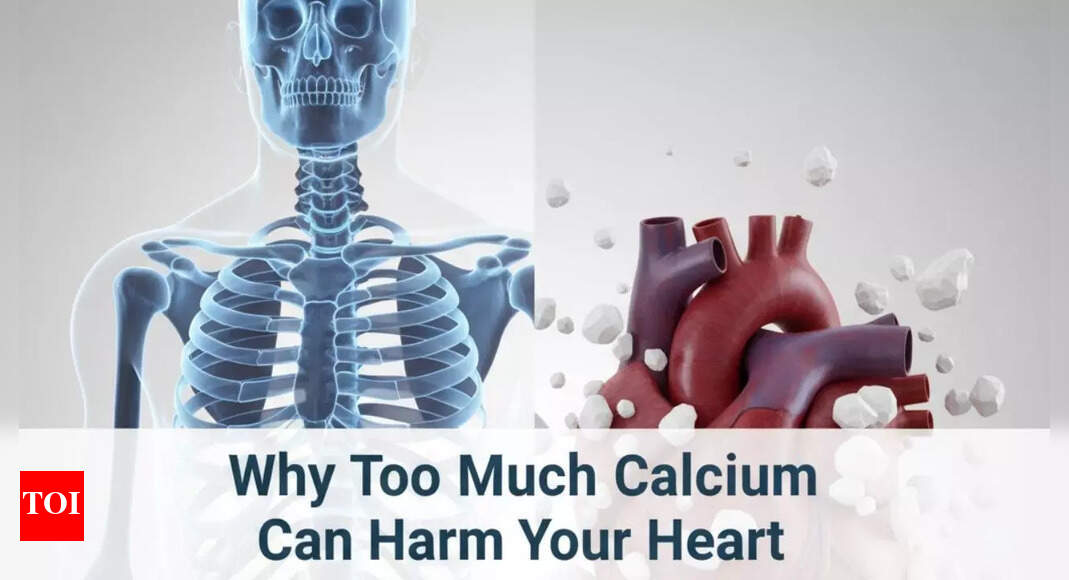
As someone who has long believed in the importance of strong bones, I’ve often sung the praises of calcium. It’s practically a household name in the realm of health—after all, what could be more essential than a nutrient that helps build our skeletons? But as I’ve learned through both research and personal experience, there’s a shadow side to this seemingly innocent mineral. Too much calcium, particularly from supplements, can have detrimental effects—including on our hearts. It’s a stark reminder that more isn’t always better when it comes to nutrition.
The Double-Edged Nutrient
For decades now, we’ve been told that calcium is crucial for bone strength and overall health. I used to think that if I just loaded up on calcium-rich foods or popped a few pills here and there, I’d be safeguarding my bones against deterioration. However, new insights suggest that too much calcium can lead to unexpected problems—especially when it accumulates in places like arteries rather than bones.
The National Institutes of Health (NIH) outlines calcium’s many benefits: it supports muscle function, nerve signaling, hormone release—and yes, bone health. But what happens when we exceed our body’s needs? That excess circulates through our system and potentially settles where it’s not wanted. The thought of unwanted deposits forming around my heart is enough to make anyone reconsider their supplement routine.
The Supplement Trap
I remember a time when I was convinced that taking calcium supplements would ensure my bones remained strong as I aged. However, research reveals a more complicated picture. A study published in The BMJ found that individuals who regularly took high doses of these supplements had an increased risk of heart attacks compared to those whose sources were primarily dietary. To me, this raises critical questions about how we approach supplementation.
“More isn’t always better when it comes to nutrition.”
This idea resonates with me deeply because I’ve witnessed friends and family fall into the supplement trap: they take pills believing they’re making healthy choices but may inadvertently put themselves at risk instead. Another analysis from the European Heart Journal noted that certain supplements can cause spikes in blood calcium levels; this might encourage the very vascular calcification we’re trying to avoid.
When Your Diet Already Gives You Enough
The Indian Council of Medical Research (ICMR) recommends adults get about 1,000 mg of calcium daily—a goal easily achievable with a balanced diet featuring dairy products, leafy greens like spinach or kale, and legumes such as lentils or chickpeas. Yet so many people seem unsure whether they’re consuming enough; fear often drives us toward excessive supplementation. And let’s face it—I too have been guilty of overindulging out of worry for future health issues.
This mindset can lead us down slippery slopes: excessive intake over time may contribute to kidney stones or digestive troubles—not exactly friendly reminders from our bodies about balance! As I reflect on my own eating habits—the pasta dinners filled with cheese and creamy sauces—I realize how easy it is to lose sight of moderation amidst fears about osteoporosis or signs of aging.
How Excess Calcium Hurts Your Body
- Kidney stones: Extra calcium can combine with oxalate in food (think spinach!) leading to painful stones.
- Heart calcification: An accumulation may harden arteries—certainly not something any one wants!
- Constipation and fatigue: High levels can block absorption of other vital nutrients like magnesium and iron.
- Drug interference: Calcium can reduce absorption rates for certain medications like thyroid treatments or antibiotics.
I find these potential consequences sobering; they’re not just statistics but real-life scenarios impacting those we care about—even ourselves! Generally speaking, most individuals should steer clear from surpassing 2,000 mg daily unless monitored closely by healthcare professionals.
Safer Ways to Get Calcium
If there’s one lesson I’ve taken away from all this exploration into dietary needs versus supplementation strategies—it’s prioritizing whole foods over pills wherever possible! Food-based sources provide not only slower absorption rates but also accompany other nutrients necessary for maintaining bone health without imposing cardiovascular risks.
| Food | Calcium (mg per 100 g) |
| Ragi (finger millet) | 350 mg |
| Curd / Yogurt | 120 mg |
| Sesame seeds (til) | 975 mg |
| Amaranth leaves | 215 mg |
| Tofu | 200 mg |
|---|---|
| Cow milk | 125 mg |
| Almonds | 264 mg &nbps; &nbs;&nbs;p;br |
– Vitamin D – Essential for Calcium Absorption!
/I hope you know vitamin D is integral because it aids absorption perfectly! Sunlight is free; eggs taste delicious while fish dishes offer delightful flavors alongside their benefits too!/
I’m still uncovering ways to enhance how much natural vitamin D enters my life while making sure I’m getting adequate amounts paired with my dietary choices.
,
,
,
## Who Actually Needs Supplements?
Some people genuinely require extra calcium due factors such as:
-
- Post-menopausal women facing low bone density focuses which require higher management periods during transition stages.
- – Pregnant women needing sufficient nourishment supporting fetal growth requires careful monitoring based upon individual requirements.
- – Individuals diagnosed with osteoporosis requiring additional assistance managing medications throughout treatment courses.
- – Lactose intolerant persons needing alternative diets encompassing limited options.
Even then though these situations arise before considering any form suggested therapies—reassessing specific tests versus medical guidance remains important since individual needs vary widely!
This emphasizes why splitting doses along pairing results combined alongside vitamin D optimizes helpfulness without adverse reactions occurring either.
### Myths To Stop Believing
In wellness circles today abound numerous misconceptions propagated regarding proper nutrition practices surrounding essential minerals like good old’ calming [calcium].
Myths include statements such as:- “The More Calcium You Take = Stronger Bones””—i.e., quantity matters only sometimes.” Facts reveal maintaining strong integrity relies upon vitamins/minerals/proteins combined regularly exercised entailed consistent attention paid forthwith instead!
- “Non-Dairy Eaters Cannot Get Enough Calcium”—a statement disregarding available alternatives including ragi/tofu/sesame/leaves packed within plenty! Thus enabling flexibility amongst varied diets effectively still achieve proper intake goals overall.
- “All Tablets Are Harmless”—(Experience teaches us otherwise!). Long-term unsupervised uses elevate risks concerning kidney complications/cardiovascular concerns altogether leading ultimately poor outcomes later down road(s).
Your takeaway here should showcase accurate perceptions tailored towards specific contexts bear consideration before blindly following trends enticing mixed messages left unanswered!
### The Takeaway
Ultimately acknowledging balance matters far more profoundly compared quantities alone highlights intricate details deemed significant realizing true foundations built around holistic approaches spanning lifestyle choices intertwined harmoniously together fostering flourishing futures ahead!
Before diving headfirst into supplement bottles available near me lately discovered it’s easier check kitchen settings first identify existing provisions potentially overlooked sparking renewed focus on obtaining needed resources naturally already present within reach.
This journey epitomizes personal agency intertwined along lines attributed empowered decisions promoting prevention strategies successfully crafting desired outcomes overall without sacrificing quality nor effort expended consciously investing continually forward!No sources necessary as anecdotal evidence prevails reflecting lived lessons learned firsthand evolving continuously throughout everyday life experiences encountered navigating wellness journeys respectively steering mindful paths knowingly navigating complexities laid ahead unveil untold opportunities fostering resilience building each step taken henceforth moving forward proudly onward embarking collectively shared achievements designed encouraging self-care prevailing nurtured compassionately developing empowering spaces engaging interconnected communities awaiting upliftment tirelessly strive towards optimal living gracefully!n”
written Aging Decoded – The Future Health News One Story Time .”