


The diet we choose to follow has a profound impact on how we age, influencing everything from our cellular health to the vitality of our skin. On AgingDecoded.com, within our “Nutrition & Longevity Diet” section, we explore eating patterns that not only promote a longer lifespan but also one filled with well-being. Today, we’re diving deep into how a predominantly plant-based, Mediterranean-style eating pattern, coupled with an understanding of longevity principles, can be your ally in achieving healthy aging, particularly focusing on how these choices can impact your skin’s radiance.
The Pillars of a Longevity Diet
Imagine a lifestyle that consistently fuels your body, protects your cells, and keeps inflammation at bay. This is the essence of a longevity diet, and the Mediterranean pattern provides an excellent blueprint. It’s not about strict rules or deprivation; rather, it’s about embracing nutrient-dense foods that have been scientifically linked to increased lifespan and improved quality of life, thereby contributing to a more vibrant and youthful appearance.
The Foundation: Mostly Plant-Based, Mediterranean-Style Eating
This dietary approach emphasizes foods that are rich in vitamins, minerals, antioxidants, and fiber, while minimizing those that can contribute to chronic inflammation and cellular damage.
- Plenty of Vegetables and Fruits: These are the powerhouses of antioxidants, vitamins, and minerals. Think of them as your body’s natural defense system against oxidative stress, a major contributor to aging, including the visible signs on your skin like wrinkles and dullness. The vibrant colors of fruits and vegetables often indicate the presence of different beneficial phytonutrients. For example, the deep red of berries signifies anthocyanins, potent antioxidants that can help protect skin cells from damage. Leafy greens, like spinach and kale, are packed with vitamins A, C, and K, as well as lutein and zeaxanthin, which can support skin health and even eye health.
- Legumes: The Unsung Heroes: Beans, lentils, and peas are exceptional sources of plant-based protein, fiber, and complex carbohydrates. Their slow-releasing energy prevents blood sugar spikes, which can otherwise lead to inflammation and advanced glycation end products (AGEs) – molecules that can damage collagen and elastin, the proteins that keep skin firm and supple. The fiber in legumes also plays a crucial role in gut health, which we’ll discuss later, and this connection is increasingly being recognized as vital for overall health and skin vitality.
- Whole Grains: Fueling Sustained Energy: Unlike refined grains, whole grains (like oats, quinoa, brown rice, and whole wheat) retain their bran and germ, meaning they are rich in fiber, B vitamins, and minerals. This translates to a steady release of energy, avoiding the energy crashes and sugar cravings associated with refined carbohydrates. For skin, this means a more stable internal environment, less prone to inflammation that can exacerbate skin conditions and accelerate aging.
- Nuts and Seeds: Tiny Powerhouses of Goodness: A handful of nuts and seeds provides healthy fats (including omega-3 fatty acids in walnuts and flaxseeds), protein, fiber, and micronutrients like vitamin E and selenium. These are crucial for skin barrier function, hydration, and protection against environmental damage. Omega-3s, in particular, are known for their anti-inflammatory properties, which can help calm the skin and reduce redness.
- Olive Oil: The Golden Elixir: Extra virgin olive oil is a cornerstone of the Mediterranean diet, lauded for its monounsaturated fat content and abundant polyphenols, potent antioxidants that combat inflammation and protect cells. These polyphenols can contribute to skin elasticity and a healthy glow.
- Fish: A Source of Essential Fatty Acids: Fatty fish like salmon, mackerel, and sardines are rich in omega-3 fatty acids, particularly EPA and DHA. These are crucial for reducing inflammation throughout the body, including the skin, and can help maintain skin hydration and elasticity. Regular consumption of fish is linked to a lower risk of chronic diseases and contributes to a more resilient and youthful complexion.
Minimizing the Detrimental:
Equally important is what we choose to limit.
- Very Little Processed Food: These foods are often stripped of nutrients and packed with artificial ingredients, unhealthy fats, added sugars, and excessive sodium. They contribute to inflammation, disrupt gut health, and can lead to weight gain, all of which accelerate the aging process.
- Sugar and Refined Carbs: These cause rapid spikes in blood sugar, leading to inflammation and the formation of AGEs, which damage collagen and elastin, resulting in sagging skin and wrinkles.
- Excess Alcohol: While moderate consumption might have some benefits for certain individuals, excessive alcohol intake dehydrates the body, depletes nutrients, and contributes to inflammation, all of which negatively impact skin health and overall aging.
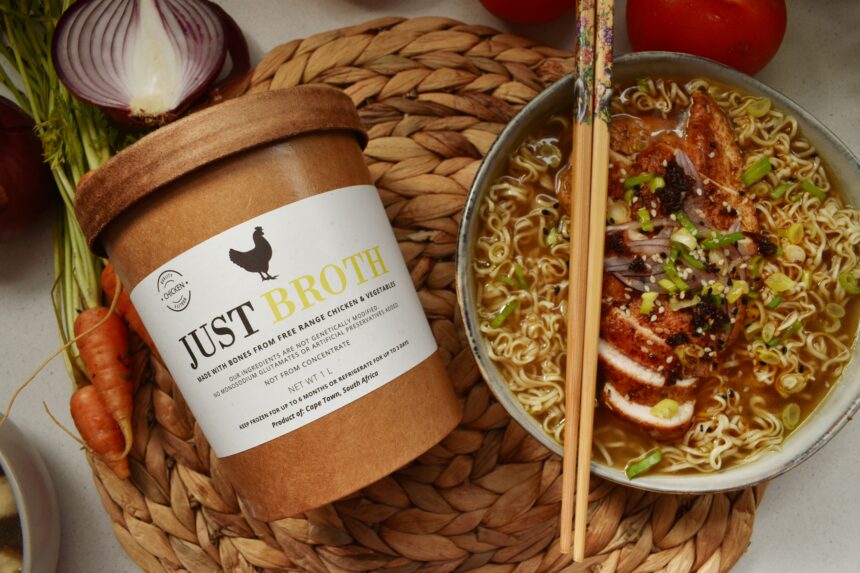
Recent discussions around the anti-aging benefits of bone broth have sparked interest in its potential to improve skin elasticity and overall vitality. For those looking to delve deeper into the science behind these claims, a related article can be found at Aging Decoded, which explores various factors that may hinder the aging process and how dietary choices, including bone broth, can play a role in promoting healthier aging.
Longevity Patterns: Insights from Centenarians and Blue Zones
The study of centenarians – individuals who live to 100 and beyond – and the “Blue Zones” (regions of the world with unusually high rates of long-lived people) offers invaluable clues about dietary habits that promote longevity. These communities often share remarkably similar dietary principles that align with the predominantly plant-based, Mediterranean-style approach.
- Beans, Beans, Everywhere: In virtually every Blue Zone, legumes are a dietary staple. Whether it’s black beans in Okinawa, Peru, or Nicaragua, lentils in Greece, or chickpeas in Sardinia, beans are consistently consumed daily. Their combination of protein, fiber, and complex carbohydrates provides sustained energy, supports a healthy gut microbiome, and contributes to a feeling of fullness, which can help manage weight – a key factor in healthy aging. The fiber content also aids in blood sugar regulation, again, crucial for healthy aging and preserving skin integrity.
- Leafy Greens Reign Supreme: Similar to their prominence in the Mediterranean diet, leafy greens are a daily occurrence in Blue Zones. They are packed with vitamins, minerals, and antioxidants that protect cells from damage and reduce inflammation. For skin, this means enhanced protection from environmental stressors and support for cellular repair.
- Sweet Potatoes: A Root of Vitality: In Okinawa, Japan, a Blue Zone known for its exceptionally long-lived population, sweet potatoes are a primary source of carbohydrates. They are rich in beta-carotene, which the body converts to vitamin A – essential for skin cell turnover and repair, contributing to a smoother, more radiant complexion. They also provide fiber and antioxidants.
- Nuts: A Daily Ritual: Many Blue Zones feature regular consumption of nuts, often about a handful a day. This aligns with the idea that healthy fats, protein, and micronutrients from nuts contribute to heart health, brain function, and overall cellular well-being. For skin, these nutrients support hydration and protection.
The common thread in these longevity hotspots is a diet rich in whole, unprocessed foods, with plant-based sources forming the majority of meals. This emphasizes simplicity, nutrient density, and a focus on foods that nourish the body from the inside out, a principle that directly translates to healthier, more vibrant skin as we age.
Key Concepts for Optimal Aging and Skin Radiance
Understanding certain biological processes and dietary strategies can further enhance the benefits of a longevity diet for graceful aging and glowing skin.
Protein Needs in Midlife and Beyond
As we age, particularly from our 40s onwards, our protein needs don’t decrease; in fact, they can become even more critical. Muscle mass naturally declines with age (sarcopenia), and adequate protein intake is essential for preserving muscle strength and function. This is not just about mobility; it’s about maintaining a healthy metabolism and supporting the body’s repair processes, which include skin regeneration.
- Why Protein Matters for Skin: Protein is the building block of collagen and elastin, the fundamental proteins that give our skin its structure, firmness, and elasticity. Sufficient protein intake ensures that the body has the necessary components to repair and regenerate skin cells, leading to a more supple and less wrinkled appearance.
- Sources of Quality Protein: The longevity diet emphasizes lean protein sources. This includes fish, legumes, nuts, seeds, and modest amounts of poultry. Spreading protein intake throughout the day, rather than consuming it all in one meal, can be more effective for muscle protein synthesis. For instance, incorporating legumes into snacks, adding nuts to breakfast, or enjoying fish for lunch and dinner provides a continuous supply of essential amino acids.
Anti-Inflammatory Eating: The Secret to Youthful Skin
Chronic inflammation is a silent saboteur of health and a major driver of aging, both internally and externally. It contributes to a wide range of diseases and accelerates the breakdown of tissues, including collagen and elastin in the skin, leading to premature wrinkles, sagging, and dullness. The predominantly plant-based, Mediterranean-style diet is inherently anti-inflammatory.
- The Inflammatory Cascade: When the body is exposed to toxins, allergens, or imbalances, it triggers an inflammatory response. While acute inflammation is a necessary healing mechanism, chronic, low-grade inflammation can damage cells and tissues over time. This damage can manifest as accelerated aging, including visible signs on the skin.
- Foods That Fight Inflammation: Antioxidants found in fruits, vegetables, herbs, and spices are powerful weapons against inflammation. Omega-3 fatty acids in fatty fish, nuts, and seeds help to dampen inflammatory pathways. Fiber from whole grains and legumes also plays a role by promoting a healthy gut microbiome, which is intrinsically linked to immune function and inflammation control.
- Foods to Avoid for Reduced Inflammation: Highly processed foods, refined sugars, unhealthy fats (trans fats and excessive saturated fats), and excessive alcohol are pro-inflammatory. Limiting these can significantly reduce the inflammatory burden on your body and skin.
Gut Health: The Gut-Skin Axis Connection
Our gut is often referred to as our “second brain,” but it’s also a critical hub for our immune system and plays a surprising role in the health and appearance of our skin. The concept of the “gut-skin axis” highlights the bidirectional communication between the gastrointestinal tract and the skin.
- The Microbiome’s Role: Trillions of microorganisms, collectively known as the gut microbiome, reside in our digestive system. A balanced and diverse microbiome is essential for proper digestion, nutrient absorption, and immune regulation. An imbalance, known as dysbiosis, can lead to increased gut permeability (“leaky gut”), allowing inflammatory molecules to enter the bloodstream and potentially trigger or exacerbate skin conditions like acne, eczema, and premature aging.
- Feeding Your Gut for Healthy Skin: The longevity diet is a goldmine for gut-friendly foods. Fiber from fruits, vegetables, whole grains, and legumes acts as prebiotics, feeding the beneficial bacteria in your gut. Fermented foods like kimchi, sauerkraut, and plain yogurt (if tolerated) contain probiotics, live beneficial bacteria that can help restore balance to the microbiome. Reducing processed foods and sugar also starves the less beneficial bacteria. A healthy gut microbiome can lead to clearer, more radiant skin with reduced inflammation.
Fasting and Time-Restricted Eating: A Modern Longevity Tool
Fasting, in its various forms, and time-restricted eating (TRE) are ancient practices gaining modern scientific backing for their potential health and longevity benefits. TRE involves restricting your eating window to a specific number of hours each day (e.g., 10-12 hours).
- Cellular Renewal and Autophagy: During fasting periods, when your body isn’t actively digesting food, it can focus on cellular repair processes, including autophagy. Autophagy is a crucial cellular “clean-up” mechanism where cells remove damaged components and regenerate. This process is thought to be vital for preventing disease and promoting longevity, and it can also contribute to cellular rejuvenation, which can translate to more vibrant skin.
- Metabolic Improvements: TRE can improve insulin sensitivity, aid in weight management, and reduce inflammation, all of which are beneficial for healthy aging and can positively impact skin health by reducing sugar-related damage and inflammation.
- Calorie Density and Mindful Eating: While not extreme restriction, TRE encourages mindful eating within a defined timeframe. This can naturally lead to consuming fewer calories without feeling deprived, as the focus shifts to nutrient-dense foods within the eating window. It’s about when you eat as much as what you eat.
It’s important to note that fasting and TRE are not suitable for everyone and should be approached with awareness. Pregnant or breastfeeding women, individuals with a history of eating disorders, and those with certain medical conditions should consult with a healthcare professional before implementing these practices.
Recent discussions surrounding the anti-aging benefits of bone broth have gained traction, with many claiming that its rich collagen content can help improve skin elasticity and reduce the appearance of wrinkles. For those interested in exploring this topic further, a related article can be found at Aging Decoded, which delves into various aspects of aging and wellness. This resource provides valuable insights into how dietary choices, including bone broth, may influence our aging process and overall health.
Calorie Density: Quality Over Quantity
The concept of calorie density refers to the number of calories in a given volume of food. The longevity diet, rich in fruits, vegetables, legumes, and whole grains, is generally low in calorie density. This means you can eat larger portions of these nutrient-rich foods while consuming fewer calories compared to highly processed, calorie-dense foods.
- Satiety and Nutrient Intake: Low-calorie-dense foods are typically high in water and fiber, which contribute to feelings of fullness and satisfaction. This makes it easier to manage your weight without feeling constantly hungry, a crucial aspect of long-term dietary adherence and healthy aging. By prioritizing these foods, you ensure that your body receives a wealth of vitamins, minerals, and antioxidants with fewer calories, promoting overall health and a vibrant complexion.
- Avoiding Extreme Restriction: The goal isn’t severe calorie deprivation. Instead, it’s about making smart choices that maximize nutrient intake and promote satiety. Focusing on whole, unprocessed foods naturally shifts your diet towards a lower calorie density, supporting a healthy weight and numerous other health benefits without the pitfalls of extreme dieting.
How to Eat for Longevity: Realistic Swaps for Over 40
Adopting a longevity diet doesn’t require a complete overhaul overnight. Small, consistent changes can lead to significant long-term benefits for your health and appearance. Here are a few realistic food and habit swaps for individuals over 40:
- Swap Refined Grains for Whole Grains: Instead of white bread, white pasta, or white rice, opt for whole-wheat bread, whole-grain pasta, brown rice, quinoa, or oats. This increases your fiber intake, improves blood sugar control, and provides sustained energy, all contributing to healthier aging and a more stable internal environment for your skin. Habit: When grocery shopping, consciously choose the whole-grain option in the bread aisle or opt for brown rice over white rice.
- Increase Your Daily Legume Intake: Aim to include a source of legumes in at least one meal per day. This could be adding a handful of lentils to your soup, chickpeas to your salad, or black beans to your morning scramble. Legumes are packed with protein, fiber, and essential nutrients that are vital for muscle maintenance and overall health as we age. Habit: Keep canned (rinsed) or dried legumes stocked and have a go-to simple recipe, like a hearty lentil soup or a quick bean salad.
- Embrace Healthy Fats Beyond Butter: Replace butter or margarine with extra virgin olive oil for cooking and salad dressings. Incorporate a small handful of nuts or seeds into your breakfast or as a snack. These healthy fats, particularly monounsaturated and omega-3 fatty acids, are crucial for reducing inflammation and supporting skin health by maintaining its barrier function and hydration. Habit: Use olive oil for sautéing vegetables, and keep a small container of mixed nuts at your desk for a mid-afternoon snack.
- Prioritize Color on Your Plate: Make every meal a vibrant masterpiece! Aim to have at least three different colors of fruits and vegetables on your plate at every meal. This ensures a broad spectrum of antioxidants, vitamins, and minerals essential for cellular protection and skin vitality. Habit: Add berries to your yogurt or oatmeal, include a side salad with dinner, and snack on colorful fruits like oranges or bell peppers.
By integrating these simple swaps and embracing the principles of a predominantly plant-based, Mediterranean-style diet, you can nourish your body, support healthy aging, and cultivate a more radiant, youthful complexion from the inside out. The journey to longevity is a delicious one, and it starts with the choices you make at your plate.
FAQs
What are the claimed anti-aging benefits of bone broth?
Bone broth is claimed to have anti-aging benefits due to its high collagen content, which may help improve skin elasticity and reduce the appearance of wrinkles. It also contains amino acids and minerals that support overall skin health.
Is there scientific evidence to support the anti-aging claims of bone broth?
While there is limited scientific research specifically on the anti-aging effects of bone broth, some studies have shown that collagen supplementation can improve skin elasticity and hydration. However, more research is needed to fully support the anti-aging claims of bone broth.
What nutrients in bone broth are believed to contribute to its anti-aging properties?
Bone broth is rich in collagen, gelatin, amino acids, and minerals such as calcium, magnesium, and phosphorus. These nutrients are believed to support skin health, joint health, and overall anti-aging benefits.
Can bone broth be a part of a healthy anti-aging diet?
Bone broth can be a part of a healthy anti-aging diet due to its nutrient content and potential benefits for skin and joint health. However, it should be consumed as part of a balanced diet that includes a variety of nutrient-dense foods.
Are there any potential risks or drawbacks to consuming bone broth for its anti-aging benefits?
While bone broth is generally considered safe for most people, it is important to consume it in moderation due to its high sodium content. Additionally, individuals with certain health conditions, such as kidney disease, should consult with a healthcare professional before adding bone broth to their diet.