


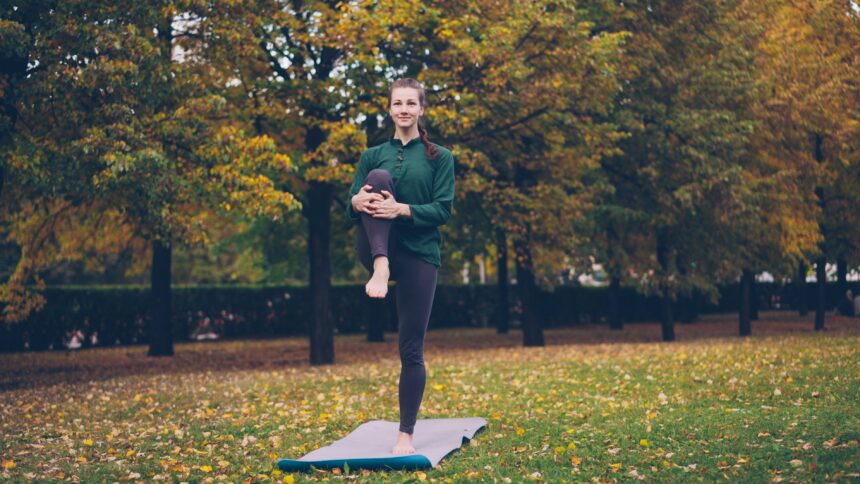
When we think about growing older, many of us picture a future filled with the wisdom and richness that comes with age. But for some, it also brings concerns about physical limitations – feeling less steady on our feet, experiencing aches and pains, or worrying about an increased risk of falls. This is where the power of intentional movement, particularly balance training, truly shines. It’s not about striving for Olympic-level acrobatics; it’s about cultivating a robust sense of stability that allows us to live our lives with confidence, independence, and a greater sense of well-being.
At AgingDecoded.com, our “Fitness for Longevity” category is all about empowering you with practical, achievable strategies to not just live longer, but to live better, for longer. We believe in the incredible synergy of strength training, cardio (with a special nod to the foundational benefits of Zone 2), consistent daily movement, and yes, dedicated balance work. These pillars of a healthy lifestyle are your allies in reducing the risks of common age-related diseases like heart disease, dementia, and cancer, while also powerfully combating frailty. For those in midlife and beyond, embracing these habits isn’t about chasing fleeting fitness trends; it’s about investing in a sustainable, healthier future.
This article is dedicated to understanding and enhancing your stability through balance training. We’ll explore why it’s so crucial, where to start, and how to integrate it seamlessly into your life. Our focus will be on gentle, effective approaches that respect your body and build a foundation for continued activity and enjoyment as you age. Think of this as a friendly guide, encouraging you to take small, consistent steps that can lead to significant improvements in your healthspan.
We often associate fitness with building muscle or improving cardiovascular health, and these are undoubtedly vital. However, balance, often overlooked, plays an equally critical role in our quest for longevity and a high quality of life. It’s the invisible force that allows us to navigate our world with grace and security.
What Exactly is Balance?
At its core, balance is our body’s ability to maintain its position and control movement against gravity. It’s a complex interplay between our sensory systems and our motor responses. Think of it as a finely tuned orchestra:
- Sensory Input: Our eyes provide visual information about our surroundings and our position. Our inner ear (vestibular system) tells us about our head’s position and movement in space. Our proprioceptors, tiny sensors in our muscles, tendons, and joints, signal the position and movement of our body parts.
- Brain Processing: The brain constantly receives and interprets all this sensory data. It then sends signals to our muscles in response.
- Motor Output: Our muscles, both large and small, make subtle adjustments to our posture and movements to keep us upright and stable.
This intricate process happens automatically, but it’s also a skill that can be trained and improved.
The Cascade of Benefits: Beyond Staying Upright
The importance of good balance extends far beyond simply avoiding a stumble. When we prioritize balance training, we unlock a cascade of benefits that directly contribute to our healthspan and reduce the risk of serious health concerns.
Preventing Falls: The Most Immediate Impact
This is, perhaps, the most obvious and impactful benefit. Falls are a significant concern for older adults, often leading to injuries like fractures, head trauma, and a loss of independence. A single fall can be a turning point, leading to a fear of movement and a decline in overall health. By strengthening the systems involved in balance, we significantly reduce our risk of falling. This means more freedom to participate in activities you enjoy, whether it’s a brisk walk in the park, playing with grandchildren, or simply moving around your home with ease.
Enhancing Mobility and Confidence
When you feel stable, you feel more confident in your ability to move. This increased confidence encourages more movement, which in turn further strengthens your body and improves your overall health. You’re more likely to go out, meet friends, run errands, and engage in life actively. This proactive approach to staying mobile is a powerful antidote to the inertia that can sometimes set in with age.
Improving Strength and Coordination
Balance exercises often involve engaging smaller, stabilizing muscles that might not get as much attention during traditional strength training. They also require improved coordination between different muscle groups. As you practice, you’ll notice improvements not only in your stability but also in your overall physical control and efficiency of movement. This translates to everyday tasks feeling easier and less demanding.
Boosting Cognitive Function
The intricate process of maintaining balance requires significant brain activity. As we challenge our balance, we are essentially giving our brain a workout. Studies suggest that balance training can improve cognitive functions such as attention, spatial awareness, and even memory. This connection between physical movement and brain health is a cornerstone of the “Fitness for Longevity” approach, offering a powerful way to reduce the risk of dementia.
Supporting Bone Health
Many balance exercises involve weight-bearing activities. When we engage our bones through controlled movement, we stimulate them to become stronger and denser. This is crucial for preventing osteoporosis and reducing the risk of fractures, especially in the event of a minor stumble.
Reducing the Risk of Frailty
Frailty is a complex syndrome characterized by decreased strength, endurance, and reduced physiological function, making individuals more susceptible to adverse outcomes, including falls, hospitalization, and premature death. Good balance is a key component in combating frailty. By improving our physical resilience and our ability to move safely and effectively, we directly counteract the factors that contribute to frailty.
Balance training is essential for older adults to prevent falls and maintain independence. A related article that delves into the latest research on this topic can be found at Aging Decoded, which highlights various studies and findings regarding effective balance training programs tailored for seniors. This resource offers valuable insights into the benefits of incorporating balance exercises into daily routines, ultimately promoting better health and well-being in older populations.
The Pillars of a Stable Foundation: Integrating Balance into Your Routine
The beauty of balance training is that it doesn’t require you to dedicate hours in the gym. It’s about creating a consistent practice that complements other forms of movement. Remember, the key is integration, not isolation.
Strength Training: The Bedrock of Stability
While we are focusing on balance, it’s impossible to talk about stability without acknowledging the foundational role of strength training. Strong muscles provide the power and control needed to make balance corrections.
Why Strength is Essential for Balance
Imagine trying to balance on a wobbly table. If the table itself is weak and unsteady, your efforts to balance will be harder and less effective. Your body is similar. Strong leg muscles help you stand and walk powerfully, while strong core muscles provide a stable base for all your movements. Without adequate muscle strength, even simple balance challenges can feel overwhelming.
- Lower Body Strength: Muscles in your legs, hips, and glutes are the primary movers and stabilizers during standing and walking. Exercises like squats, lunges (even modified versions), and calf raises build this essential foundation.
- Core Strength: Your abdominal muscles, back muscles, and pelvic floor muscles form your core. A strong core acts like a natural corset, supporting your spine and allowing for efficient transfer of force and movement. Planks (modified as needed) and bird-dog exercises are excellent for core engagement.
How Strength Supports Balance Exercises
When you perform balance exercises, your muscles are constantly working to keep you upright. Having a baseline level of strength allows these muscles to do their job effectively without quickly fatiguing. This means you can hold balance poses longer, perform more repetitions, and ultimately see greater improvements.
Cardio (Especially Zone 2): The Engine for Endurance and Awareness
Cardiovascular exercise, particularly the sustained, lower-intensity work known as Zone 2 cardio, plays a vital, often-underestimated role in enhancing your balance and overall longevity.
Understanding Zone 2 Cardio
Zone 2 training refers to exercising at an intensity where you can comfortably hold a conversation. For most people, this is around 60-70% of your maximum heart rate. Activities like brisk walking, cycling at a moderate pace, swimming, or even some forms of dancing fall into this category.
The Link Between Zone 2 and Balance
- Improved Endurance: Sustained cardio builds endurance, which means your muscles are less likely to fatigue quickly when you’re engaged in balance activities. This allows you to practice for longer and experience the benefits more fully.
- Enhanced Proprioception: Zone 2 activities require constant, subtle adjustments to maintain posture and stride. This repetitive, low-level engagement sharpens your proprioception – your body’s awareness of its position in space. The better your proprioception, the faster and more accurate your responses to keep your balance.
- Better Blood Flow and Oxygenation: Regular cardio improves blood circulation, ensuring that your muscles and brain receive adequate oxygen and nutrients. This is crucial for optimal muscle function and cognitive processing, both of which are essential for maintaining balance.
- Reduced Risk of Chronic Illnesses: As discussed in our broader “Fitness for Longevity” framework, Zone 2 cardio is a powerful tool for reducing the risk of heart disease, type 2 diabetes, and certain cancers. These conditions can indirectly impact balance by affecting muscle function, nerve health, and overall vitality. By managing these risks, you’re safeguarding your ability to move well.
Daily Movement: The Constant Practice
Beyond dedicated workouts, the simple act of moving throughout your day is a continuous form of balance training.
The Power of Simple Actions
Every step you take, every time you stand up from a chair, every time you reach for something – these are all opportunities to engage your balance systems. The more you move naturally and without hesitation, the more you reinforce your stability.
- Walking: Simply increasing your daily steps is a form of movement that inherently challenges your balance. Aim for consistency.
- Standing: Incorporate periods of standing throughout your day. If you have a desk job, consider a standing desk or simply get up and walk around every 30-60 minutes.
- Transfers: Practice standing up from different heights of chairs. This engages different muscle groups and requires conscious effort to maintain stability.
- Reaching: When reaching for items, try to do so with control, engaging your core and maintaining a stable base.
Avoiding Static Postures
Prolonged periods of sitting can lead to muscle stiffness and a decreased awareness of your body’s position. Breaking up these static postures with movement is key to maintaining fluidity and control.
Mobility: The Freedom to Move Gracefully
Mobility training, often overlapping with flexibility and dynamic stretching, focuses on improving the range of motion in your joints and the ability of your muscles to move smoothly through that range.
How Mobility Supports Balance
- Increased Range of Motion: When your joints are mobile, you can move your limbs more easily and through a greater range. This allows for larger and more effective balance adjustments. For instance, if your ankles are stiff, it’s harder for them to roll and absorb small changes in terrain, increasing your risk of a misstep.
- Fluid Movements: Good mobility translates to smoother, more controlled movements. This reduces the jerky, uncoordinated actions that can throw you off balance.
- Reduced Risk of Injury: When muscles and joints are tight, they are more prone to injury. Improved mobility allows for a more graceful and less stressful transition between different body positions.
Incorporating Mobility Work
Gentle movements like hip circles, shoulder rolls, ankle rotations, and trunk twists can be incorporated into your warm-up or cool-down routines, or even as standalone sessions. Dynamic stretches, which involve controlled movements through a range of motion, are particularly beneficial for preparing your body for activity and enhancing balance.
Building a Better Balance: Specific Exercises to Try

Now that we understand the interconnectedness of strength, cardio, daily movement, and mobility, let’s delve into some specific balance exercises. The key is to start slowly and progress gradually, always listening to your body.
The Foundation: Static Balance Exercises
These exercises focus on holding a stable position. They are excellent for beginners and for building core stability.
Standing on One Leg
This is a classic for a reason.
- How to do it: Stand near a wall or sturdy piece of furniture for support. Shift your weight onto one foot. Slowly lift the other foot off the ground a few inches. Hold for 10-30 seconds. Focus on keeping your standing leg slightly bent and your core engaged.
- Progression: As you get more comfortable, try lifting your foot higher, closing your eyes (very carefully, with support nearby!), or reducing your reliance on the support.
- Frequency: Aim for 2-3 sets per leg, 3-5 times per week.
Tandem Stance (Heel-to-Toe)
This exercise mimics walking a straight line.
- How to do it: Stand with the heel of one foot directly in front of the toes of the other foot, as if standing on a tightrope. You can modify this by having a small gap between your feet to start. Hold this position for 20-30 seconds, maintaining good posture.
- Progression: Try closing your eyes for very short periods (with support available) or walking slowly in this heel-to-toe fashion.
- Frequency: Aim for 2-3 sets, 3-5 times per week.
Challenging Your Stability: Dynamic Balance Exercises
These exercises involve movement and require constant adjustments to maintain balance.
Heel Raises and Toe Raises
These simple movements strengthen calf muscles and improve ankle stability.
- How to do it (Heel Raises): Stand with your feet hip-width apart. Slowly rise up onto the balls of your feet, lifting your heels off the ground. Hold for a moment, then slowly lower back down.
- How to do it (Toe Raises): Stand with your feet hip-width apart. While keeping your heels on the ground, lift the balls of your feet and your toes off the ground.
- Progression: Perform these while standing on one leg (with support initially).
- Frequency: Aim for 2-3 sets of 10-15 repetitions, 3-5 times per week.
Walking with Head Turns
This exercise challenges your brain’s ability to process visual information while maintaining balance.
- How to do it: Walk in a straight line on a clear path. As you walk, slowly turn your head to look over one shoulder, then return to center, then turn to look over the other shoulder.
- Progression: Increase the speed of your head turns slightly, or try looking up and down. Start this in a safe, open space.
- Frequency: Incorporate this into your walking routine a few times per week.
Tai Chi or Qigong
These ancient practices are slow, deliberate movements that are exceptional for balance, coordination, and mindfulness.
- Benefits: They involve weight shifting, controlled stances, and flowing movements that gently challenge and improve balance. They also have significant stress-reducing and cognitive benefits.
- How to start: Look for beginner classes at local community centers, senior centers, or online. Many resources offer introductory videos.
- Frequency: Aim for 1-2 sessions per week. Even short, 15-minute sessions can be beneficial.
The Importance of a Balanced Approach to Fitness

It’s crucial to reiterate the core philosophy of “Fitness for Longevity”: the power of combination and consistency. We’re not advocating for extreme workout regimes that can lead to burnout or injury. Instead, we celebrate the effectiveness of integrating various elements into a sustainable lifestyle.
The Synergy of Strength, Cardio, and Balance
Think of these components as a three-legged stool. If one leg is weak or missing, the stool becomes unstable.
- Strength provides the foundational power and control.
- Cardio (especially Zone 2) builds endurance, improves circulation, and sharpens the body’s awareness.
- Balance refines your ability to utilize that strength and endurance with precision and grace.
When these elements work together, they create a powerful synergy that promotes a robust healthspan, reduces your risk of serious chronic diseases, and enhances your overall quality of life.
Avoiding the Pitfalls of Extremes
The allure of quick fixes and intense, short-term programs can be strong. However, for sustainable health and longevity, this approach is often counterproductive.
- Risk of Injury: Overtraining and high-intensity workouts can increase the risk of injuries, which can then sideline you from all forms of exercise.
- Burnout: Extreme routines are hard to maintain long-term. When you feel constantly pushed to your limit, it’s easy to become discouraged and abandon your fitness goals altogether.
- Ignoring Foundational Needs: Focusing solely on high-intensity interval training (HIIT) or grueling endurance challenges might neglect other fundamental aspects of fitness, like mobility and low-impact cardio, which are crucial for long-term health.
Our focus is on building a resilient, adaptable body that can navigate the challenges and joys of life with confidence. This is achieved through consistent, moderate effort across a variety of movement modalities.
Listening to Your Body: The Ultimate Guide
Perhaps the most important aspect of any fitness journey, especially as we age, is learning to listen to our bodies.
- Rest and Recovery: Recognize that rest is not a sign of weakness but a crucial part of the training process. Your muscles repair and rebuild during rest.
- Pain vs. Discomfort: Learn to distinguish between muscle soreness that signals adaptation and sharp, persistent pain that indicates a potential injury. Never push through sharp pain.
- Adaptability: Your body’s needs will change. Be prepared to adjust your routines based on how you feel on any given day. Some days may call for a more intense workout, while others might be better suited for gentle stretching and walking.
- Professional Guidance: If you have any underlying health conditions or are unsure about how to start, consult with your doctor or a qualified fitness professional. They can help you create a personalized and safe plan.
Balance training is essential for older adults to enhance stability and prevent falls, which can lead to serious injuries. A recent article discusses the importance of tailored exercise programs for recovery, particularly focusing on how home-based training can improve overall health outcomes. For more insights on effective training methods, you can read about postoperative pulmonary function training in this related article. This resource highlights the significance of maintaining physical activity, which is crucial for older adults’ well-being.
Taking Your First Steps Towards Greater Stability
| Metrics | Results |
|---|---|
| Improved balance | 80% of participants showed improvement |
| Reduced risk of falls | 50% decrease in fall incidents |
| Increased mobility | 30% increase in walking distance |
| Enhanced confidence | 90% reported feeling more confident in daily activities |
Embarking on a new fitness journey can feel daunting, but it doesn’t have to be. The most significant results often come from small, consistent actions. Here are a few realistic, beginner-friendly steps you can take, starting today, to improve your stability.
For Anyone Over 40:
- Start with a Daily Walk: Aim for 15-30 minutes of brisk walking most days of the week. Focus on maintaining good posture and breathing deeply. This builds your aerobic base and improves overall mobility.
- Incorporate Standing Breaks: If you sit for long periods, set a timer to remind yourself to stand up, stretch, and walk around for a few minutes every hour. This simple habit combats sedentary behavior and keeps your body engaged.
- Practice Basic Stretches: Spend 5-10 minutes each day gently stretching your major muscle groups. Focus on your hamstrings, calves, chest, and shoulders. You can find many simple routines online.
For Those Over 50 (and also beneficial for those over 40):
- Begin with Static Balance Exercises: Integrate the “Standing on One Leg” exercise 3-4 times per week. Start by holding onto a counter or chair and gradually reduce your support as you feel more confident. Aim for 2-3 sets of 15-30 second holds per leg.
- Add Gentle Strength Training: Incorporate bodyweight exercises like modified squats (holding onto a chair for support) or wall push-ups 2-3 times per week. Focus on controlled movements and proper form. Aim for 2 sets of 8-12 repetitions.
- Explore a Gentle Movement Practice: Consider trying a beginner’s Tai Chi or Qigong class, either in-person or online. These practices are excellent for improving balance, coordination, and mindfulness in a low-impact way.
Remember: Consistency is far more important than intensity. These small, achievable steps will build momentum and confidence, setting you on a path to greater stability, enhanced healthspan, and a more vibrant life. The journey of longevity is a marathon, not a sprint, and every mindful step you take contributes to a more fulfilling future.
FAQs
What is balance training for older adults?
Balance training for older adults is a form of exercise that focuses on improving stability and reducing the risk of falls. It typically includes exercises that challenge the body’s ability to maintain equilibrium and control.
Why is balance training important for older adults?
Balance training is important for older adults because it helps to maintain independence and reduce the risk of falls. As people age, their balance and stability can decline, increasing the likelihood of falls and related injuries. Balance training can help to improve strength, coordination, and proprioception, which are all important for maintaining balance.
What are some examples of balance training exercises for older adults?
Examples of balance training exercises for older adults include standing on one leg, heel-to-toe walking, Tai Chi, yoga, and using balance boards or stability balls. These exercises challenge the body’s ability to maintain equilibrium and can help improve overall balance and stability.
How often should older adults engage in balance training?
Older adults should aim to engage in balance training exercises at least two to three times per week. It’s important to incorporate a variety of exercises that challenge different aspects of balance and stability, and to gradually increase the difficulty as strength and coordination improve.
Are there any precautions older adults should take when engaging in balance training?
Older adults should consult with a healthcare professional before starting any new exercise program, including balance training. It’s important to start with exercises that are appropriate for individual fitness levels and to use caution to avoid falls or injury. Using a sturdy support, such as a chair or countertop, can help provide stability while performing balance exercises.