

Rethinking Military Fitness Standards: A Personal Reflection
The Evolving Landscape of Strength and Mobility
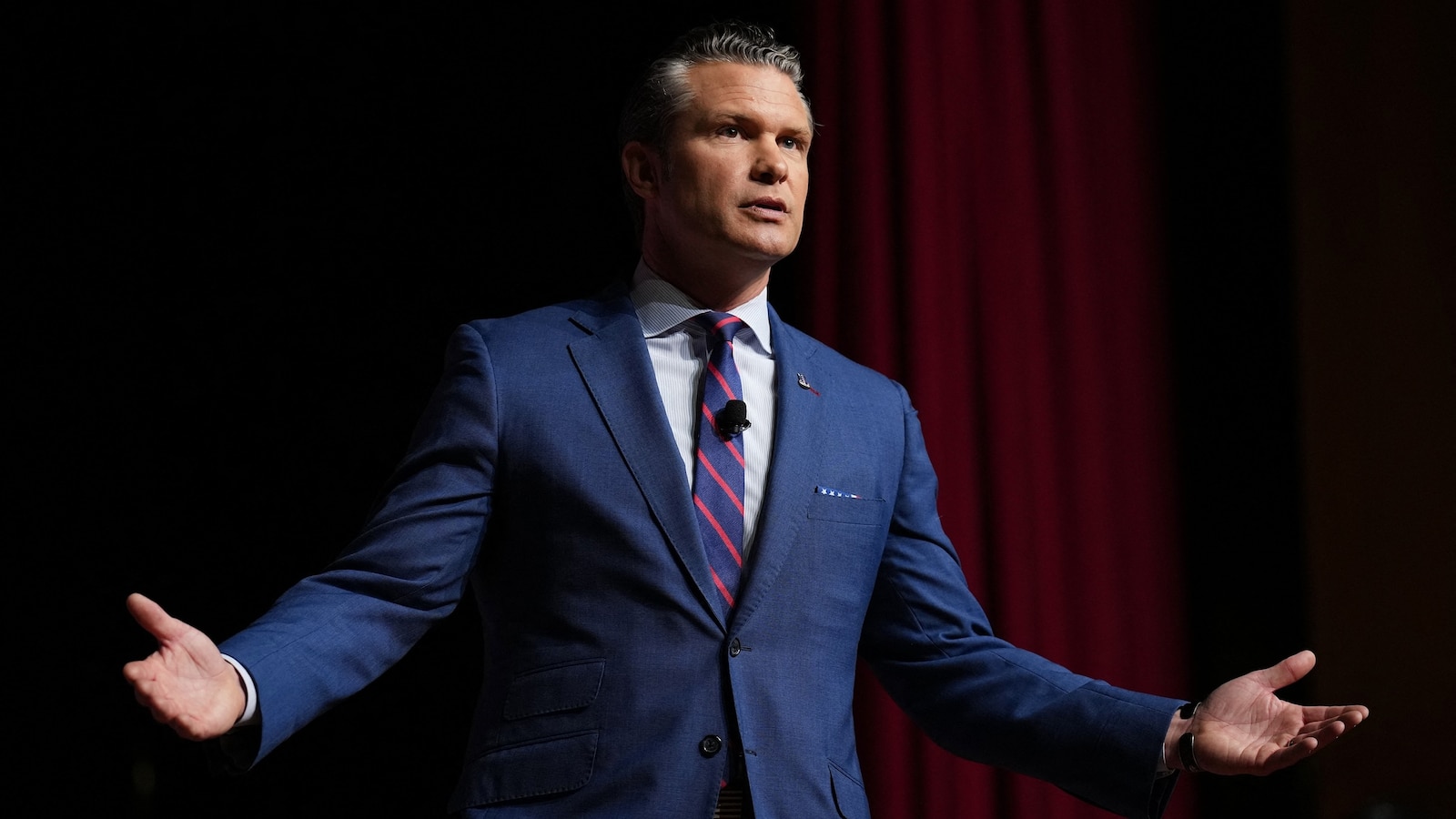
Recently, I found myself reflecting on the concept of fitness standards—what they mean not just in terms of physical performance but also in shaping our understanding of strength, mobility, and overall well-being. In light of Secretary Hegseth’s recent announcement regarding new fitness standards for the military, I can’t help but wonder what these changes mean for our broader conversation about health and capabilities across all demographics.
The Weight We Carry
Fitness is a journey that weaves through the fabric of our lives. It’s not merely about lifting weights or running miles; it’s about discovering how movement can empower us as individuals. As someone who has navigated their own ups and downs—from pushing through grueling workouts to learning how to listen to my body during recovery—I’ve come to understand that fitness transcends numbers. It’s about connection—to ourselves, our bodies, and our community.
I recall a morning at the gym when I was struggling with a weight that once felt manageable. The clang of metal against metal echoed around me as I attempted another rep. My muscles burned with fatigue, but more than that, I felt a pang of frustration. It wasn’t just physical; it was emotional as well. Why had this become so difficult? That day marked a turning point for me: I realized that progress isn’t linear. Sometimes it feels like walking uphill through thick mud; other times, you glide effortlessly downhill.
A New Standard?
The military’s decision to implement gender-neutral fitness testing reflects an evolving perspective on what strength looks like in combat roles—a necessary shift towards inclusivity and equity. However, the conversation becomes complicated when we consider what “gender-neutral” really entails. Is it genuinely eliminating bias if the highest male standard stands as the benchmark? This brings up questions about whether we are truly assessing capability or merely reinforcing existing barriers.
“It should be what a combat soldier can accomplish in their particular role.”
I think back to my own experiences working alongside dedicated trainers who understood this nuance—the need for personalization within general standards based on individual capabilities rather than sweeping assumptions about gender or ability. High-performance athletes understand that each person possesses unique strengths and weaknesses shaped by diverse life experiences.
The Role Mental Fitness Plays
I’ve often witnessed how mental clarity contributes significantly to performance outcomes; after all, isn’t overcoming obstacles both physical and psychological? During my training sessions focused on mobility—a cornerstone often overlooked—I learned much more than just functional movement patterns; I tapped into resilience itself.
This reflection ties back beautifully into discussions around military fitness standards where mental fortitude meets physical ability head-on. That’s essential because while strength may be showcased on an obstacle course or during drills, tactical decision-making under pressure remains equally vital in high-stakes scenarios.
A Holistic Approach
As experts have suggested improving overall military wellness—including nutrition quality and sleep hygiene—is paramount if we’re serious about enhancing fitness levels comprehensively across branches of service.
I remember attending workshops where nutritionists emphasized meal prep strategies tailored toward optimizing energy levels before workouts rather than relying solely on caffeine-laden snacks during training marathons! By making small changes to diet—and prioritizing rest—we allow space for recovery instead of constantly pushing ourselves past limits only defined by pure metrics.
Pushing Boundaries – A Call For Authenticity
This leads me toward another thought: Shouldn’t we embrace authenticity within discussions surrounding fitness tests rather than viewing them purely through conventional lenses? Every individual’s journey is distinct; success doesn’t fit one mold alone—something I’ve lived through countless times throughout my practice sessions filled with sweat-soaked shirts yet invigorating breakthroughs!
The Power Of Inclusivity
Acknowledging diversity means recognizing myriad forms strength takes beyond sheer brute force—from endurance tactics used by women soldiers paving paths previously unimagined until recently (2016) when those doors began opening wider still! Imagine harnessing various skill sets offered collectively from many perspectives instead: would that not create stronger teams capable even under duress?
“You don’t win a war through push-ups.”
A Heartfelt Closing Thought
If there’s anything we’ve gleaned amidst these shifting paradigms within society today: Let us strive together toward fostering environments promoting collaboration without losing sight over individual contributions made along each step taken forward—an army built upon mutual respect reigns supreme ultimately!
No sources directly referenced here but informed by personal insights gained throughout various interactions connecting mind-body dynamics shaped over years devotedly engaged into pursuits elevating human potential holistically available everywhere!
Written for Aging Decoded – The Future of Health News, One Story at a Time.