


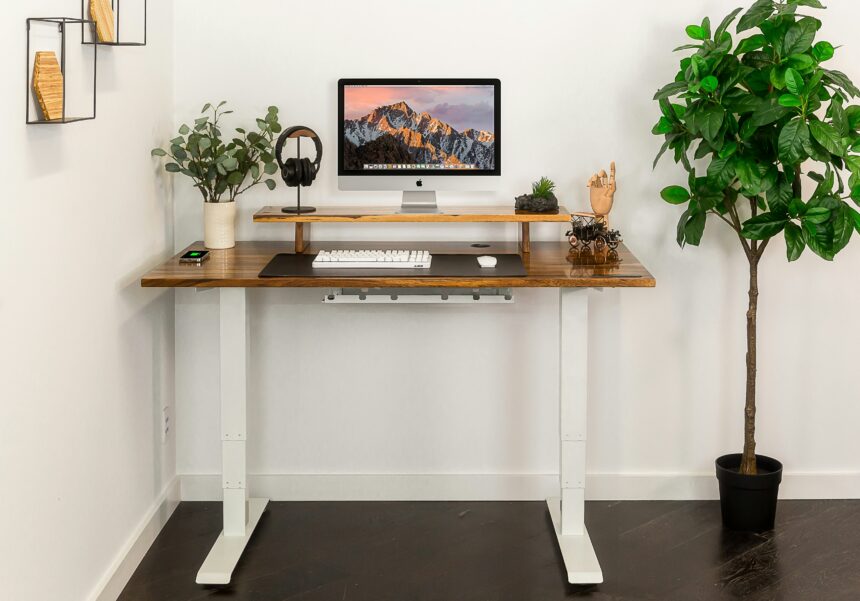
The way we work has shifted dramatically, and with it, our understanding of how prolonged sitting affects our well-being. For decades, the office chair was a ubiquitous symbol of productivity. However, a growing body of research suggests that this sedentary lifestyle might be subtly undermining our healthspan – the years we live in good health. On AgingDecoded.com, within our “Fitness for Longevity” category, we’re dedicated to exploring evidence-based strategies that help you not just live longer, but live better. This article delves into the ongoing health debate surrounding standing desks versus sitting, focusing on how mindful movement and strategic exercise can mitigate the risks associated with excessive sedentary time.
It’s easy to dismiss sitting as simply resting. After all, we sit to relax, to eat, and to travel. However, when sitting becomes the default posture for large portions of our day, particularly during working hours, it can have a cumulative negative impact on our bodies. The human body is designed for movement, and prolonged stillness disrupts a multitude of physiological processes.
Reduced Metabolic Activity
When you sit, your body’s metabolic rate slows down significantly. This means you burn fewer calories, and important enzymes responsible for breaking down fat become less active. This reduced metabolic activity over extended periods can contribute to weight gain and an increased risk of metabolic syndrome, a cluster of conditions that includes high blood pressure, high blood sugar, unhealthy cholesterol levels, and excess abdominal fat. These, in turn, are significant risk factors for heart disease and type 2 diabetes.
Musculoskeletal Strain
Contrary to popular belief, prolonged sitting isn’t always a comfortable experience for our musculoskeletal system. Poor posture while sitting can lead to:
- Lower back pain: The lumbar spine is often put under undue stress when sitting for long periods, especially with inadequate support. This can lead to muscle imbalances and chronic discomfort.
- Neck and shoulder tension: Hunching over a desk can strain the muscles in the neck and shoulders, leading to stiffness and headaches.
- Tight hips and hamstrings: When you sit, your hip flexors are in a shortened position. Over time, this can lead to tightness, which can affect your gait, posture, and even contribute to knee pain. The hamstrings also become less active and can shorten, further contributing to these issues.
Impaired Circulation
When you sit for extended periods, blood flow, particularly to the lower extremities, can become sluggish. This can lead to:
- Swollen ankles and feet: Reduced circulation can cause fluid to pool in the lower legs.
- Increased risk of deep vein thrombosis (DVT): Although less common in healthy individuals, prolonged immobility is a known risk factor for blood clots in the legs.
- Reduced oxygen delivery: Slower circulation means less oxygen and nutrients are delivered to your tissues and organs, potentially impacting their function over time.
The Brain on Sitting
The impact of sitting isn’t just physical; it can also affect our cognitive function. While the exact mechanisms are still being researched, studies suggest a link between sedentary behavior and a higher risk of cognitive decline and dementia.
- Reduced blood flow to the brain: Similar to the rest of the body, reduced circulation from prolonged sitting can mean less oxygenated blood reaching the brain, which is crucial for optimal brain function.
- Impact on neurotransmitters: Physical activity is known to stimulate the release of neurotransmitters like dopamine and serotonin, which play a vital role in mood, focus, and cognitive processes. Extended sitting can disrupt this natural regulation.
In the ongoing debate about the health implications of standing desks versus traditional sitting, it’s essential to consider various factors that influence our overall well-being. A related article that delves into the psychological aspects of workspace design and its impact on confidence can be found at Aging Decoded. This resource explores how our physical environment, including whether we sit or stand while working, can affect not only our physical health but also our mental state and productivity.
The Rise of the Standing Desk: A Potential Solution?
In response to the growing understanding of the risks of prolonged sitting, standing desks have gained significant popularity. The idea is simple: by allowing you to stand for portions of your workday, you reduce the amount of time spent in a sedentary posture. But is it as straightforward as simply swapping your chair for a standing desk?
Benefits of Standing More
The primary benefit of incorporating a standing desk is the reduction in sedentary time. This shift can lead to several positive changes:
- Increased calorie expenditure: Standing burns more calories than sitting. While not a substitute for exercise, this slight increase throughout the day can contribute to a healthier energy balance.
- Improved posture: When standing, many individuals naturally adopt a more upright posture, engaging core muscles and reducing the strain on the lower back.
- Enhanced circulation: Standing promotes better blood flow compared to sitting, helping to prevent blood from pooling in the legs.
- Potential for reduced back pain: For some individuals, alternating between sitting and standing can alleviate pressure on the spine and reduce lower back discomfort.
- Increased alertness and energy: Anecdotal evidence and some studies suggest that standing can boost alertness and reduce feelings of sluggishness, potentially improving productivity.
Understanding “Active Sitting”
It’s important to distinguish between simply standing still and actively engaging your body. Just standing in one place for hours can also lead to its own set of issues, such as foot fatigue, leg discomfort, and even back strain if your posture isn’t maintained correctly. The key lies in movement.
- The importance of micro-movements: The real benefit of a standing desk comes from the subtle shifts in weight, small movements, and the opportunity to engage different muscle groups. This is where the concept of “active sitting” or, in this context, “active standing” becomes crucial.
- Alternating is key: Most experts agree that prolonged standing, just like prolonged sitting, is not ideal. The most beneficial approach involves alternating between sitting and standing throughout the workday. This provides the body with varied stimuli and reduces the strain associated with any single posture.
Beyond the Desk: Holistic Health for Longevity

While standing desks offer a potential way to address prolonged sitting, it’s crucial to remember that they are just one piece of a larger puzzle for promoting healthspan. True longevity and reduced disease risk come from a comprehensive approach that integrates various forms of physical activity and mindful habits.
The Power of Strength Training
Strength training is a cornerstone of fitness for longevity, offering profound benefits that extend far beyond aesthetics. For midlife and older adults, it’s an essential tool for maintaining independence and preventing frailty.
- Combating sarcopenia: As we age, we naturally lose muscle mass, a process called sarcopenia. Strength training is the most effective way to counteract this, preserving muscle strength and function.
- Boosting metabolism: Muscle tissue is metabolically active, meaning it burns more calories at rest than fat tissue. Building and maintaining muscle mass through strength training can help keep your metabolism humming.
- Bone health: Strength training puts stress on bones, which stimulates them to become denser and stronger, significantly reducing the risk of osteoporosis and fractures.
- Improving insulin sensitivity: Stronger muscles are more efficient at taking up glucose from the bloodstream, which improves insulin sensitivity and reduces the risk of type 2 diabetes.
- Reducing injury risk: Stronger muscles, tendons, and ligaments provide better support for joints, making you more resilient to injuries from everyday activities.
- Functional strength: Strength training translates directly into everyday life. It makes carrying groceries, climbing stairs, and playing with grandchildren easier and safer.
The Role of Cardio and Zone 2 Training
Cardiovascular exercise is vital for heart health, but for longevity, the focus often shifts to sustainable, moderate-intensity work, particularly Zone 2 training.
- Heart disease prevention: Regular aerobic exercise strengthens the heart muscle, improves blood circulation, lowers blood pressure, and helps manage cholesterol levels, all of which are critical for preventing heart disease, a leading cause of mortality.
- Brain health and dementia risk reduction: Cardiovascular exercise increases blood flow to the brain, delivering oxygen and nutrients essential for cognitive function. It also stimulates the production of growth factors that support brain cell health and neurogenesis (the creation of new brain cells), which is crucial for staving off cognitive decline and reducing the risk of dementia.
- Cancer risk reduction: While the link is complex, regular physical activity, including cardio, is associated with a reduced risk of several types of cancer, including colon, breast, and endometrial cancers.
- Improving endurance and energy levels: Consistent cardio training increases your stamina, making everyday tasks feel less taxing and improving your overall energy throughout the day.
- What is Zone 2? Zone 2 training refers to exercising at a moderate intensity where you can talk in short sentences but can’t sing. This typically corresponds to about 60-70% of your maximum heart rate. This type of training is incredibly effective at building aerobic capacity, improving fat metabolism, and enhancing mitochondrial function – the powerhouses of your cells. It’s sustainable for longer durations and has a profound positive impact on overall cardiovascular health and endurance.
The Importance of Daily Movement
While structured workouts are crucial, the cumulative effect of our daily movement throughout the day cannot be overstated. This is where the concept of “non-exercise activity thermogenesis” (NEAT) comes into play.
- Boosting metabolism throughout the day: NEAT encompasses all the calories you burn from activities other than formal exercise, sleeping, or eating. This includes fidgeting, walking to your car, doing chores, and even standing. Increasing your NEAT can contribute significantly to your daily energy expenditure.
- Counteracting sedentary behavior: Incorporating more movement into your daily routine directly combats the negative effects of prolonged sitting. Even short bursts of activity can interrupt sedentary periods and provide physiological benefits.
- Improving mood and mental clarity: Regular, light movement can help reduce stress, improve mood, and boost cognitive function. A brisk walk during a lunch break or taking the stairs instead of the elevator can have tangible positive effects.
- Supporting joint health: Gentle, regular movement helps keep your joints lubricated and your muscles around them engaged, promoting overall joint health and reducing stiffness.
Balance and Mobility: The Foundation of Independence
As we age, maintaining our ability to balance and move freely becomes paramount for preserving our independence and quality of life.
- Preventing falls: Falls are a major concern for older adults, often leading to serious injuries and loss of independence. Balance exercises directly strengthen the muscles and neurological pathways responsible for stability, significantly reducing fall risk.
- Maintaining range of motion: Mobility exercises, such as stretching and dynamic movements, help keep your joints flexible and your muscles pliable. This allows for a greater range of motion, making everyday activities easier and reducing the risk of stiffness and pain.
- Improving posture and reducing strain: Good mobility contributes to better posture, which in turn reduces unnecessary strain on your muscles and joints, further preventing aches and pains.
- Enhancing athletic performance (at any age): Even if you’re not an athlete, good balance and mobility improve your efficiency and grace in all physical activities, from gardening to dancing.
Integrating Movement into Your Life: Realistic Steps

The goal for longevity isn’t about extreme fitness regimes that lead to burnout. It’s about building sustainable habits that integrate movement, strength, and mindful activity into your daily life. For those over 40 and 50, starting with small, manageable steps is key.
For those over 40:
- Stand up and move every 30 minutes: Set a timer on your phone or computer to remind you to stand up, stretch, or walk around for 1-2 minutes. This simple habit breaks up prolonged sitting.
- Aim for 2 strength training sessions per week: Focus on basic compound movements like squats (using a chair for support if needed), push-ups (against a wall or on your knees), and rows (using resistance bands or light weights).
- Incorporate a 20-30 minute brisk walk 3 times a week: This gets your heart rate up and builds your aerobic base. Focus on enjoying the movement and the fresh air.
For those over 50 (in addition to or modifying the above):
- Prioritize balance exercises daily: Simple practices like standing on one leg (holding onto a sturdy surface for support) for 30 seconds on each leg can make a significant difference.
- Choose low-impact cardio: If you have joint concerns, opt for activities like swimming, cycling, or elliptical training instead of high-impact exercises. Aim for 150 minutes of moderate-intensity cardio per week.
- Focus on mobility and flexibility: Dedicate 5-10 minutes daily to gentle stretching, yoga, or Tai Chi to maintain your range of motion and reduce stiffness.
The debate over the health benefits of standing desks versus sitting has gained significant attention in recent years, with many studies highlighting the potential advantages of reducing sedentary behavior. For those interested in enhancing their overall well-being, it’s worth exploring how certain vitamins can also play a role in promoting longevity and healthy aging. You can read more about this in the article discussing the impact of an everyday vitamin on longevity and health. This connection between lifestyle choices and nutritional support underscores the importance of a holistic approach to health. For further insights, check out the article here.
Conclusion: A Balanced Approach to a Longer, Healthier Life
| Health Metric | Standing Desk | Sitting Desk |
|---|---|---|
| Calories Burned | More calories burned while standing | Fewer calories burned while sitting |
| Posture | Improved posture while standing | Potential for poor posture while sitting |
| Back Pain | Reduced risk of back pain | Increased risk of back pain |
| Heart Health | Improved heart health from standing | Potential negative impact on heart health from prolonged sitting |
The debate between standing desks and sitting isn’t about finding a single “magic bullet.” Instead, it highlights the critical importance of reducing sedentary behavior and increasing overall movement. While a standing desk can be a valuable tool for many, it’s the integration of strength training, regular cardio (especially Zone 2), consistent daily movement, and dedicated balance and mobility work that truly underpins a robust healthspan.
By adopting a balanced, consistent, and encouraging approach to fitness, you empower yourself to not only live longer but to live those extra years with vitality, independence, and a reduced risk of the chronic diseases that can diminish quality of life. Embrace the journey of movement, and decode your path to a healthier, longer future.
FAQs
What are the health benefits of using a standing desk?
Using a standing desk can help reduce the risk of weight gain, lower blood sugar levels, and decrease the risk of heart disease. It can also improve posture and reduce back pain.
What are the health risks of prolonged sitting?
Prolonged sitting has been linked to an increased risk of obesity, type 2 diabetes, heart disease, and certain types of cancer. It can also lead to poor posture and musculoskeletal issues.
Is it better to use a standing desk or a sitting desk for overall health?
Both standing and sitting have their own health benefits and drawbacks. It is recommended to alternate between sitting and standing throughout the day to promote overall health and reduce the negative effects of prolonged sitting.
How long should I stand at a standing desk?
It is recommended to start with short periods of standing, such as 30-60 minutes, and gradually increase the duration as your body adjusts. It is important to listen to your body and switch between sitting and standing as needed.
Are there any ergonomic considerations when using a standing desk?
When using a standing desk, it is important to ensure that the desk and monitor are at the correct height to promote good posture. It is also recommended to wear supportive footwear and use an anti-fatigue mat to reduce discomfort and fatigue while standing.