


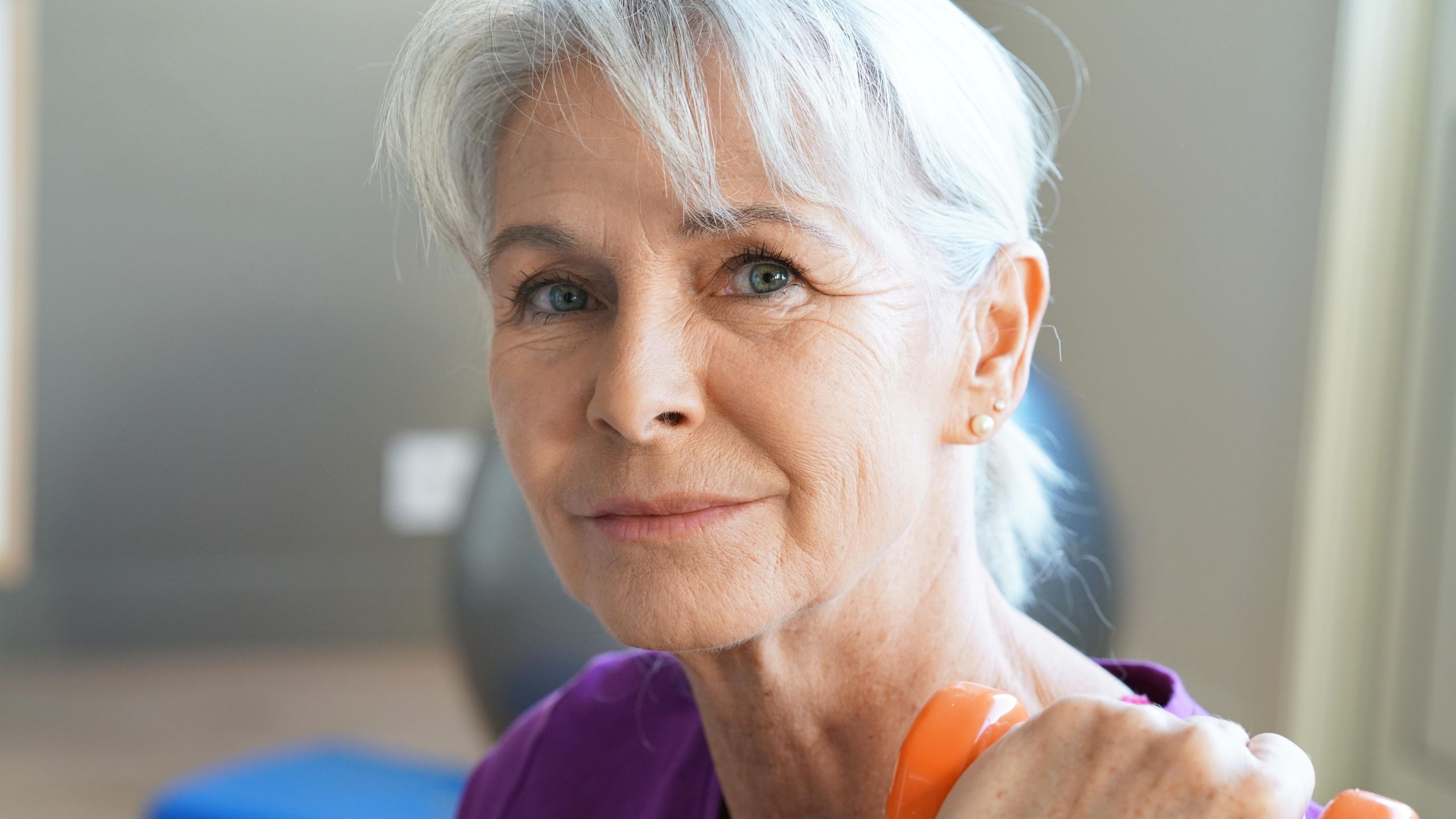
Embracing Sensorimotor Training: A Path to Lifelong Mobility
What is sensorimotor training? When I first encountered the term, it was during a class that emphasized how our bodies can rediscover movement in ways we often overlook as we age. Sensorimotor training involves exercises that seamlessly blend motor and sensory systems to boost coordination and balance—essential elements for anyone wanting to maintain their independence and vitality.
As we grow older, staying fit becomes not just a goal but a necessity. It’s crucial for preventing falls and injuries, extending our mobility, and preserving our independence. Recently, I came across fascinating research from the University of Évora in Portugal, published in the journal Frontiers in Psychology. The study dissected various exercise forms among older adults, revealing sensorimotor training as the most effective.
The potential of sensorimotor exercises reached my ears when I learned about their capacity to aid those suffering from chronic back pain by enhancing postural stabilization through the deep core muscles. The researchers found that both sensorimotor training and aqua aerobics significantly outperformed other exercise modalities in this context. This only fueled my curiosity further.
During this particular study involving 153 participants aged 55 and above, individuals were divided into four distinct groups: a control set, an aqua aerobics group, a sensorimotor group, and one focusing on Pilates. Over 24 weeks, they engaged in strength, flexibility, and fitness tests tailored for seniors—an invigorating mix of challenges designed to test their limits while keeping safety at the forefront.
The Transformative Power of Movement
The findings were striking. Participants in the sensorimotor group excelled across all tests while those in aqua aerobics saw notable improvements primarily in lower body strength during tasks like standing up from a seated position—a fundamental skill for maintaining autonomy as we age. Meanwhile, both the control group and Pilates participants showed no significant advancements at all.
“Sensorimotor and aquatic training significantly improved physical function—especially balance, strength, and mobility—in older people.”
This revelation resonates deeply with me; I’ve experienced firsthand how integrating varied movements can breathe life back into tired muscles or rejuvenate weary joints. I recall one morning at my local gym when I decided to embrace lateral movements alongside traditional weightlifting routines. As sweat dripped down my brow—each drop echoing my determination—I felt an exhilarating connection between mind and body; everything clicked as if reminding me just why movement is such a lifelong companion.
Exploring Sensorimotor Exercises
If you’re intrigued by sensorimotor training (as I was), you’re probably wondering what these exercises look like practically. They aim to enhance communication between your nervous system and muscles—vital for developing functional fitness as well as improving balance and coordination essential for us seniors! Here are some examples you might consider incorporating into your routine:
-
- Standing on One Leg: Close your eyes while lifting one leg off the ground; if this feels easy enough already, try it on soft surfaces like pillows or foam pads.
-
- Heel-to-Toe Walk: Walk straight without holding anything for support; ramp up challenge by increasing speed or carrying objects in hand.
-
- Sideways Walking: Step sideways with one foot then bring your other foot along; repeat going both leftward then rightward.
-
- Bird Dog: Start on all fours before extending one leg backward while raising its opposite arm off the ground; alternate sides afterward.
This journey through movement has taught me so much about resilience within myself—the struggle against fatigue or inconsistent motivation often gives way to small victories that feel monumental once achieved! Remembering that every step counts helps keep discouragement at bay while fostering joy amidst effort makes each workout worthwhile.
A Personal Reflection on Lifelong Movement
I didn’t always feel this way about exercise; there was a time when it felt burdensome rather than liberating—but I’ve come around through experience! Now every session serves not just my physical health but also strengthens mental clarity alongside emotional stability—a beautiful synergy formed through dedicated practice over years spent discovering what truly works best for me personally rather than chasing perfectionism alone!
This reflects reality: sustainable movement triumphs over fleeting perfection any day of the week! Whether you prefer structured classes or simply enjoying nature’s beauty during brisk walks outdoors—the important thing is embracing motion itself regardless of formality attached thereto!
Written for Aging Decoded – The Future of Health News, One Story at a Time.