


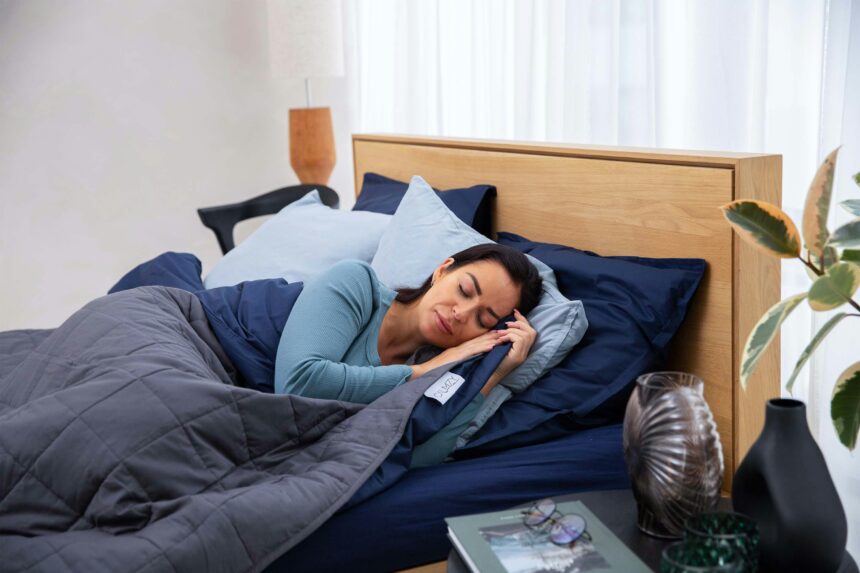
The Unsung Hero: Deep Sleep’s Role in Cellular Restoration
Deep sleep, that profound, restorative stage of non-REM slumber, isn’t merely a period of inactivity; it’s a critical workshop for the body’s intricate repair mechanisms, particularly vital for aging adults grappling with cumulative cellular damage. As we age, the efficiency and duration of our deep sleep cycles often diminish, leaving cells vulnerable and accelerating aspects of biological aging. Understanding and actively optimizing this crucial phase of sleep holds immense potential for bolstering cellular resilience and enhancing overall longevity. This isn’t about simply more sleep, but better, deeper, more restorative sleep, precisely when our cellular machinery needs it most.
The Cellular Rationale for Deep Sleep
During waking hours, our cells are constantly exposed to stressors: metabolic byproducts, environmental toxins, and the sheer energetic demands of daily life. This exposure generates molecular damage – misfolded proteins, DNA lesions, and mitochondrial dysfunction. Deep sleep provides a protected window, largely unburdened by external stimuli, for the body to systematically address these issues. The brain, notably, undergoes a significant “wash cycle” during deep sleep, with cerebrospinal fluid flushing metabolic waste products, including amyloid beta, which accumulates in Alzheimer’s disease. Beyond the brain, virtually every tissue system benefits from this nocturnal reset. The intricate interplay of hormones, gene expression, and enzyme activity during deep sleep orchestrates a symphony of repair, a process that falters significantly when deep sleep is compromised.
The Architect of Restoration: Growth Hormone and Autophagy
Two pivotal biological processes, largely synchronized with deep sleep, drive significant cellular repair: growth hormone secretion and autophagy. Growth hormone, primarily released in pulsatile bursts during the deepest stages of sleep, plays a multifaceted role in tissue maintenance and regeneration. In adults, it doesn’t primarily stimulate growth in the traditional sense, but rather promotes protein synthesis, aids in fat metabolism, and supports muscle and bone repair. Declining growth hormone levels with age contribute to sarcopenia (muscle loss) and decreased bone density, issues exacerbated by poor deep sleep. Optimizing deep sleep, therefore, can indirectly support endogenous growth hormone production, offering a natural pathway to mitigate these age-related declines.
Autophagy, literally “self-eating,” is another fundamental cellular cleanup mechanism that ramps up during periods of metabolic demand and reduced nutrient availability, conditions often mirrored during sleep. This process involves the cell engulfing and breaking down damaged organelles, misfolded proteins, and other cellular debris, effectively recycling components and maintaining cellular homeostasis. Chronic sleep deprivation, particularly of deep sleep, has been shown to impair autophagic flux, leading to the accumulation of cellular garbage that contributes to inflammation, oxidative stress, and ultimately, cellular senescence. By promoting optimal deep sleep, we create an environment conducive to robust autophagic activity, ensuring cells can effectively clear waste and maintain peak function.
Deep sleep plays a crucial role in cellular repair and regeneration, particularly as we age. Research has shown that optimizing deep sleep can significantly impact the health of telomeres, the protective caps on the ends of chromosomes that shorten with age. For more insights on the relationship between sleep and cellular aging, you can explore the article on telomeres at Aging Decoded, which delves into how maintaining telomere length can contribute to healthier aging and overall well-being.
Identifying Deep Sleep Deficits in Aging Adults

Recognizing a deep sleep deficit isn’t always straightforward; it extends beyond merely feeling tired. While fatigue is a common symptom, many individuals normalize chronic low-grade tiredness or attribute it solely to aging. The key lies in understanding the qualitative aspects of sleep. Fragmented sleep, frequent awakenings, difficulty falling back asleep, and non-restorative sleep, even if total duration seems adequate, often signal insufficient deep sleep. Objective measures, while not always accessible for home use, provide the clearest picture.
Wearable Technology and Sleep Tracking
Consumer-grade wearable devices, such as smartwatches and rings, have democratized sleep tracking, offering insights into sleep stages, including estimates of deep sleep duration. While these devices aren’t medical-grade polysomnography (PSG) accurate, they can provide valuable trends over time. A consistent pattern of reduced deep sleep, as indicated by these trackers, warrants attention. For instance, if an aging adult consistently shows deep sleep percentages below 10-15% of their total sleep duration, especially when compared to younger healthy individuals (who might achieve 15-25%), it suggests a potential area for intervention. These devices often track heart rate variability (HRV) and skin temperature, indirect markers that can correlate with sleep depth and quality. A significant drop in HRV during sleep, or a consistently elevated resting heart rate, might signal poorer sleep architecture, including compromised deep sleep.
Clinical Assessment and Polysomnography
For a more definitive diagnosis and comprehensive understanding, clinical assessment by a sleep specialist is crucial. A sleep physician can evaluate symptoms, medical history, and rule out underlying sleep disorders. Polysomnography (PSG), the gold standard for sleep evaluation, involves monitoring brain waves (EEG), eye movements (EOG), muscle activity (EMG), heart rate, breathing, and oxygen levels overnight in a sleep lab. PSG precisely delineates sleep stages, identifying the quantity and quality of deep sleep (N3 or SWS – slow-wave sleep). It can also uncover contributing factors such as sleep apnea, restless legs syndrome, or periodic limb movement disorder, all of which significantly disrupt deep sleep. Identifying and treating these primary sleep disorders is often the most direct route to restoring healthy deep sleep patterns.
Lifestyle Interventions for Deep Sleep Enhancement

Optimizing deep sleep doesn’t typically require exotic therapies; rather, it often hinges on consistent adherence to fundamental lifestyle practices. These interventions are synergistic, meaning their combined effect is greater than the sum of their individual parts.
Consistent Sleep Schedule and Circadian Rhythm Entrainment
The bedrock of healthy sleep architecture is a consistent sleep-wake schedule. Going to bed and waking up at roughly the same time every day, even on weekends, profoundly strengthens the body’s circadian rhythm, the internal clock that regulates sleep-wake cycles. Irregular schedules confuse this rhythm, making it harder for the body to transition smoothly into the deeper stages of sleep. Exposure to natural light, particularly in the morning, helps to reinforce the circadian rhythm, signaling to the brain that it’s daytime and promoting alertness. Conversely, minimizing bright light exposure in the evening, especially blue light from screens, signals the body to prepare for sleep, facilitating melatonin production and promoting deep sleep onset. Creating a “wind-down” routine in the hour before bed, free from stimulating activities, further aids this transition.
Dietary Adjustments and Nutrient Support
Diet plays a significant, though often overlooked, role in sleep quality. Consuming a balanced diet rich in whole foods, lean proteins, and healthy fats supports overall health and provides the precursors for neurotransmitters involved in sleep regulation. Avoiding heavy, rich meals close to bedtime prevents digestive discomfort that can disrupt sleep. Limiting caffeine and alcohol, particularly in the afternoon and evening, is also critical. While alcohol may initially induce sleepiness, it significantly fragments sleep later in the night, suppressing REM and deep sleep. Magnesium, often deficient in aging populations, is a cofactor for hundreds of enzymatic reactions, including those involved in GABA production, a neurotransmitter that promotes relaxation and sleep. Supplementing with magnesium (e.g., magnesium glycinate) or increasing dietary intake through leafy greens, nuts, and seeds can improve sleep depth for some individuals. Tryptophan, an amino acid found in foods like turkey, eggs, and seeds, is a precursor to serotonin and melatonin, both essential for sleep regulation.
Physical Activity and Exercise Timing
Regular physical activity is a powerful sleep aid, but timing is crucial. Moderate to vigorous exercise during the day, particularly in the morning or early afternoon, has been consistently linked to improved sleep quality, including increased deep sleep duration. Exercise helps regulate body temperature rhythms, which are integral to sleep onset and maintenance. It also reduces stress and anxiety, common impediments to restful sleep. However, exercising too close to bedtime can be counterproductive. The stimulating effects of exercise, including elevated heart rate and body temperature, can make it difficult to fall asleep and achieve deep sleep. Aim for at least 3-4 hours between intense exercise and bedtime. Even gentle activities like walking or stretching can be beneficial earlier in the evening.
Optimizing the Sleep Environment
The bedroom environment directly impacts sleep quality. A cool, dark, and quiet room is ideal for promoting deep sleep. The optimal temperature for sleep generally ranges between 60-67°F (15-19°C), as a slight drop in body temperature facilitates sleep onset and maintenance. Blackout curtains or sleep masks can effectively block light, which even in small amounts, can disrupt melatonin production. Noise-canceling headphones, earplugs, or white noise machines can mask disruptive sounds. A comfortable mattress and pillows that support proper spinal alignment are also essential, as physical discomfort can lead to frequent awakenings and reduced deep sleep. Furthermore, minimizing electronic devices in the bedroom, which emit blue light and can be mentally stimulating, reinforces the bedroom as a sanctuary solely for sleep and intimacy.
Advanced Strategies and Adjunct Therapies
While lifestyle interventions form the cornerstone of deep sleep optimization, certain advanced strategies and adjunct therapies can offer additional support, particularly for those struggling to achieve sufficient deep sleep through behavioral changes alone. These should ideally be explored under the guidance of a healthcare professional.
Pharmacological and Nutritional Supplementation
Certain supplements and medications can support deep sleep, though they come with caveats. Melatonin, a hormone that regulates the sleep-wake cycle, can be helpful for individuals with circadian rhythm disorders or those experiencing jet lag. However, its effectiveness for chronic deep sleep issues in aging adults without a clear melatonin deficiency is debated, and it’s best used judiciously. Magnesium, as mentioned earlier, is a common and often effective supplement. L-theanine, an amino acid found in green tea, can promote relaxation without sedation and may indirectly enhance sleep quality. Some individuals find benefit from valerian root or chamomile, though scientific evidence for direct deep sleep improvement is less robust. Prescription medications for insomnia, such as zolpidem or eszopiclone, can induce sleep but often alter natural sleep architecture, suppressing deep sleep and REM sleep, making them less ideal for long-term deep sleep optimization. Their use should be limited to short-term, acute situations and under strict medical supervision. Emerging research on compounds like apigenin, found in chamomile, is exploring its potential to modulate GABA receptors and enhance slow-wave sleep.
Temperature Regulation Techniques
Manipulating body temperature can significantly influence deep sleep. A warm bath or shower approximately 90 minutes before bed can paradoxically promote sleep by causing a rapid drop in core body temperature afterward. This drop signals to the body that it’s time to sleep. Beyond environmental temperature control, specialized cooling mattresses or mattress toppers are becoming more popular. These devices actively regulate the microclimate around the body, helping to maintain the optimal sleep temperature throughout the night, which can prevent awakenings and facilitate deeper sleep stages. Even simple strategies like wearing breathable sleepwear or using lighter blankets can contribute to better thermal regulation during sleep.
Brainwave Entrainment and Neuromodulation
Emerging technologies in brainwave entrainment and neuromodulation aim to directly influence brain activity to promote deep sleep. Binaural beats, audio stimuli played at slightly different frequencies to each ear, create a perceived “beat” frequency in the brain that proponents claim can guide brainwaves into delta frequencies associated with deep sleep. While more research is needed to definitively establish their efficacy, some individuals report subjective improvements. Transcranial direct current stimulation (tDCS) and transcranial alternating current stimulation (tACS) are non-invasive brain stimulation techniques being explored in research settings. These methods deliver low electrical currents to specific brain regions, with the goal of enhancing slow-wave activity. While promising, these are currently experimental and not widely available for general use. However, they represent a frontier in directly addressing the neurological underpinnings of deep sleep.
Deep sleep plays a crucial role in cellular repair, especially as we age, and optimizing this phase of sleep can significantly enhance our overall health. Recent research has highlighted the connection between sleep quality and the body’s ability to recover from cellular damage, which is particularly important for older adults. For those interested in exploring how infections can impact aging and cellular health, a related article can be found here: infections and their effects on aging. Understanding these links can help us develop better strategies for improving sleep and promoting longevity.
Sustaining Deep Sleep for Long-Term Cellular Health
| Metric | Description | Typical Range in Young Adults | Changes with Aging | Impact on Cellular Repair | Optimization Strategies |
|---|---|---|---|---|---|
| Duration of Deep Sleep (N3 stage) | Amount of time spent in slow-wave sleep, critical for restorative processes | 1.5 – 2 hours per night | Decreases by 40-50% after age 60 | Reduced duration impairs growth hormone release and tissue repair | Sleep hygiene, melatonin supplementation, controlled light exposure |
| Growth Hormone Secretion | Hormone released predominantly during deep sleep, promotes cellular regeneration | Peak secretion during first N3 cycle (~1-2 ng/mL) | Declines by up to 70% with aging | Lower levels reduce DNA repair and protein synthesis | Exercise, deep sleep enhancement, intermittent fasting |
| Slow Wave Activity (SWA) | EEG measure of deep sleep intensity and quality | High amplitude delta waves (0.5-4 Hz) | Amplitude and frequency decrease with age | Reduced SWA correlates with diminished synaptic homeostasis and repair | Acoustic stimulation, transcranial direct current stimulation (tDCS) |
| Inflammatory Marker Levels (e.g., IL-6, TNF-α) | Blood markers indicating systemic inflammation | Low baseline levels during optimal sleep | Elevated with poor deep sleep and aging | Chronic inflammation impairs cellular repair mechanisms | Improved sleep quality, anti-inflammatory diet, stress reduction |
| DNA Repair Enzyme Activity | Enzymatic activity involved in fixing DNA damage during sleep | High activity during deep sleep phases | Declines with age and reduced deep sleep | Lower activity leads to accumulation of cellular damage | Optimizing deep sleep, antioxidant intake, pharmacological agents |
Achieving optimal deep sleep is not a one-time fix but an ongoing commitment to a lifestyle that prioritizes cellular restoration. The benefits extend far beyond feeling rested; they permeate nearly every physiological system, laying the groundwork for resilient aging.
Monitoring Progress and Adapting Strategies
Consistent self-monitoring and periodic evaluation are crucial for sustaining deep sleep improvements. Using wearable trackers to observe trends in deep sleep duration and quality over weeks and months can help identify what strategies are working and what might need adjustment. Journaling about sleep patterns, evening routines, and morning energy levels provides qualitative data that complements quantitative metrics. If progress stalls or new challenges arise, revisiting the full spectrum of interventions – from environmental adjustments to dietary changes and stress management – becomes necessary. For some, this might mean re-consulting with a sleep specialist to rule out new or evolving sleep disorders. The body’s needs change with age and life circumstances, requiring a flexible and adaptive approach to sleep hygiene.
The Interplay with Other Longevity Pillars
Deep sleep optimization doesn’t exist in a vacuum; it deeply intertwines with other key pillars of longevity. Regular exercise, a nutrient-dense diet, effective stress management, and strong social connections all contribute to better sleep quality, and in turn, improved sleep enhances the effectiveness of these other interventions. For instance, adequate deep sleep facilitates muscle repair after exercise, leading to better gains and reduced injury risk. It improves glucose metabolism and insulin sensitivity, directly impacting metabolic health and reducing the risk of type 2 diabetes. Furthermore, deep sleep’s role in memory consolidation and waste clearance in the brain directly supports cognitive function and reduces the risk of neurodegenerative diseases. By viewing deep sleep not as an isolated goal, but as an integral component of a holistic longevity strategy, aging adults can unlock its profound potential for sustained cellular health and vitality. Prioritizing deep sleep is, in essence, an investment in the foundational repair mechanisms that underpin a longer, healthier life.