


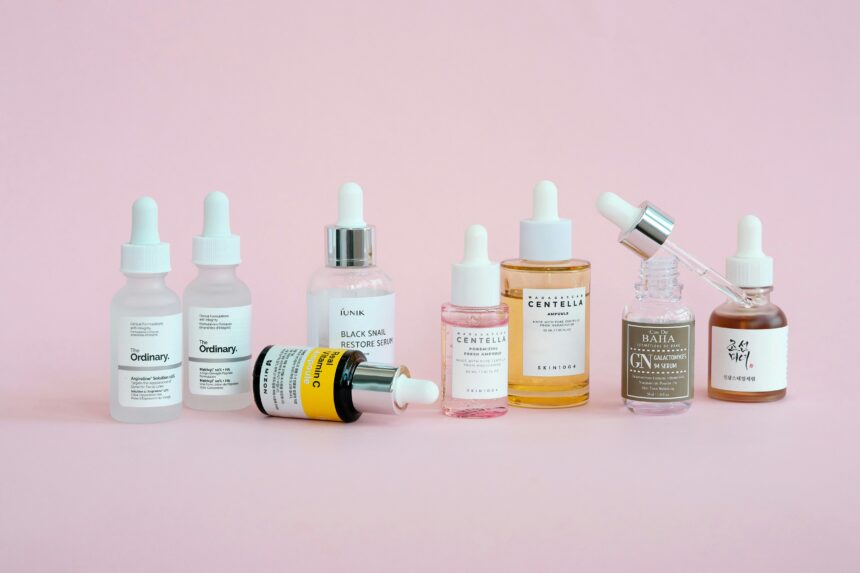
As we navigate midlife and beyond, our skin undergoes natural changes. The vibrant glow of youth might gradually give way to concerns like less elasticity, the appearance of fine lines, and changes in texture. At AgingDecoded.com, we believe in embracing these years with knowledge and grace, focusing on simple, evidence-informed routines that promote healthy, resilient skin. Our “Skin & Healthy Aging” category is dedicated to arming you with straightforward strategies that deliver real results, sans the hype. Today, we’re diving deep into one such powerful ingredient: glycolic acid, and how it can unlock the potential for skin renewal as we age.
Before we zoom in on glycolic acid, it’s crucial to establish the foundational elements of a skin and healthy aging routine. Think of these as the sturdy walls and roof of your skincare house. Without them, even the most potent active ingredients will struggle to perform optimally.
Prioritizing Daily Sun Protection: Your First Line of Defense
Let’s state it clearly and unequivocally: daily sun protection is non-negotiable. The sun’s ultraviolet (UV) rays are the primary culprits behind premature skin aging, manifesting as wrinkles, sunspots, loss of firmness, and an increased risk of skin cancer.
Why Broad-Spectrum SPF 30+ is a Daily Must
- Wider Protection: “Broad-spectrum” signifies that a sunscreen protects against both UVA and UVB rays. UVB rays are the primary cause of sunburn, while UVA rays penetrate deeper, contributing to aging and DNA damage. Both are harmful.
- Adequate Strength: SPF 30 offers significant protection, blocking approximately 97% of UVB rays. Going higher, like SPF 50, blocks a slightly higher percentage, but the difference becomes marginal beyond that. For daily use, SPF 30 is a widely recommended, effective baseline.
- Every Single Day: UV rays are present even on cloudy days and can penetrate window glass. Therefore, applying sunscreen should be a ritual, rain or shine, indoors or out.
Where to Apply Sunscreen for Maximum Benefit
Your face, neck, and the backs of your hands are the most exposed areas and often show the earliest signs of aging. Don’t neglect your ears, chest, or décolletage either – these areas deserve the same protection.
Gentle Cleansing: Respecting Your Skin’s Barrier
As we age, our skin’s natural oil production can decrease, and its barrier function can become more fragile. This means harsh cleansing can strip away essential lipids, leading to dryness, irritation, and increased sensitivity.
The Importance of a Mild Cleanser
- Preserving Natural Oils: Opt for cream, lotion, or gel cleansers formulated for sensitive or dry skin. These formulas cleanse effectively without stripping away your skin’s natural moisture.
- Avoiding Harsh Ingredients: Steer clear of cleansers with sulfates (like SLS/SLES), strong fragrances, and alcohol, which can be overly drying and irritating.
- Frequency: Cleansing once or twice daily is usually sufficient. In the morning, a splash of water might be enough if your skin isn’t oily.
Consistent Moisturizing: Replenishing and Sealing
Moisture is the lifeblood of plump, healthy-looking skin. A good moisturizer not only adds hydration but also creates a protective barrier to prevent moisture loss.
Key Elements of an Effective Moisturizer
- Humectants: Ingredients like hyaluronic acid, glycerin, and panthenol draw water into the skin.
- Emollients: These ingredients smooth and soften the skin, filling in the gaps between skin cells. Examples include ceramides, fatty acids, and various plant oils.
- Occlusives: These create a physical barrier on the skin’s surface to seal in moisture. Petrolatum, dimethicone, and shea butter are common examples.
Choosing a moisturizer that combines these elements will provide comprehensive hydration and barrier support.
Proven Actives: Targeted Support for Common Aging Concerns
Once your foundational routine is in place, introducing a few well-researched active ingredients can significantly enhance your skin’s health and appearance. These ingredients work at a deeper level to address specific concerns like texture, tone, and fine lines.
The Power Duo: Retinoids and Vitamin C
- Retinoids (like Retinol): These Vitamin A derivatives are gold-standard ingredients for anti-aging. They work by increasing cell turnover and stimulating collagen production, which helps to smooth fine lines, improve texture, and fade dark spots.
- Vitamin C: A potent antioxidant, Vitamin C protects the skin from free radical damage caused by environmental stressors. It also brightens the complexion, aids in collagen synthesis, and can help fade hyperpigmentation.
Other Beneficial Actives:
- Niacinamide (Vitamin B3): This versatile ingredient is a powerhouse. It strengthens the skin barrier, reduces redness and inflammation, minimizes the appearance of pores, and helps to even out skin tone.
- Alpha Hydroxy Acids (AHAs) like Glycolic Acid: These exfoliants gently remove dead skin cells, revealing brighter, smoother skin. They can also help improve texture and the appearance of fine lines.
When incorporating actives, it’s vital to start slowly and observe your skin’s response. Patience and consistency are key, and always remember to consult with a dermatologist if you have any concerns or are considering prescription-strength products.
Now, let’s delve into the specifics of a particularly effective AHA – glycolic acid.
Glycolic acid is renowned for its skin renewal properties, making it a popular choice in many skincare routines. For those interested in exploring more about how glycolic acid can enhance skin texture and promote cell turnover, a related article can be found at Aging Decoded. This resource provides valuable insights into the effectiveness of glycolic acid and other ingredients in achieving a youthful complexion.
Glycolic Acid: A Deep Dive into Exfoliation and Renewal
Glycolic acid is a member of the alpha hydroxy acid (AHA) family, derived from sugarcane. Its small molecular size allows it to penetrate the skin effectively, making it a highly favored ingredient for exfoliation and skin renewal. Unlike physical exfoliants that abrade the skin’s surface, AHAs work by dissolving the bonds that hold dead skin cells together, promoting a smoother, brighter complexion.
How Glycolic Acid Works on Your Skin
The magic of glycolic acid lies in its ability to gently lift away the outermost layer of dead skin cells, often referred to as the stratum corneum. This process has a cascade of beneficial effects.
Dissolving the “Glue” Between Skin Cells
Imagine your skin cells are like individual bricks in a wall, held together by a mortar. Over time, this mortar can accumulate, leading to a dull, uneven surface. Glycolic acid acts like a gentle solvent for this mortar, breaking down the bonds between dead skin cells. This allows them to slough off more easily, revealing the fresh, healthy skin cells underneath.
Stimulating Cell Turnover
Beyond simply removing dead cells, glycolic acid can also subtly encourage the skin’s natural process of producing new cells. This increased cell turnover is crucial for combating the signs of aging, as it helps to replace older, damaged cells with newer, more vibrant ones.
The Benefits of Glycolic Acid for Aging Skin
As we mature, our skin’s natural shedding process slows down, contributing to dullness and a rougher texture. Glycolic acid offers a targeted solution to counteract these effects and promote a more youthful appearance.
Improving Skin Texture and Luminosity
One of the most immediate and noticeable benefits of glycolic acid is its ability to refine skin texture. By removing the rough, dry surface layer of dead skin cells, it leaves the skin feeling noticeably softer and smoother. This process also significantly enhances luminosity, as light can reflect more evenly off a smooth surface, giving the skin a healthy, radiant glow, which can be particularly welcome as skin can appear more dull with age.
Addressing Hyperpigmentation and Dark Spots
Sun spots, age spots, and post-inflammatory hyperpigmentation (dark marks left after blemishes) are common concerns in midlife and beyond. Glycolic acid’s exfoliating action helps to fade these discoloration issues by shedding pigmented skin cells at a faster rate. When used consistently, it contributes to a more even skin tone, reducing the appearance of stubborn dark spots and creating a more uniform complexion.
Reducing the Appearance of Fine Lines and Wrinkles
While not a direct collagen-builder like retinoids, glycolic acid plays a supporting role in improving the appearance of fine lines and wrinkles. By removing the build-up of dead skin cells, it can make existing lines appear less pronounced. Furthermore, the subtle increase in cell turnover it encourages can contribute to a slightly plumper, more refreshed look over time, which can soften the appearance of superficial lines. The smoother surface also allows light to reflect differently on the skin, making fine lines less noticeable.
Incorporating Glycolic Acid into Your Routine Safely

The effectiveness of glycolic acid hinges on its proper integration into your existing skincare regimen. Because it is an active ingredient, starting too aggressively can lead to irritation. The key is moderation and mindful application.
Starting Low and Slow: A Gradual Approach
When first introducing glycolic acid into your routine, it’s crucial to begin with a low concentration and infrequent use. This allows your skin to acclimatize to the ingredient and minimizes the risk of adverse reactions.
Concentration Matters: Finding Your Starting Point
- Low Concentrations (2-5%): These are ideal for beginners or for daily use if your skin tolerates it well. You’ll find these in milder cleansers, toners, or serums.
- Medium Concentrations (7-10%): These are typically found in exfoliating pads or more potent serums and are often recommended for 2-3 times per week.
- Higher Concentrations (10%+): These are usually reserved for professional treatments or very occasional home use and should be approached with extreme caution.
For most individuals embarking on their glycolic acid journey, starting with a product containing around 5-7% is a sensible beginning.
Frequency of Use: Building Tolerance
- Begin with 1-2 times per week: Apply your chosen glycolic acid product in the evening. Pay attention to how your skin feels the next day.
- Gradually increase frequency: If your skin tolerates it well after a few weeks, you can slowly increase to every other day, and then potentially to daily use if your skin remains comfortable and shows no signs of irritation. Do not rush this process.
Understanding Potential Side Effects and How to Manage Them
While glycolic acid is generally well-tolerated, some individuals may experience mild side effects, especially when starting.
Common Side Effects and Solutions
- Tingling or Mild Stinging: This is quite common, especially upon initial application, and often subsides as your skin builds tolerance. If it persists or becomes uncomfortable, rinse the product off immediately or use it less frequently.
- Redness and Dryness: These can occur if your skin is sensitive or if you are using too high a concentration or frequency. Ensure you are following up with a good moisturizer and consider reducing the frequency of glycolic acid use.
- Increased Sun Sensitivity: AHAs, including glycolic acid, make your skin more susceptible to sun damage. This is precisely why diligent daily sun protection (SPF 30+ broad-spectrum) is absolutely critical when using glycolic acid, and even more so in the days following application.
When to Pause or Discontinue Use
If you experience significant redness, burning, excessive dryness, peeling, or any signs of an allergic reaction, discontinue use of the product and consult with a dermatologist.
The Role of Glycolic Acid in a Holistic Aging Routine

Glycolic acid is a potent addition to your skincare arsenal, but its true power is unlocked when integrated into a well-rounded approach that addresses internal and external factors affecting skin health.
Combining Glycolic Acid with Other Key Actives
The synergy between different active ingredients can amplify results. However, it’s crucial to understand potential interactions.
Best Practices for Combining Ingredients
- Retinoids and Glycolic Acid: These are both powerful exfoliants and collagen boosters. Using them on the same night can sometimes lead to over-exfoliation and irritation. A common strategy is to alternate nights: use retinoids one night, and glycolic acid the next. Alternatively, you can use retinoids in the evening and glycolic acid in the morning (but always with sunscreen). Always start with low concentrations and monitor your skin.
- Vitamin C and Glycolic Acid: Vitamin C, especially in the morning, can complement glycolic acid used at night. Vitamin C’s antioxidant properties offer daytime protection, while glycolic acid works on cell turnover while you sleep. Ensure your skin tolerates this combination; some may find it too much.
- Niacinamide and Glycolic Acid: Niacinamide is generally gentle and can help to soothe and strengthen the skin barrier, which can be beneficial when using exfoliants like glycolic acid. These are often safe to use together.
Prioritizing Skin Barrier Support
Regardless of the actives you use, maintaining a healthy skin barrier is paramount. This means avoiding over-exfoliation, using gentle cleansers, and consistently applying moisturizers rich in ceramides, fatty acids, and hyaluronic acid. A compromised barrier can lead to increased sensitivity, inflammation, and make your skin less receptive to beneficial ingredients.
Lifestyle Factors: The Unseen Architects of Your Skin
Beyond topical applications, how you live profoundly impacts how your skin ages. Glycolic acid can address surface concerns, but a healthy lifestyle lays the foundation for lasting skin vitality.
Sleep: The Ultimate Skin Rejuvenator
During sleep, your body, including your skin cells, undergoes repair and regeneration. Lack of sleep can lead to increased cortisol levels, inflammation, and impaired skin barrier function, hindering your skin’s ability to recover and renew. Aim for 7-9 hours of quality sleep per night.
Stress Management: Controlling the Cortisol Cascade
Chronic stress floods your body with cortisol, a hormone that can break down collagen, increase inflammation, and exacerbate skin conditions like acne and eczema. Incorporating stress-reducing practices like mindfulness, yoga, or spending time in nature can have a tangible impact on your skin’s health and appearance.
Diet: Fueling Your Skin from Within
What you eat directly influences your skin’s health. A diet rich in antioxidants (fruits, vegetables), healthy fats (avocado, nuts, fatty fish), and lean proteins provides the building blocks for collagen production and helps combat free radical damage. Conversely, a diet high in processed foods, sugar, and unhealthy fats can contribute to inflammation and premature aging.
Alcohol and Smoking: Detrimental Habits
- Alcohol: Dehydrates the skin, leading to a dull complexion and exacerbating fine lines. It can also disrupt sleep and increase inflammation.
- Smoking: A major culprit in premature aging. It constricts blood vessels, reducing oxygen and nutrient supply to the skin, and the repetitive facial expressions associated with smoking can contribute to wrinkles, particularly around the mouth and eyes. Quitting smoking is one of the most impactful things you can do for your skin’s long-term health.
Adopting healthy habits in these areas not only benefits your overall well-being but also amplifies the positive effects you see from your skincare routine, including the renewal facilitated by glycolic acid.
Glycolic acid is renowned for its ability to promote skin renewal by exfoliating the outer layer and encouraging cell turnover, making it a popular choice in many skincare routines. For those interested in exploring advanced techniques that complement the effects of glycolic acid, you might find the article on microneedling particularly insightful, as it discusses how this innovative procedure can enhance skin texture and overall appearance.
Realistic Expectations and When to Seek Professional Advice
| Benefits of Glycolic Acid for Skin Renewal | Effects |
|---|---|
| Exfoliation | Removes dead skin cells, promoting cell turnover and revealing new skin |
| Collagen Production | Stimulates collagen synthesis, improving skin elasticity and firmness |
| Hyperpigmentation | Reduces dark spots and uneven skin tone |
| Acne Treatment | Unclogs pores and reduces acne breakouts |
| Fine Lines and Wrinkles | Minimizes the appearance of fine lines and wrinkles |
While glycolic acid is a powerful tool, it’s essential to approach your skincare journey with realistic expectations and to know when to consult a professional.
The Pace of Skin Transformation
Skin renewal is a gradual process. Visible results from glycolic acid typically take several weeks to months of consistent use. You might notice an immediate improvement in smoothness and brightness, but deeper changes like a reduction in hyperpigmentation or fine lines take time. Patience is key. Avoid the temptation to overdo it with the product in an effort to see faster results, as this can lead to more harm than good.
Understanding Your Skin’s Unique Needs
Everyone’s skin is different. What works wonders for one person might be too much or too little for another. Pay close attention to your skin’s individual response, adjust frequency and concentration accordingly, and celebrate the progress you see along the way.
When to See a Dermatologist
- Suspicious Spots: This is paramount. Any new moles, changes in existing moles (shape, color, size), or persistent skin lesions that cause concern should be evaluated by a dermatologist immediately. Early detection of skin cancer is crucial for successful treatment.
- Starting Prescription Products: If you are considering or have been prescribed stronger retinoids (like tretinoin) or other powerful prescription medications for skin concerns, discuss their use and potential interactions with your dermatologist.
- Persistent Irritation or Allergic Reactions: If you experience ongoing redness, burning, severe peeling, or any signs of an allergic reaction to over-the-counter glycolic acid products, a dermatologist can help diagnose the issue and recommend alternative solutions. They can also assess if your skin type is best suited for AHAs or if an alternative exfoliation method might be more appropriate.
- Widespread or Stubborn Hyperpigmentation: For significant or persistent dark spots that don’t respond to over-the-counter treatments, a dermatologist can offer in-office procedures or prescription-strength topical treatments that can be more effective.
The Long Game of Skin Health
Our approach at AgingDecoded.com is about cultivating lifelong skin health, not chasing fleeting trends or achieving unattainable perfection. Glycolic acid, when used wisely within a supportive routine that prioritizes sun protection, gentle care, and healthy lifestyle choices, is a valuable ally in helping your skin look and feel its best at every age. Embrace the journey, be kind to your skin, and enjoy the confidence that comes with healthy, well-cared-for aging.
FAQs
What is glycolic acid?
Glycolic acid is a type of alpha hydroxy acid (AHA) derived from sugar cane. It is known for its small molecular size, which allows it to penetrate the skin easily and effectively.
How does glycolic acid promote skin renewal?
Glycolic acid works by exfoliating the outer layer of the skin, promoting the shedding of dead skin cells and stimulating the production of new skin cells. This process can improve skin texture, reduce the appearance of fine lines and wrinkles, and even out skin tone.
What are the benefits of using glycolic acid for skin renewal?
Using glycolic acid can help improve the overall appearance and texture of the skin, reduce the appearance of fine lines and wrinkles, fade hyperpigmentation and acne scars, and unclog pores. It can also enhance the effectiveness of other skincare products by allowing them to penetrate the skin more easily.
Are there any potential side effects of using glycolic acid?
Some potential side effects of using glycolic acid include redness, irritation, and peeling, especially when first starting to use the product. It is important to use sunscreen and avoid sun exposure when using glycolic acid, as it can increase the skin’s sensitivity to the sun.
How should glycolic acid be incorporated into a skincare routine?
Glycolic acid products should be used as directed by the manufacturer, typically starting with a lower concentration and gradually increasing as the skin becomes accustomed to the product. It is important to follow up with a moisturizer and sunscreen when using glycolic acid, and to avoid using it in combination with other exfoliating products to prevent irritation.