


As we age, our bodies undergo a variety of changes, and one of the most common yet often overlooked issues is age-related hearing loss, also known as presbycusis. This condition typically results from a combination of factors, including the natural aging process, prolonged exposure to loud noises, and genetic predisposition. The inner ear structures, particularly the hair cells responsible for transmitting sound signals to the brain, can become damaged over time. Additionally, changes in blood flow to the ear can affect its function, leading to a gradual decline in hearing ability.
Moreover, age-related hearing loss can be exacerbated by other health conditions such as diabetes, hypertension, and cardiovascular diseases. These chronic conditions can impact the delicate structures of the ear and contribute to hearing difficulties. Understanding these causes is crucial for recognizing the importance of proactive measures to preserve hearing health as we age. By being aware of the factors that contribute to hearing loss, individuals can take steps to mitigate risks and maintain their auditory function.
Hearing loss is a significant concern as we age, and understanding its prevention is crucial for maintaining overall health and well-being. A related article that delves into the various strategies for preventing hearing loss in older adults can be found at Aging Decoded. This resource provides valuable insights into the impact of aging on auditory health and offers practical tips for safeguarding your hearing as you grow older.
Importance of Regular Hearing Check-Ups
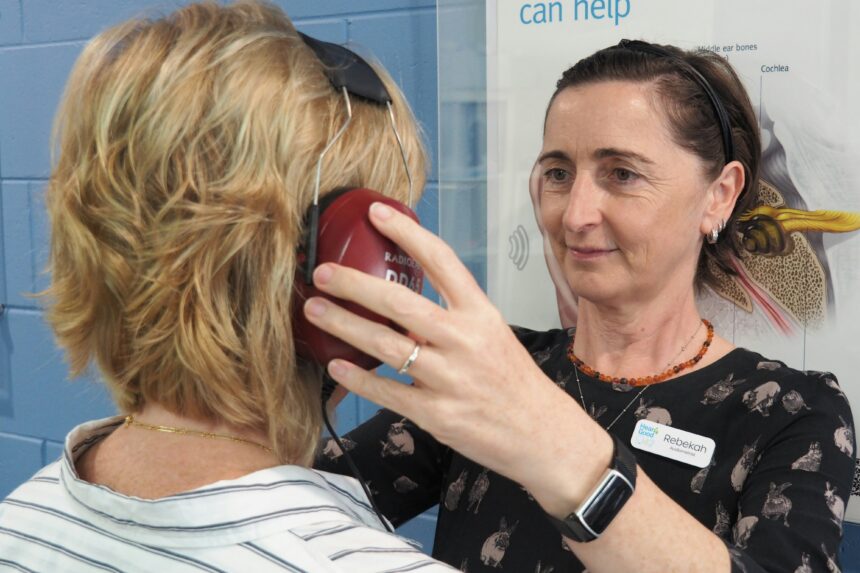
Regular hearing check-ups are essential for early detection and management of hearing loss. Many people may not realize they have a hearing issue until it significantly impacts their daily lives. Routine screenings can help identify changes in hearing ability before they become more pronounced. These check-ups are particularly important for individuals over the age of 50, as the likelihood of experiencing hearing loss increases with age.
During a hearing evaluation, audiologists can assess various aspects of hearing, including sensitivity to different frequencies and speech understanding in noisy environments. Early identification allows for timely intervention, which can significantly improve quality of life. Whether through lifestyle adjustments or the use of assistive devices, addressing hearing loss early can help individuals maintain social connections and reduce feelings of isolation that often accompany auditory decline.
Protecting Your Ears from Loud Noise

One of the most effective ways to prevent hearing loss is to protect your ears from loud noises. Exposure to high decibel levels can cause irreversible damage to the hair cells in the inner ear, leading to permanent hearing impairment. Everyday environments such as concerts, construction sites, and even loud machinery can pose risks to auditory health. It’s essential to be mindful of noise levels and take proactive measures to safeguard your hearing.
Simple strategies include wearing earplugs or noise-canceling headphones in loud environments and limiting exposure time to high-decibel sounds. Additionally, maintaining a safe distance from loud sources can help reduce the risk of damage. By adopting these protective measures, individuals can significantly decrease their chances of developing noise-induced hearing loss and preserve their hearing for years to come.
The Role of Diet and Exercise in Preserving Hearing

Diet and exercise play a crucial role in maintaining overall health, including auditory function. A balanced diet rich in antioxidants, vitamins, and minerals can support ear health by improving blood circulation and reducing inflammation. Nutrients such as omega-3 fatty acids, found in fish, and vitamins A, C, and E are particularly beneficial for preserving hearing. Foods like leafy greens, nuts, and berries can also contribute to better auditory health.
Regular physical activity is equally important as it promotes cardiovascular health, which is closely linked to hearing function. Exercise enhances blood flow throughout the body, including the ears, ensuring that vital nutrients reach the auditory system. Engaging in activities such as walking, swimming, or cycling not only benefits overall well-being but also helps maintain healthy hearing as we age.
Hearing loss is a significant concern as we age, and understanding how to prevent it is crucial for maintaining overall well-being. A recent article discusses various strategies for hearing loss prevention among older adults, emphasizing the importance of regular hearing check-ups and protective measures against loud noises. For more insights on this topic and related community resources, you can explore the article at Aging Decoded. By staying informed and proactive, we can better safeguard our hearing health as we grow older.
Managing Chronic Health Conditions to Preserve Hearing
| Age Group | Percentage of Hearing Loss |
|---|---|
| 50-59 | 16% |
| 60-69 | 25% |
| 70-79 | 50% |
| 80+ | 75% |
Chronic health conditions can have a significant impact on hearing health. Conditions such as diabetes and hypertension are known to increase the risk of developing hearing loss due to their effects on blood vessels and nerve function. Therefore, effectively managing these conditions is essential for preserving auditory function. Regular check-ups with healthcare providers can help monitor these chronic issues and ensure they are well-controlled.
In addition to medical management, lifestyle changes such as maintaining a healthy weight, following a balanced diet, and engaging in regular physical activity can help mitigate the effects of chronic conditions on hearing health. By taking a proactive approach to managing these health issues, individuals can reduce their risk of experiencing age-related hearing loss and enhance their overall quality of life.
Avoiding Harmful Habits that Contribute to Hearing Loss
Certain lifestyle habits can contribute significantly to hearing loss over time. Smoking is one such habit that has been linked to an increased risk of auditory decline. The harmful chemicals in tobacco can affect blood flow to the ears and damage the delicate structures responsible for hearing. Additionally, excessive alcohol consumption can lead to dehydration and nutrient deficiencies that may negatively impact auditory health.
To protect your hearing, it’s essential to avoid these harmful habits and adopt healthier alternatives. Quitting smoking and moderating alcohol intake can have immediate benefits for overall health and well-being. By making conscious choices about lifestyle habits, individuals can take significant steps toward preserving their hearing as they age.
Using Hearing Protection in Noisy Environments
In environments where loud noises are unavoidable, using hearing protection is crucial for safeguarding auditory health. Earplugs or earmuffs designed specifically for noise reduction can be effective tools in preventing damage from excessive sound exposure. Whether at concerts, sporting events, or during recreational activities like shooting or motorcycling, having appropriate protection on hand is essential.
It’s important to choose the right type of hearing protection based on the noise level and duration of exposure. Custom-fitted earplugs may provide better comfort and effectiveness compared to standard options. By prioritizing hearing protection in noisy settings, individuals can enjoy their activities while minimizing the risk of long-term auditory damage.
Incorporating Hearing-Friendly Practices into Daily Life
Incorporating hearing-friendly practices into daily life can significantly contribute to preserving auditory health. Simple adjustments such as lowering the volume on personal devices or using speakerphone instead of holding a phone to the ear can make a difference over time. Additionally, being mindful of communication styles—such as facing the person you’re speaking with—can enhance understanding and reduce strain on your hearing.
Creating a quieter home environment by minimizing background noise during conversations or using soft furnishings that absorb sound can also be beneficial. These small changes not only promote better communication but also help protect your ears from unnecessary strain. By adopting these practices consistently, individuals can foster an environment that supports their hearing health.
Seeking Early Intervention for Hearing Loss
If you suspect you may be experiencing hearing loss, seeking early intervention is vital for effective management. Many people hesitate to address their concerns due to stigma or fear of being perceived as old or frail; however, early intervention can lead to better outcomes and improved quality of life. Audiologists are trained professionals who can provide comprehensive evaluations and recommend appropriate solutions tailored to individual needs.
Early intervention may involve lifestyle changes, assistive listening devices, or therapy aimed at improving communication skills. The sooner you address potential hearing issues, the more options you will have for managing them effectively. Taking this proactive step not only enhances your auditory experience but also supports your overall well-being.
Exploring Assistive Listening Devices and Technology
For those experiencing significant hearing loss, assistive listening devices (ALDs) offer valuable support in navigating daily life. These devices range from simple amplifiers to sophisticated digital aids that enhance sound quality and clarity. Hearing aids are among the most common ALDs; they come equipped with advanced technology that allows users to customize settings based on their specific needs.
In addition to traditional hearing aids, there are various other technologies available that cater to different situations—such as TV listening devices or smartphone apps designed for better sound management. Exploring these options with an audiologist can help individuals find solutions that best suit their lifestyle and preferences. Embracing technology not only improves communication but also fosters independence and confidence in social interactions.
Educating Others on the Importance of Hearing Health
Raising awareness about the importance of hearing health is crucial for fostering a culture that prioritizes auditory well-being across all ages. Sharing information about preventive measures, early intervention strategies, and available technologies can empower others to take charge of their hearing health proactively. Engaging in conversations with family members and friends about their own auditory experiences can help normalize discussions around hearing loss.
Community initiatives such as workshops or informational sessions led by audiologists can further promote understanding and encourage regular check-ups among individuals at risk for hearing loss. By educating others about the significance of maintaining good hearing health, we create a supportive environment where everyone feels empowered to prioritize their auditory well-being as they age.
In conclusion, understanding age-related hearing loss and taking proactive steps toward prevention is essential for maintaining quality of life as we grow older. Regular check-ups, protective measures against loud noises, healthy lifestyle choices, and early intervention all play vital roles in preserving our auditory function. By fostering awareness and encouraging open discussions about hearing health within our communities, we can collectively work towards a future where everyone values and prioritizes their ability to hear well throughout their lives.
FAQs
What is age-related hearing loss?
Age-related hearing loss, also known as presbycusis, is the gradual loss of hearing that occurs as people age. It is a common condition that affects many older adults.
What are the causes of age-related hearing loss?
Age-related hearing loss is primarily caused by changes in the inner ear as we age. These changes can include damage to the hair cells in the inner ear, changes in the blood supply to the ear, and changes in the structure of the ear.
What are some ways to prevent age-related hearing loss?
Some ways to prevent age-related hearing loss include avoiding loud noises, protecting your ears from loud sounds, and getting regular hearing check-ups. It’s also important to maintain overall health and manage any underlying medical conditions that could contribute to hearing loss.
What are the risk factors for age-related hearing loss?
Risk factors for age-related hearing loss include a history of exposure to loud noises, genetics, smoking, and certain medical conditions such as diabetes and high blood pressure.
How can age-related hearing loss be managed?
Age-related hearing loss can be managed through the use of hearing aids, assistive listening devices, and communication strategies. It’s important to work with a healthcare professional to determine the best management plan for individual needs.