


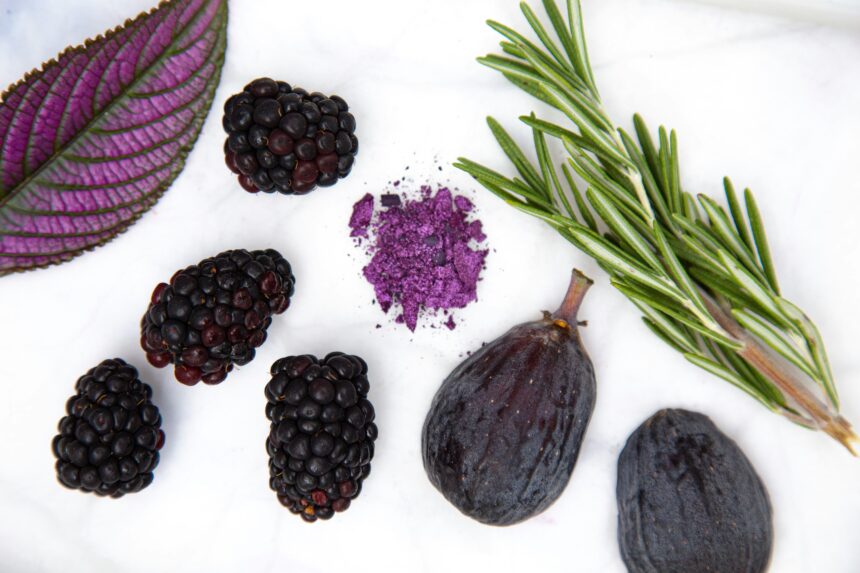
The journey to a long, vibrant life is increasingly understood to be deeply intertwined with our dietary choices. On AgingDecoded.com, under the “Nutrition & Longevity Diet” banner, we delve into how specific eating patterns can foster healthy aging, helping you not just live longer, but live better. Today, we’re focusing on a particularly powerful group of compounds: polyphenols, often dubbed the “top anti-aging foods.”
Polyphenols are naturally occurring compounds found in plants. Think of them as the plant kingdom’s way of protecting themselves from environmental stressors like sunlight and pests. For us, when we consume them, these compounds offer a wealth of benefits that can contribute to our longevity and well-being, particularly as we navigate the years after 40. This article will explore the science-backed reasons why a mostly plant-based, Mediterranean-style diet, rich in these potent polyphenols, is a cornerstone of healthy aging. We’ll also look at longevity patterns observed in centenarian populations and Blue Zones, and touch upon key nutritional concepts relevant to midlife and beyond.
Polyphenols are a vast and diverse group of bioactive compounds, with over 8,000 identified so far. They are the pigments that give many fruits and vegetables their vibrant colors and contribute to the distinct flavors and aromas of herbs, spices, tea, coffee, and even wine. Their significance for human health, especially in the context of aging, lies in their powerful antioxidant and anti-inflammatory properties.
The Antioxidant Shield: Battling Cellular Damage
At a cellular level, aging is often characterized by an accumulation of damage caused by unstable molecules called free radicals. These free radicals can arise from various internal processes, such as metabolism, and external factors like pollution, UV radiation, and unhealthy foods. This damage, known as oxidative stress, can impair cell function, accelerate the aging process, and contribute to chronic diseases like heart disease, cancer, and neurodegenerative disorders.
Polyphenols act as potent antioxidants, meaning they can neutralize these harmful free radicals. They do this by donating an electron to the free radical, stabilizing it and preventing it from damaging cellular components like DNA, proteins, and cell membranes. This protective effect is crucial for maintaining cellular integrity and function as we age, helping to slow down the cellular aging process and reduce the risk of age-related diseases.
The Anti-Inflammatory Force: Quieting Chronic Inflammation
Chronic low-grade inflammation is another hallmark of aging, often referred to as “inflammaging.” While inflammation is a natural and necessary immune response, when it becomes persistent and systemic, it can wreak havoc on our bodies. This chronic inflammation contributes to the development and progression of many age-related diseases, including cardiovascular disease, arthritis, diabetes, and Alzheimer’s.
Many polyphenols possess significant anti-inflammatory properties. They can modulate various inflammatory pathways in the body, reducing the production of pro-inflammatory molecules and promoting the production of anti-inflammatory ones. By quelling this silent inflammation, polyphenols help protect our tissues and organs, supporting a healthier aging trajectory and reducing the likelihood of developing chronic conditions.
Recent studies have highlighted the potential of polyphenols in promoting anti-aging effects through their antioxidant properties. Foods rich in polyphenols, such as berries, dark chocolate, and green tea, are believed to combat oxidative stress and inflammation, which are key contributors to the aging process. For more insights on high-quality anti-aging foods and their benefits, you can explore this related article on polyphenols and their impact on longevity at Aging Decoded.
The Mediterranean Diet and Blue Zones: A Polyphenol-Rich Blueprint for Longevity
The predominantly plant-based, Mediterranean-style eating pattern is consistently linked to remarkable health benefits and extended lifespans. This dietary approach, characterized by an abundance of fruits, vegetables, legumes, whole grains, nuts, seeds, and olive oil, with moderate consumption of fish and very limited amounts of processed foods, sugar, refined carbohydrates, and excessive alcohol, is naturally rich in polyphenols.
This eating style also mirrors the dietary habits observed in the world’s Blue Zones – regions where people live significantly longer and healthier lives. These communities, such as Okinawa in Japan, Sardinia in Italy, Nicoya in Costa Rica, Ikaria in Greece, and the Seventh-day Adventists in Loma Linda, California, share common dietary threads that emphasize plant foods.
Key Longevity Patterns in Blue Zones and Centenarians
- Beans and Legumes: A daily staple in most Blue Zones, beans and lentils are excellent sources of fiber, protein, and a variety of polyphenols, including flavonoids and phenolic acids. They support gut health, help regulate blood sugar, and contribute to satiety.
- Leafy Green Vegetables: Consumed in generous quantities, leafy greens like spinach, kale, and collard greens are packed with a diverse array of polyphenols, alongside vitamins, minerals, and fiber. Their anti-inflammatory and antioxidant effects are particularly well-studied.
- Sweet Potatoes: A primary carbohydrate source in Okinawa, sweet potatoes are rich in anthocyanins, a type of polyphenol that contributes to their vibrant purple color and offers powerful antioxidant benefits.
- Nuts and Seeds: Regularly incorporated into the diet, nuts and seeds provide healthy fats, fiber, protein, and a spectrum of polyphenols, including resveratrol in grapes (often consumed as wine in moderation in some Blue Zones) and lignans in flaxseeds.
The synergy of these polyphenol-rich foods, combined with a lifestyle that often includes regular physical activity and strong social connections, creates an environment conducive to healthy aging and remarkable longevity.
Top Polyphenol-Rich Anti-Aging Foods

Let’s dive deeper into some of the most potent polyphenol powerhouses that should be regularly featured in your diet for anti-aging benefits.
Extra Virgin Olive Oil: Liquid Gold for Longevity
Extra virgin olive oil (EVOO) is a cornerstone of the Mediterranean diet and a significant source of beneficial polyphenols. Its unique composition sets it apart from refined olive oils.
Oleocanthal: The Anti-Inflammatory Star
One of the most celebrated polyphenols in EVOO is oleocanthal. This compound has been shown to possess anti-inflammatory properties similar to ibuprofen, a non-steroidal anti-inflammatory drug (NSAID). By inhibiting certain enzymes involved in inflammation, oleocanthal can help reduce chronic inflammation throughout the body, thereby mitigating its detrimental effects on aging.
Hydroxytyrosol and Oleuropein: Powerful Antioxidants
EVOO is also rich in hydroxytyrosol and oleuropein, potent antioxidants that combat oxidative stress. These compounds help protect cells from damage, which is crucial for maintaining tissue health and preventing the onset of age-related diseases.
- How to Incorporate: Use EVOO generously as a salad dressing, for sautéing vegetables at moderate temperatures, or drizzled over finished dishes. Opt for high-quality, cold-pressed EVOO for the highest polyphenol content.
Berries: Nature’s Antioxidant Powerhouses
Often referred to as superfruits, berries are bursting with an impressive array of polyphenols, particularly anthocyanins, which give them their vivid red, blue, and purple hues.
Anthocyanins: The Color of Protection
Anthocyanins are potent antioxidants that have been linked to numerous health benefits, including improved cardiovascular health, enhanced cognitive function, and protection against certain cancers. Their anti-inflammatory properties also contribute to their anti-aging effects.
Flavonoids and Ellagic Acid
Beyond anthocyanins, berries also contain other beneficial flavonoids like quercetin and kaempferol, as well as ellagic acid, another powerful antioxidant with anti-inflammatory and cancer-protective properties.
- Examples: Blueberries, raspberries, strawberries, blackberries, cranberries, and acai berries.
- How to Incorporate: Enjoy fresh berries in smoothies, yogurts, oatmeal, or as a healthy snack. Dried berries, without added sugar, can also be a convenient option.
Dark Chocolate: A Guilty Pleasure with Serious Benefits
Yes, you read that right! High-quality dark chocolate, with a cocoa content of 70% or higher, is surprisingly rich in polyphenols, particularly flavanols like epicatechin.
Flavanols: Boosting Circulation and Cognitive Health
The flavanols in dark chocolate have been shown to improve blood flow by promoting the production of nitric oxide, which helps relax blood vessels. This enhanced circulation can benefit cardiovascular health and may also play a role in improving cognitive function and memory.
Antioxidant and Mood-Boosting Effects
The antioxidant power of dark chocolate helps combat oxidative stress, and the flavanols may also contribute to improved insulin sensitivity and better mood regulation.
- How to Incorporate: Savor a small square of high-quality dark chocolate (70% cocoa or higher) as a dessert or a midday treat. Be mindful of portion sizes due to its calorie content.
Green Tea: A Hydrating Dose of Antioxidants
Green tea, derived from the Camellia sinensis plant, is renowned for its health-promoting properties, largely attributed to its rich content of catechins, a type of flavonoid polyphenol.
Epigallocatechin Gallate (EGCG): The Star Catechin
The most abundant and well-researched catechin in green tea is epigallocatechin gallate (EGCG). EGCG is a potent antioxidant and anti-inflammatory compound that has been studied for its potential roles in cancer prevention, cardiovascular health, weight management, and neuroprotection.
Other Beneficial Catechins
Beyond EGCG, green tea also contains other catechins like epigallocatechin (EGC), epicatechin gallate (ECG), and epicatechin (EC), all contributing to its overall health benefits.
- How to Incorporate: Enjoy 2-3 cups of brewed green tea daily. Opt for loose-leaf tea or high-quality tea bags for the best flavor and polyphenol content. Avoid adding sugar.
Nuts and Seeds: Tiny Packages of Polyphenol Power
Often overlooked as individual polyphenol powerhouses, nuts and seeds, when consumed as part of a balanced diet, contribute significantly to our polyphenol intake and overall health.
Walnuts: Brain-Boosting Polyphenols
Walnuts are particularly notable for their high concentration of polyphenols, including ellagitannins, which are metabolized in the gut to produce urolithins. These compounds have demonstrated anti-inflammatory, antioxidant, and potentially anti-cancer properties. The omega-3 fatty acids in walnuts also complement these benefits.
Flaxseeds and Chia Seeds: Lignan Legends
Flaxseeds and chia seeds are excellent sources of lignans, a type of polyphenol that has been associated with hormonal balance and protection against certain hormone-related cancers. They are also rich in fiber and omega-3s.
Almonds and Pecans: A Diverse Profile
Almonds and pecans also contribute a variety of polyphenols, along with vitamins, minerals, and healthy fats, making them valuable additions to a longevity-focused diet.
- How to Incorporate: Sprinkle nuts and seeds on salads, incorporate them into oatmeal or yogurt, or enjoy them as a satisfying snack. Aim for a small handful daily.
Beyond Polyphenols: Holistic Approaches to Healthy Aging

While a polyphenol-rich diet is a powerful strategy, healthy aging involves several interconnected nutritional and lifestyle factors that work synergistically.
Protein Needs in Midlife and Beyond
As we age, our bodies’ ability to synthesize and utilize protein can change. Ensuring adequate protein intake is crucial for maintaining muscle mass (preventing sarcopenia), supporting immune function, and promoting tissue repair.
The Importance of Quality Protein
Focus on consuming high-quality protein sources that are easily digestible and contain essential amino acids. This includes lean meats, poultry, fish, eggs, dairy products, legumes, and to some extent, nuts and seeds. For a mostly plant-based approach, combining different plant protein sources throughout the day ensures a complete amino acid profile.
- Recommendation: Aim for approximately 0.8 to 1.2 grams of protein per kilogram of body weight, distributed throughout the day, especially after resistance exercise. Consult a healthcare professional or registered dietitian for personalized recommendations.
Gut Health: The Foundation of Well-being
The gut microbiome, the trillions of bacteria residing in our digestive tract, plays a profound role in our overall health, including immune function, nutrient absorption, and even mood. A healthy gut is crucial for effective nutrient utilization, including the absorption of valuable polyphenols.
The Fiber-Polyphenol Connection
A diet rich in fiber, abundant in plant-based foods, acts as fuel for beneficial gut bacteria. These bacteria break down certain fibers and polyphenols, producing beneficial compounds like short-chain fatty acids (SCFAs). Fiber diversity from various plant sources is key to fostering a diverse and resilient microbiome.
Fermented Foods for Microbial Support
Incorporating fermented foods like yogurt (with live and active cultures), kefir, sauerkraut, kimchi, and tempeh can introduce beneficial probiotics to the gut, further enhancing microbial diversity and function.
Fasting and Time-Restricted Eating: Optimizing Cellular Repair
Fasting, particularly in the form of time-restricted eating (TRE), involves cycling between periods of eating and voluntary fasting. This practice can offer several metabolic benefits related to cellular repair and longevity.
Autophagy: The Cellular Cleanup Crew
During fasting periods, the body initiates a cellular cleanup process called autophagy. This is where cells get rid of damaged components and regenerate healthier ones, a critical process for combating aging and disease.
Metabolic Flexibility and Insulin Sensitivity
TRE can improve metabolic flexibility, allowing the body to efficiently switch between burning glucose and fat for energy. It can also enhance insulin sensitivity, which is crucial for preventing type 2 diabetes and other metabolic disorders.
- Note: It’s important to approach fasting and TRE cautiously, especially if you have underlying health conditions or are taking medications. Consult with a healthcare provider before adopting these practices. This is not about extreme restriction but about strategic timing of meals.
Calorie Density Without Extreme Restriction
The concept of calorie density refers to the number of calories in a given volume or weight of food. Foods that are low in calorie density, such as most fruits, vegetables, and whole grains, are filling and nutrient-rich, allowing you to consume larger portions without exceeding your caloric needs.
The Power of Whole, Unprocessed Foods
By prioritizing whole, unprocessed foods – especially polyphenol-rich plant foods – you naturally reduce your intake of calorie-dense, nutrient-poor processed foods, refined sugars, and unhealthy fats. This approach supports healthy weight management without the need for drastic calorie restriction.
- Focus: Filling your plate with vibrant vegetables, fruits, and lean proteins promotes satiety and provides a continuous supply of essential nutrients and antioxidants.
Recent research has highlighted the potential of polyphenols in promoting anti-aging effects through their antioxidant properties. Foods rich in these compounds, such as berries, dark chocolate, and green tea, can help combat oxidative stress and inflammation, which are key contributors to aging. For a deeper understanding of how polyphenols can enhance longevity and overall health, you can explore this insightful article on the topic. Check it out here to learn more about the benefits of incorporating polyphenol-rich foods into your diet.
How to Eat for Longevity: Realistic Swaps for Those Over 40
| Food | Polyphenol Content (mg per 100g) | Anti-aging Benefits |
|---|---|---|
| Blueberries | 558 | Protects skin from premature aging |
| Dark Chocolate | 166 | Improves skin elasticity |
| Green Tea | 89 | Reduces wrinkles and fine lines |
| Spinach | 119 | Promotes collagen production |
Adopting a longevity-focused diet doesn’t require a complete overhaul overnight. Small, consistent changes can lead to significant long-term benefits. Here are 4-6 realistic food and habit swaps for individuals over 40:
- Swap Refined Grains for Whole Grains: Instead of white bread, white pasta, and white rice, opt for whole-wheat bread, brown rice, quinoa, oats, and barley. This increases your fiber and polyphenol intake.
- Increase Vegetable Intake, Especially Leafy Greens: Aim to fill at least half your plate with non-starchy vegetables at lunch and dinner. Start by adding a side salad or a generous serving of steamed greens to your meals.
- Replace Sugary Drinks with Water or Unsweetened Tea: Cut out sodas, sweetened juices, and other sugary beverages. Opt for plain water, sparkling water with a squeeze of lemon, or unsweetened herbal or green tea.
- Incorporate Legumes into Meals Several Times a Week: Add beans, lentils, or chickpeas to soups, stews, salads, or use them as a base for vegetarian dishes. They are excellent sources of fiber, protein, and polyphenols.
- Snack Wisely: Choose Nuts, Seeds, or Fruit Over Processed Snacks: When hunger strikes between meals, reach for a small handful of unsalted nuts, a portion of seeds, or a piece of fruit instead of chips, cookies, or candy.
- Prioritize Extra Virgin Olive Oil for Cooking and Dressing: Ditch processed vegetable oils and use high-quality extra virgin olive oil for sautéing, roasting vegetables, and as a base for salad dressings.
By embracing a mostly plant-based, Mediterranean-style diet rich in polyphenol-packed foods, and by making these mindful swaps, you can actively support your body’s natural processes for healthy aging. This approach isn’t about deprivation; it’s about abundance – an abundance of flavor, nutrients, and vitality, paving the way for a longer, healthier, and more vibrant life.
FAQs
What are polyphenols?
Polyphenols are a group of naturally occurring compounds found in plants, including fruits, vegetables, tea, coffee, and red wine. They are known for their antioxidant properties and have been linked to various health benefits.
How do polyphenols help with anti-aging?
Polyphenols have been shown to have anti-aging effects due to their ability to reduce oxidative stress and inflammation in the body. These compounds can help protect the skin from UV damage, improve skin elasticity, and promote overall skin health.
What are some examples of polyphenol-rich foods?
Foods rich in polyphenols include berries (such as blueberries, strawberries, and raspberries), dark chocolate, green tea, red wine, olive oil, nuts, and certain fruits and vegetables (such as apples, cherries, spinach, and broccoli).
How can I incorporate polyphenol-rich foods into my diet?
You can incorporate polyphenol-rich foods into your diet by including a variety of fruits, vegetables, and beverages such as tea and red wine. Try adding berries to your breakfast, snacking on nuts, and using olive oil in your cooking.
Are there any potential side effects of consuming polyphenols?
While polyphenols are generally safe to consume and have numerous health benefits, some people may experience mild side effects such as digestive issues or allergic reactions. It’s important to consume polyphenol-rich foods in moderation as part of a balanced diet.