


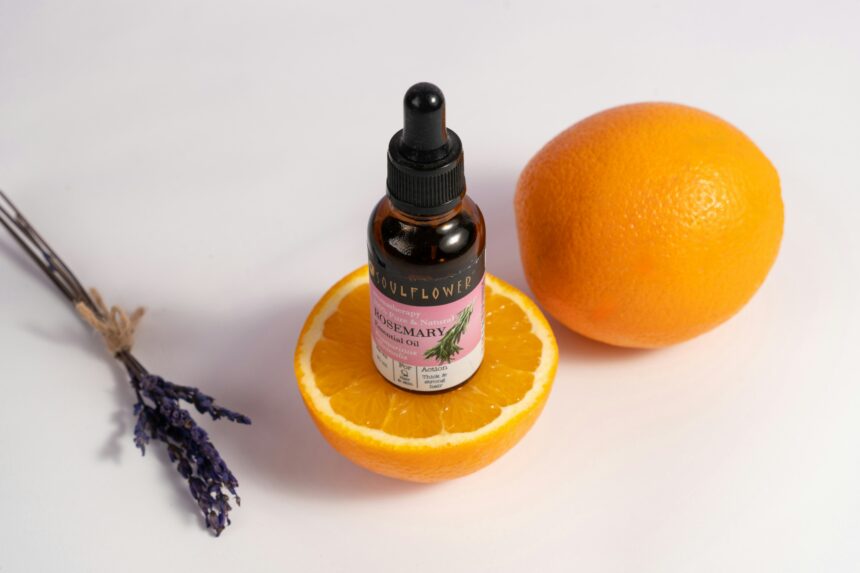
For anyone navigating the journey of midlife and beyond, the quest for healthy, radiant skin often begins with a desire to gracefully embrace the passing years. While time undeniably leaves its mark, effective skincare isn’t about erasing every wrinkle, but rather about nurturing your skin, protecting it from further damage, and enhancing its natural resilience. In the vast landscape of skincare ingredients, one often stands out as a true workhorse for its myriad benefits: Vitamin C.
Often lauded as an “ultimate anti-aging solution,” Vitamin C serum isn’t a magic potion that will instantly rewind the clock. Instead, it’s a powerful, evidence-informed tool that, when integrated into a consistent and mindful routine, can significantly contribute to healthier, more vibrant skin. This article, tailored for the “Skin & Healthy Aging” category on AgingDecoded.com, will unveil the science behind Vitamin C, explain how to effectively incorporate it into your daily regimen, and emphasize its role within a holistic approach to skin health.
Why Your Skin Loves Vitamin C: A Powerful Antioxidant Explained
At its core, Vitamin C, also known as L-ascorbic acid or its derivatives, is a potent antioxidant. But what does that really mean for your skin?
Understanding Free Radicals and Oxidative Stress
Every day, our skin is exposed to environmental aggressors like UV radiation from the sun, pollution, and even stress. These factors generate unstable molecules called “free radicals” within our bodies. Free radicals are like tiny, destructive bandits that steal electrons from healthy cells, causing damage to collagen, elastin, and cellular DNA. This process, known as “oxidative stress,” is a major contributor to visible signs of aging, including fine lines, wrinkles, uneven skin tone, and a lackluster complexion.
How Vitamin C Fights Back
This is where Vitamin C steps in as our skin’s hero. As an antioxidant, it readily donates electrons to neutralize free radicals, effectively disarming them before they can cause widespread damage. Think of it as a protective shield, buffering your skin from the constant onslaught of environmental stressors. By reducing oxidative stress, Vitamin C helps to preserve the integrity of your skin’s vital components, promoting a more youthful and resilient appearance.
Beyond Antioxidant Protection: Other Key Benefits
But Vitamin C’s prowess extends far beyond its antioxidant capabilities. It plays several other crucial roles in maintaining healthy, youthful-looking skin:
- Collagen Synthesis: Collagen is the structural protein that gives your skin its firmness and elasticity. As we age, collagen production naturally declines, leading to sagging and wrinkles. Vitamin C is an essential co-factor for collagen synthesis, meaning it’s absolutely necessary for your body to produce and maintain healthy collagen levels. Regular use of Vitamin C can help stimulate new collagen production and protect existing collagen from degradation, contributing to firmer, smoother skin.
- Brightening and Hyperpigmentation: Have you noticed dark spots, sun spots, or uneven skin tone? These are often the result of excess melanin production, a pigment that gives our skin its color. Vitamin C has been shown to inhibit an enzyme called tyrosinase, which is critical for melanin production. By gently reducing melanin synthesis, Vitamin C can help fade existing dark spots and prevent new ones from forming, leading to a brighter, more even complexion.
- Anti-inflammatory Properties: While not as widely recognized as its antioxidant and collagen-boosting effects, Vitamin C also possesses mild anti-inflammatory properties. This can be beneficial for calming stressed skin, reducing redness, and supporting overall skin health.
Vitamin C serum has gained significant attention in the skincare community for its potential anti-aging benefits, such as reducing fine lines and promoting a more youthful complexion. For those interested in exploring this topic further, a related article can be found at Aging Decoded, which delves into the various ways vitamin C can enhance skin health and its role in the fight against aging. This resource provides valuable insights into how incorporating vitamin C serum into your skincare routine can lead to noticeable improvements in skin texture and tone.
Building Your Evidence-Informed Routine: Where Vitamin C Fits In
Integrating Vitamin C serum into a simple, effective skincare routine for midlife and older adults is straightforward. The key is consistency and prioritizing foundational steps. Remember, the goal is healthy aging, not aggressive anti-aging.
Step 1: Daily Sun Protection (Non-Negotiable!)
Before even thinking about a serum, let’s reiterate the golden rule of healthy aging: daily, broad-spectrum sun protection with an SPF of 30 or higher. This is the single most impactful step you can take to prevent premature aging and protect your skin’s health. Apply it generously to your face, neck, and hands every single morning, rain or shine. No amount of Vitamin C or other actives can undo the damage caused by unprotected sun exposure.
Step 2: Gentle Cleansing
Start your morning and evening routine with a gentle cleanser. This removes impurities, excess oil, and any residual makeup without stripping your skin’s natural oils, which are crucial for maintaining a healthy skin barrier. Look for cleansers that are soap-free and hydrating.
Step 3: The Vitamin C Serum (Your Morning Boost)
After cleansing and before moisturizing, apply your Vitamin C serum. Most dermatologists recommend applying Vitamin C in the morning. This is because its antioxidant properties can help protect your skin from environmental damage throughout the day, working synergistically with your sunscreen.
- Choosing Your Serum: Look for serums containing L-ascorbic acid, as it’s the most biologically active form of Vitamin C. However, it can be unstable and irritating for some. Stable derivatives like Sodium Ascorbyl Phosphate or Magnesium Ascorbyl Phosphate are gentler alternatives. Concentrations typically range from 10-20%. If you’re new to Vitamin C, start with a lower concentration (10-15%) and gradually increase as your skin tolerates it.
- Application: A few drops (2-4) are usually sufficient for your face and neck. Gently pat it onto clean, dry skin. Allow it to absorb fully for a minute or two before moving to the next step.
Step 4: Consistent Moisturizing
Following your serum, apply a good moisturizer to lock in hydration and support your skin barrier. Moisturizing is crucial for all skin types, regardless of age, to keep skin supple, plump, and protected. Look for ingredients like hyaluronic acid, ceramides, and glycerin.
Step 5: (Evening) Retinoids for Cellular Renewal
While Vitamin C is a morning star, retinoids (such as retinol or prescription tretinoin) are often best reserved for your evening routine. Retinoids are Vitamin A derivatives that significantly boost cell turnover, stimulate collagen production, and improve skin texture and tone. They are incredibly effective but can also be irritating, so introduce them slowly (1-2 times a week) and always follow with a good moisturizer. Never use retinoids and Vitamin C separately and concurrently during the same application if you have sensitive skin, unless directed by your dermatologist and your skin has adjusted well to them both. Some research indicates they can work synergistically; however, for those with sensitive skin, it is better to separate them. (Vitamin C in the morning, retinoid in the evening.)
Other Proven Actives: Niacinamide and AHAs
- Niacinamide (Vitamin B3): This versatile ingredient can be used morning or evening and offers a multitude of benefits, including reducing inflammation, improving skin barrier function, minimizing pore appearance, and evening out skin tone. It pairs well with both Vitamin C and retinoids.
- Alpha Hydroxy Acids (AHAs) – Glycolic Acid, Lactic Acid: AHAs are chemical exfoliants that gently slough off dead skin cells, revealing brighter, smoother skin. They can improve texture and reduce the appearance of fine lines. Use them sparingly (1-3 times a week, typically in the evening) and always follow with sunscreen the next morning as they can increase sun sensitivity.
Understanding Key Anti-Aging Ingredients Beyond Vitamin C
To offer a comprehensive perspective, let’s briefly touch upon other key players in healthy aging skincare.
Retinol (and Retinoids)
- What it is: A derivative of Vitamin A, retinoids are considered the gold standard for anti-aging due to their ability to accelerate cell turnover, stimulate collagen production, and reduce the appearance of fine lines, wrinkles, and hyperpigmentation.
- Plain Language: Think of retinol as a cellular coach for your skin. It tells your skin cells to act younger, encouraging them to refresh themselves faster and produce more of the building blocks (like collagen) that keep skin firm and smooth.
- Important Note: Retinoids can be potent and cause initial irritation (redness, dryness, flaking). Start with a low concentration, use sparingly, and always moisturize. Pregnant or breastfeeding individuals should avoid retinoids.
Peptides
- What they are: Short chains of amino acids that are the building blocks of proteins, including collagen and elastin.
- Plain Language: Peptides are like tiny messengers in your skin. They signal your cells to perform specific functions, such as producing more collagen or repairing damage. Different types of peptides have different jobs; some tell your skin to firm up, while others encourage healing. They work best in conjunction with other ingredients.
Hyaluronic Acid
- What it is: A powerful humectant, meaning it attracts and holds onto water.
- Plain Language: Imagine hyaluronic acid as a super-thirsty sponge for your skin. It can hold up to 1,000 times its weight in water, drawing moisture from the environment into your skin. This plumps up the skin, reduces the appearance of fine lines, and makes your skin feel soft and deeply hydrated. It’s excellent for all skin types and rarely causes irritation.
Sunscreens (Zinc Oxide, Titanium Dioxide, Chemical Filters)
- What they are: Ingredients that protect skin from harmful UV radiation. Physical blockers (zinc oxide, titanium dioxide) create a physical barrier, while chemical filters absorb UV rays and convert them into heat.
- Plain Language: Sunscreens are your skin’s daily armor against the sun’s damaging rays. They prevent sunburn, reduce the risk of skin cancer, and are by far the most effective “anti-aging” product you can use. Always look for “broad-spectrum” to protect against both UVA (aging) and UVB (burning) rays, with an SPF of 30 or higher.
Supporting Your Skin Barrier: The Foundation of Healthy Skin
The skin barrier, often referred to as the “stratum corneum,” is the outermost layer of your skin. Think of it like a brick wall: the “bricks” are your skin cells, and the “mortar” is made of lipids (fats like ceramides, cholesterol, and fatty acids). A healthy skin barrier is crucial for:
- Protection: It keeps environmental irritants, allergens, and bacteria out, while preventing excessive water loss from within.
- Hydration: It seals in moisture, keeping your skin plump and supple.
When the skin barrier is compromised (due to harsh cleansers, over-exfoliation, sun damage, or simply aging), your skin becomes more susceptible to dryness, sensitivity, irritation, and inflammation. This is why supporting your skin barrier is paramount in any healthy aging routine.
How to Support Your Skin Barrier:
- Gentle Cleansing: Avoid harsh, stripping cleansers.
- Consistent Moisturizing: Use moisturizers with barrier-supporting ingredients like ceramides, hyaluronic acid, and fatty acids.
- Avoid Over-Exfoliation: While actives like AHAs and retinoids are beneficial, using too many, too often, or at too high concentrations can compromise the barrier. Listen to your skin.
- Sun Protection: Sun damage directly weakens the skin barrier.
- Vitamin C and Niacinamide: Both these ingredients have shown benefits in improving and maintaining skin barrier function.
Vitamin C serum has gained popularity in the skincare community for its remarkable anti-aging properties, helping to reduce fine lines and promote a more youthful complexion. For those interested in exploring the science behind these benefits, a related article can provide valuable insights into the effectiveness of various skincare ingredients. You can read more about it in this informative piece on anti-aging solutions. Incorporating vitamin C into your daily routine may just be the key to achieving that radiant skin you desire.
Lifestyle Factors: Beyond the Bottle
Skincare isn’t just about what you put on your skin; it’s deeply intertwined with your overall health and lifestyle. These factors significantly influence your skin’s appearance and resilience.
The Power of Sleep
- Plain Language: During sleep, your body goes into repair mode, and your skin is no exception. This is when new cells are generated, collagen production is boosted, and damage from the day is repaired. Chronic sleep deprivation can lead to dull skin, tired eyes, and slower healing. Aim for 7-9 hours of quality sleep per night.
Managing Stress
- Plain Language: When you’re stressed, your body releases hormones like cortisol. High levels of cortisol can break down collagen, increase inflammation, and exacerbate skin conditions like acne, eczema, and psoriasis. Finding healthy ways to manage stress (meditation, exercise, hobbies, time in nature) can have a profound positive impact on your skin.
A Nutritious Diet
- Plain Language: Your skin is a reflection of your internal health. A diet rich in fruits, vegetables, lean proteins, and healthy fats provides your skin with the essential vitamins, minerals, and antioxidants it needs to thrive. Think of foods rich in Vitamin C (citrus, berries), Vitamin E (nuts, seeds), and omega-3 fatty acids (fatty fish) as fuel for radiant skin. Processed foods, excessive sugar, and unhealthy fats can contribute to inflammation and accelerate aging.
Hydration Matters
- Plain Language: Drinking enough water helps keep your body and skin cells adequately hydrated from the inside out. While topical moisturizers are crucial, internal hydration contributes to skin plumpness and elasticity.
Alcohol and Smoking: Detrimental Habits
- Alcohol: Excessive alcohol consumption dehydrates the body, can lead to chronic inflammation, and dilates blood vessels, potentially contributing to redness and impaired skin healing.
- Smoking: This is one of the most damaging habits for your skin. Nicotine constricts blood vessels, reducing blood flow and oxygen to the skin. The thousands of toxins in cigarette smoke directly damage collagen and elastin, leading to premature wrinkles, sallow complexion, and dullness. Quitting smoking is one of the best things you can do for your skin (and overall health).
Realistic Expectations and When to See a Professional
While Vitamin C serum is a fantastic addition to your routine for healthy aging, it’s essential to cultivate realistic expectations. Skincare products can improve skin health, texture, and tone, but they cannot perform miracles. Fine lines may soften, dark spots may lighten, and your skin may appear brighter and healthier, but deep wrinkles or significant sagging will require more advanced treatments from a dermatologist.
Always remember to:
- Be Patient: Visible results from skincare ingredients take time – often weeks to months of consistent use.
- Listen to Your Skin: If a product causes persistent redness, irritation, or burning, discontinue use.
- Consult a Dermatologist: For any suspicious new spots, moles that change in size, shape, or color, or if you have concerns about underlying skin conditions. If you are considering stronger prescription products like higher-strength retinoids, a dermatologist can guide you safely and effectively.
By embracing a simple yet powerful routine that prioritizes sun protection, gentle care, proven actives like Vitamin C, and a healthy lifestyle, you can nurture your skin, safeguard its health, and confidently age with grace and radiance. Your skin deserves consistent care, and with Vitamin C as a key player, you’re well on your way to healthy, vibrant skin for years to come.
FAQs
What is vitamin C serum?
Vitamin C serum is a skincare product that contains a high concentration of vitamin C, a powerful antioxidant that helps to protect the skin from free radicals and environmental damage. It is often used to brighten the skin, reduce the appearance of fine lines and wrinkles, and improve overall skin texture.
How does vitamin C serum help with anti-aging?
Vitamin C serum helps with anti-aging by stimulating collagen production, which can help to reduce the appearance of fine lines and wrinkles. It also helps to protect the skin from UV damage and environmental stressors, which can contribute to premature aging.
Who can benefit from using vitamin C serum?
Vitamin C serum can benefit anyone looking to improve the overall appearance and health of their skin. It is particularly beneficial for those concerned with signs of aging, such as fine lines, wrinkles, and dullness. It can also help to even out skin tone and improve the appearance of dark spots and hyperpigmentation.
How should vitamin C serum be incorporated into a skincare routine?
Vitamin C serum is typically applied in the morning, after cleansing and toning the skin. It should be followed by a moisturizer and sunscreen to maximize its benefits and protect the skin from UV damage. It is important to start with a lower concentration of vitamin C and gradually increase as the skin builds tolerance.
Are there any potential side effects of using vitamin C serum?
While vitamin C serum is generally safe for most skin types, some individuals may experience mild irritation or sensitivity. It is important to do a patch test before using the serum and to consult with a dermatologist if any adverse reactions occur. Additionally, vitamin C serum can make the skin more sensitive to the sun, so it is crucial to use sunscreen daily.