

Rediscovering Youth: How Early Physical Activity Shapes Longevity
As I dive into the wonders of aging, I’m often struck by the intricate ways our early life choices shape our future selves. Recent research from the INMA cohort has illuminated a fascinating connection between extracurricular physical activity at age four and telomere length changes as children grow into their formative years. It’s remarkable to think that something as simple as a child’s playful engagement in sports or dance might play a role in how well and how long they live.
The Science Behind Telomeres
Telomeres, those protective caps at the ends of our chromosomes, are like tiny sentinels guarding our genetic material from damage during cell division. Their length is not just a number; it’s a biological marker of aging and resilience. I used to believe that telomeres were an obscure concept reserved for the realms of genetics. But now, understanding their role in cellular aging feels deeply personal. We all want to guard against premature aging and chronic illness, don’t we?
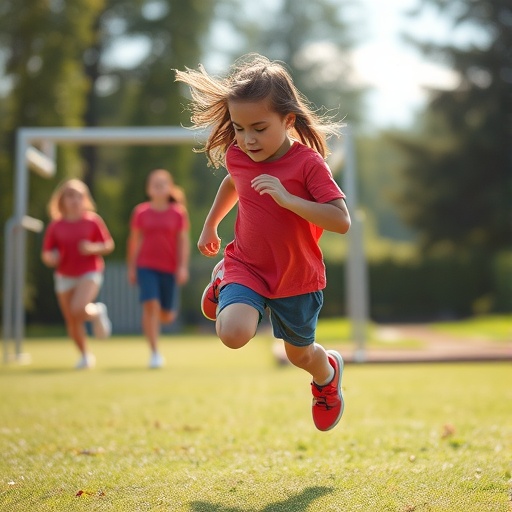
This study shifts my perspective on childhood health—suggesting that the seeds of longevity can be sown through active play and structured physical activities even before formal schooling begins. Imagine seeing your four-year-old leap joyfully across a soccer field or twirl gracefully in ballet class—not just for fun but potentially bolstering their cellular resilience.
The INMA Study Unpacked
The researchers followed children from ages four through eight, capturing changes in telomere length rankings—a more dynamic approach than simply measuring absolute lengths. This nuanced view recognizes that each child’s journey is unique, shaped by countless variables such as genetics, nutrition, stressors, and indeed lifestyle choices.
What strikes me is how outdoor activities—like racing bicycles or playing tag—hold profound implications beyond mere fitness; they might influence cellular processes tied to how we age. The findings were striking: children who engaged regularly in extracurricular physical pursuits showed either maintained or improved telomere rankings by age eight compared to those who didn’t partake much outside school hours.
A Personal Reflection on Movement
I recall my own childhood days spent running freely with friends until dusk fell over the neighborhood. What if those joyful moments helped encode some protective mechanism within me? As I reflect on this research, I can’t help but wonder about its implications for today’s youth who seem increasingly tethered to screens rather than swingsets.
Connecting Physical Activity with Cellular Health
The relationship between physical activity and telomere maintenance resonates with what I’ve read regarding adult populations where moderate exercise correlates with longer telomeres—likely due to reduced oxidative stress and inflammation wreaking havoc on cellular integrity. It seems clear that promoting movement among children could have lasting impacts long into adulthood.
Diving deeper into the biology behind this phenomenon leads us to imagine mechanisms at play: perhaps enhanced antioxidant defenses or better mitochondrial function all intertwine while our little ones run around laughing under sunny skies. Could it also be true that engaging them physically lessens systemic inflammation? The potential pathways are intriguing.
The Socio-Environmental Landscape
This study also nudges me toward considering broader societal factors—is access to these enriching activities equitable? Children whose families can afford extracurricular programs may reap benefits not just in terms of fitness but also longevity markers like telomeres compared to those without similar opportunities. It sparks questions about equity in health promotion—about ensuring every child has access not only to education but also healthy lifestyles.
A Call for Action
As an observer of life unfolding around me—and sometimes caught up in my existential musings—I can’t ignore what this means moving forward: schools and communities have immense power here! They can cultivate environments fostering active habits right from childhood rather than waiting until poor health forces intervention later on.
I feel compelled as both an advocate for wellness and a member of society trying to navigate these challenges—to push for policies integrating more physical activity into educational settings universally so no child misses out on potential health benefits because they lack resources or opportunities.
Cautionary Notes: The Complexity of Aging
However—and it’s essential to recognize this—the journey toward understanding biological aging isn’t straightforward. Telomeric length is merely one small facet amidst layers upon layers of complexity defining human health over time. It’s worth approaching these findings with humility; correlation does not imply causation after all! Prospective longitudinal studies will be crucial for untangling these threads further down the line.
“Maybe that’s part of it—the realization that while we strive for longevity through various means, it’s equally vital we acknowledge what makes life fulfilling along the way.”
Toward Meaningful Longevity
I find myself wrestling with broader philosophical questions too: What does it mean truly when we talk about optimizing lifespan? Is it simply living longer years filled with vitality—or is there something deeper entwined within relationships forged over shared laughter post-game? What kind legacy do we wish our lives leave etched behind?
Written for Aging Decoded – The Future of Health News, One Story at a Time.