


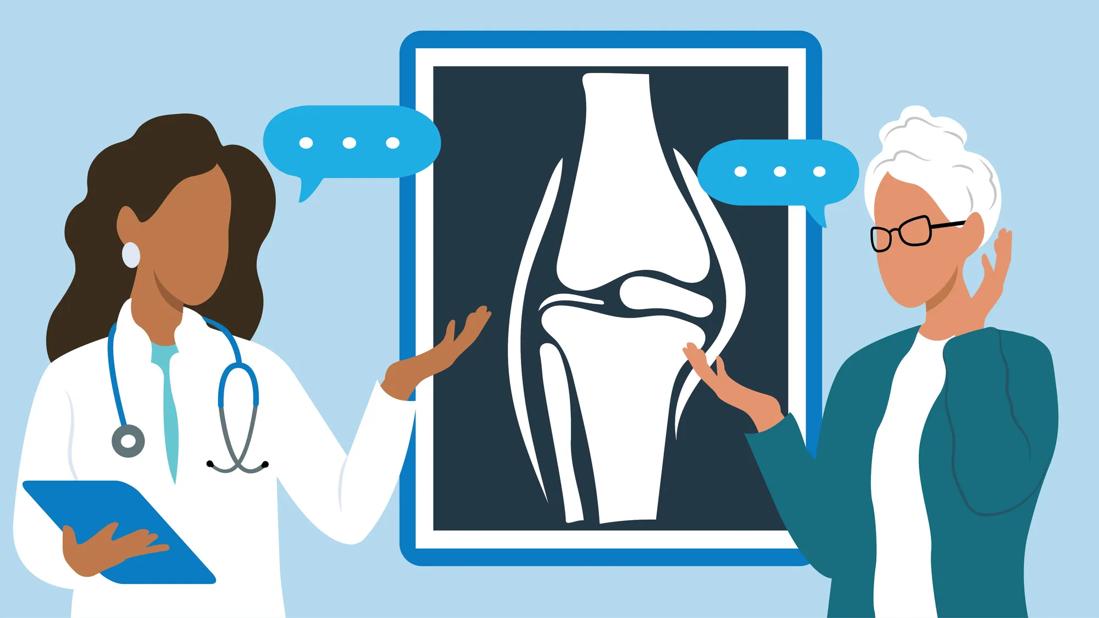
Nurturing Our Bones: The Prevention Journey
As we age, maintaining our bone health becomes increasingly crucial. I’ve often found myself reflecting on the importance of prevention—not just as a buzzword but as a daily practice that shapes our long-term wellness. I’ve learned that keeping those bones strong isn’t just about waiting for a problem to arise; it’s about being proactive and attentive to the signals my body sends me. So, when is it time to consider supplements and vitamins for an extra boost? And who really benefits from them?
The Foundation of Bone Health
Bones are more than just structural support; they are the essence of our physical being. They carry us through life—allowing us to dance at weddings, chase after our kids, or embark on spontaneous hikes in nature. Yet, in my pursuit of a balanced life, I often forget that too much of anything can lead us astray.
“More is not always better,” my doctor once told me during a routine check-up. It resonated with me deeply—especially when she explained how excess calcium could be harmful, potentially leading to plaque in coronary arteries and increased heart attack risks. That conversation sparked something within me: the realization that bone health isn’t just about loading up on supplements; it’s about understanding what’s right for my unique body.
This revelation nudged me toward conversations with healthcare providers who can offer tailored advice based on individual needs—a step I believe everyone should take if they’re considering bone health supplements.
A Careful Approach
I often think about Dr. Mileti’s guidance regarding calcium and vitamin D supplementation for specific groups of people: those diagnosed with osteoporosis (especially postmenopausal women), individuals with limited sun exposure, and patients struggling with malabsorption issues from conditions like Crohn’s disease. It made me pause—what am I doing today to ensure I’m not part of these statistics tomorrow?
- Osteoporosis affects many women after menopause.
- Limited sun can lead to vitamin D deficiencies.
- Malabsorption issues can quietly undermine bone strength.
I’ve always believed that nature provides most of what we need if we pay attention—and this extends to nutrients essential for healthy bones. Vitamin D stands out as paramount among them.
The Vitamin D Connection
If you’ve ever felt the warmth of sunbeams on your skin during a brisk autumn walk or tasted rich salmon drizzled with lemon—a delightful dish full of vitamin D—you might understand why this nutrient is so vital for absorbing calcium effectively. Without it, we risk permanent loss of bone density which none of us want at any age!
I still remember when I began taking note of my vitamin D levels after hearing Dr. Mileti recommend between 1,000 and 2,000 IU daily for most people unless they are deficient or their needs dictate otherwise—I was astonished by how such small changes could have profound implications! Sunshine was suddenly more than weather; it became an important ally in my journey toward prevention.
The Calcium Equation
Lately, I’ve been navigating through discussions around calcium intake too—as I reflect on its necessity beyond mere numbers bandied around in health circles but rather its role in building not only strong bones but muscles and supporting other vital systems within our bodies too!
If you’re like me—someone who sometimes forgets the nutritional value behind food choices—it may be worth considering how inadequate dietary calcium affects long-term wellness, especially as one ages into adulthood where recommendations shift towards 1,200 mg daily for postmenopausal women while older men may need around 1,000 mg instead thanks largely due contextually shifting factors influencing individual health trajectories over time…
- Cautionary Tales: Phosphorus should also be approached cautiously if kidney issues persist.
- No Needless Supplements:: Like magnesium—which aids absorption but rarely requires additional supplementation given balanced diets!
A Balance Between Supplements and Nutrition
I find myself continually impressed by the simplicity yet complexity surrounding nutrition relative to bone health alongside other nutrients which play supportive roles such as B Vitamins or Zinc—but let’s face it: there’s no magic pill here! Rather than racing towards isolated solutions amidst overwhelming options available today perhaps it would serve us better redirecting focus back onto whole foods instead? It sounds simple yet remains incredibly elusive amid fast-paced lifestyles…
“There are abundant sources,” Dr Miles states gently reminding us all.”
An Underwhelming Reality Check
The truth is still recognizable—we tend toward recommending vitamins selectively based upon clinical deficiencies identified rather than widespread consumption stemming purely from fear-based narratives propelled endlessly across wellness culture landscapes …and maybe that’s where we get lost?
Cleveland Clinic’s recommendations underscore many points discussed herein while providing valuable insights into responsible supplement use—all deserving thoughtful consideration before diving head first down this rabbit hole!
A Step Toward Proactive Wellness
If there’s one takeaway from my musings today—it’s recognizing that improving nutrition plays pivotal roles ahead! Through quality foods paired aptly alongside mindful movements enriching overall lifestyle choices aren’t only beneficial—they empower self-agency facilitating bright futures filled vibrancy even amidst aging processes faced along way forward together collectively learning lessons about balance & discipline necessary navigating life’s winding paths.)
It’s easy sometimes getting caught up amidst information overload feeling overwhelmed…yet each day brings another opportunity anew -to nurture ourselves proactively ensuring brighter tomorrows awaiting ahead!
Written for Aging Decoded – The Future of Health News, One Story at a Time.