


The Promise and Peril of Prime Editing: A New Era in Gene Therapy
Revolutionizing Genetic Medicine
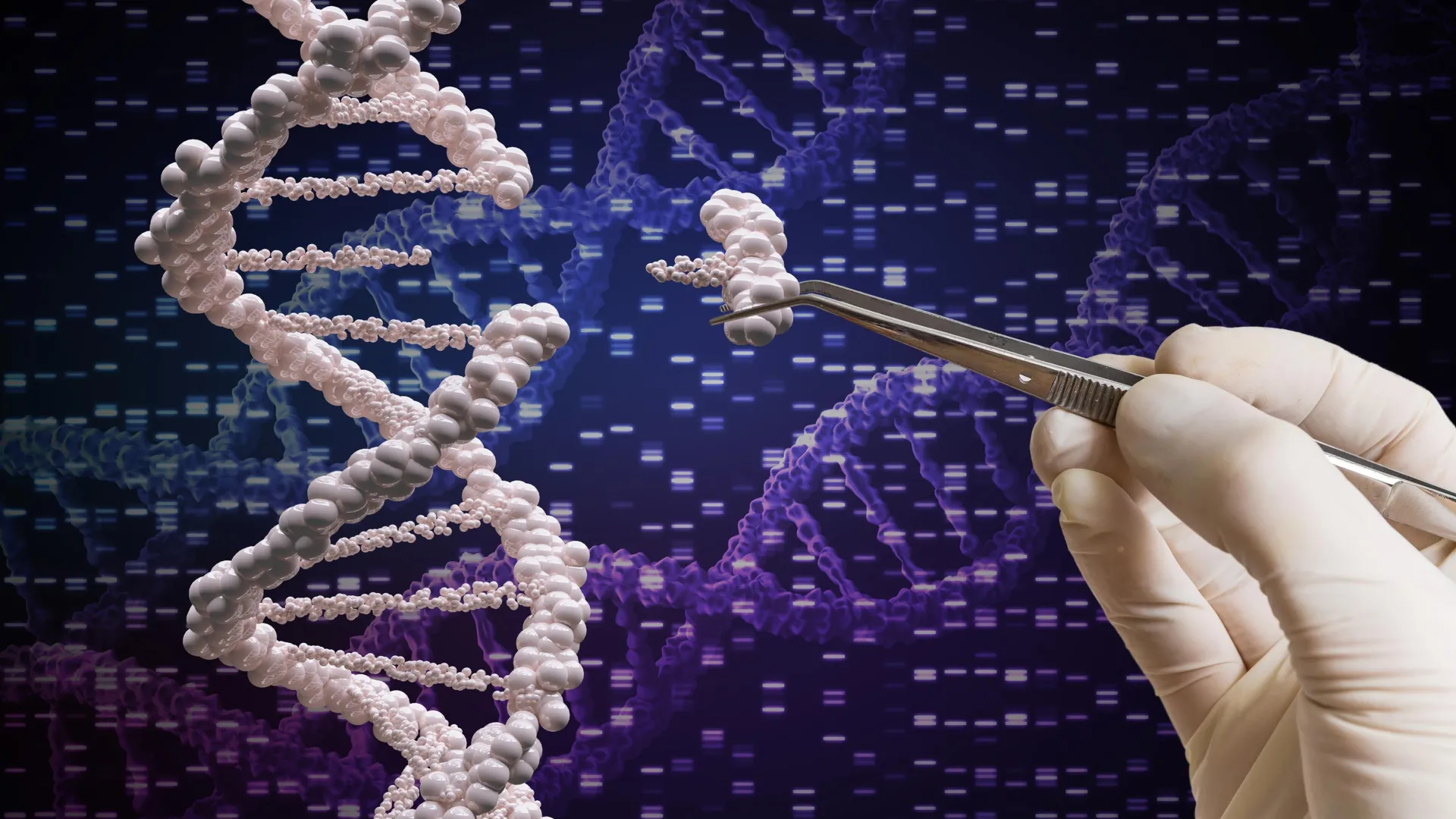
A gene-editing approach known as prime editing holds transformative potential for treating a range of illnesses by correcting faulty genes. Imagine a world where we could replace harmful genetic mutations with healthy ones, offering new hope to those burdened by inherited conditions. Yet, in my exploration of this innovative technology, I can’t help but feel that the journey is fraught with both promise and peril. While prime editing stands out for its precision compared to earlier methods, it isn’t without its challenges—namely the occasional introduction of small errors into the DNA sequence.
Reducing Errors for Safer Outcomes
Researchers at MIT have recently made significant strides in mitigating these risks. By fine-tuning the key proteins involved in the editing process, they believe this could render gene therapy not only safer but also more feasible for treating a wide array of diseases. The thought that our scientists are actively working on solutions to make therapies safer gives me a flicker of optimism amidst my lingering concerns.
“This paper outlines a new approach to gene editing that doesn’t complicate the delivery system and results in much more precise edits with fewer unwanted mutations.” —Phillip Sharp, MIT Institute Professor Emeritus
When I read about how the MIT team reduced the error rate from roughly one in seven edits down to about one in 101 for common editing types, it sparked a sense of wonder within me. The implications are staggering—each percentage point gained represents lives potentially changed or saved.
The Quest for Precision
As Robert Langer, another esteemed MIT researcher put it succinctly: “For any drug, what you want is something effective with as few side effects as possible.” But isn’t there an ethical dimension here? As we inch closer to realizing this dream of precise gene therapy, I find myself wondering about the broader implications. What happens when technology advances faster than our understanding or regulation? Are we ready for such power over human genetics?
The reliability of these newer techniques echoes back to past attempts at gene therapy using modified viruses or cumbersome enzymes like zinc finger nucleases—methods that felt more like trial and error than science. Standing on this pivot point where CRISPR’s discovery has revolutionized our approach feels surreal; it’s almost as if we’re weaving together strands from science fiction into reality.
A Closer Look at CRISPR’s Evolution
The advent of CRISPR transformed everything; with its efficient use of an enzyme called Cas9 guided by RNA templates, researchers could cut DNA at specific locations swiftly and accurately. It feels like watching an artist effortlessly sculpt their vision from raw clay—a symphony between intention and execution.
Then came 2019 when prime editing was introduced—a version of CRISPR that claims even greater precision while minimizing unintended edits elsewhere in the genome. Hearing stories about its successful application on patients suffering from chronic granulomatous disease (CGD) fills me with hope yet raises questions about equity—who gets access first? How can we ensure fairness when some diseases gain focus while others linger in obscurity?
“In principle, this technology could eventually be used to address many hundreds of genetic diseases by correcting small mutations directly in cells and tissues.” —Vikash Chauhan
The Delicate Dance Between Cutting and Repairing
I am fascinated by how prime editing operates without making double-stranded cuts; instead, it carves just one strand using a modified version of Cas9—like gently opening a book instead of tearing pages out rudely. This delicate operation allows space for inserting corrected sequences while still retaining control over potential fallout.
This awareness brings me back to my earlier reflections—the importance we place on precision reminds me not just of medical advancements but also invokes feelings around human connection itself: Isn’t there something beautifully intimate about crafting solutions tailored uniquely to each individual’s needs? Or perhaps something deeply unsettling? In medicine’s embrace lies both healing potential and responsibility.
Tackling Mistakes Head-On
Most mistakes made during these edits tend toward harmlessness; however rare cases do exist where they might contribute toward tumor growth or other health complications—a sobering reminder that every leap forward comes paired with risks too daunting to ignore. Even though current prime editing systems have improved dramatically—with error rates dropping significantly—it serves as just another chapter rather than an ending.
Your mind begins wandering again: If only life had similar mechanisms through which we could correct our missteps along life’s winding path… Perhaps that’s why I often return here—to reflect upon what it means not simply being human but healing ourselves too.
A Leap Toward Uncharted Territories
The MIT research team cleverly tapped into unique properties observed among mutated versions of Cas9 proteins that revealed unexpected benefits—not unlike discovering hidden paths within familiar landscapes around us. It speaks volumes about innovation arising through creativity blended seamlessly alongside meticulous study; there is artistry involved even within scientific rigor.
This latest research culminates into what they’ve dubbed vPE—a Cas9 editor boasting an astounding reduction rate down further still—to one out every sixty original edits! Testing conducted across mouse models evokes excitement tempered only slightly by apprehension regarding future implementation across diverse settings beyond lab walls.
Still lingering questions float within my thoughts: Will other labs heed their call toward adopting these enhanced methodologies? Can our collective curiosity propel forth new possibilities previously deemed unattainable?
“Genome editors are used extensively in research labs… The therapeutic aspect is exciting.” —Vikash Chauhan
/4/4
]””,
]
– Let’s take stock here.
– We recognize advancements bring potential plus responsibility.
– We must stay vigilant navigating complex waters.
– With capable hands guiding us towards healthier futures…
Written for Aging Decoded – The Future o