


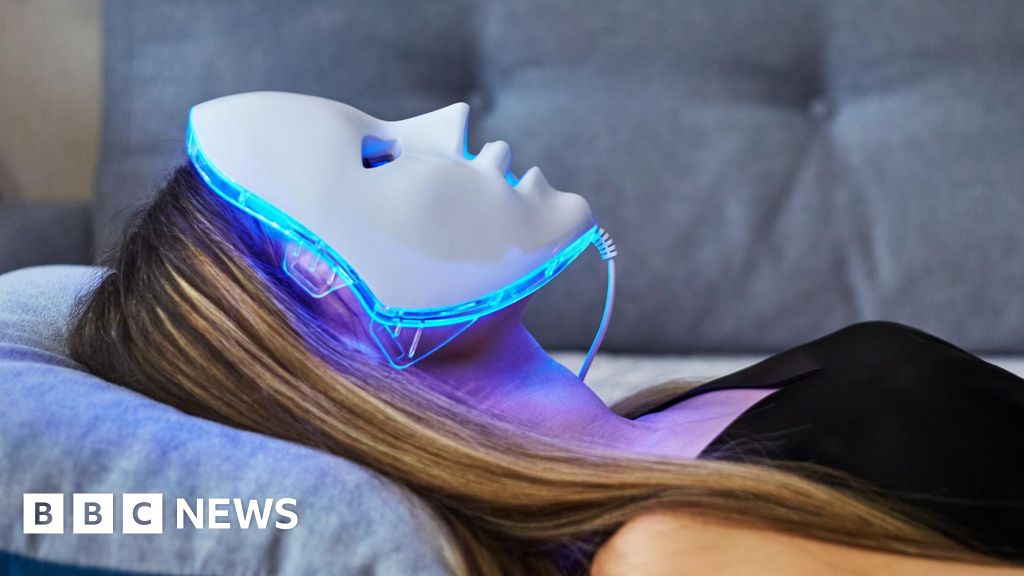
The Truth About LED Masks: What You Need to Know for Your Skin Health
As someone who has always been passionate about skincare, I’m constantly exploring the latest trends in beauty technology. Recently, my social media feeds have been overflowing with influencers raving about LED face masks and their purported skin benefits. At first glance, these high-tech devices seem like game-changers for our skincare routines—promising to tackle issues from acne to rosacea with just a few minutes of use each day. However, the recent ban on certain adverts promoting these masks has made me pause and reflect on how we navigate the delicate balance between effective skin health solutions and exaggerated marketing claims.
The Rise of LED Masks
We’ve all seen those stunning before-and-after photos online where clear, glowing skin emerges after just a few uses of an LED mask. I mean, who wouldn’t want that? These masks have surged in popularity as at-home beauty devices, frequently showcased by influencers unboxing them during morning rituals or glowing reviews on Instagram. It’s tempting to want instant results without stepping foot into a clinic—trust me; I used to believe that quick fixes were the key to flawless skin.
Still, amid the allure lies some ambiguity—what does science say about these gadgets? While some dermatologists argue that light-emitting diodes (LEDs) can indeed nourish our skin cells and encourage healing over time, others caution against using these devices as replacements for professional treatments. The reality is that many LED masks available today are not registered with regulatory bodies like the Medicines and Healthcare products Regulatory Agency (MHRA), which means they cannot legally claim any medical benefits.
The Advertising Ban: A Wake-Up Call
I was taken aback when I learned that several advertisements for LED masks have been banned for making unauthorized claims about treating medical conditions such as acne and rosacea. The advertising watchdog took action after deploying AI tools to scrutinize promotional content that could potentially mislead consumers—a move I wholeheartedly support. This brings up an important point: while it’s easy to get swept away by persuasive testimonials claiming miraculous transformations, we must approach such proclamations with skepticism.
For example, one particular ad caught my attention—a stunning image showcasing a woman whose acne had reportedly vanished within three weeks of using a specific brand’s advanced LED mask. However, upon investigation by the Advertising Standards Authority (ASA), it became clear that no medical claims could be substantiated based on customer testimonials alone.
“Advertisers must back up their claims with evidence.”
Anecdotes from Real Life
I remember my own journey wanting radiant skin through quick-fix products rather than processes backed by solid research. There was this one time when I jumped onto an overnight trend involving “miracle serums” only to find my face breaking out worse than before! It taught me a valuable lesson: true skincare requires patience and often involves trial and error—and yes, understanding what works best for your unique skin type is essential.
In light of recent events surrounding misleading ads in the LED mask market, I’ve also become more mindful of how easily we can fall into believing what we see online—instinctively trusting beautiful imagery over scientific backing can lead us astray. If you’re considering diving into this technological realm of skincare gadgets—exercise caution!
The Fine Line Between Cosmetic Claims and Medical Evidence
As we navigate through all this information regarding skincare trends, it’s crucial we don’t confuse cosmetic benefits with genuine medical claims without supporting evidence from reputable sources or clinical trials. For instance, dermatologists emphasize there haven’t been substantial clinical studies verifying at-home LEDs’ effectiveness compared to professional treatments utilized in dermatology offices.
This distinction becomes particularly relevant when companies highlight results showcasing improvements in tricky conditions like acne—the truth is quite often much grayer than marketing materials make it seem! So next time you see an ad boasting crazy results backed by glamorous testimonials or pretty faces using flashy devices; take a moment to reflect—is there scientific proof behind what they’re selling?
Navigating Your Skincare Journey
When evaluating which products deserve space on your bathroom shelf—or even simply scrolling through social media think pieces—it helps immensely if you’re grounded in realistic expectations related specifically tailored towards your individual needs rather than getting swept away by sensationalized promises found across ads promising “instant” success stories!
If you’ve ever tried something new—and felt disappointed after weeks spent testing out said solution—you’re not alone! Embrace both successes alongside failures throughout this journey because they offer invaluable insights allowing us greater understanding moving forward into even better choices ahead!
The conversation around safety versus efficacy continues as brands work toward achieving compliance while providing effective solutions rooted within legitimate science instead hollow marketing strategies merely enticing audiences seeking quick fixes without doing proper groundwork beforehand; ultimately improving trust between consumers producers alike along way forward together!
A Thoughtful Conclusion
At its core the relationship we cultivate towards our own skins ought remain steadfastly honest—accepting imperfections yet striving toward healthy support woven intricately emotional well-being stemming beyond mere aesthetics alone! Ultimately let’s nurture connections formed around self-care practices embodying compassion authentic living amidst ever-evolving world encompassing beauty standards perpetually shaped by societal influences felt daily whether visible tangible forms experienced personally realized privately!
No direct sources discussed.
Written for Aging Decoded – The Future of Health News, One Story at a Time.