


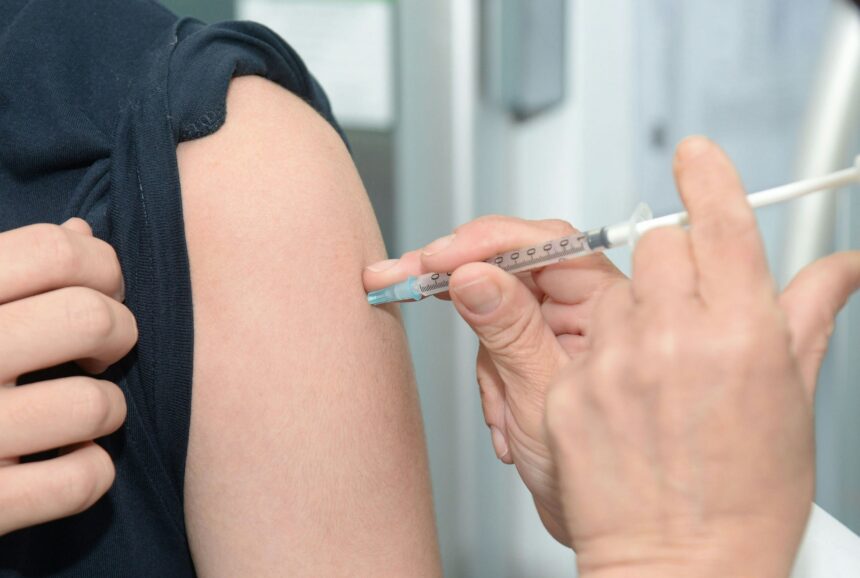
As we age, our immune systems naturally weaken, making us more susceptible to various infections and diseases. This decline in immune function underscores the importance of vaccines for older adults. Vaccination serves as a proactive measure to bolster our defenses against illnesses that can lead to severe complications or even hospitalization. By receiving recommended vaccines, older adults can significantly reduce their risk of contracting preventable diseases, thereby enhancing their overall health and quality of life.
Moreover, vaccines not only protect individuals but also contribute to community health. When a significant portion of the population is vaccinated, it creates herd immunity, which helps shield those who may be unable to receive vaccines due to medical conditions. This collective protection is particularly vital for older adults, who may have chronic health issues that put them at greater risk. Therefore, staying up-to-date with vaccinations is a crucial aspect of preventive healthcare for older adults, ensuring they remain healthy and active in their later years.
As older adults navigate the complexities of health management, staying informed about vaccine recommendations is crucial for maintaining their well-being. A related article that explores the importance of early detection of heart disease risk through biomarker testing can provide valuable insights into preventive health measures for this demographic. For more information, you can read the article here: Early Detection of Heart Disease Risk Through Biomarker Testing.
Common Vaccines Recommended for Older Adults
Several vaccines are particularly recommended for older adults to help prevent serious health issues. These include the influenza vaccine, pneumococcal vaccine, shingles vaccine, Tdap vaccine, hepatitis B vaccine, and the COVID-19 vaccine. Each of these vaccines targets specific diseases that can have severe consequences for older individuals. By understanding the importance of these vaccines, older adults can make informed decisions about their health and well-being.
In addition to protecting against specific diseases, these vaccines can also help reduce healthcare costs associated with treating preventable illnesses. Hospitalizations due to vaccine-preventable diseases can be both financially burdensome and emotionally taxing for individuals and their families. By prioritizing vaccination, older adults can not only safeguard their health but also contribute to a more sustainable healthcare system.
Influenza Vaccine

The influenza vaccine is one of the most critical vaccinations for older adults. Seasonal flu can lead to severe complications, including pneumonia and exacerbation of chronic conditions such as heart disease and diabetes. Older adults are at a higher risk of experiencing these complications due to their weakened immune systems. By receiving the flu vaccine annually, older adults can significantly reduce their chances of contracting the virus and experiencing severe illness.
In addition to personal health benefits, getting vaccinated against influenza helps protect those around you. Older adults often interact with family members, caregivers, and other vulnerable populations. By being vaccinated, they reduce the risk of spreading the virus to others who may be more susceptible to severe illness. This communal aspect of vaccination highlights the importance of flu shots not just for individual health but for public health as well.
Pneumococcal Vaccine

The pneumococcal vaccine is another essential immunization for older adults, as it protects against pneumonia caused by Streptococcus pneumoniae bacteria. Pneumonia can be particularly dangerous for older individuals, leading to hospitalization and even death in some cases. The pneumococcal vaccine helps prevent this serious infection and is especially important for those with underlying health conditions such as asthma or heart disease.
There are two types of pneumococcal vaccines: PCV13 and PPSV23. Depending on individual health factors and previous vaccination history, older adults may need one or both types of these vaccines. Consulting with a healthcare provider can help determine the most appropriate vaccination strategy based on personal health needs and risks.
As healthcare professionals continue to emphasize the importance of vaccine recommendations for older adults, it is essential to consider how nutrition can also play a vital role in their overall health. A recent article highlights the benefits of a protein-packed quinoa breakfast bowl, which can provide the necessary nutrients to support immune function and energy levels in seniors. For more information on how a balanced diet can complement vaccination efforts, you can read the article here.
Shingles Vaccine
| Vaccine | Recommendation |
|---|---|
| Flu vaccine | Annual vaccination is recommended for all adults aged 65 years and older. |
| Pneumococcal vaccine | Adults aged 65 years and older should receive both the pneumococcal conjugate vaccine (PCV13) and the pneumococcal polysaccharide vaccine (PPSV23). |
| Shingles vaccine | The shingles vaccine is recommended for adults aged 50 years and older to prevent shingles and its complications. |
Shingles is a painful condition caused by the reactivation of the varicella-zoster virus, which also causes chickenpox. The risk of developing shingles increases with age, making the shingles vaccine an important consideration for older adults. The vaccine not only reduces the likelihood of developing shingles but also lessens the severity of symptoms if the disease does occur.
Receiving the shingles vaccine can significantly improve an older adult’s quality of life by preventing the debilitating pain associated with shingles and its potential complications, such as postherpetic neuralgia. This chronic pain condition can linger long after the shingles rash has healed, making vaccination a proactive step toward maintaining overall well-being in later years.
As vaccine recommendations for older adults continue to evolve, it is essential to stay informed about the latest guidelines and research. A related article that provides valuable insights on this topic can be found at Aging Decoded, where you can explore various aspects of health and wellness for seniors. Staying updated on vaccine information is crucial for ensuring the well-being of older populations, especially as new variants and health challenges emerge.
Tetanus, Diphtheria, and Pertussis (Tdap) Vaccine
The Tdap vaccine protects against three serious diseases: tetanus, diphtheria, and pertussis (whooping cough). While these diseases may seem less common today due to widespread vaccination efforts, they can still pose significant risks, especially for older adults. Tetanus can lead to severe muscle spasms and complications that may require hospitalization, while diphtheria and pertussis can cause respiratory issues that are particularly dangerous for those with weakened immune systems.
Older adults should receive a Tdap booster every ten years to maintain immunity against these diseases. This vaccination is especially important if they are in close contact with infants or young children who may be more vulnerable to pertussis. By staying current with Tdap vaccinations, older adults can protect themselves and those around them from these preventable diseases.
Hepatitis B Vaccine
Hepatitis B is a viral infection that affects the liver and can lead to chronic liver disease or liver cancer over time. Older adults are at increased risk for complications from hepatitis B due to age-related changes in liver function and potential coexisting health conditions. The hepatitis B vaccine is highly effective in preventing infection and is particularly recommended for those who may be at higher risk due to lifestyle factors or occupational exposure.
Receiving the hepatitis B vaccine not only protects individual health but also contributes to reducing the overall prevalence of the virus in the community. For older adults who may have missed vaccination in their younger years or who are unsure of their vaccination status, discussing hepatitis B vaccination with a healthcare provider is an important step toward safeguarding their liver health.
COVID-19 Vaccine
The COVID-19 pandemic has highlighted the importance of vaccinations in protecting public health. Older adults are among the most vulnerable populations when it comes to severe illness from COVID-19. The COVID-19 vaccine has proven effective in reducing the risk of hospitalization and death from the virus, making it a crucial component of preventive healthcare for older individuals.
In addition to protecting themselves from COVID-19, older adults who receive the vaccine help contribute to community immunity. As more people become vaccinated, the spread of the virus decreases, ultimately protecting those who cannot be vaccinated due to medical reasons. Staying informed about booster shots and updated vaccines is essential as new variants emerge, ensuring that older adults remain protected against this evolving threat.
Vaccine Safety and Side Effects for Older Adults
Concerns about vaccine safety are common among older adults; however, extensive research has shown that vaccines are generally safe and well-tolerated in this population. While some individuals may experience mild side effects such as soreness at the injection site or low-grade fever, these reactions are typically short-lived and indicate that the body is building immunity.
It is essential for older adults to discuss any concerns about vaccines with their healthcare provider. Providers can offer personalized information about potential side effects based on individual health history and current medications. Understanding that serious side effects are rare can help alleviate fears and encourage older adults to prioritize vaccinations as part of their overall health strategy.
Vaccine Schedule for Older Adults
While there is no one-size-fits-all schedule for vaccinations in older adults, certain guidelines can help inform decisions about which vaccines may be appropriate based on age and health status. Generally, it is recommended that older adults receive annual flu shots, pneumococcal vaccines based on individual risk factors, shingles vaccines starting at age 50 or 60, Tdap boosters every ten years, hepatitis B vaccines if at risk, and COVID-19 vaccines as recommended by public health authorities.
It is crucial for older adults to work closely with their healthcare providers to develop a personalized vaccination schedule that takes into account their unique health needs and lifestyle factors. Regular check-ups provide an opportunity to review vaccination history and ensure that all necessary immunizations are up-to-date.
Accessing Vaccines for Older Adults
Accessing vaccines should be straightforward for older adults; however, barriers such as transportation issues or lack of information can sometimes pose challenges. Many healthcare providers offer vaccinations during routine appointments or have dedicated clinics for immunizations. Additionally, community health organizations often provide resources and information about where to obtain vaccines.
Older adults should not hesitate to reach out to their healthcare providers or local health departments for assistance in finding vaccination sites or understanding available options. Many pharmacies also offer convenient access to vaccines without requiring an appointment. By taking proactive steps to access vaccinations, older adults can protect themselves from preventable diseases and maintain their health as they age.
In conclusion, staying informed about vaccinations is essential for older adults looking to enhance their health and well-being as they age. By understanding the importance of various vaccines and working closely with healthcare providers to develop personalized vaccination plans, older individuals can take significant steps toward preventing serious illnesses and enjoying a healthier life in their later years.
FAQs
What are the vaccine recommendations for older adults?
Vaccine recommendations for older adults include the annual flu vaccine, the shingles vaccine, the pneumococcal vaccine, and the Tdap vaccine.
Why are these vaccines recommended for older adults?
Older adults are at higher risk for certain diseases and complications, so these vaccines are recommended to help protect them from serious illness and potential complications.
Are there any specific considerations for older adults when it comes to vaccines?
Yes, older adults may have weakened immune systems and may need different vaccine schedules or types of vaccines compared to younger adults. It’s important for healthcare providers to consider these factors when recommending vaccines for older adults.
What are the potential side effects of these vaccines for older adults?
Common side effects of vaccines for older adults may include soreness at the injection site, mild fever, and fatigue. Serious side effects are rare but can occur.
Where can older adults receive these recommended vaccines?
Older adults can receive recommended vaccines at their doctor’s office, local pharmacies, and community health clinics. Many vaccines are also covered by Medicare and other insurance plans.