


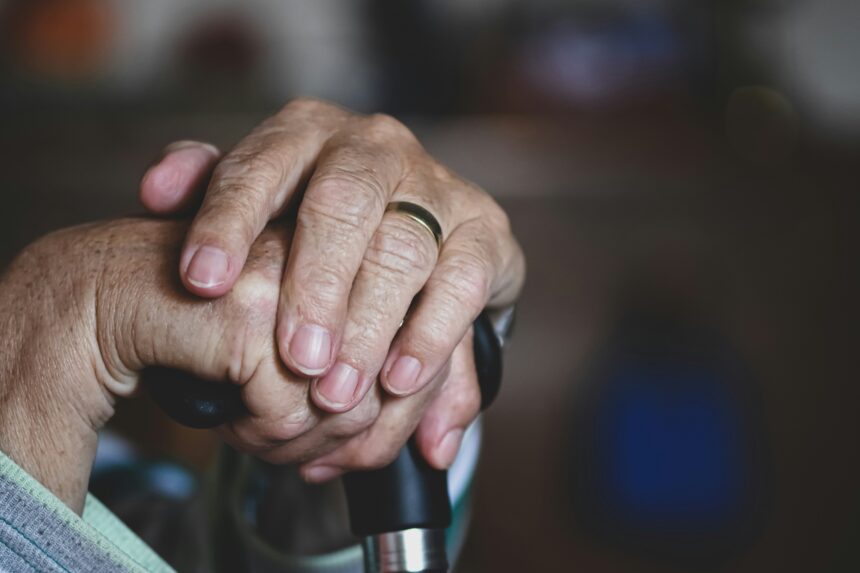
As we age, the risk of falls increases significantly, making it essential to understand the various factors that contribute to this risk. Falls can lead to serious injuries, including fractures and head trauma, which can have lasting effects on mobility and independence. Several intrinsic factors, such as muscle weakness, balance issues, and chronic health conditions like arthritis or neurological disorders, can heighten the likelihood of falling. Additionally, cognitive impairments, such as dementia or confusion, can further complicate an individual’s ability to navigate their environment safely.
Extrinsic factors also play a crucial role in fall risk. These include environmental hazards like uneven flooring, poor lighting, and cluttered walkways. Medications that cause dizziness or drowsiness can also increase the risk of falls. Understanding these risk factors is the first step in developing a comprehensive strategy to prevent falls and maintain safety as we age. By identifying both intrinsic and extrinsic elements, individuals and caregivers can take proactive measures to mitigate these risks effectively.
Fall prevention is a critical concern for older adults, as falls can lead to serious injuries and a decline in overall health. A related article discusses the impact of lifestyle choices on health outcomes, highlighting how younger populations in India are facing rising cancer rates due to poor lifestyle decisions. This serves as a reminder that maintaining a healthy lifestyle is essential at any age to prevent various health issues, including falls. For more insights, you can read the article here: Young Indians Face Rising Cancer Rates Due to Lifestyle Choices.
Creating a Safe Environment at Home
Creating a safe living environment is paramount in reducing the risk of falls among older adults. Simple modifications can make a significant difference in enhancing safety at home. For instance, ensuring that all areas of the home are well-lit can help prevent accidents caused by poor visibility. Installing grab bars in bathrooms, securing rugs with non-slip backing, and removing clutter from walkways are practical steps that can be taken to create a safer space. Additionally, keeping frequently used items within easy reach can minimize the need for stretching or climbing, which can lead to falls.
Another important aspect of home safety is ensuring that furniture is arranged in a way that allows for easy navigation. Clear pathways and adequate space for movement can help prevent trips and falls. It’s also beneficial to conduct regular safety assessments of the home environment to identify potential hazards that may arise over time. By taking these proactive measures, individuals can significantly reduce their risk of falling and maintain their independence for longer.
Encouraging Regular Exercise and Physical Activity

Regular exercise is one of the most effective ways to prevent falls and promote overall health as we age. Engaging in physical activity helps improve strength, balance, and coordination, all of which are critical in reducing fall risk. Activities such as walking, tai chi, and strength training can enhance muscle tone and stability, making it easier to navigate daily tasks without the fear of falling. Moreover, exercise has the added benefit of improving cardiovascular health and mental well-being, contributing to a higher quality of life.
Encouraging older adults to participate in group exercise classes or community programs can also foster social connections, which are vital for emotional health. These classes often provide a supportive environment where individuals can learn new skills while staying active. It’s important to tailor exercise programs to individual abilities and preferences, ensuring that they remain enjoyable and sustainable. By prioritizing regular physical activity, older adults can build resilience against falls while enhancing their overall health.
Reviewing Medications with a Healthcare Professional

Medication management is a critical component of fall prevention for older adults. Many medications can have side effects that increase the risk of falls, such as dizziness or drowsiness. Therefore, it is essential for individuals to regularly review their medications with a healthcare professional. This review should include not only prescription medications but also over-the-counter drugs and supplements. A clinician can help identify any medications that may pose a risk and suggest alternatives or adjustments as needed.
In addition to reviewing current medications, it’s important to discuss any new symptoms or changes in health status with a healthcare provider. This ongoing dialogue ensures that medication regimens remain appropriate and effective as individuals age. By actively managing medications and understanding their potential side effects, older adults can significantly reduce their risk of falls while maintaining their overall health.
Fall prevention is a crucial aspect of maintaining the health and independence of older adults, and incorporating strength training into their routine can significantly enhance mobility. For those interested in exploring effective strategies to improve physical stability, a related article discusses various strength training techniques specifically designed for individuals over 50. You can read more about these strategies by visiting this informative resource. By focusing on strength and balance, older adults can reduce their risk of falls and enjoy a more active lifestyle.
Ensuring Proper Vision and Hearing
| Metrics | Data |
|---|---|
| Number of falls in older adults | 3 million older adults treated in emergency departments for fall injuries each year |
| Cost of fall-related injuries | 50 billion annually |
| Common causes of falls | Poor balance, lack of strength, vision problems, medication side effects |
| Preventive measures | Exercise, home safety modifications, regular vision check-ups, medication review |
Vision and hearing play crucial roles in maintaining balance and spatial awareness, making regular check-ups essential for older adults. Changes in vision, such as cataracts or macular degeneration, can impair depth perception and increase the likelihood of falls. Similarly, hearing loss can affect an individual’s ability to detect environmental cues that signal potential hazards. Regular eye exams and hearing assessments are vital in identifying issues early on and ensuring that appropriate interventions are made.
If vision or hearing impairments are detected, corrective measures such as glasses or hearing aids should be utilized consistently. Additionally, individuals should be encouraged to keep their eyeglass prescriptions up-to-date and to wear their hearing aids in social situations where communication is essential. By prioritizing sensory health, older adults can enhance their ability to navigate their environments safely and confidently.
Using Assistive Devices and Equipment
Assistive devices can be invaluable tools for enhancing safety and mobility among older adults. Items such as canes, walkers, or grab bars provide additional support and stability when moving around the home or community. It’s important for individuals to work with healthcare professionals to determine which devices are most appropriate for their needs. Proper training on how to use these devices effectively is also crucial; improper use can lead to accidents rather than prevent them.
In addition to mobility aids, other assistive technologies such as alert systems or fall detection devices can provide peace of mind for both individuals and their caregivers. These devices can alert emergency services if a fall occurs, ensuring prompt assistance when needed. By incorporating assistive devices into daily life, older adults can maintain their independence while reducing the risk of falls.
Practicing Good Foot Care
Foot health is often overlooked but plays a significant role in preventing falls among older adults. Conditions such as bunions, corns, or neuropathy can affect balance and mobility. Regular foot care practices—such as keeping feet clean and dry, trimming toenails properly, and wearing well-fitting shoes—are essential for maintaining foot health. It’s also advisable for individuals to consult with a podiatrist if they experience any foot pain or discomfort.
Choosing appropriate footwear is equally important; shoes should provide adequate support and traction to prevent slips and falls. Avoiding high heels or slippery soles can make a significant difference in stability while walking. By prioritizing foot care and selecting suitable footwear, older adults can enhance their balance and reduce their risk of falling.
Maintaining a Healthy Diet and Adequate Nutrition
Nutrition plays a vital role in overall health and well-being as we age. A balanced diet rich in essential nutrients supports muscle strength, bone density, and cognitive function—all critical factors in fall prevention. Consuming adequate amounts of calcium and vitamin D is particularly important for maintaining bone health and reducing the risk of osteoporosis-related fractures. Additionally, staying hydrated is crucial for overall health; dehydration can lead to dizziness and confusion.
Encouraging older adults to adopt a diet that includes plenty of fruits, vegetables, whole grains, lean proteins, and healthy fats can help them maintain optimal health. Meal planning and preparation can also be beneficial; involving family members or caregivers in this process ensures that nutritional needs are met while fostering social connections around food. By prioritizing nutrition, older adults can support their physical health and reduce their risk of falls.
Educating Family Members and Caregivers
Family members and caregivers play an essential role in supporting older adults’ safety and well-being. Educating them about fall risks and prevention strategies is crucial for creating a supportive environment. This education should include information on recognizing potential hazards at home, understanding the importance of regular exercise, and being aware of medication side effects that may increase fall risk.
Encouraging open communication between older adults and their caregivers fosters an environment where concerns about safety can be addressed proactively. Caregivers should be trained on how to assist with mobility safely and how to respond in case of a fall or emergency situation. By working together as a team, families can create a safer living environment that promotes independence while minimizing fall risks.
Seeking Regular Check-ups and Screenings
Regular check-ups with healthcare professionals are vital for maintaining health as we age. These visits provide opportunities for early detection of potential health issues that could increase fall risk, such as vision problems or medication side effects. During these appointments, individuals should discuss any concerns they have regarding balance or mobility with their healthcare provider.
Screenings for conditions like osteoporosis or cardiovascular health are also important components of preventive care for older adults. Blood tests that assess cholesterol levels or blood sugar levels (A1c) can help identify risks for chronic diseases that may contribute to falls indirectly through fatigue or weakness. By prioritizing regular check-ups and screenings tailored to individual needs, older adults can take proactive steps toward maintaining their health and reducing fall risks.
Developing a Plan for Emergency Situations
Despite all preventive measures taken, emergencies may still occur; therefore, having a plan in place is essential for older adults living independently or with caregivers. This plan should include clear steps on what to do in case of a fall or other emergencies—such as having emergency contacts readily available or knowing how to use alert systems if they are installed.
Additionally, practicing emergency response drills with family members or caregivers can help ensure everyone knows how to react calmly during an actual emergency situation. This preparation not only enhances safety but also provides peace of mind for both older adults and their loved ones. By developing a comprehensive emergency plan, individuals can feel more secure in their living environments while minimizing the impact of unforeseen events on their well-being.
In conclusion, preventing falls among older adults requires a multifaceted approach that encompasses understanding risk factors, creating safe environments, encouraging physical activity, managing medications effectively, ensuring sensory health, utilizing assistive devices, practicing good foot care, maintaining proper nutrition, educating caregivers, seeking regular check-ups, and developing emergency plans. By taking these proactive steps together with healthcare professionals tailored to individual needs, older adults can significantly reduce their risk of falls while enhancing their overall quality of life as they age gracefully.
FAQs
What are the common risk factors for falls in older adults?
Common risk factors for falls in older adults include muscle weakness, balance and gait problems, vision changes, medication side effects, and environmental hazards.
What are some strategies for preventing falls in older adults?
Some strategies for preventing falls in older adults include regular exercise to improve strength and balance, reviewing and adjusting medications with a healthcare provider, getting regular vision check-ups, and making home modifications to reduce hazards.
What are some exercises that can help prevent falls in older adults?
Exercises that can help prevent falls in older adults include strength training, balance exercises, and activities that improve flexibility and coordination. Tai chi and yoga are also beneficial for improving balance and reducing the risk of falls.
How can healthcare providers help in fall prevention for older adults?
Healthcare providers can help in fall prevention for older adults by conducting fall risk assessments, reviewing medications for potential side effects, providing referrals for physical therapy or other interventions, and educating patients about fall prevention strategies.
What are some common environmental hazards that can contribute to falls in older adults?
Common environmental hazards that can contribute to falls in older adults include poor lighting, loose rugs or clutter, uneven or slippery surfaces, and lack of handrails or grab bars in bathrooms.