


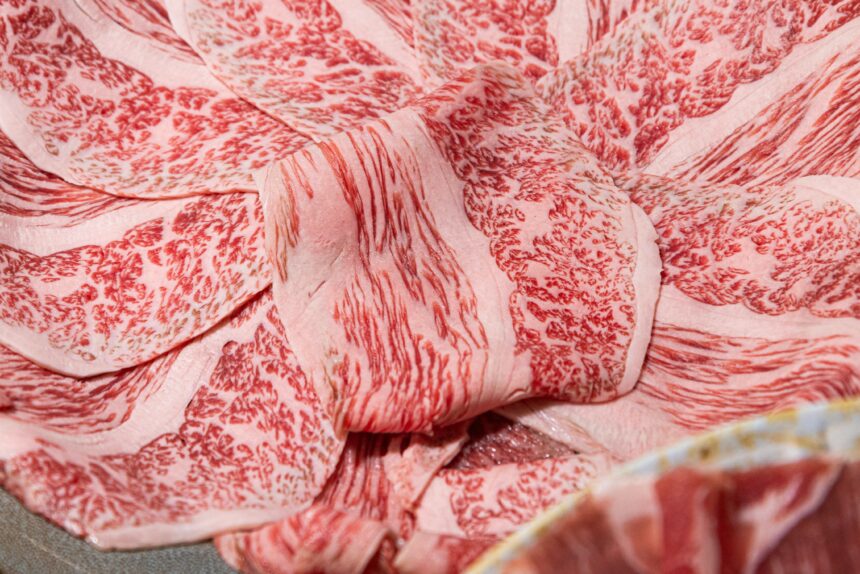
Within the realm of nutrition and longevity, the question of red meat’s role in a long and healthy life is a frequent topic of debate. For decades, dietary guidelines have often suggested limiting red meat intake due to concerns about saturated fat, cholesterol, and links to chronic diseases. However, recent research has begun to shed new light on this complex relationship, offering more nuanced perspectives on red meat, its various forms, and its potential impact on lifespan. This article, for AgingDecoded.com’s “Nutrition & Longevity Diet” category, dives into these new findings, providing a science-aware yet accessible explanation for those seeking to optimize their diet for healthy aging.
For many years, the primary concern surrounding red meat consumption centered on its fat content, particularly saturated fat. High intake of saturated fat has been linked to elevated LDL (“bad”) cholesterol levels, which in turn is a risk factor for cardiovascular disease. Processed red meats, such as bacon, sausage, and deli meats, have faced even greater scrutiny due to their high sodium content, nitrates, and other additives, all of which are independently associated with increased risks of heart disease, type 2 diabetes, and certain cancers.
Epidemiological studies, which observe patterns of disease in populations, have frequently shown correlations between higher red meat consumption and increased mortality from cardiovascular disease and some cancers. These studies often formed the basis for recommendations to reduce red meat intake. However, these correlations don’t always equate to causation, and it can be difficult to isolate the effects of red meat from other lifestyle factors often associated with its consumption, such as lower intake of fruits and vegetables, less physical activity, and higher intake of other processed foods.
Recent research has highlighted the potential impact of red meat consumption on lifespan, suggesting that high intake may be linked to various health risks. For those interested in exploring dietary factors that could promote longevity, an intriguing article discusses the benefits of blueberries, which are rich in antioxidants and have been associated with improved health outcomes. You can read more about this topic in the article found here: Blueberries and Longevity.
Dissecting “Red Meat”: A Nuanced Perspective
The term “red meat” itself is broad and encompasses a wide range of products, from a lean sirloin steak to a highly processed hot dog. New research emphasizes the critical distinction between different types of red meat.
Unprocessed vs. Processed Red Meat
One of the most significant shifts in understanding is the clear differentiation between unprocessed (fresh, minimally altered) red meat and processed red meat.
- Unprocessed Red Meat: This category includes fresh cuts of beef, pork, lamb, and goat. When consumed in moderation and as part of a balanced diet, often with plenty of vegetables, the health risks associated with unprocessed red meat appear to be considerably lower than those linked to processed varieties. Some studies even suggest that in the context of an otherwise healthy diet, moderate consumption of lean, unprocessed red meat may not be detrimental and can contribute valuable nutrients.
- Processed Red Meat: This category includes items like bacon, sausage, hot dogs, deli meats, and cured meats. These products often undergo processes like curing, salting, smoking, or adding preservatives to enhance flavor and shelf life. It is the additives and processing methods, rather than the red meat itself, that are increasingly implicated in negative health outcomes. High sodium content, nitrites and nitrates (which can form carcinogenic compounds in the body), and high levels of saturated fat and cholesterol are common in processed red meats and strongly linked to increased risks of cardiovascular disease, type 2 diabetes, and colorectal cancer.
The Nutritional Value of Red Meat
Despite the historical concerns, unprocessed red meat is a nutrient-dense food.
- High-Quality Protein: Red meat is an excellent source of complete protein, providing all nine essential amino acids necessary for muscle repair, growth, and a multitude of bodily functions. This is particularly relevant for older adults, as discussed later, who have higher protein needs to combat sarcopenia (age-related muscle loss).
- Essential Micronutrients: Red meat is a rich source of bioavailable iron (heme iron), which is crucial for preventing iron-deficiency anemia, especially common in women of childbearing age and older adults. It also provides significant amounts of zinc, essential for immune function and wound healing; vitamin B12, vital for nerve function and red blood cell formation; and other B vitamins like niacin, riboflavin, and B6, which play key roles in energy metabolism. These nutrients are particularly important for maintaining energy levels and cognitive function as we age.
Red Meat and Longevity: New Research Insights

Recent meta-analyses and large prospective cohort studies are providing a more nuanced picture of red meat’s role in lifespan.
Re-evaluating the Evidence: Causation vs. Correlation
Many of the earlier studies linking red meat to negative health outcomes were observational and prone to confounding factors. People who eat a lot of red meat might also engage in other unhealthy behaviors. Newer research attempts to control for these confounding factors more rigorously.
- The “Healthy User” Bias: This refers to the phenomenon where individuals who are more health-conscious tend to avoid red meat, while those with less healthy lifestyles might consume more. This bias can make it seem like red meat itself is the problem, when it’s part of a broader unhealthy dietary pattern. Researchers are now employing more sophisticated statistical models to account for these biases.
- Specific Studies and Findings:
- A landmark 2019 meta-analysis published in the Annals of Internal Medicine, conducted by the NutriRECS consortium, concluded that reducing red meat or processed meat intake likely has little or no effect on the risk of heart disease, cancer, or all-cause mortality over a lifetime. This controversial conclusion was based on applying a rigorous GRADE (Grading of Recommendations Assessment, Development and Evaluation) approach to existing studies, highlighting the low certainty of evidence for many previous recommendations.
- Another systematic review and meta-analysis published in the journal Nutrients in 2021 further explored the relationship between unprocessed red meat and chronic diseases. It concluded that there is insufficient evidence to support a strong causal link between unprocessed red meat consumption and increased risk of cardiovascular disease, type 2 diabetes, or certain cancers, especially when consumed in moderation and as part of a healthy dietary pattern.
Beyond the Meat: Diet Quality and Preparation Methods
The context in which red meat is consumed, and how it is prepared, are emerging as crucial factors.
- Dietary Pattern is Key: The overall quality of one’s diet appears to be far more important for longevity than the presence or absence of a single food item like red meat. A diet rich in vegetables, fruits, whole grains, nuts, seeds, and healthy fats, with moderate amounts of lean protein (including unprocessed red meat if desired), is consistently linked to better health outcomes and increased lifespan. In such a context, unprocessed red meat may simply be an additional source of nutrients rather than a detrimental factor. This aligns perfectly with the “Nutrition & Longevity Diet” emphasis on a mostly plant-based, Mediterranean-style eating pattern, where red meat, if consumed, would be a minor component.
- Cooking Methods Matter: High-temperature cooking methods like grilling, frying, and broiling can create heterocyclic amines (HCAs) and polycyclic aromatic hydrocarbons (PAHs), compounds that have been linked to cancer risk. Marinating meat, using lower cooking temperatures, and avoiding charring can help reduce the formation of these potentially harmful compounds.
Red Meat in a Longevity Context: Practical Considerations

Given the evolving understanding, how does red meat fit into a diet aimed at healthy aging and longevity?
Protein Needs in Midlife and Beyond
As individuals age, protein requirements generally increase to counteract sarcopenia. Muscle mass naturally declines by about 3-8% per decade after the age of 30, and this rate of decline accelerates after 60. Sufficient protein intake (around 1.0-1.2 grams per kilogram of body weight per day) is crucial for maintaining muscle mass, strength, and overall functional independence.
- Unprocessed red meat can be a valuable source of high-quality protein to meet these increased needs, especially for those who may struggle to get enough protein from plant-based sources alone or who find plant proteins less appealing.
- However, it’s important to remember that protein can also be abundantly sourced from fish, poultry, eggs, dairy, and a wide variety of plant-based options like legumes, nuts, and seeds, which are staples of a longevity diet.
Anti-inflammatory Eating and Red Meat
Chronic low-grade inflammation is a hallmark of aging and a contributing factor to many age-related diseases. While some studies have suggested a link between very high red meat consumption and increased inflammatory markers, the picture is complex.
- An anti-inflammatory diet generally emphasizes fruits, vegetables, whole grains, healthy fats (like olive oil), and lean protein sources. In this context, moderate consumption of lean, unprocessed red meat is unlikely to significantly contribute to systemic inflammation, especially compared to the high inflammatory potential of processed foods, refined sugars, and unhealthy fats.
- The preparation method is again a factor; opting for stewing, roasting, or slow cooking rather than charring can reduce potential pro-inflammatory compounds.
Gut Health and the Microbiome
The gut microbiome plays a pivotal role in overall health and longevity. Diet profoundly influences its composition.
- While a truly plant-forward diet with a diverse range of fibers is supreme for gut health, the impact of moderate unprocessed red meat on the microbiome is less clear. Some research suggests that diets very high in red meat can lead to an increase in certain gut bacteria that produce metabolites like TMAO (trimethylamine-N-oxide), which has been controversially linked to cardiovascular disease.
- However, it’s the overall dietary pattern that orchestrates the most significant changes in the gut microbiome. When unprocessed red meat is consumed alongside a rich variety of plant foods – fiber from vegetables, fruits, whole grains, and legumes – the beneficial effects of these plant foods on gut diversity and function likely outweigh any potential negative impacts from the meat itself.
Calorie Density and Red Meat
Red meat can be calorie-dense, particularly fattier cuts. This isn’t inherently negative, but it requires mindful portion control, especially for individuals aiming for weight management.
- A longevity diet emphasizes nutrient density over pure calorie restriction. While extreme calorie restriction is not promoted, maintaining a healthy weight is crucial for longevity.
- Leaner cuts of unprocessed red meat, consumed in appropriate portions, can provide significant satiety due to their protein and fat content, potentially helping to regulate overall calorie intake by reducing hunger between meals.
Recent studies have highlighted the impact of red meat consumption on lifespan, suggesting that a diet high in red meat may be linked to various health risks. For those interested in exploring how technology is transforming health management and decision-making in relation to dietary choices, a fascinating article discusses how digital health platforms are redefining clinical decision support. You can read more about this innovative approach to health at this link. Understanding these advancements can provide valuable insights into making informed dietary decisions that could potentially enhance longevity.
Conclusion: A Balanced Perspective for Longevity
| Study | Findings |
|---|---|
| Harvard School of Public Health | Increased consumption of red meat is associated with a higher risk of total mortality, cardiovascular mortality, and cancer mortality. |
| National Cancer Institute | Consumption of red and processed meat is associated with an increased risk of mortality from all causes, including cardiovascular disease and cancer. |
| European Prospective Investigation into Cancer and Nutrition | Higher intake of red and processed meat is associated with a higher risk of all-cause mortality and death due to cardiovascular diseases and cancer. |
The latest research indicates that a blanket prohibition on red meat for longevity may be an oversimplification. While excessive consumption of processed red meats remains a clear concern, the role of unprocessed red meat is far more nuanced.
For individuals over 40 seeking to optimize their diet for longevity, the key takeaway is that overall dietary pattern reigns supreme. A largely plant-based, Mediterranean-style approach, rich in colorful vegetables, fruits, whole grains, legumes, nuts, and seeds, forms the bedrock of a longevity diet. Within this framework, moderate consumption of lean, unprocessed red meat (a few times a week, in appropriate portions) can be an acceptable and even beneficial component, providing valuable nutrients like high-quality protein, iron, and B vitamins, without necessarily compromising health or lifespan.
The wisdom of Blue Zones and centenarians consistently points to a diet primarily composed of plant foods, often with small amounts of high-quality animal protein (including fish and sometimes lean meats) consumed as a complement, not the centerpiece. This nuanced understanding allows for flexibility and personalization within a robust longevity eating strategy.
How to Eat for Longevity: Realistic Swaps for Over 40
Here are 4-6 realistic food and habit swaps to optimize your diet for healthy aging, incorporating the best of the “Nutrition & Longevity Diet” principles:
- Swap Processed Meat for Pulses (Beans & Lentils): Instead of a processed meat sandwich or hot dog, opt for a hearty lentil soup, a bean salad, or a veggie burger made with black beans. Blue Zones highlight beans as a cornerstone food, packed with fiber, protein, and micronutrients.
- Swap Refined Grains for Whole Grains: Ditch white bread, pasta, and sugary cereals. Choose whole-grain bread, brown rice, quinoa, farro, and oats. These provide sustained energy, fiber for gut health, and essential nutrients, contributing to stable blood sugar and reducing inflammation.
- Swap Unhealthy Fats for Extra Virgin Olive Oil & Nuts/Seeds: Replace butter, margarine, and vegetable oils high in omega-6s with extra virgin olive oil for cooking and dressing. Snack on a handful of nuts (almonds, walnuts) or seeds (chia, flax, pumpkin) instead of chips. These are sources of healthy monounsaturated and polyunsaturated fats, promoting cardiovascular health and reducing inflammation.
- Prioritize Colorful Vegetables and Leafy Greens: Make vegetables the largest portion of your plate at every meal. Include a wide variety, especially leafy greens like spinach, kale, and Swiss chard, which are antioxidant powerhouses. Instead of a side of fries, choose a large mixed green salad or roasted root vegetables.
- Re-evaluate Your Plate Composition: Traditionally, meat was the main event. Shift your perspective. Aim for a plate where 50% is non-starchy vegetables, 25% is whole grains or starchy vegetables (like sweet potatoes!), and 25% is lean protein (fish, legumes, eggs, or a small portion of unprocessed red meat).
- Embrace Mindful Eating & Occasional Longer Eating Windows: Instead of constant snacking, try to establish regular meal times without grazing. Consider extending your overnight fast to 12-14 hours (e.g., finishing dinner by 7 PM and eating breakfast after 7 AM). This gentle form of time-restricted eating can support metabolic health without extreme restriction, allowing the body periods for repair and rejuvenation, a pattern subtly observed in longevity populations.
FAQs
What is the current research on red meat and lifespan?
Recent studies have suggested that consuming high amounts of red meat, particularly processed red meat, may be associated with a higher risk of mortality and a shorter lifespan. However, more research is needed to fully understand the relationship between red meat consumption and lifespan.
How does red meat consumption affect overall health?
Red meat is a good source of protein, iron, and other essential nutrients. However, consuming high amounts of red meat, especially processed red meat, has been linked to an increased risk of chronic diseases such as heart disease, diabetes, and certain types of cancer.
What are the potential factors that may contribute to the link between red meat and lifespan?
Several factors may contribute to the link between red meat consumption and lifespan, including the high saturated fat and cholesterol content in red meat, as well as the presence of compounds formed during cooking processes that may have negative health effects.
What are some alternatives to red meat for a balanced diet?
For those looking to reduce their red meat consumption, there are plenty of alternatives that can provide similar nutrients, such as poultry, fish, eggs, legumes, nuts, and seeds. A balanced diet that includes a variety of protein sources can help ensure adequate nutrient intake.
What are the current dietary guidelines regarding red meat consumption?
Current dietary guidelines recommend consuming red meat in moderation and choosing lean cuts whenever possible. It is also advised to limit the intake of processed red meat, such as bacon, sausage, and deli meats, due to their potential negative impact on health.