


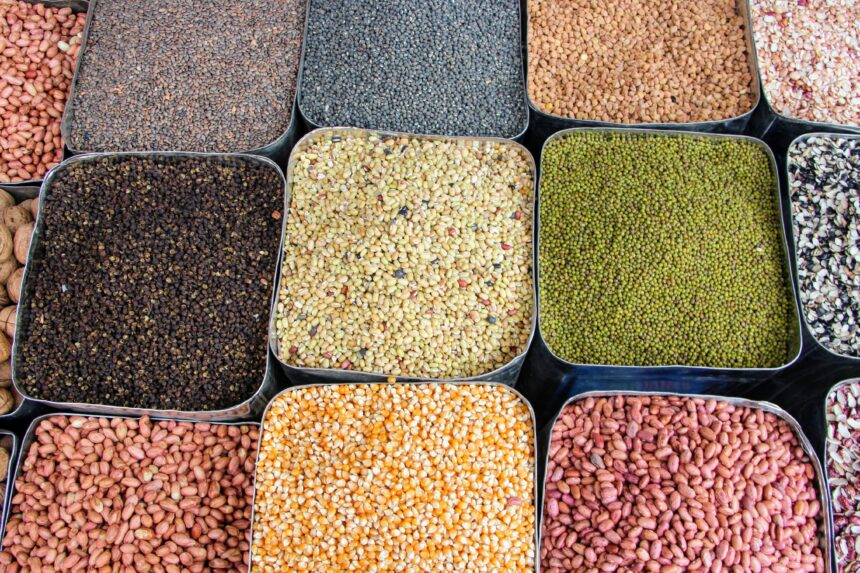
For anyone seeking to unlock the secrets of healthy aging, the “Nutrition & Longevity Diet” category on AgingDecoded.com advocates for a powerful and delicious approach: mostly plant-based, Mediterranean-style eating. This isn’t about deprivation; it’s about embracing a vibrant bounty of nature’s best, a dietary philosophy deeply rooted in the lifestyles of the world’s longest-lived populations.
Imagine a plate overflowing with colorful vegetables, juicy fruits, hearty legumes, wholesome whole grains, crunchy nuts and seeds, and glistening with extra virgin olive oil. This is the foundation. Contrast this with the occasional inclusion of lean fish, and a deliberate minimization of highly processed foods, added sugars, refined carbohydrates, and excessive alcohol. This dietary pattern is a symphony of nutrients working in harmony to support a long, healthy, and fulfilling life.
The Longevity Blueprint: Lessons from Centenarians and Blue Zones
When we look at the remarkable individuals who reach 100 years and beyond – the centenarians – and the geographic regions known as “Blue Zones” (Okinawa, Japan; Sardinia, Italy; Nicoya, Costa Rica; Icaria, Greece; and Loma Linda, California), a striking dietary pattern emerges. Their diets are overwhelmingly plant-centric, with legumes playing a starring role.
- Beans as a Staple: Across all Blue Zones, beans (and other legumes like lentils and chickpeas) are foundational. They’re a primary source of protein, fiber, and micronutrients, often consumed daily.
- Leafy Green Powerhouses: Dark, leafy greens are another common thread, providing essential vitamins, minerals, and potent antioxidants.
- Sweet Potatoes for Sustained Energy: In some Blue Zones, like Okinawa, sweet potatoes are a cornerstone, offering complex carbohydrates and a wealth of vitamins.
- Nuts for Healthy Fats and Fiber: Nuts are regularly enjoyed, contributing healthy fats, fiber, and vital micronutrients.
These dietary commonalities highlight a clear message: whole, unprocessed plant foods, particularly legumes, are fundamental to healthy aging. This isn’t just anecdotal observation; the scientific community is increasingly unraveling the mechanisms behind these longevity patterns.
Protein Needs in Midlife and Beyond: Building and Maintaining Vitality
As we age, our bodies undergo changes, and one crucial aspect is the maintenance of muscle mass and strength, a process known as preventing sarcopenia. This makes adequate protein intake even more critical in midlife and beyond.
- Beyond Animal Sources: Many mistakenly believe that sufficient protein can only come from meat. However, a well-planned plant-based diet, rich in legumes, provides ample high-quality protein. Legumes are nutritional powerhouses, offering a significant amount of protein per serving, often with less saturated fat and more fiber than animal sources.
- The Power of Legumes: Lentils, chickpeas, black beans, kidney beans, and edamame are excellent sources of plant protein. Combining them with whole grains (like brown rice or quinoa) creates a complete protein profile, ensuring all essential amino acids are consumed. For example, a bowl of lentil soup with a side of whole-grain bread provides a complete and satisfying protein-rich meal.
- Distribution Matters: Spreading protein intake throughout the day is more effective for muscle protein synthesis than consuming it all in one large meal. Incorporating legumes into breakfast (e.g., chickpea scramble), lunch (e.g., lentil salad), and dinner (e.g., black bean burgers) ensures a steady supply of amino acids.
- Elder-Focused Recommendations: Current research suggests that older adults may benefit from slightly higher protein intake than younger adults, often around 1.0-1.2 grams of protein per kilogram of body weight per day, to counter muscle loss. Legumes make achieving these targets delicious and sustainable.
Anti-Inflammatory Eating: Quelling the Flames of Aging
Chronic low-grade inflammation is a silent perpetrator of many age-related diseases, from heart disease and diabetes to neurodegenerative conditions. A Mediterranean-style diet, rich in plants and healthy fats, is inherently anti-inflammatory.
- The Omega-3 Advantage: Fish (especially fatty fish like salmon and mackerel) provides omega-3 fatty acids (EPA and DHA), renowned for their potent anti-inflammatory properties. These healthy fats are crucial for brain health, cardiovascular function, and reducing systemic inflammation.
- Polyphenols and Antioxidants: The abundance of fruits, vegetables, and legumes in this eating pattern delivers a vast array of phytochemicals, including polyphenols and antioxidants. These compounds combat oxidative stress, neutralize free radicals, and directly reduce inflammatory markers in the body.
- Olive Oil’s Magic: Extra virgin olive oil, a cornerstone of the Mediterranean diet, is rich in monounsaturated fats and polyphenols like oleocanthal, which possesses anti-inflammatory properties comparable to ibuprofen.
- Fiber’s Role in Gut Health: The high fiber content of plant foods, especially legumes, feeds beneficial gut bacteria, leading to the production of short-chain fatty acids (SCFAs), which have powerful anti-inflammatory effects throughout the body.
Gut Health: The Inner Ecosystem of Longevity
Our gut microbiome – the trillions of bacteria residing in our digestive tract – is increasingly recognized as a key player in overall health and longevity. A thriving gut microbiome supports immunity, nutrient absorption, and even mood.
- Fiber: The Microbiome’s Fuel: The cornerstone of a healthy gut is dietary fiber, and legumes are absolute superstars in this regard. Their soluble and insoluble fibers act as prebiotics, nourishing beneficial gut bacteria.
- Diversity is Key: A diverse range of plant foods ensures a diverse microbiome. Incorporating various types of legumes, along with different fruits, vegetables, and whole grains, fosters a robust and resilient gut ecosystem.
- Short-Chain Fatty Acids (SCFAs): When gut bacteria ferment fiber from legumes, they produce SCFAs like butyrate. Butyrate is vital for the health of colon cells, helps regulate inflammation, and has been linked to improved metabolic health and immune function.
- Beyond Digestion: A healthy gut microbiome is linked to a reduced risk of chronic diseases, improved immune response, and even better cognitive function. This makes prioritizing gut-healthy foods, like legumes, a direct investment in longevity.
Fasting and Time-Restricted Eating: Gentle Approaches to Metabolic Health
While the Mediterranean diet emphasizes what to eat, practices like fasting and time-restricted eating (TRE) address when to eat, offering additional pathways to metabolic health and cellular repair without promoting extreme calorie restriction.
- Autophagy and Cellular Repair: Both fasting and TRE can trigger autophagy, a cellular “housekeeping” process where damaged cells and components are recycled and removed, promoting cellular rejuvenation and potentially extending lifespan.
- Insulin Sensitivity: By extending the period between meals, TRE can improve insulin sensitivity, reduce insulin levels, and stabilize blood sugar. This is crucial for preventing type 2 diabetes and supporting metabolic health, which are strongly linked to longevity.
- Weight Management: While not its primary purpose, TRE can naturally lead to a reduction in overall calorie intake, which can support healthy weight management without conscious calorie counting.
- Mimicking Natural Rhythms: Many traditional diets, including those found in Blue Zones, often incorporate periods of unintentional fasting simply due to a less constant availability of food. This aligns with the idea of giving our digestive system a break and allowing our bodies to focus on repair and maintenance. It’s about listening to your body’s natural hunger cues and avoiding constant grazing.
Calorie Density and Nutrient Density: Fueling Wisely
Understanding the concepts of calorie density and nutrient density is crucial for making informed food choices that support longevity.
- Nutrient-Dense Powerhouses: The foods central to the Mediterranean-style diet – legumes, vegetables, fruits, whole grains, nuts, and seeds – are incredibly nutrient-dense. This means they pack a large amount of vitamins, minerals, fiber, and phytochemicals into relatively few calories.
- Satiety and Satisfaction: Foods high in fiber and protein (like legumes) tend to be very filling and satisfying, helping to regulate appetite and prevent overeating without feeling deprived. This natural satiety contributes to maintaining a healthy weight, a key factor in longevity.
- Avoiding “Empty Calories”: Conversely, highly processed foods, sugary drinks, and refined carbohydrates are often calorie-dense but nutrient-poor. They provide a lot of calories without offering significant nutritional value, contributing to weight gain and chronic disease.
- The Mediterranean Advantage: By focusing on nutrient-dense, whole foods, this eating pattern naturally guides individuals towards a healthy calorie intake, supporting sustained energy levels and optimal physiological function without needing to rigidly restrict “calories.” The emphasis is on quality over quantity, allowing the body to feel nourished and energized.
How to Eat for Longevity: Realistic Swaps for People Over 40
Transitioning to a longevity-focused diet doesn’t require an overnight overhaul. Small, consistent changes can make a significant difference, especially for those over 40. Here are 4-6 realistic food and habit swaps:
- Swap Refined Grains for Whole Grains (and Legumes!): Instead of white pasta or white bread, opt for whole-wheat pasta, quinoa, brown rice, or even better, incorporate more lentils and chickpeas into your meals. Try a lentil bolognese instead of a meat-only sauce, or add black beans to your salad instead of croutons.
- Replace Sugary Snacks with Fruit and Nuts: Ditch the cookies, candy, and sugary granola bars. Keep a bowl of fresh fruit (berries, apples, oranges) and a handful of mixed nuts (almonds, walnuts, pecans) readily available for those mid-day cravings.
- Choose Plant-Based Protein Several Times a Week: Aim to replace at least 2-3 meat-based meals per week with options centered around legumes. Think hearty bean chili, chickpea curries, lentil soups, or black bean burgers. This boosts fiber and beneficial plant compounds.
- Hydrate with Water, Not Sugary Drinks: Make water your primary beverage. Cut back on sodas, sweetened teas, and fruit juices. If you crave flavor, try sparkling water with a squeeze of lemon or lime, or infuse it with cucumber and mint.
- Prioritize Olive Oil for Cooking and Dressings: Replace butter and vegetable oils (like canola or corn oil) with extra virgin olive oil for sautéing, baking, and for making your own salad dressings. It adds flavor and heart-healthy fats.
- Embrace “Earliest Dinner, Latest Breakfast”: Without strict calorie counting, try to condense your eating window. Aim to finish dinner earlier in the evening and extend the time before your first meal the next day. This gentle time-restricted eating can promote metabolic flexibility without feeling like deprivation.
By embracing these principles and making thoughtful choices, individuals over 40 can lay a strong foundation for sustained health, vitality, and a longer, more vibrant life. The journey begins one delicious, plant-rich meal at a time.
FAQs
What are legumes?
Legumes are a type of plant in the Fabaceae family that includes beans, lentils, peas, and peanuts. They are known for their high protein and fiber content, as well as their ability to fix nitrogen in the soil.
How do legumes contribute to longevity?
Legumes have been associated with longevity due to their nutrient-dense profile, including high levels of fiber, protein, vitamins, and minerals. They have also been linked to lower risk of chronic diseases such as heart disease, diabetes, and certain types of cancer.
What nutrients do legumes contain?
Legumes are rich in nutrients such as protein, fiber, folate, iron, potassium, and magnesium. They are also a good source of complex carbohydrates and phytonutrients, which have been linked to various health benefits.
How can legumes be incorporated into a healthy diet?
Legumes can be incorporated into a healthy diet in various ways, such as adding them to soups, salads, stews, and stir-fries. They can also be used to make dips, spreads, and vegetarian patties. Additionally, legume-based flours and pastas are available for baking and cooking.
Are there any potential drawbacks to consuming legumes?
While legumes are highly nutritious, some people may experience digestive discomfort when consuming them due to their high fiber and oligosaccharide content. Soaking, sprouting, or fermenting legumes can help reduce these effects. Additionally, some individuals may have allergies to specific legumes, such as peanuts.