


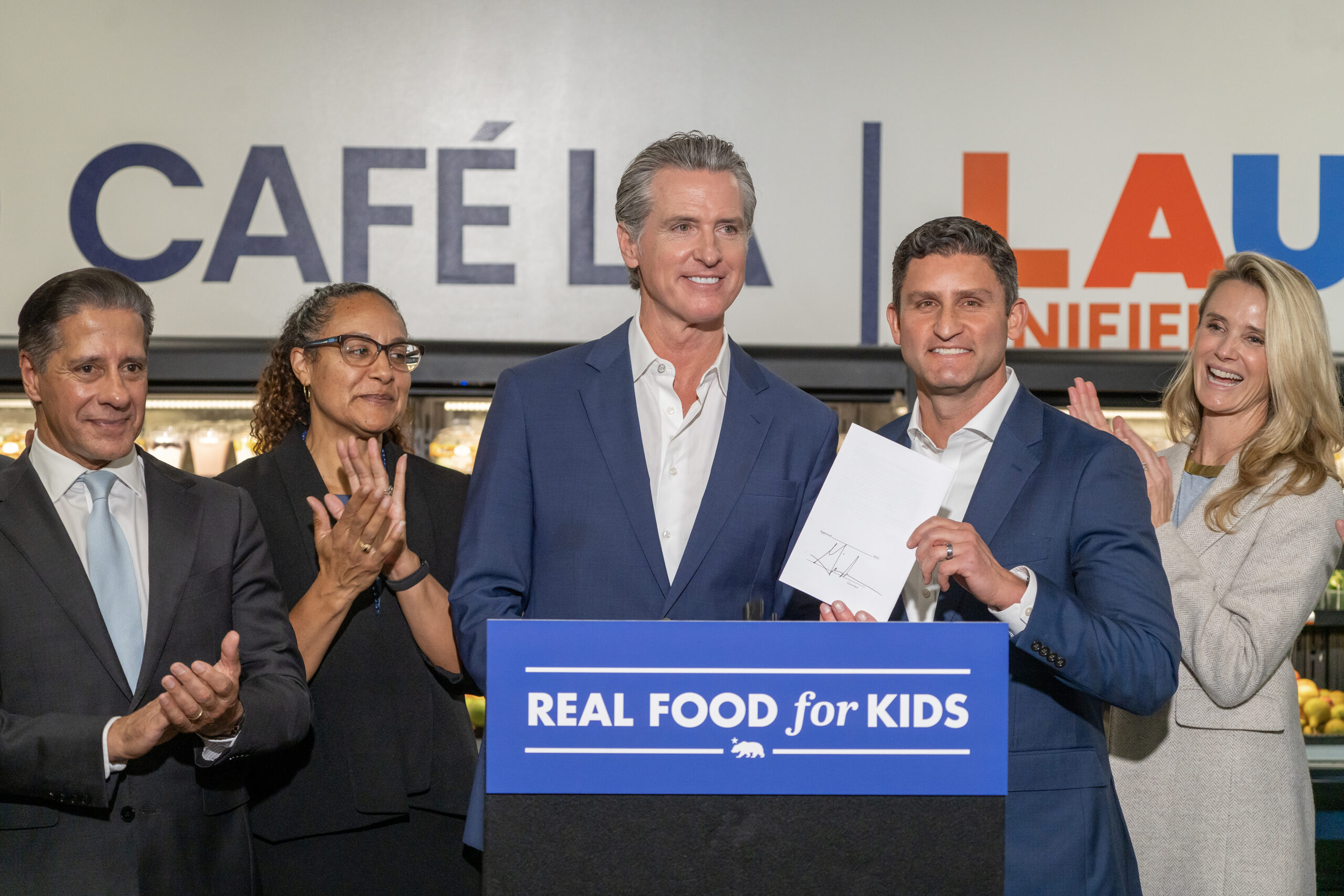
California’s Bold Move Towards Nourishing Our Youth
A Step Forward in Health and Nutrition
“With Governor Newsom’s signature on AB 1264, California has taken a historic step toward protecting our children from harmful ultra-processed foods and chemical additives.” These words from Assemblymember Jesse Gabriel resonate deeply with me. It feels as if we’ve collectively turned a page in the book of nourishment—a book that has been too often filled with additives and artificial ingredients masquerading as food. I can’t help but recall my own childhood meals, filled with vibrant colors, fresh aromas, and the warmth of home cooking. I remember how the kitchen would come alive on a Sunday afternoon; the smell of roasted vegetables mingling with herbs was an invitation to gather around the table. Food was never just about sustenance; it was ritual, memory, love. And yet, somewhere along the way—amidst busy schedules and convenient choices—we began losing touch with that essence.
As Washington D.C. grapples with stagnation, California is stepping up again to lead not just by policy but by example—bringing together Democrats and Republicans in a bipartisan effort for something truly good: nutritious meals for students made from real food instead of those questionable chemical concoctions we often encounter today. I applaud Governor Newsom for championing this cause; however, it also stirs within me thoughts about our collective responsibility toward nutrition—not only for our children but for ourselves.
The Journey to Healthier School Meals
This leap towards healthier school food isn’t merely a reaction to current trends—it’s rooted in a vision that long predates movements like “Make America Healthy Again.” It feels almost prophetic how Governor Newsom and First Partner Jennifer Siebel Newsom have catalyzed initiatives aimed at eliminating toxic additives while strengthening nutrition standards across California schools. It reminds me of my own attempts to revamp my diet over the years—an ongoing dance between temptation and choice. How many times have I reached for quick snacks laden with preservatives when vibrant fruits were calling out from my countertop? The struggle is real.
Like many people navigating their dietary paths, I wrestle daily with contradictions. A kale salad might promise vitality one moment—but what happens when the siren call of cheesy pizza beckons? That tug-of-war can feel relentless at times; still, each positive step taken matters immensely—not just for us individually but collectively as a society striving for better health outcomes.
The Tapestry of Food Experience
Nourishment intertwines so beautifully with our emotions—and it’s essential we recognize this connection when discussing dietary changes or new policies like AB 1264. Each bite tells a story: whether it be sharing laughter over homemade pasta or feeling grounded as you sip broth made from scratch on cold winter evenings—the moments spent around food create bonds that nourish not just our bodies but our souls too.
“Food is memory, ritual, and medicine in motion.”
This profound sentiment encapsulates why policies addressing nutrition are so vital—they aren’t merely about calories or nutrients; they reflect who we are as individuals and communities forging connections through shared meals or gatherings steeped in tradition.
The Call to Action
I find myself reflecting on what more could be done beyond legislative measures alone—especially when considering how easily habits form within families layered across generations. What if every school embraced an ethos surrounding food education? Perhaps reimagining cafeteria menus could inspire children not just to accept their plates but engage actively with ingredients—their origins, flavors, moods they evoke! How empowering would it be if young minds learned early on that nourishing their bodies doesn’t need to feel like deprivation?
This evolution isn’t limited to schools alone; it extends into homes where parents grapple daily against convenience-laden options thrust upon them by modern life’s relentless pace. Yet somewhere along this journey lies hope—a chance at transformation grounded both in individual choices and systemic support encouraging us all towards mindful living.
Nourishing Resilience Through Mindful Choices
Each time I choose whole grains over refined options or reach towards seasonal produce rather than packaged items filled with unknowns—I am reminded that these decisions echo far beyond personal preference—they contribute toward reshaping communal narratives surrounding health itself! Still though…I wonder: Are we doing enough?
The conversation must continue beyond these legislative victories alone because lasting change ultimately unfolds at dinner tables nationwide where family rituals emerge anew amidst shifting tides toward more substantial fare. Let us not forget amidst debates about wellness trends that indulgence can coexist harmoniously alongside conscious eating practices—it’s all part of our rich culinary tapestry!
Written for Aging Decoded – The Future of Health News, One Story at a Time.